Botox
Korean Botulinum Toxin: What It Is and Who It Suits
Korean botulinum toxin explained: what the label means, how units work and who it suits. Send a photo on WhatsApp to plan your visit to Muse Clinic in…
 Dr. Sarang LimHead Doctor, Muse Clinic Myeongdong · 7 min readMedically reviewed by Sarang Lim, M.D., Head Doctor · Edited by: Sarang Lim, M.D.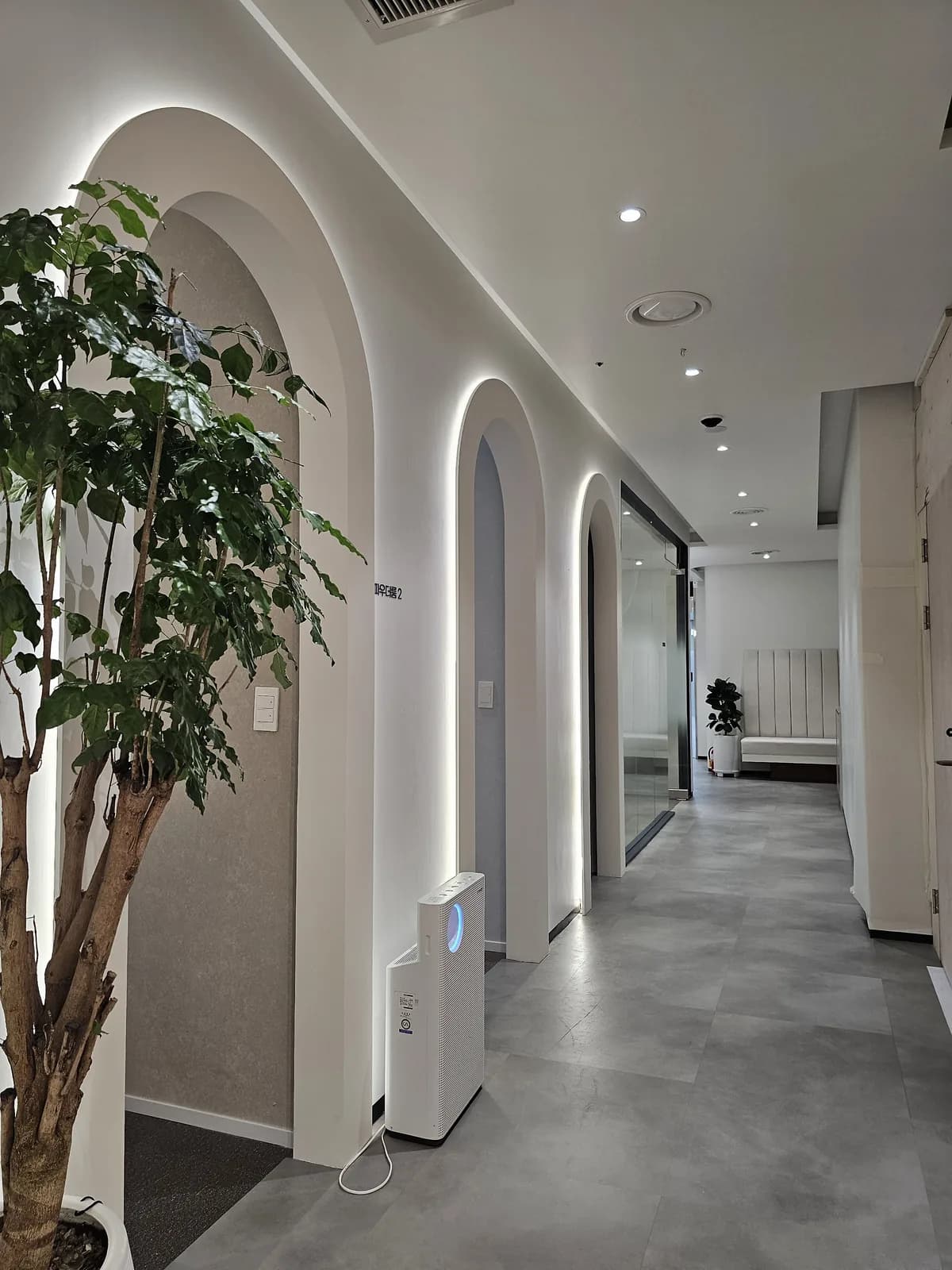
In this article
- 01What does "Korean" mean on a botulinum toxin?
- 02What do the units on the label actually measure?
- 03How does it work, and when will you see it?
- 04Who does Korean botulinum toxin suit?
- 05What are the risks, and who should hold off?
- 06How many days should you plan in Seoul?
- 07Is it right to combine it with other treatments?
Korean botulinum toxin is botulinum toxin type A made by a Korean manufacturer and injected in small amounts into chosen muscles to soften expression lines, slim a square jaw or ease muscle bulk. If you are flying in for it, the usual worry is what you do when something feels off after you are home, so this guide covers what the vial label means, how units work, who the treatment suits and how much of your trip it takes.
At Muse Clinic Myeongdong, English, Japanese and Chinese interpreters are in the clinic, and someone stays with you from consultation through treatment. That matters here because the real decisions (which muscle, how many units, how far apart sessions should be) are made in the consultation, in conversation.
If you want a concrete next step before reading on, send one photo of your face at rest and one smiling, plus the dates you will be in Seoul, on WhatsApp.
What does "Korean" mean on a botulinum toxin?
In short, it describes where the product is manufactured, not a different drug. Every botulinum toxin type A product blocks the nerve signal that tells a muscle to contract, and a Korean-made one does the same job as an imported one.
The label tells you three practical things: the manufacturer, the number of units in the vial, and how the clinic prepares it. Muse Clinic's treatment pages describe genuine product that is precisely measured and dispensed onsite, which is the part worth asking any clinic to explain, whatever the country of origin.
People searching "botulinum toxin korean brand" often hope for a single name to remember. A better question for the consultation is which product is being used, in which muscle, at how many units. If you want the imported-versus-Korean-made discussion in more depth, we wrote a side-by-side of imported and Korean-made toxin.
What do the units on the label actually measure?
Units measure biological activity of the toxin, and they are specific to each product, so 50 units of one brand is not automatically the same as 50 units of another.

On Muse Clinic's menu you will see sizes such as 50U for masseter (jaw) and temple work, 100U for the temporalis muscle and for body areas such as trapezius, calves, thighs and arms. Those are menu sizes, not a dose you must accept. A small forehead needs far fewer units than a strong masseter, and the number is chosen per muscle.
| Area on the menu | Typical goal |
|---|---|
| Forehead, glabella, crow's feet | Soften expression lines |
| Masseter (jaw) | Slim a square jawline |
| Trapezius, calves, thighs, arms | Smooth bulky muscle contour |
The clinic page lists forehead, eleven lines, glabella, chin, nose, under-eye and crow's feet as anti-wrinkle areas. For area-by-area detail, see our area-by-area guide, and the anti-wrinkle treatment page or the jaw injection page for the full option lists.
How does it work, and when will you see it?
The toxin reduces how strongly a treated muscle contracts, so the skin above it creases less, or a bulky muscle gradually becomes smaller from lack of use. Nothing is removed; the muscle simply works less hard for a while.
In plain terms: the change builds over time, so do not plan your photos or your flight around a result on day two.
The sequence on the page is one-to-one consultation, refrigeration anaesthesia, design, then the treatment. The treatment itself takes about 10 to 20 minutes for wrinkle areas and about 10 minutes for the jaw, according to the clinic's pages, with consultation time on top.
When someone asks me about a Korean product, I would rather talk about the muscle than the passport of the vial. A strong masseter, a frown line and a bulky calf each need a different plan, and the useful questions are which muscle, how many units, and when to review. Results vary from person to person, so I treat the first session as the start of a conversation, not a finished answer.
Who does Korean botulinum toxin suit?
The clinic's page lists the people it is meant for: those with wrinkles from facial expression, those worried about wrinkles from ageing, those with a frowning impression, and those who feel their skin is sagging with age. For the jaw, it lists people with a square jawline, overly built jaw muscles, or who want a sharper V-line.
It also suits a particular kind of traveller: someone who wants a short, scheduled treatment rather than a long recovery plan, and who is comfortable repeating it every few months. If that rhythm does not fit your life, say so in the consultation, because it changes what is worth doing.
It is a poor fit if you expect it to lift heavy sagging or to change skin texture. Toxin relaxes muscle; it does not tighten loose skin. For that, devices such as Ulthera or Duet Thermage sit on a different menu page.
What are the risks, and who should hold off?
Common, usually temporary effects of botulinum toxin injections include bruising, swelling, redness at the needle sites and headache. Less often, the toxin affects a neighbouring muscle, which can show up as a drooping eyelid or a slightly uneven expression. MedlinePlus lists these among the side effects to know about.
Tell the clinician if you are pregnant or breastfeeding, have a neuromuscular condition, or take medicines that affect muscles or nerves, and mention when you last had a toxin treatment. Some people respond less than expected, and a 2025 narrative review in JMIR Dermatology on nonresponse to botulinum toxin discusses the trigger factors and how clinicians manage them. Results vary between people, and the in-person exam decides whether and where to inject.
Symptoms such as trouble swallowing or breathing, or widespread weakness, need urgent medical care wherever you are.
If you would rather settle the question of which area to treat before booking flights, send a clear photo of the area you are considering, taken in daylight, and your Seoul dates on WhatsApp. The reply comes in English.
How many days should you plan in Seoul?
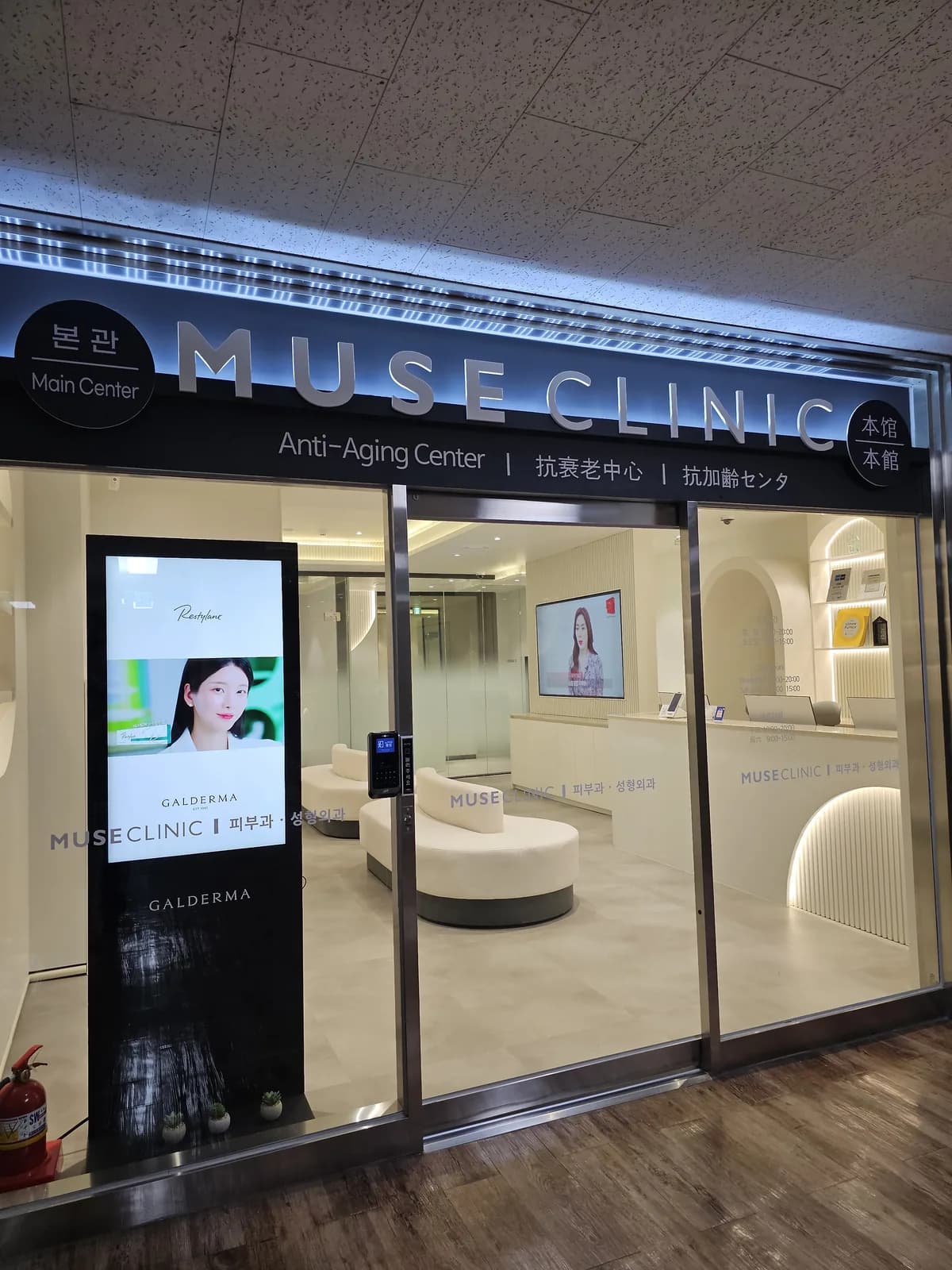
The clinic is a 1-minute walk from Myeongdong Station Exit 5 (Line 4), and it opens Monday to Friday 10:00 to 20:00 and Saturday and Sunday 09:00 to 15:00, so an arrival-day appointment is realistic.
Because the effect builds over weeks and the clinic recommends re-treating about 3 to 4 months apart, many visitors treat the Seoul visit as session one and plan the next around their next trip or a local provider. Tell the interpreter at the consultation if you want the plan written around that gap.
Is it right to combine it with other treatments?
Some people pair toxin with a skin or volume treatment on the same trip. The clinic's menu includes fillers, skin boosters, peels and lasers, and the order matters, so raise it in the consultation. For the wider menu, see the full treatment list and Dr. Lim's profile.
If you want the gentler end of the menu, our guide to Korean skin treatment covers what visitors usually book. Whatever you combine, keep it to what you can describe clearly in one message: the area, your goal and your dates.
Send that message on WhatsApp whenever you are ready: a photo of the area, your goal in one sentence and your travel window. The reply comes in English, and it is a simple way to find out whether this treatment is what you actually want before you commit to a trip.
Questions people ask
Before you message us
Does Korean botulinum toxin work differently from imported toxin?
Both belong to the same drug class, botulinum toxin type A, and both reduce the nerve signal to a treated muscle. Products differ in manufacturer and in how units are labelled, which is why a dose from one product should not be copied to another. The practical question is which muscle is treated, at how many units.
How long does a session last and how often can it be repeated?
Muse Clinic's pages give about 10 to 20 minutes for anti-wrinkle areas and about 10 minutes for the jaw, plus consultation time. The anti-wrinkle page states the effect lasts about 3 months and recommends treating 3 to 4 months apart. Results vary with muscle amount and daily habits.
Will there be an interpreter during the visit?
Yes. English, Japanese and Chinese interpreters are in the clinic, and other languages can be arranged on request. Someone stays with you from the consultation through the treatment, so you can ask about the muscle, the units and the follow-up gap in your own language.
What should I tell the clinic before an injection?
Mention pregnancy or breastfeeding, any neuromuscular condition, medicines that affect muscles or nerves, and the date of your last toxin treatment. Bring the name of the product if you know it. This information helps the doctor decide whether to treat and which muscles to leave alone.
Is a Korean botulinum toxin treatment suitable for sagging skin?
Toxin relaxes muscle, so it helps lines caused by expression and bulky muscles, not loose skin. Sagging skin is usually handled with lifting devices or other methods, and the right choice depends on your face. A photo sent on WhatsApp is a good way to start that conversation.
Results and maintenance period vary by individual. Every procedure carries the possibility of side effects, which are explained before you agree to treatment. Prices exclude 10% VAT and event prices may change. This article is general information from the clinic and is not a diagnosis; suitability is decided at the consultation.
Written by
Dr. Sarang Lim
Head Doctor · Muse Clinic Myeongdong
- Education & training
- Graduated, Inje University College of Medicine · Residency training, Paik Medical Center (Inje University) · Sungkyunkwan University Graduate School, Master's degree · Indiana University Kelley School of Business
- Advisory & certification
- Cynosure — Certified laser center · Juvéderm — Advisory doctor · QT Fill — Advisory doctor · Olidia — Advisory doctor · Galderma Sculptra — Advisory doctor · Merz — Advisory doctor · Jeisys — Advisory doctor · NOVA Thread — Advisory doctor
- Academic societies (full member)
- Korean Academy of Aesthetic Plastic & Laser Medicine · Korean Society of Aesthetic Surgery · Korean Society of Obesity Research Medicine · Korean Society of Obesity & Aesthetic Medicine · Korean Society of Anti-Aging Medicine
Treatments in this article
Excl. 10% VAT · same list Korean patients pay