Fillers & Volume
Korean Filler Perm: Ask These 7 Questions First
Korean filler perm usually means filler that lasts for years. Ask what's in the syringe, whether it can be dissolved, and how follow-up works once you…
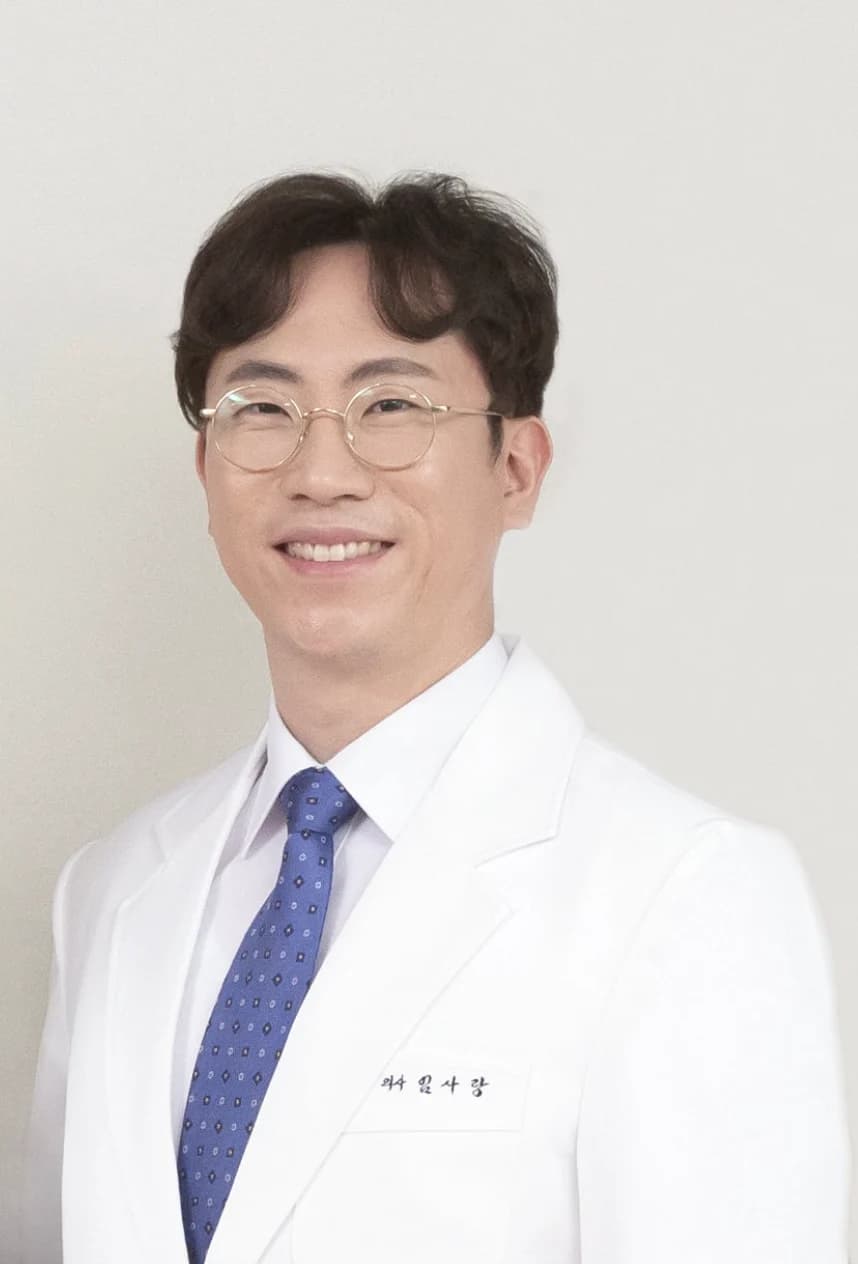 Dr. Sarang LimHead Doctor, Muse Clinic Myeongdong · 10 min readMedically reviewed by Sarang Lim, M.D., Head Doctor · Edited by: Sarang Lim, M.D.
In this article
- 01What a filler perm usually means in a Korean clinic
- 02Can long-lasting filler be dissolved if you change your mind?
- 03The risks that grow when the filler stays longer
- 04How many days in Seoul does filler need?
- 05Why leftover filler is thrown away here
- 06What to do if something feels wrong after you fly home
A korean filler perm, the filler people hope will stay put for years, is in practice usually a collagen stimulator such as Sculptra or Radiesse, because the body breaks hyaluronic acid filler down over months. The longer a filler lasts, the harder it is to undo, and that matters most when a lump or an uneven side shows up after you're already back home. At Muse Clinic Myeongdong an English, Japanese or Chinese interpreter stays with you from consultation through treatment, so you can ask every question below in your own language.
Before you book anything, here are seven questions worth asking any clinic about long-lasting filler, ours included:
- 01What exactly is in the syringe: hyaluronic acid, calcium hydroxylapatite, poly-L-lactic acid, or a material the body never breaks down?
- 02If I dislike the result, can it be dissolved, and with what?
- 03How long does this product usually last in the area I'm treating?
- 04What happens to filler left over in the syringe?
- 05How many days should I stay in Seoul before flying?
- 06Which symptoms mean "see a doctor today" once I'm home?
- 07Is there a reason I should wait, or start with a shorter-lasting option?
The sections below take them one at a time.
If you're fitting filler into a short trip, send two things on WhatsApp: the area you want to change and the dates you'll be in Seoul.
What a filler perm usually means in a Korean clinic
Three families of filler sit behind this search, and they behave very differently. Hyaluronic acid fillers last months and can usually be dissolved. Collagen stimulators last longer and work by prompting your own tissue to change. Non-absorbable fillers stay in the tissue indefinitely, which is the closest match to what "perm" implies.
The American Society of Plastic Surgeons describes these as separate filler types with different materials and different time frames, and the U.S. Food and Drug Administration separates fillers the body absorbs over time from non-absorbable ones. Here is how the three families on most clinic menus compare:
| Filler type | What it does | If you dislike the result |
|---|---|---|
| Hyaluronic acid gel | Adds volume directly; the body breaks it down over months | Can usually be dissolved with an enzyme |
| Calcium hydroxylapatite (Radiesse) | Adds volume and prompts collagen around the particles | No enzyme dissolves it; you wait for it to fade |
| Poly-L-lactic acid (Sculptra) | Prompts gradual collagen building over weeks | No enzyme dissolves it; changes build and fade slowly |
You can see every filler and injectable we offer on the treatment menu.
One more meaning is worth clearing up. Some hair salons sell a "filler" conditioning treatment together with a perm. That's a hair-care product, and nothing on this page applies to it.
Can long-lasting filler be dissolved if you change your mind?
Only hyaluronic acid can be reliably dissolved. A doctor injects an enzyme called hyaluronidase, and the gel usually softens within a day or two. That exit is the main reason many doctors suggest hyaluronic acid for a first filler.
Radiesse and Sculptra don't have an equivalent. If the shape isn't what you pictured, the usual options are massage in the early weeks, adding a little elsewhere to balance it, or waiting for the body to break the material down. With Sculptra the change shows up gradually, which also means you won't fully know the result before you fly home.
That's the trade-off hiding inside the word "perm". A filler that lasts longer is a filler you live with for longer, whether you like it or not. For lips, under-eyes and noses, where a few millimetres change the whole look, many people find the reversible option easier to accept.
The risks that grow when the filler stays longer
The common side effects are similar across all fillers. What changes with a long-lasting product is how long you live with a problem, and how far you are from the person who injected it.

The FDA lists bruising, redness, swelling, pain, tenderness and itching as common reactions after dermal filler, and the American Academy of Dermatology describes these as usually temporary. They tend to settle over several days, which is what you plan your sightseeing around.
Less common are lumps and bumps. With hyaluronic acid an early lump is often a placement issue and can be massaged or dissolved. With collagen stimulators, nodules can form weeks or months later, long after a short trip has ended, and they're harder to treat.
Rare but serious is injection into a blood vessel. The FDA warns that this can damage skin and, in rare cases, cause vision problems, blindness or stroke. The warning signs are sudden, severe pain at the site, skin that turns white, blotchy or dusky, and any change in your vision. Those need a doctor immediately, wherever you are.
Results vary from person to person, and the same product can last a different length of time in your lips than in your cheeks. Muse's own filler notes say the speed at which hyaluronic acid is broken down differs by individual and by product.
Who should wait or pick a shorter-lasting option
- It's your first filler and you're still unsure what shape you want.
- You have a wedding, a shoot or a big event in the next two weeks.
- You're pregnant, breastfeeding or planning a pregnancy soon.
- There's a cold sore, an infection or an active acne flare where the filler would go.
- You take blood thinners or have a bleeding disorder. Tell the doctor before anything is booked.
- You're looking for "body filler" for the breasts or buttocks. The FDA states that it hasn't approved dermal fillers for body contouring or enhancement.
If what bothers you is texture, dullness or pores, volume may not be the answer at all. A clinic facial fits a short trip with less at stake, and you can read what a Korean clinic facial changes and what it doesn't or how a clinic facial differs from a spa facial in Seoul.
I hold advisory roles with Juvéderm and with Galderma Sculptra, so you should know that when you read my view on these products. My view is simple. For a first filler on a short trip, a hyaluronic acid filler is usually the easier one to live with, because there's an exit if the shape isn't what you pictured. A collagen stimulator makes more sense once you know how your face responds and the gradual change fits your schedule. "Longer" sounds like value, but for someone flying home in three days it also means longer to wait if something isn't right.
My education and society memberships are listed on the doctor page.
If one of the points above might apply to you, or you can't tell which filler family your area needs, send a photo of the area in daylight on WhatsApp along with your travel dates. You'll get a reply about booking a consultation that fits those dates, and you can raise the wait-or-go question with the doctor in person.
How many days in Seoul does filler need?
The injection itself is short. The planning is about swelling, bruising and one two-week window. Muse lists four steps for filler: a one-on-one consultation, anesthetic cream, design, then the treatment. Our facial filler notes put the injection at about 10 minutes per 1cc.
Three details shape your calendar:
- Eating: after lip filler, our notes say you can eat again 2 to 3 hours after treatment.
- Swelling and bruising: these usually ease over several days. Concealer helps, but photos on day one won't show the settled result.
- Molding: our filler notes describe filler molding, a massage that re-shapes filler while it's still settling, as usually recommended within 2 weeks. Once the filler settles into the tissue, molding becomes difficult.
That third point is the one travellers miss. If you have filler on your last morning and fly out that afternoon, you lose the chance to have the shape adjusted. Booking the injection early in the trip leaves a few days to see how it settles before you leave.
Opening hours give you room on both ends of a trip: weekdays from 10:00 AM to 8:00 PM, and Saturday and Sunday from 9:00 AM to 3:00 PM. The clinic is on the 3rd floor of Korea Daeyungak Tower, a 1-minute walk from Myeongdong Station Exit 5 on Line 4. If you're coming from Hoehyeon Station, use Exit 7; the building is across from Shinsegae Department Store, with a Twosome Place café and Hana Bank on the ground floor.
Why leftover filler is thrown away here
Muse's menu states it plainly: no filler retouching at our clinic, and any remaining amount is discarded. An opened syringe isn't saved for a later top-up.
Some travellers hope to keep half a syringe for a return trip. That isn't done here, so the amount is planned at the consultation instead. It's also a fair question to ask anywhere: where does the rest of my syringe go? The answer tells you how a clinic handles opened product.
This matters more with long-lasting products. Layering a new filler over an older one you can't identify makes any later problem harder to sort out. If you've had filler before, find the product name, the area and roughly when it was injected before your consultation.
Have an old filler record, or remember where previous filler went? Send a photo of that record on WhatsApp along with the area you're considering now. You'll get a reply, and you can bring the same record to the consultation so the history is on the table from the first minute.
What to do if something feels wrong after you fly home
Act on the symptom, not the distance. Sudden severe pain, skin turning white or dusky, or any change in vision means going to a local emergency department that day. Don't wait for a message from Seoul.
For anything slower, such as a lump you notice in week three or one side that looks fuller, see a dermatologist at home. The U.S. Centers for Disease Control and Prevention advises medical travellers to get copies of their records before leaving and to arrange follow-up care at home in advance. For filler, that means leaving Seoul with:
- the product name and type (hyaluronic acid, Radiesse or Sculptra)
- the areas injected and the amount
- the date of treatment
With those three lines, a local doctor knows straight away whether dissolving is an option. With a hyaluronic acid filler it often is. With a collagen stimulator they'll know to manage it differently, which is one more reason the korean filler perm question deserves a slow answer.
The clinic is in Seoul, and a problem with a long-lasting filler can surface months after your trip. That's a real limit of having treatment abroad, and it's why reversibility sits near the top of the list.
When your dates are fixed, send them on WhatsApp together with a photo of the area you're thinking about. Ask the first of the seven questions in that message, and you'll go into the consultation already knowing which filler family you're there to discuss.
Questions people ask
Before you message us
Is there a filler in Korea that lasts forever?
Some non-absorbable fillers stay in the tissue indefinitely, but they aren't on Muse Clinic Myeongdong's menu. What people usually get when they ask for a long-lasting filler is a collagen stimulator such as Sculptra or Radiesse, which lasts longer than hyaluronic acid but is gradually broken down. Longer-lasting also means it can't be dissolved with an enzyme if you dislike the shape.
Is Sculptra the same as a korean filler perm?
Not quite. Sculptra is poly-L-lactic acid, which prompts your skin to build collagen gradually over weeks, so the change appears slowly and also fades slowly. It isn't a gel that fills a line straight away, and no enzyme dissolves it. It suits people who already know how their face responds to filler and who can accept a result that develops after the trip.
Can I fly home the day after getting filler in Seoul?
Swelling and bruising usually ease over several days, and Muse's filler notes say molding, a massage that adjusts the shape, is usually recommended within 2 weeks. Having filler early in the trip leaves you time to see how it settles before you leave Seoul.
What should I tell a doctor at home if I get a lump after filler abroad?
Bring the product name and type, the areas injected, the amount and the treatment date. With that information a local dermatologist can tell quickly whether the filler is hyaluronic acid and can be dissolved, or a collagen stimulator that needs different management. Sudden severe pain, skin colour changes or vision changes need emergency care the same day.
Do I need to speak Korean for a filler consultation in Myeongdong?
No. English, Japanese and Chinese interpreters are in the clinic, other languages can be arranged on request, and someone stays with you from consultation through treatment. That means you can ask about the material, reversibility and leftover filler directly, and understand the answers before anything is injected.
Results and maintenance period vary by individual. Every procedure carries the possibility of side effects, which are explained before you agree to treatment. Prices exclude 10% VAT and event prices may change. This article is general information from the clinic and is not a diagnosis; suitability is decided at the consultation.
Written by
Dr. Sarang Lim
Head Doctor · Muse Clinic Myeongdong
- Education & training
- Graduated, Inje University College of Medicine · Residency training, Paik Medical Center (Inje University) · Sungkyunkwan University Graduate School, Master's degree · Indiana University Kelley School of Business
- Advisory & certification
- Cynosure — Certified laser center · Juvéderm — Advisory doctor · QT Fill — Advisory doctor · Olidia — Advisory doctor · Galderma Sculptra — Advisory doctor · Merz — Advisory doctor · Jeisys — Advisory doctor · NOVA Thread — Advisory doctor
- Academic societies (full member)
- Korean Academy of Aesthetic Plastic & Laser Medicine · Korean Society of Aesthetic Surgery · Korean Society of Obesity Research Medicine · Korean Society of Obesity & Aesthetic Medicine · Korean Society of Anti-Aging Medicine