Lifting & Tightening
PDO Thread Lift Korea on a Long Weekend
PDO thread lift Korea on a short trip: who threads suit, how long bruising and swelling last, aftercare that matters, and when to book your flight home.
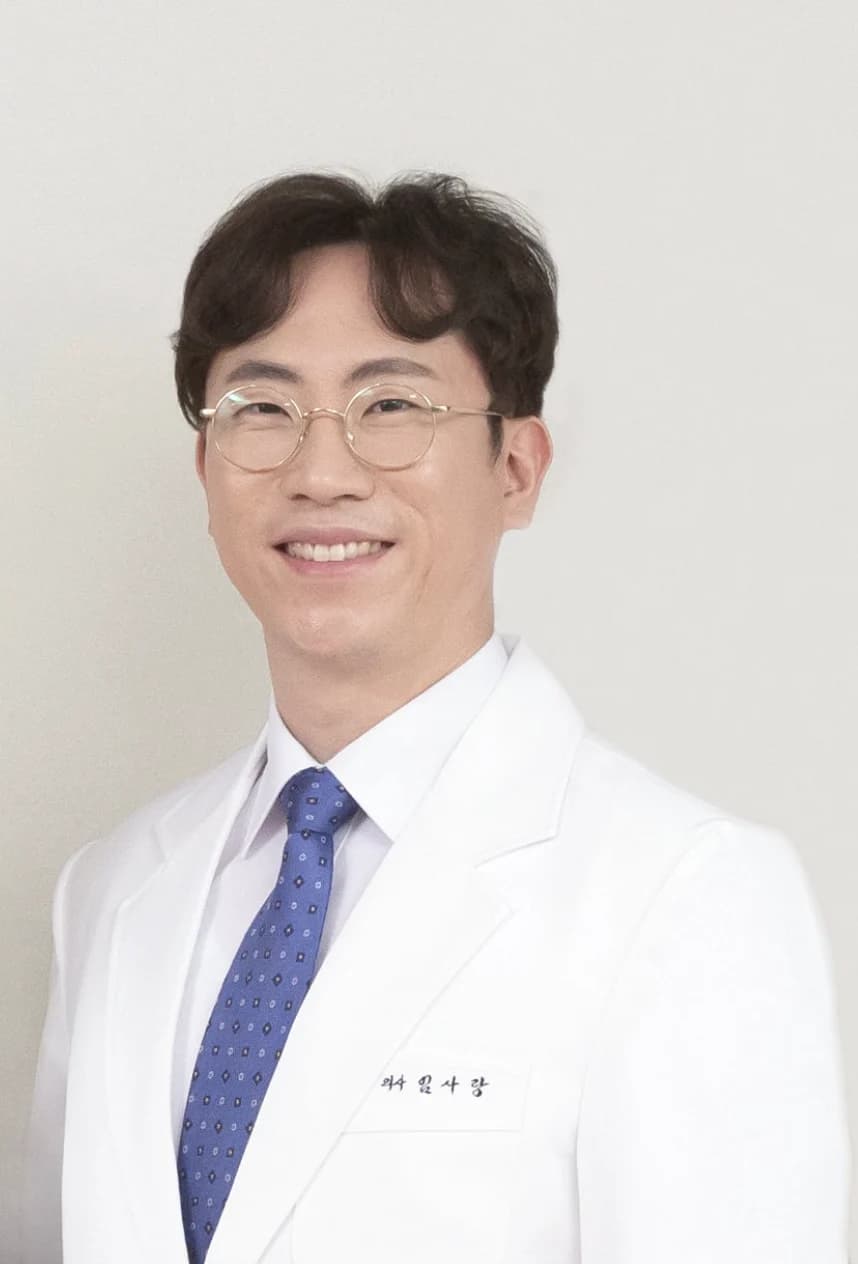 Dr. Sarang LimHead Doctor, Muse Clinic Myeongdong · 10 min readMedically reviewed by Sarang Lim, M.D., Head Doctor · Edited by: Sarang Lim, M.D.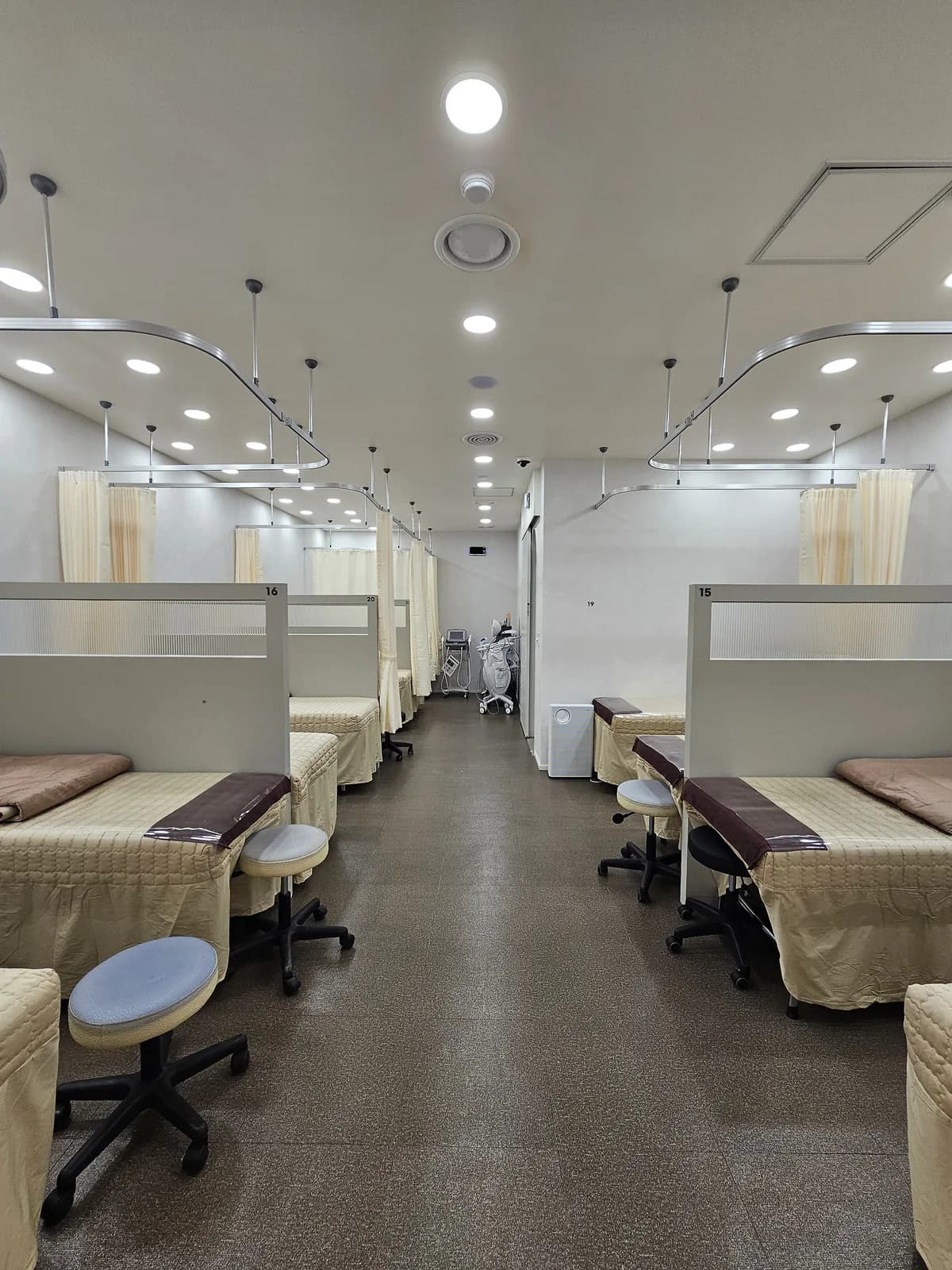
In this article
- 01What does a PDO thread actually do under the skin?
- 02Who a thread lift suits in your late twenties and thirties
- 03Three questions to ask before booking a long weekend
- 04How long do bruising and swelling usually last after a thread lift?
- 05Risks, side effects and who should not have threads
- 06When a different treatment fits better
- 07What happens after you fly home?
A PDO thread lift Korea visit is a short in-clinic treatment. Dissolvable polydioxanone threads go under the skin through a few needle entry points, usually under local anesthetic, to lift mildly loosened tissue along the jaw, cheeks or neck. It suits early sag. If you're flying in for a long weekend, two worries matter: how your face will look at work on Monday, and who you ask once you're home and one side still feels tight.
Muse Clinic Myeongdong is open on weekends, Saturday and Sunday from 9:00 AM to 3:00 PM, and sits a 1-minute walk from Myeongdong Station Exit 5. English, Japanese and Chinese interpreters are in the clinic, and someone stays with you from consultation through treatment. Ask before you book whether treatment can follow on the same day.
If you already have dates in mind, send them on WhatsApp with one line on the area that bothers you: jowl, jawline, cheek or neck. Ask whether a Saturday or Sunday consultation fits those dates, and mention your flight-home day so the timing conversation starts from your real limit.
What does a PDO thread actually do under the skin?
A PDO thread is a fine strand of polydioxanone, an absorbable suture material, placed under the skin with a thin needle or cannula. Barbed (cogged) threads grip soft tissue and hold it slightly higher. Smooth threads are used more for skin quality than for lift. The body breaks the material down over several months.
The American Society of Plastic Surgeons describes a thread lift as a minimally invasive procedure that uses absorbable, barbed sutures to mechanically lift tissue where they're placed. There's no surgical incision to heal. The trade-off is built in: nothing is cut away, so a thread can reposition tissue that has drifted down, but it can't remove skin that has stretched.
The Muse Clinic Myeongdong menu has two entries in this family. Thread Lifting is described as activating collagen for a firmer face line, and Jamber Thread Lifting as working on lift and volume at the same time. Which type, how many threads and where they go are planned with the doctor at the consultation.
Who a thread lift suits in your late twenties and thirties
Threads usually suit someone whose tissue has started to descend a little: a softer jawline, an early jowl, a cheek that sits lower than it did a few years ago. In your twenties, a heavy-looking lower face more often comes from jaw muscle bulk or fat, and threads change neither.
That distinction matters most for the people most likely to plan a long weekend: those living in Tokyo, Hong Kong, Singapore or Manila, or teaching English somewhere in Asia, who can reach Seoul on a short flight. The flight is the easy part. The harder part is making sure the trip is aimed at the right problem.
Here's a rough check you can do at home. It isn't a diagnosis. Take a front photo sitting upright, then another lying on your back. If both photos look the same, the fullness is more likely structural, and the conversation moves toward muscle, fat or bone.
For anyone in their late twenties asking about threads, the question I'd want settled first is whether what they see in photos is sag at all. A thread repositions tissue that has moved. If nothing has moved, the thread has very little to hold, and the person goes through a week of tenderness for a change they can barely see. I'd rather have that conversation before a flight is booked than after.
Three questions to ask before booking a long weekend
Ask what Monday needs to look like, which habits you can pause for two weeks, and who you'll contact from home. Your answers tell you whether a long weekend is enough or a longer stay makes more sense.
Can Monday handle a bruise?
Bruises at entry points near the hairline, temple or jaw are common. Many people can cover them with concealer within a day or two, and a face mask hides the lower face on the commute. If you have in-person client meetings on Monday morning, the calculation is different from a desk job with the camera off.
Can you pause these habits for about two weeks?
Thread lift aftercare sheets commonly ask you to avoid the following for the first one to two weeks: opening your mouth very wide, chewing hard or very chewy food, dental appointments, facial massage, sleeping on your face, saunas and hard workouts. The exact list comes from the doctor who places your threads. In Seoul, that rules out a few things visitors often plan around: an evening at a jjimjilbang, a spa facial with deep massage, and the chewier cuts at a Korean barbecue dinner.
Who will you message from home?
Decide this before you go, while you're still planning the trip.
How long do bruising and swelling usually last after a thread lift?
Swelling and tenderness usually peak in the first two or three days and settle over about a week. Bruising, if it appears, often clears in a week or so. A pulling feeling when you smile or yawn, and some firmness along the thread path, can last a few weeks.
| Window | What many people notice | What it means for a trip |
|---|---|---|
| First evening | Tender entry points, mild swelling, tightness when opening the mouth | Soft dinner; sleep on your back, head raised |
| Days 1–3 | Swelling at its most visible; bruises may show | Concealer and a mask cover most of it; skip sauna and massage |
| Around day 7 | Most swelling settled; small dimples often smooth out | Usually fine for office days and video calls |
| Weeks 2–4 | Occasional pulling, firmness along the threads | Keep following the chewing and massage rules |
The flight home rarely matters to the threads themselves. The posture during it can. Falling asleep on an overnight flight with your cheek pressed into the window or a neck pillow is the thing to avoid. A daytime flight, or an aisle seat where you can sit upright, is easier on your face in the first few days.
If you want to know what usually shifts once the swelling has gone, our piece on what changes after a thread lift and what stays the same goes into more detail.
Risks, side effects and who should not have threads
The common problems after a PDO thread lift are usually temporary: swelling, bruising, tenderness, and a spell of difficulty opening the mouth wide. Less common are a thread end that pushes through the skin (extrusion), infection, pain that persists, and a result you're unhappy with.
On a short trip, the signs to watch for are the ones that appear after you've flown home. These include redness that spreads instead of fading, warmth and increasing pain after day three, fever, discharge at an entry point, or a thread end you can see or feel. Any of these is a reason to see a doctor promptly, without waiting for your next trip to Seoul. Don't trim or pull out a thread yourself.
Threads are usually not a good idea, or need a doctor's go-ahead first, if you:
- are pregnant or breastfeeding
- have an active skin infection, cold sore or acne flare in the treatment area
- take blood thinners or have a bleeding disorder (never stop a prescribed medicine on your own to fit a trip)
- form keloids or thick scars easily
- have marked skin laxity, where a surgical consultation is the more fitting route
- expect a change on the scale of a surgical facelift
Results vary from person to person, and so does how long they last. Whether threads suit your face is decided at the in-person consultation, after the doctor has examined the tissue and asked about your medical history.
If you take a blood thinner or have a skin condition on your face, mention it in your first WhatsApp message along with your dates. It affects whether treating on the same trip makes sense, and it's easier to raise before you've booked anything.
When a different treatment fits better
If what bothers you is lines that show when your face moves, rough texture, or flat volume, threads are the wrong tool. A long weekend is better spent on something aimed at that problem.
- Forehead lines, frown lines and crow's feet come from muscle movement. A guide to wrinkle-relaxing injections by facial area covers which areas respond to botulinum toxin.
- Dullness, uneven texture or a tired-looking complexion is a skin-quality question. See what an in-clinic plan for glass skin involves.
- Hollow cheeks or temples are a volume question. Standard lifting threads reposition tissue, and the menu lists volume treatments separately.
If you'd like to compare before you write, the full treatment menu lists every option by category.
Not sure which of these fits? On WhatsApp, send one front photo and one side photo taken in daylight without makeup, plus the dates you're considering. Then ask which consultation slot works with your trip.
What happens after you fly home?
Once you're home, the threads keep working without any further visits, so put your follow-up plan in place before you leave Seoul. The U.S. Centers for Disease Control and Prevention's medical tourism guidance advises getting copies of your records and planning follow-up care at home before you travel.
For a thread lift, that means three practical things. Ask for a note of the thread type and the areas treated, so a local doctor knows what's under your skin. Keep a photo of the aftercare instructions on your phone.
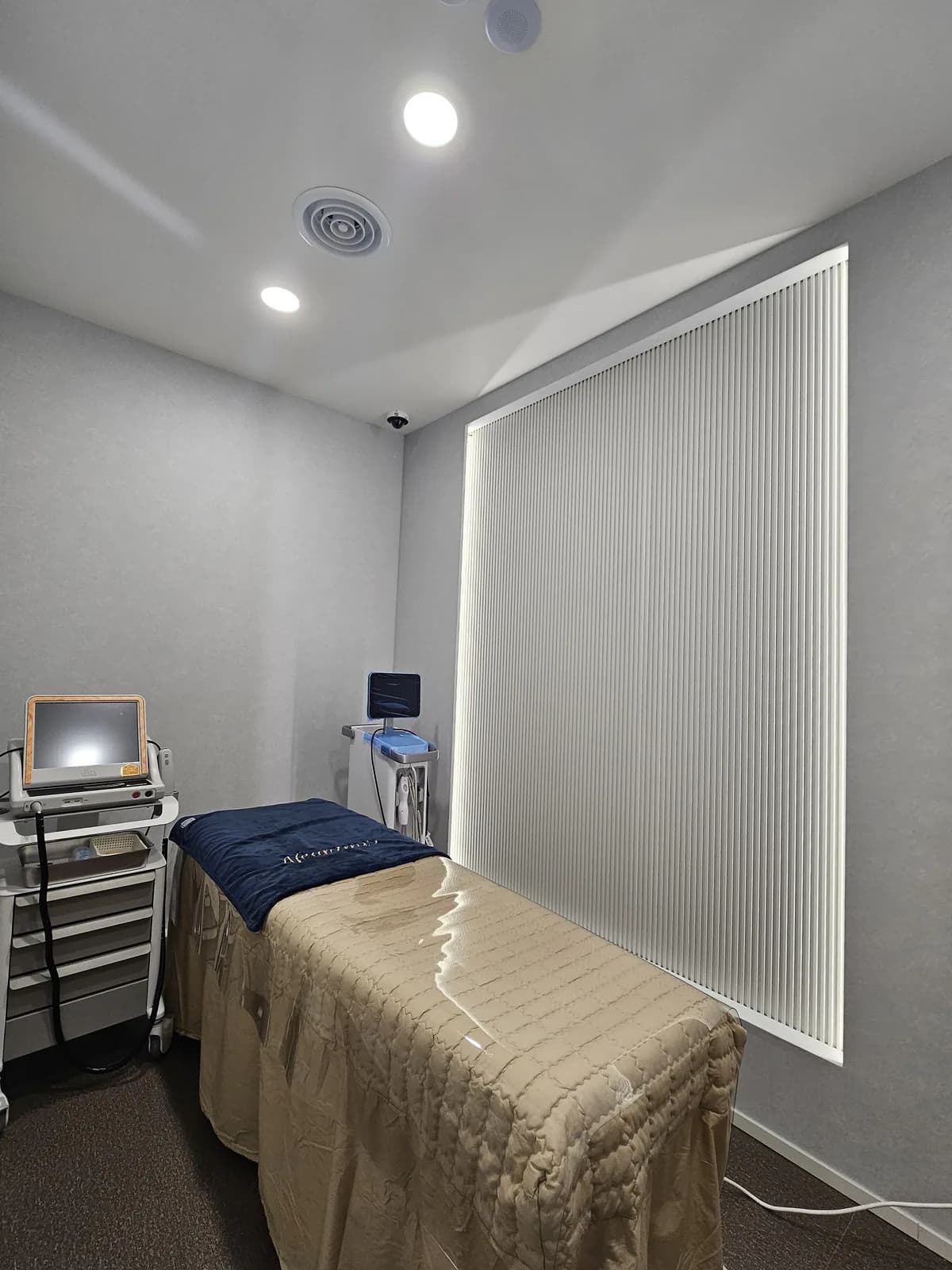
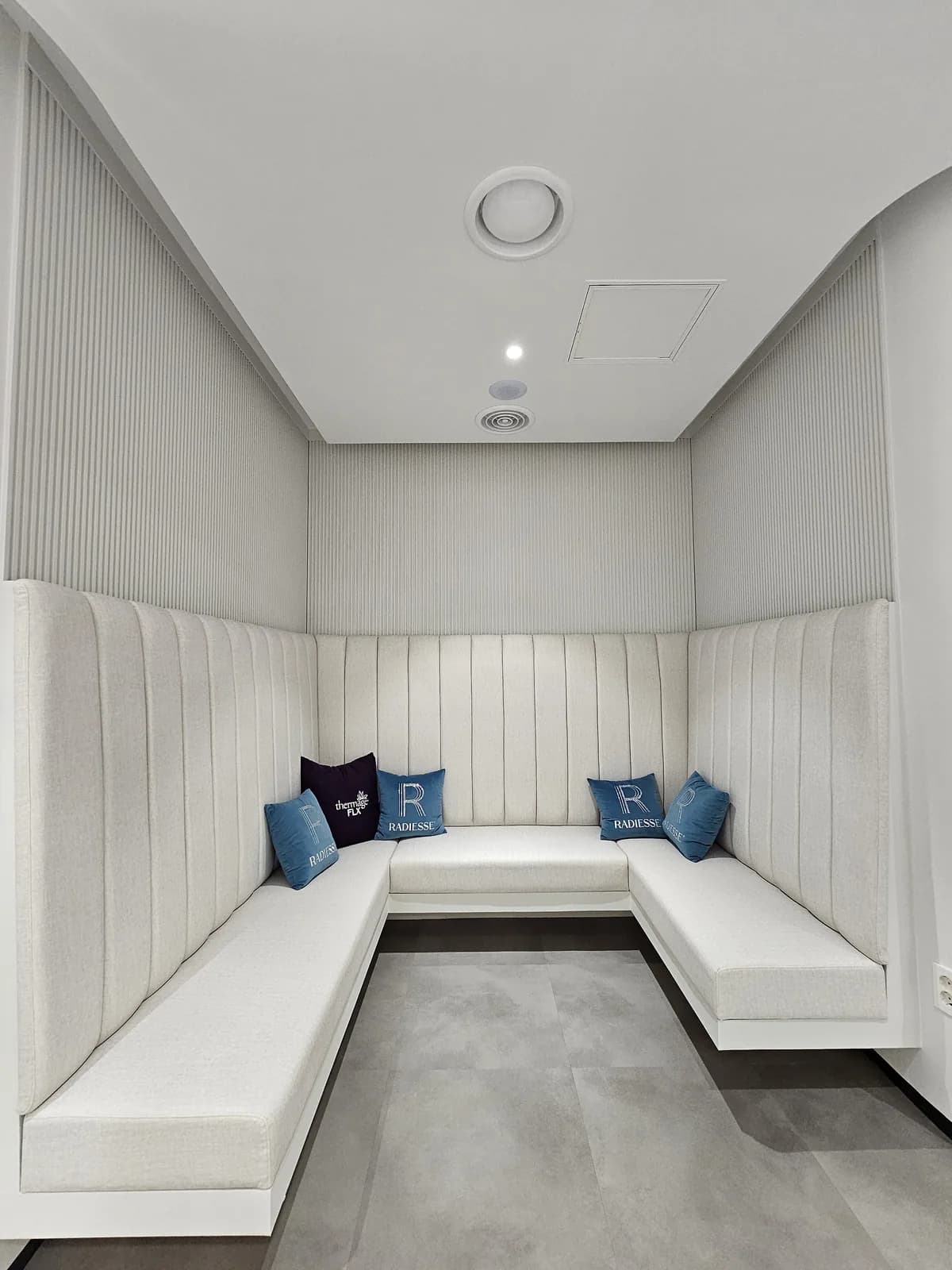
The clinic is on the 3rd floor of Korea Daeyungak Tower, 97 Toegye-ro, Jung-gu, across from Shinsegae Department Store, with a Twosome Place café and Hana Bank on the ground floor.
If the long weekend still looks right, the next step is small. Send your arrival and departure dates on WhatsApp with the area you'd like to change, and ask whether a Saturday or Sunday consultation fits before you buy the flight.
Questions people ask
Before you message us
Am I awake during a PDO thread lift?
Usually, yes. Thread lifts are commonly done under local anesthetic, so you're awake and can talk while the threads are placed. People usually mention pressure and a tugging sensation more than sharp pain, though the entry points can sting while the anesthetic goes in. Because there's no general anesthesia, most people can walk back to their hotel afterwards.
Can I fly home the day after a thread lift?
Many people do fly within a day or two, since there's no surgical wound to close. In practice, the issues are swelling, which is at its peak around days one to three, and sleeping on the plane with your face pressed against something. If your schedule allows, leave a day or two between treatment and the flight. That gives you time in Seoul to ask about anything that comes up early.
How long does a PDO thread lift last?
The PDO material dissolves over several months, and the lift is generally expected to last months, not years. Collagen that forms around the threads may help the effect last a little longer than the threads themselves, which is one reason some people repeat the treatment. Your age, skin thickness and how far the tissue has descended all shape that timeline, so ask the doctor for a realistic expectation at the consultation.
Will I be able to feel the threads under my skin?
In the first weeks, many people feel firmness along the thread path, especially when they touch the jaw or smile widely. This usually softens as the swelling settles. Threads are easier to feel or see in thin skin with little fat underneath, which a doctor checks before recommending them. If a thread end becomes visible or pokes through, see a doctor and don't pull at it.
Do I need to speak Korean for a consultation in Myeongdong?
No. English, Japanese and Chinese interpreters are in the clinic, and other languages can be arranged on request. Someone stays with you from the consultation through the treatment, so you can ask about aftercare, medicines or your flight as questions come up. It still helps to write your questions down before the visit so you cover everything in one sitting.
Results and maintenance period vary by individual. Every procedure carries the possibility of side effects, which are explained before you agree to treatment. Prices exclude 10% VAT and event prices may change. This article is general information from the clinic and is not a diagnosis; suitability is decided at the consultation.
Written by
Dr. Sarang Lim
Head Doctor · Muse Clinic Myeongdong
- Education & training
- Graduated, Inje University College of Medicine · Residency training, Paik Medical Center (Inje University) · Sungkyunkwan University Graduate School, Master's degree · Indiana University Kelley School of Business
- Advisory & certification
- Cynosure — Certified laser center · Juvéderm — Advisory doctor · QT Fill — Advisory doctor · Olidia — Advisory doctor · Galderma Sculptra — Advisory doctor · Merz — Advisory doctor · Jeisys — Advisory doctor · NOVA Thread — Advisory doctor
- Academic societies (full member)
- Korean Academy of Aesthetic Plastic & Laser Medicine · Korean Society of Aesthetic Surgery · Korean Society of Obesity Research Medicine · Korean Society of Obesity & Aesthetic Medicine · Korean Society of Anti-Aging Medicine