Acne, Scars & Pores
Seoul Potenza Microneedling Reviews: What Holds Up
Seoul Potenza microneedling reviews get the quick recovery right but skip the session plan: about three visits 3 to 4 weeks apart. Send a photo on…
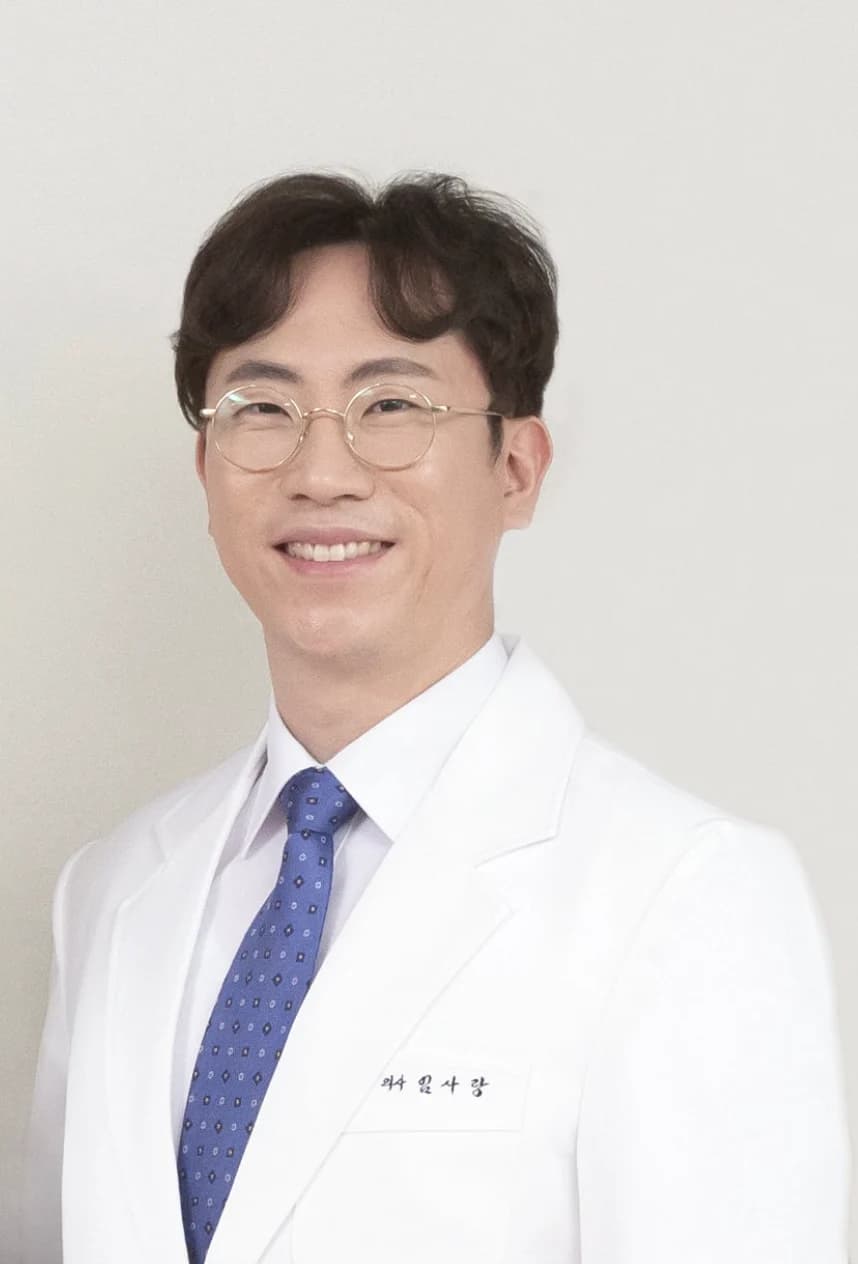 Dr. Sarang LimHead Doctor, Muse Clinic Myeongdong · 10 min readMedically reviewed by Sarang Lim, M.D., Head Doctor · Edited by: Sarang Lim, M.D.
Myeongdong Station, Exit 5 · English interpreters on site
Ask us on WhatsApp
In this article
- 01What do Seoul Potenza microneedling reviews get right?
- 02The part most reviews skip: three sessions, 3 to 4 weeks apart
- 03How do you check a Seoul clinic before booking Potenza?
- 04How often do redness and darkening happen, and who should wait?
- 05What decides the cost of a Potenza course?
- 06When Potenza isn't the tool for what bothers you
Are the Seoul Potenza microneedling reviews you've been reading accurate about what one session can do for acne scars and pores?
On recovery, mostly yes: redness and a sunburned feeling usually settle within a few days. On results, many reviews are written too early. Potenza usually needs about three sessions spaced 3 to 4 weeks apart, so it fits you if you live in Korea or come back regularly, and it rarely fits a single short trip.
Hello, I'm Dr. Sarang Lim, Head Doctor at Muse Clinic Myeongdong and a member of the Korean Academy of Aesthetic Plastic & Laser Medicine.
Potenza is on our menu. A counselor talks with you first about your skin and your dates, then I examine you and perform the treatment myself. An English interpreter stays with you from consultation through treatment at no extra charge, and you pay from the same published price list as Korean patients.
If you're living in Korea or nearby, send one daylight photo of your cheeks on WhatsApp with the months you'll be around, and ask whether a three-session course fits them. You can ask before booking anything.
What do Seoul Potenza microneedling reviews get right?
Potenza is a radiofrequency microneedling device. Very fine needles enter the skin and release heat at a set depth beneath the surface. The tiny injuries and the heat prompt the skin to lay down new collagen, which is what slowly raises a depressed scar and firms loose texture. Almost everything reviews describe, good and bad, follows from that one mechanism.
Three things people commonly write are accurate. The face looks red and feels warm, like a mild sunburn, for a day to a few days. There may be a faint grid of pinpoint marks that fades over the same window. And it is uncomfortable: numbing cream is usually applied first, and most people still feel prickling heat over bony areas such as the jawline and temples.
Risks and side effects to know
Two claims deserve less trust. The first is the review posted three or four days after a single session saying the scars are already filled. In that first week, much of the plumpness is mild swelling. New collagen forms over weeks to months, which is why the American Academy of Dermatology describes microneedling for scars as a series of treatments with results that appear gradually.
The second is the idea that the device alone decides the outcome. My view is that even with the same device, results depend on who is using it. Needle depth, energy and the number of passes have to match your scar type and how thick your skin is on each part of the face.
So when you read a glowing post, check two things: how many sessions the person had, and how long after the last one they wrote it. A review written six weeks after a third session tells you far more than one written on day two after the first.
The part most reviews skip: three sessions, 3 to 4 weeks apart
Collagen remodeling takes time. Each session starts a repair cycle that plays out over weeks, and the next session works on skin that has finished settling from the last. That's why Potenza usually needs about three sessions spaced 3 to 4 weeks apart. Squeezing them closer doesn't speed anything up; it only treats skin that hasn't recovered yet.
This is where Potenza and a short tourist trip don't match. One trip gives you one session and a few days of redness, then you fly home before the collagen has done most of its work, with no second or third session in the calendar.
I don't recommend Potenza to people visiting Korea for one short trip. It works, but a course of about three sessions, 3 to 4 weeks apart, only makes sense if you live here or come back on a schedule. I'd rather you hear that before you book than after your first session.
Say you teach English in Daejeon on a one-year contract, with shallow rolling scars on both cheeks from your teens. You could take the KTX to Seoul Station on a Saturday morning and ride Line 4 two stops to Myeongdong; the clinic is a one-minute walk from Exit 5 and open Saturday and Sunday from 9:00 AM to 3:00 PM. Three Saturdays, roughly a month apart, fit inside one school term. I'd start early in the term, so the last session isn't pressed up against a beach holiday or your flight home at the end of the contract.
Say instead you're flying in from Melbourne for six days. I would not start Potenza on that trip. We'd talk about what one visit can do for your skin, and if you come back to Seoul every month or so, that becomes a different conversation.
One habit helps you judge your own progress better than any review: take a photo of your scars at each session, by the same window, at the same time of day, with no makeup. Side light from a window shows rolling scars far more clearly than an overhead bulb, and comparing like with like stops you from mistaking week-one swelling, or a bad-lighting day, for the result.
If you've taken isotretinoin in the past year, or you use a retinoid cream now, put the name and the date you stopped in your WhatsApp message. That detail changes when a first session can safely go ahead, so raise it before you plan your months around a course.
How do you check a Seoul clinic before booking Potenza?
Reviews tell you how a visit felt. They rarely tell you what you need to know before handing your face to someone working in a second language. These are the questions I'd want answered at any clinic, and how they apply here.
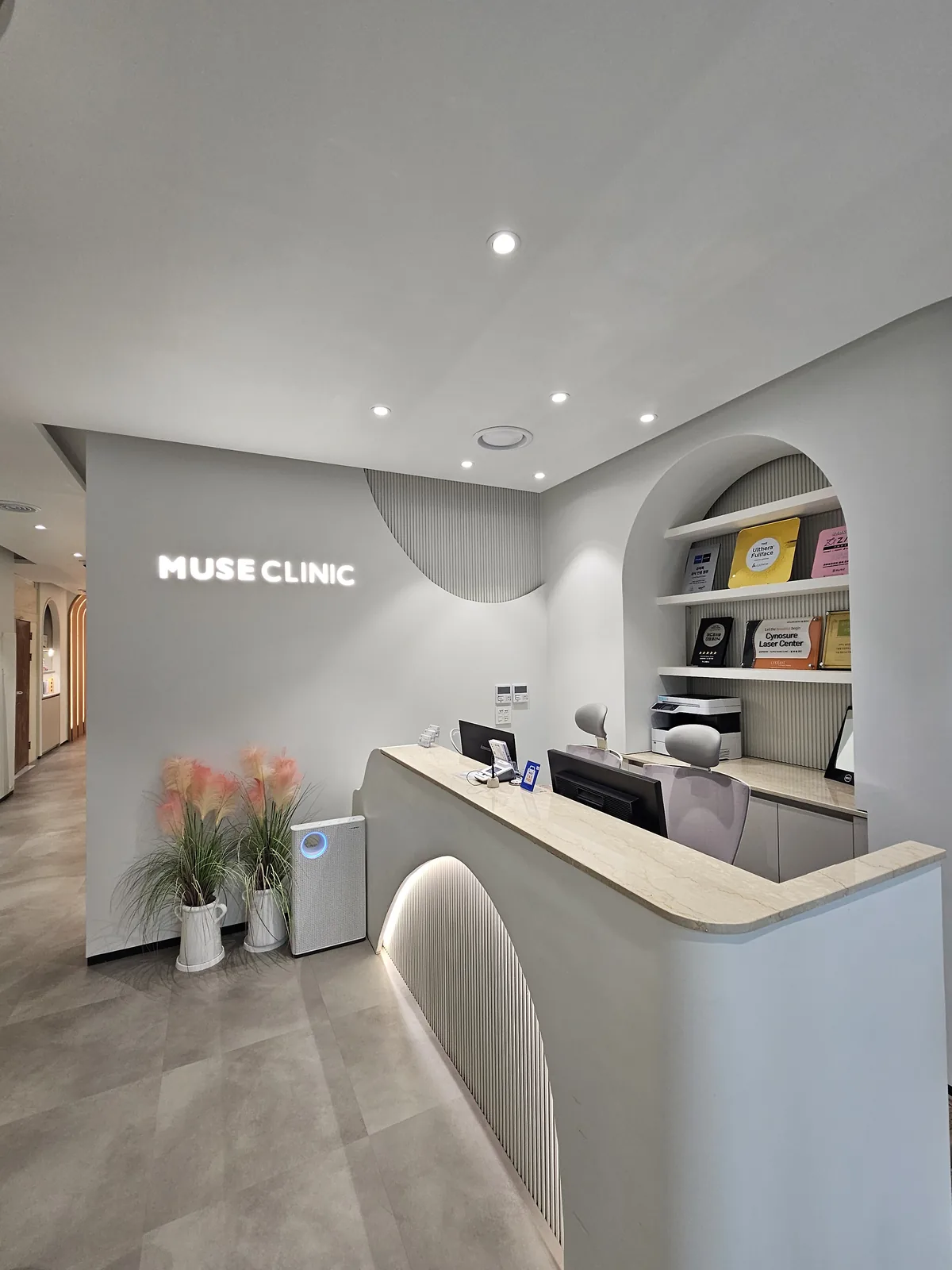
- Who examines you, and who treats you? Ask for the doctor's name and look up their profile. Here, a counselor talks with you first, then I examine you and treat you; my training and memberships are on my doctor profile.
- Is the device named, and is the price published? RF microneedling covers several machines. Potenza is listed by name on our Potenza treatment page, all 77 menu prices are on the site, and international patients use the same price list as Korean patients.
- Will you follow the consent conversation? You need to understand what's said about depth, risks and aftercare. English, Japanese and Chinese interpreters are in the clinic, and the interpreter stays with you from consultation through treatment.
- Does the plan match your calendar? Ask how many sessions the plan assumes and how far apart. If the answer is about three, 3 to 4 weeks apart, check it against the months you'll actually be in Korea.
- What do you leave with? Ask for the aftercare instructions and keep the treatment name and date with your records, so a doctor near home knows what was done if something comes up later.
The last point matters more for foreign patients than any rating. Most problems after microneedling show up in the days and weeks after the session, and by then you may be in another city or another country.
How often do redness and darkening happen, and who should wait?
Expect your face to be red, warm and a little swollen for one to three days, with pinpoint marks that fade over a similar stretch. Skin often feels dry and tight for most of the first week. A few small bumps or breakouts sometimes appear as the skin recovers, and they usually settle on their own.
Less often, the skin darkens in patches once the redness fades. This is postinflammatory hyperpigmentation, and DermNet notes it is more common in medium and darker skin tones and can follow any inflammation or injury to the skin. It usually fades over months, faster with strict sun protection. Rarely, infection, prolonged redness or scarring can follow, more so when treated skin is picked at or exposed to harsh products too soon.
As general medicine, these are reasons to wait or skip RF microneedling for now:
- active inflamed acne, infection or a cold sore flare in the area
- isotretinoin taken recently; many doctors wait several months after the last dose
- pregnancy or breastfeeding
- a tendency to form keloid or raised scars
- a pacemaker or other implanted electronic device, since the treatment uses radiofrequency energy
- a fresh sunburn, or a laser or peel on the same area within the past few weeks
Scar type, skin thickness and how well you keep the sun off between sessions all shape the outcome, and results vary from one person to the next. Deep icepick scars usually soften less than shallow rolling ones.
If darkening, a spreading rash, pus or worsening pain appears once you're back home or away from Seoul, see a local doctor or dermatologist and show them the treatment name and the date. Keep your window-light photos too; they show a doctor exactly how the skin looked at each step.
What decides the cost of a Potenza course?
With Potenza, you're budgeting for a course, so a single-session figure only tells you part of it. What moves the total for you:
- Number of sessions. About three is typical, and that is what to plan for.
- Area. Cheeks only, the full face, or the full face plus the neck.
- Whether another treatment sits alongside. Tethered scars are often released with subcision; Air Subcision is on our menu.
- Trips to Seoul. If you don't live within a train ride, the travel for each session is part of your real cost.
The per-session breakdown sits in our post on Potenza RF microneedling cost in Korea. For your own case, message on WhatsApp with the area you want treated and how many sessions you could fit, and ask what that course would cost. The deposit and payment method are agreed after your consultation, so ask about them in the same message.
When Potenza isn't the tool for what bothers you
Microneedling works on texture: scars, enlarged pores, fine crepey lines. If what bothers you more is sagging along the jaw or cheeks, lifting devices that deliver heat deeper usually do more, and the skin tightening options we offer in Seoul cover those. For laxity that needs a physical lift, thread lifting in Seoul is the other route.
Deep scars tied down to the tissue beneath often need that tether released before new collagen can fill them, which is why subcision and microneedling are so often discussed together. The American Academy of Dermatology lists both among acne scar treatments, and our guide to acne scar treatment costs in Seoul walks through how they combine.
If you still have active breakouts, those come first, because inflamed skin isn't ready for needling. Scaling Skin on our menu removes sebum after thorough disinfection, which is the clinic version of the squeezing you shouldn't do at home. Which areas, how deep and how many sessions are settled at the consultation in Myeongdong.
If you'll be in Korea for the next few months, message on WhatsApp with two photos of your scars taken by a window, one from each side, plus a single question: can Potenza reach my scar type, or do I need another step first? When you come, I'll look at your scars under side light, because rolling, boxcar and icepick scars respond to needles and heat in different ways, and that shapes the plan we agree on.
Questions people ask
Before you message us
Seoul Potenza microneedling reviews often mention a sunburned feeling. How long does it last?
For most people the heat and redness are strongest the first evening and ease over one to three days. A cool compress, a plain moisturizer and skipping hot showers, saunas and workouts for the first day or two usually help. Redness that is spreading or getting worse after day three is not the usual pattern and is worth a doctor's look.
Can I wear makeup the day after a session?
Many doctors ask you to keep makeup off for about a day, until the pinpoint channels have closed, and then to put sunscreen on first. If you have a dinner or photos planned, book the session at least two days earlier. Ask for the specific aftercare at your appointment, because it depends on how deep the treatment went.
Is it fine to fly a day or two after Potenza?
Flying doesn't interfere with healing, so a flight a day or two later is generally fine. Cabin air is dry, so carry a plain moisturizer, skip makeup on the plane and use sunscreen if you sit by the window. On a short trip the bigger issue is the course: one session before flying home rarely does much on its own.
Does Potenza help enlarged pores as well as acne scars?
It can improve texture and firmness, which often makes pores look smaller. Enlarged pores are hard to shrink, though, so stopping the habits that stretch them matters: hands off your face, no squeezing breakouts at home and fewer nose strips. If pores are your main concern rather than scars, the Pore Injection on our menu is the other option to ask about.
Results and maintenance period vary by individual. Every procedure carries the possibility of side effects, which are explained before you agree to treatment. Prices exclude 10% VAT and event prices may change. This article is general information from the clinic and is not a diagnosis; suitability is decided at the consultation.
Written by
Dr. Sarang Lim
Head Doctor · Muse Clinic Myeongdong
- Education & training
- Graduated, Inje University College of Medicine · Residency training, Paik Medical Center (Inje University) · Sungkyunkwan University Graduate School, Master's degree · Indiana University Kelley School of Business
- Advisory & certification
- Cynosure — Certified laser center · Juvéderm — Advisory doctor · QT Fill — Advisory doctor · Olidia — Advisory doctor · Galderma Sculptra — Advisory doctor · Merz — Advisory doctor · Jeisys — Advisory doctor · NOVA Thread — Advisory doctor
- Academic societies (full member)
- Korean Academy of Aesthetic Plastic & Laser Medicine · Korean Society of Aesthetic Surgery · Korean Society of Obesity Research Medicine · Korean Society of Obesity & Aesthetic Medicine · Korean Society of Anti-Aging Medicine