Fillers & Volume
Need a Korea Filler Expert? Cost, Reviews, Methods
Choosing a Korea filler expert? Dr. Sarang Lim explains danger zones, cost factors, what reviews get wrong, when to skip filler and what to send on…
 Dr. Sarang LimHead Doctor, Muse Clinic Myeongdong · 11 min readMedically reviewed by Sarang Lim, M.D., Head Doctor · Edited by: Sarang Lim, M.D.

In this article
- 01What makes a Korea filler expert worth trusting?
- 02Questions to ask any clinic before the needle goes in
- 03Methods: matching the filler type to the area
- 04When I'd tell you not to have filler this trip
- 05What filler reviews and “gone wrong” threads get right and wrong
- 06What decides the cost of filler for your case
- 07Your filler visit in Myeongdong
Worried that choosing a Korea filler expert from a few Instagram clips could leave you with lumpy lips, or with something worse?
Read this before you book a filler slot between sightseeing days.
Hello, I'm Sarang Lim, M.D., Head Doctor.
You'll learn what decides the cost, which claims in filler reviews hold up, which methods suit which part of the face, and the few situations where I'd tell you to skip filler this trip. With that, you can choose an approach that fits your face and your budget.
Hello, I'm Dr. Sarang Lim, Head Doctor at Muse Clinic Myeongdong, and an advisory doctor for Juvéderm and Galderma Sculptra.
At Muse, a one-to-one consultation with an interpreter comes first, and then I plan and perform the treatment myself. We use genuine product at the correct dose. There's no filler retouching, and whatever remains in an opened syringe is discarded. Foreign patients pay the same prices as Korean locals.
I wrote this because most people judge an injector by photos, while the things that actually protect you are how that doctor handles anatomy, product choice and the word no.
A Korea filler expert is a licensed doctor who examines your face before injecting, tells you which product and how many cc go where, knows where the blood vessels run, and refuses a request that isn't safe for you. You can check every one of those points at any clinic, mine included.
If you already have filler somewhere on your face, send a WhatsApp message with one front photo, the area you're thinking about, and the product and date of your last injection if you remember them. Your first question can be as short as “is this a sensible area to start with?”
What makes a Korea filler expert worth trusting?
Filler is a medical device placed under the skin, and the most useful thing an experienced injector brings is a mental map. Arteries in the face run along fairly predictable paths: between the brows, along the side of the nose, across the forehead and through the temples. The U.S. Food and Drug Administration lists accidental injection into a blood vessel among the serious risks of dermal fillers, with possible skin damage, vision problems and, rarely, blindness or stroke.
Risks and side effects to know
That risk is highest in the areas people search for most: nose filler, forehead filler and temple filler. So when I think about whether someone injects filler well, results photos come last. Three questions come first.
Do they examine the area and ask about past filler, surgery and medical history? Do they name the product and the amount before they start? And can they tell you what happens if blood supply is blocked during or after the injection?
That last question matters because most hyaluronic acid (HA) fillers can be broken down with an enzyme called hyaluronidase. Calcium hydroxylapatite and poly-L-lactic acid products can't be dissolved that way. For me, that difference weighs heavily when I choose a product for an area close to a major vessel.
Questions to ask any clinic before the needle goes in
You don't need medical training to vet an injector. You need six questions and the patience to wait for clear answers.
- 01Who injects me, and do I meet that doctor first? At Muse, the consultation comes first and I plan and perform the treatment one-to-one.
- 02Which product, how many cc, and in which area? Save the answer in your phone's notes. A doctor at home will want it if you ever need care there.
- 03Is the syringe opened for me, and what happens to the rest? Our rule is no filler retouching, and the remaining amount is discarded.
- 04Is hyaluronidase available on site, and who treats a suspected vascular problem? Ask this at any clinic, including mine, and listen for a direct answer.
- 05How is pain managed? Here, anesthetic cream goes on before treatment, and the filler itself contains an anesthetic.
- 06Will someone translate the whole time? English, Japanese and Chinese interpreters are in our clinic, and someone stays with you from consultation through treatment.
If a clinic answers questions 2 and 4 vaguely, that tells you more than any number of glossy photos.
Methods: matching the filler type to the area
The American Academy of Dermatology describes fillers as a family of different materials, and how each one behaves matters more than its brand name. These are the types on my menu that people ask about most.
| Filler type | Typical use | Dissolvable? |
|---|---|---|
| Hyaluronic acid (Juvéderm, pure HA filler) | Lips, chin, nose, under-eyes, folds | Yes, with hyaluronidase |
| Radiesse (calcium hydroxylapatite) | Deeper structure and contour | No |
| Sculptra (poly-L-lactic acid) | Gradual volume through collagen, over sessions | No |
Juvéderm, which I use, is a hyaluronic acid filler approved by Korea's MFDS and the US FDA.
Two searches deserve plain answers. Filler in the temples to lift the eyes: temple filler restores a hollow that can make the brow tail look heavy. The eye area may look more open, but filler doesn't lift a drooping eyelid. Filler in the cheeks to lift jowls: well-placed cheek support can soften early jowling. Once the skin has really loosened, though, adding volume tends to make the lower face heavier. Years of that is how “filler face,” or pillow face, develops.
Lip filler shape ideas work best when they start from the lip you already have. If the corners turn down, the cause is often a muscle pulling them, and a mouth-corner lift injection for the smile line may suit you better than more volume. When several areas are on your list, it helps to see how filler is planned area by area for facial balancing before deciding what to do first.
An example of how I'd reason
Say you're 26, teaching English in Korea, with a long weekend in Seoul and a firm budget. Your upper lip is thin and your temples look hollow in photos, and you'd like both done on Saturday.
I'd lean toward one area this visit, chosen by what bothers you most in the mirror. Lips swell visibly for the first few days, so you can't judge the shape properly until that settles. Temples sit near vessels and deserve their own unhurried appointment. Doing both on one day doubles the swelling and makes it harder to tell which change you actually like.
When I'd tell you not to have filler this trip
In short, this is the section I'd want a friend to read twice.
What's common. Swelling, bruising and tenderness at the injection points are usual and typically settle over several days to two weeks. Lips swell the most and can look larger and uneven for the first two or three days.
Lumps and lip filler nodules. Small lumps felt in the first days are often swelling or product that hasn't settled yet. A firm lump that stays for weeks, or one that becomes red and tender, needs a doctor to examine it. HA lumps can usually be dissolved.
Vascular occlusion. This is the rare complication behind most “lip filler gone wrong” stories that end in hospital. Warning signs include skin turning pale or white, then dusky or blotchy, pain much stronger than expected, or any change in vision. Treat it as an emergency, wherever you are, and don't wait until you're home.
Who should wait or skip it. As general medicine, filler usually isn't advised when there's:
- a cold sore, infection or active breakout at the injection site
- pregnancy or breastfeeding
- a known allergy to the filler's ingredients or to lidocaine
- a bleeding disorder or blood-thinning medicine you haven't discussed with a doctor
- existing filler in the same area that nobody has assessed yet
I'd also slow down if your goal is a big change in one visit. Results vary from person to person, and so does how long filler lasts, so a dramatic one-day plan carries the most risk of looking overfilled once the swelling settles.
After you fly home. The CDC's medical tourism guidance suggests keeping copies of your records and arranging follow-up care before you travel. For filler, that means the product name, the amount and the area, plus a local doctor you could see if a lump or infection shows up later.
If you want a lot of change from a single visit, I'd rather disappoint you in the consultation room than have you unhappy on day three. Filler adds weight to tissue. A face that looks fine with less product usually ages better than one that has been filled to the edge.
If anything on that list applies to you, or you're unsure, mention it in your first WhatsApp message with a side photo taken in daylight. Add the one question you'd most want answered before you sit in the chair.
What filler reviews and “gone wrong” threads get right and wrong
Review threads are useful, but they mix sound points with myths.
“Lip filler gone wrong always means a bad injector.” Partly true. Placement and amount matter a great deal. But lips in the first 72 hours can look worse than they will a week later, and some reactions happen even with careful technique.
“Korean clinics use less product.” The amount is a decision for each face and each request, not a national style. Ask for the cc number rather than assuming.
“Filler lasts six months.” How long it lasts is set by the product, the area and how fast your body breaks down hyaluronic acid. A single number for everyone doesn't hold.
“You can't tell whether the product is genuine.” You can ask to see the box and the sealed syringe before treatment. Genuine product at the correct dose is the first rule I work by.
What decides the cost of filler for your case
Five things move the figure:
- The material. HA filler, calcium hydroxylapatite and a collagen stimulator are priced differently, and premium brands differ from Korean pure HA filler.
- How many cc. Lips may need much less than a chin or forehead.
- The area. Nose, earlobe and forehead are listed separately on my menu.
- Combinations. Some areas pair filler with another injection, such as chin filler with an anti-wrinkle injection.
- Sessions and days in Seoul. A collagen stimulator works over more than one session, which matters if you only have one trip.
Foreign patients pay the same prices as locals, and listed prices exclude VAT. The final plan and price are decided with me at your consultation. To see how menu prices are set out, read our published Korean filler price list or the post on how lip filler pricing works in Korea.
To get a figure for your own face, ask on WhatsApp what it would cost for your case, with a photo of the area and the number of days you'll be in Seoul.
Your filler visit in Myeongdong
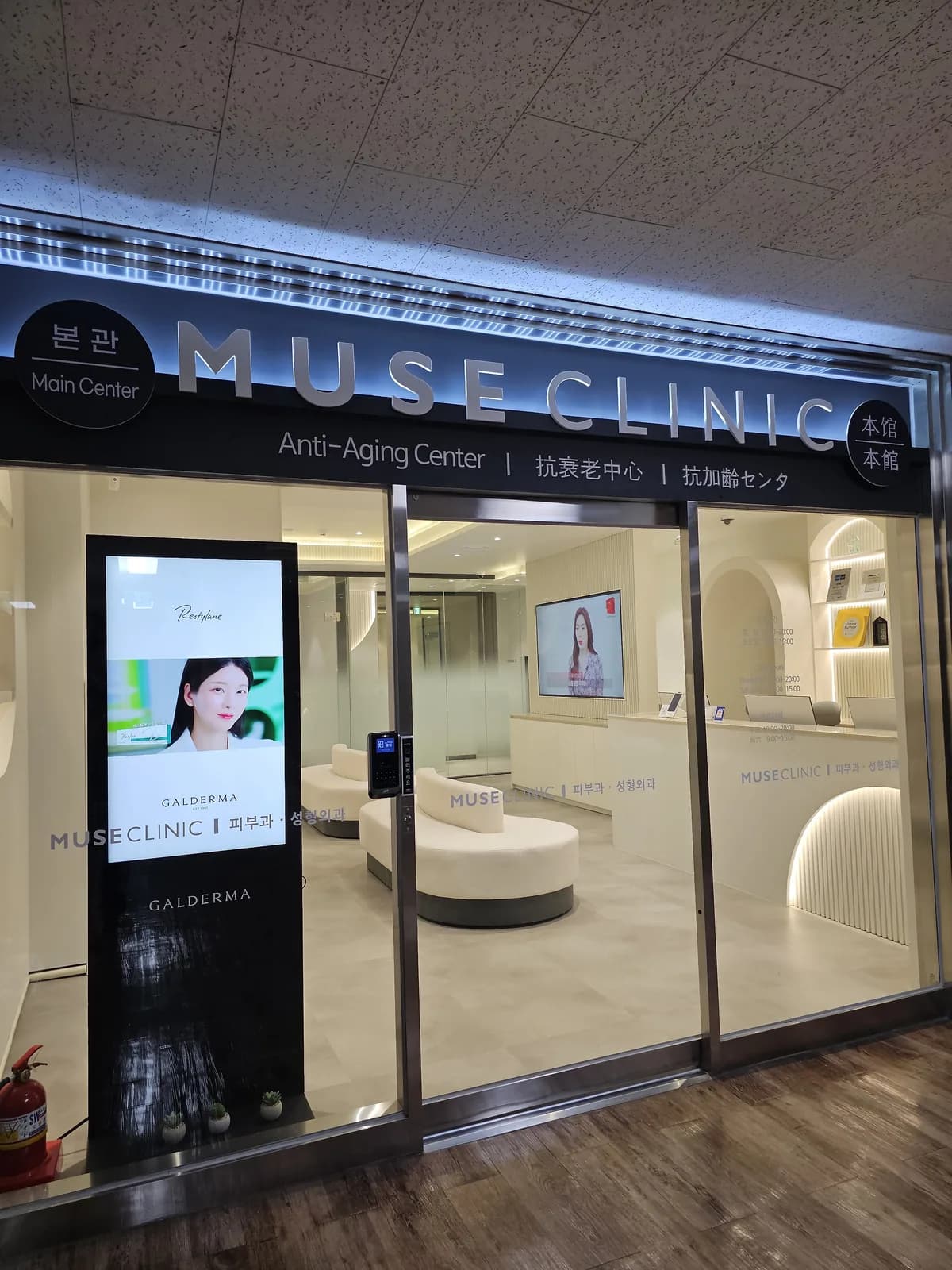
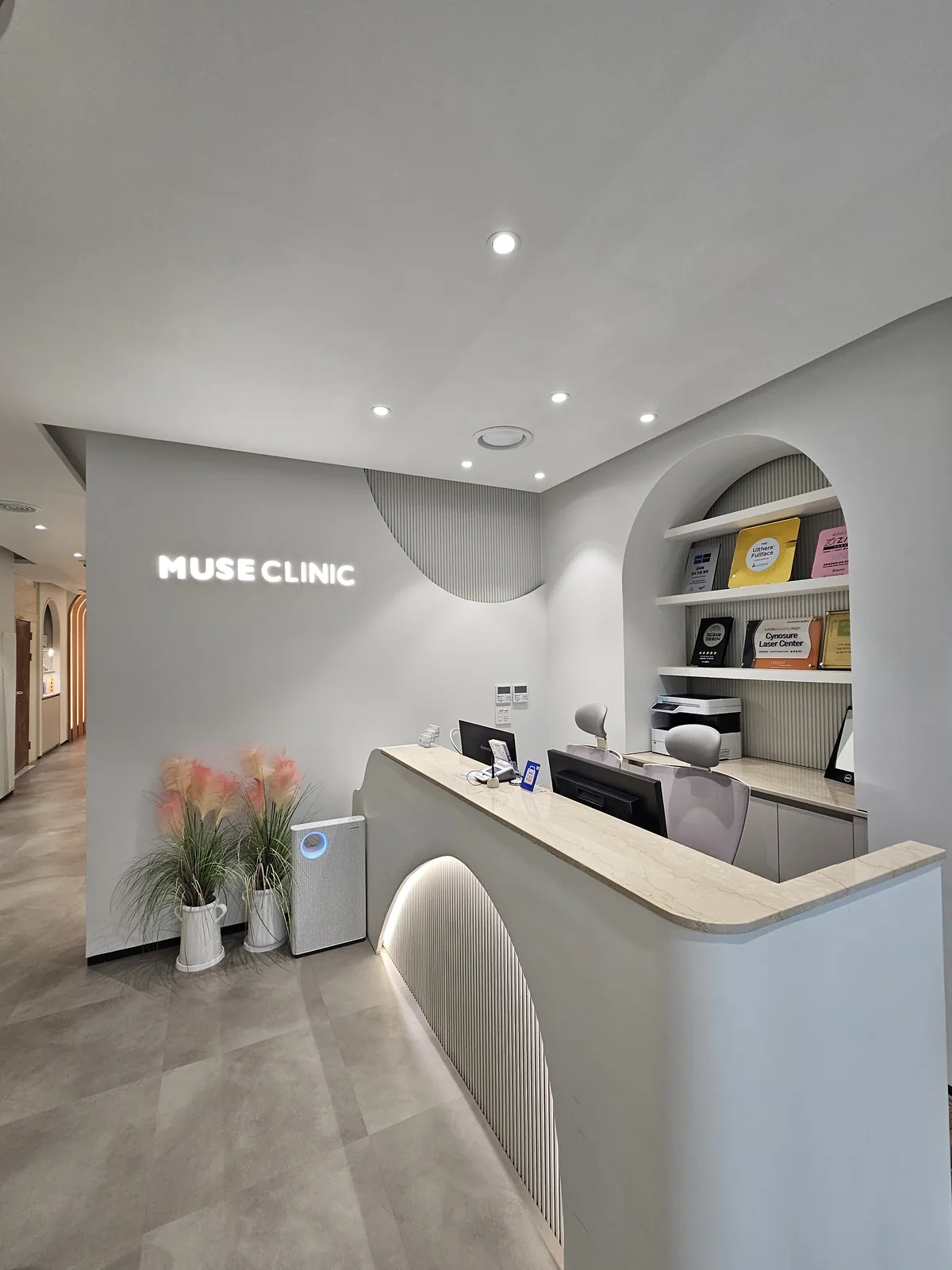
We're on the 3rd floor of Korea Daeyungak Tower, a 1-minute walk from Myeongdong Station Exit 5 on Line 4, across from Shinsegae Department Store. Hours are Monday to Friday 10:00 AM to 8:00 PM, and Saturday and Sunday 9:00 AM to 3:00 PM, which helps if you only have a weekend.
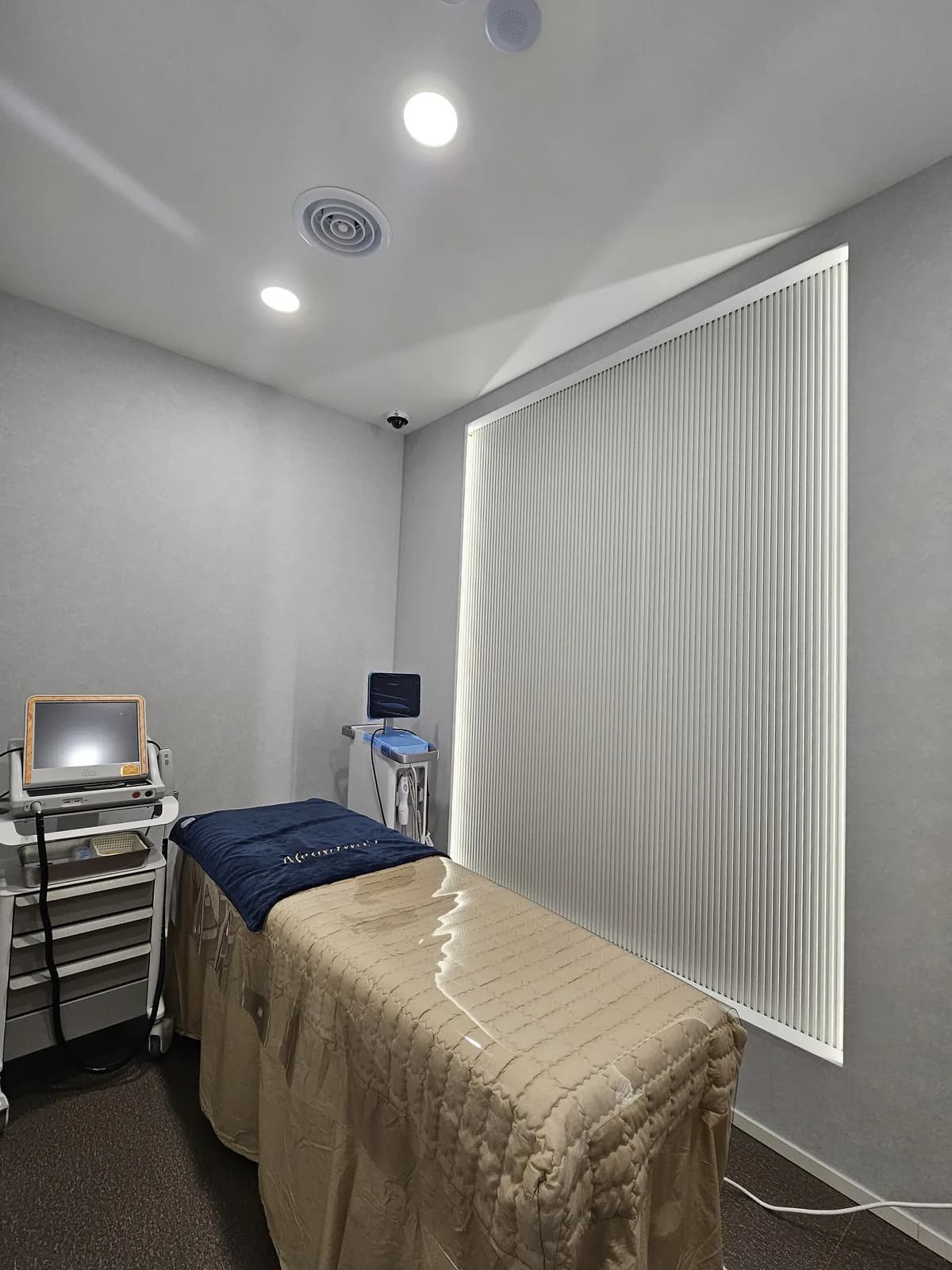
The visit follows four steps: a one-on-one consultation with an interpreter, anesthetic cream, the design, then the injection. The injection itself takes about 10 minutes for 1cc of facial filler. After lip filler, you can usually eat again two to three hours later, so a late lunch works better than an early one.
Try not to make filler the last thing you do before the airport. Give yourself a day or two in Seoul afterward, so swelling has started to settle and you've seen your lips or temples in normal light before you leave.
One front photo in daylight is enough to start. Send it on WhatsApp with the area you have in mind and the question that has kept you from booking; you can ask before booking anything. When you come in, I'll examine your face with you and recommend the product and amount that fit.
Questions people ask
Before you message us
Is nose filler riskier than lip filler?
As general medicine, yes. The skin over the nose is thin and the arteries there connect to vessels that supply the eye, which is why the FDA lists blood-vessel injection among the serious risks of fillers. That doesn't make nose filler off-limits, but it raises the bar: a careful exam, a dissolvable HA product in most cases, and a clear plan for what happens if blood supply is affected.
Can temple filler really lift my eyes?
Temple filler fills a hollow at the side of the forehead. When that hollow makes the brow tail look heavy, filling it can make the eye area look more open. It doesn't lift a drooping eyelid or excess lid skin, though. Temples also sit close to vessels, so ask the injector which layer they plan to inject and which product they would use there.
How soon can I fly after filler?
Filler isn't usually a reason to avoid flying, but you'll be more comfortable if the first swelling has started to settle. A day or two in Seoul after treatment also gives you time to see the result in normal light. If you notice skin turning pale or dusky, severe pain or vision changes, get emergency care before you travel.
What is pillow face, and how do I avoid it?
Pillow face is the puffy, overfilled look that builds up when volume keeps being added, often to the cheeks, over years. Ask how much product is already in the area before adding more, keep a record of each injection, and treat loosening skin as something extra volume doesn't fix. A modest amount usually looks better over time.
Results and maintenance period vary by individual. Every procedure carries the possibility of side effects, which are explained before you agree to treatment. Prices exclude 10% VAT and event prices may change. This article is general information from the clinic and is not a diagnosis; suitability is decided at the consultation.
Written by
Dr. Sarang Lim
Head Doctor · Muse Clinic Myeongdong
- Education & training
- Graduated, Inje University College of Medicine · Residency training, Paik Medical Center (Inje University) · Sungkyunkwan University Graduate School, Master's degree · Indiana University Kelley School of Business
- Advisory & certification
- Cynosure — Certified laser center · Juvéderm — Advisory doctor · QT Fill — Advisory doctor · Olidia — Advisory doctor · Galderma Sculptra — Advisory doctor · Merz — Advisory doctor · Jeisys — Advisory doctor · NOVA Thread — Advisory doctor
- Academic societies (full member)
- Korean Academy of Aesthetic Plastic & Laser Medicine · Korean Society of Aesthetic Surgery · Korean Society of Obesity Research Medicine · Korean Society of Obesity & Aesthetic Medicine · Korean Society of Anti-Aging Medicine