Fillers & Volume
Korean dermal fillers: first 14 days in Seoul
Korean dermal fillers day by day: swelling, bruising and settling mapped onto a Seoul trip, warning signs before you fly, and how many nights to book.
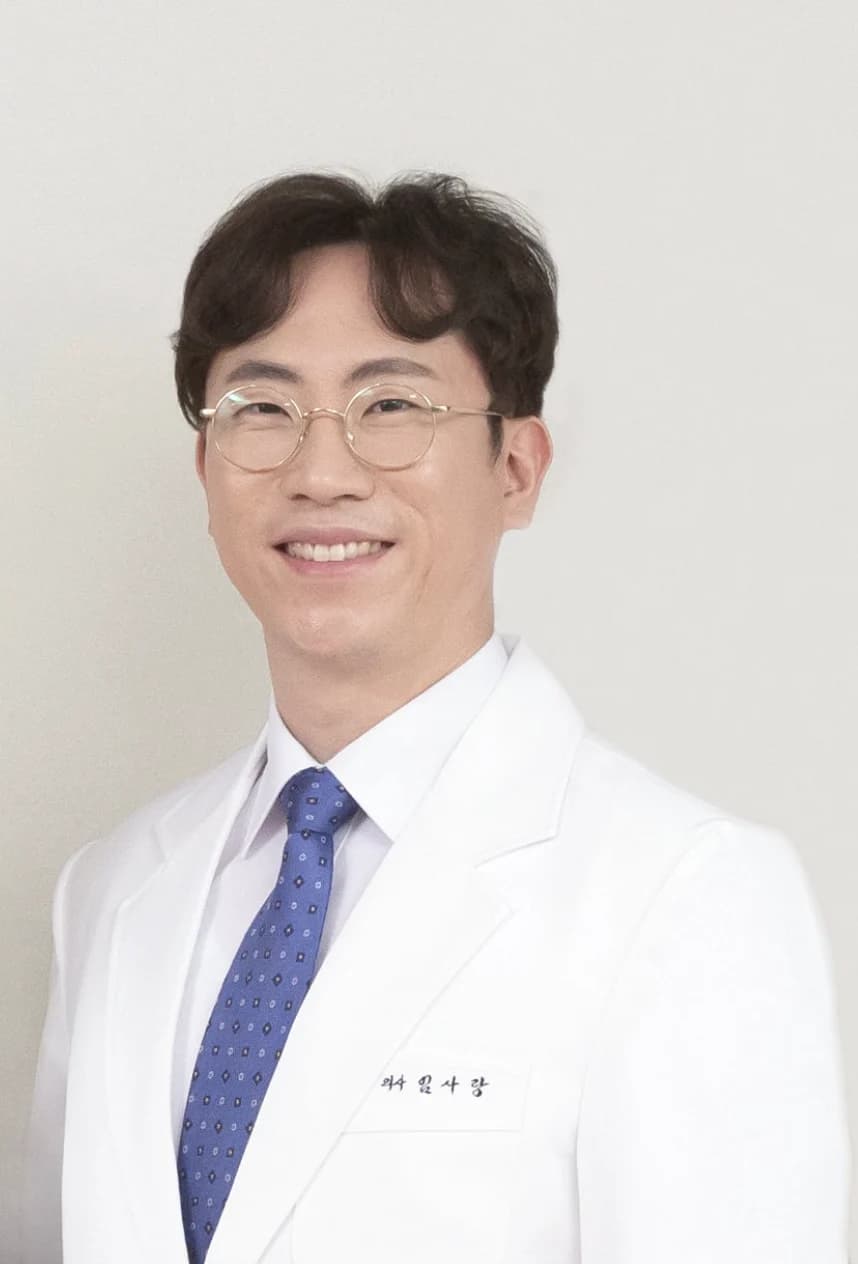 Dr. Sarang LimHead Doctor, Muse Clinic Myeongdong · 10 min readMedically reviewed by Sarang Lim, M.D., Head Doctor · Edited by: Sarang Lim, M.D.
In this article
- 01How long does swelling from Korean dermal fillers last?
- 02Four weeks before the flight: what to sort out at home
- 03Appointment day in Myeongdong
- 04Which side effects in the first 48 hours mean you should go back before flying?
- 05How many nights should the trip be?
- 06Does the area change the timeline?
- 07After you land at home
Korean dermal fillers are mostly hyaluronic acid gels injected in a short clinic visit, and the part that decides your trip is the one to two weeks afterwards, while swelling and any bruising settle. If you're worried about flying home with a swollen face, or about who checks a lump once you're back in Sydney or Chicago, put the appointment at the start of your stay and keep the last days open.
At Muse Clinic Myeongdong, English, Japanese and Chinese interpreters are in the clinic, and someone stays with you from consultation through treatment, so the aftercare instructions reach you in your own language before you leave the room.
Below is the timeline hour by hour and day by day, then how it maps onto a three-night, seven-night or fourteen-night trip.
If you already have dates, send your arrival and departure days on WhatsApp together with the area you're thinking about: under-eyes, cheeks, chin, nose or lips. Add any event you have in the two weeks after you get home, because that one detail moves the appointment earlier in the trip more than anything else.
How long does swelling from Korean dermal fillers last?
Swelling and bruising usually appear within hours of the injection, and the U.S. Food and Drug Administration notes that most of these effects resolve within days to weeks. For planning, think in three blocks: the first 48 hours, the first week, and day 14.
| When | What's common | What it means for the trip |
|---|---|---|
| First 3 hours | Numbness from the anaesthetic cream, pinpoint redness, small raised spots | For lips, the clinic's lip filler notes say eating can start 2–3 hours after |
| Evening and day 1 | Swelling is often most visible; the area is tender to touch | Keep the evening quiet; skip the sauna and heavy drinking |
| Days 2–3 | Swelling eases; a bruise, if you get one, can look darker | Still in Seoul, which is where you want to be if anything feels unusual |
| Days 4–7 | Most bruising fades or covers with concealer | Dinners and photos are usually fine |
| Days 8–14 | The gel settles into the tissue | The point at which the shape can be judged fairly |
The American Academy of Dermatology notes that people can return to everyday activities immediately after most fillers. That holds for walking around Myeongdong the same afternoon. The margin you need is for your face in close-up photos and for a long-haul flight, where you're far from the doctor who injected you.
The clinic's facial filler notes add one more number that matters to travellers: moulding, a massage that reshapes filler that has set unevenly, is generally advised within two weeks, because it gets harder once the gel has settled into the skin. That is the main reason fourteen days shows up in the trip shapes further down.
Four weeks before the flight: what to sort out at home
Most of what makes recovery smoother happens before you board. The FDA lists what to raise with whoever injects you: a bleeding disorder, active skin inflammation or infection, severe allergies or past anaphylaxis, and allergies to lidocaine, collagen, eggs, animal products or bacteria-derived materials.
Make a short note on your phone with the medicines and supplements you take, including aspirin or fish oil. Don't stop a prescribed medicine on your own; ask the doctor who prescribed it. If a cold sore or a skin flare is active near the area, it's worth moving the date.
Decide on one or two areas rather than a list. The filler menu here states that there is no filler retouching at the clinic and any remaining amount is discarded, so leftover gel isn't kept for a second visit later in your trip. Plan as if what is injected on the day is the whole treatment for this stay.
If you want to read how different areas are usually approached first, the post on which filler goes where on the face walks through it, and the list of filler options on the Seoul menu shows the products by name.
Appointment day in Myeongdong
The appointment itself is short. The clinic's facial filler page lists about 10 minutes of injecting for 1cc, inside four steps: a 1:1 consultation, anaesthetic cream, design, then the injections. Many fillers also contain an anaesthetic in the gel.
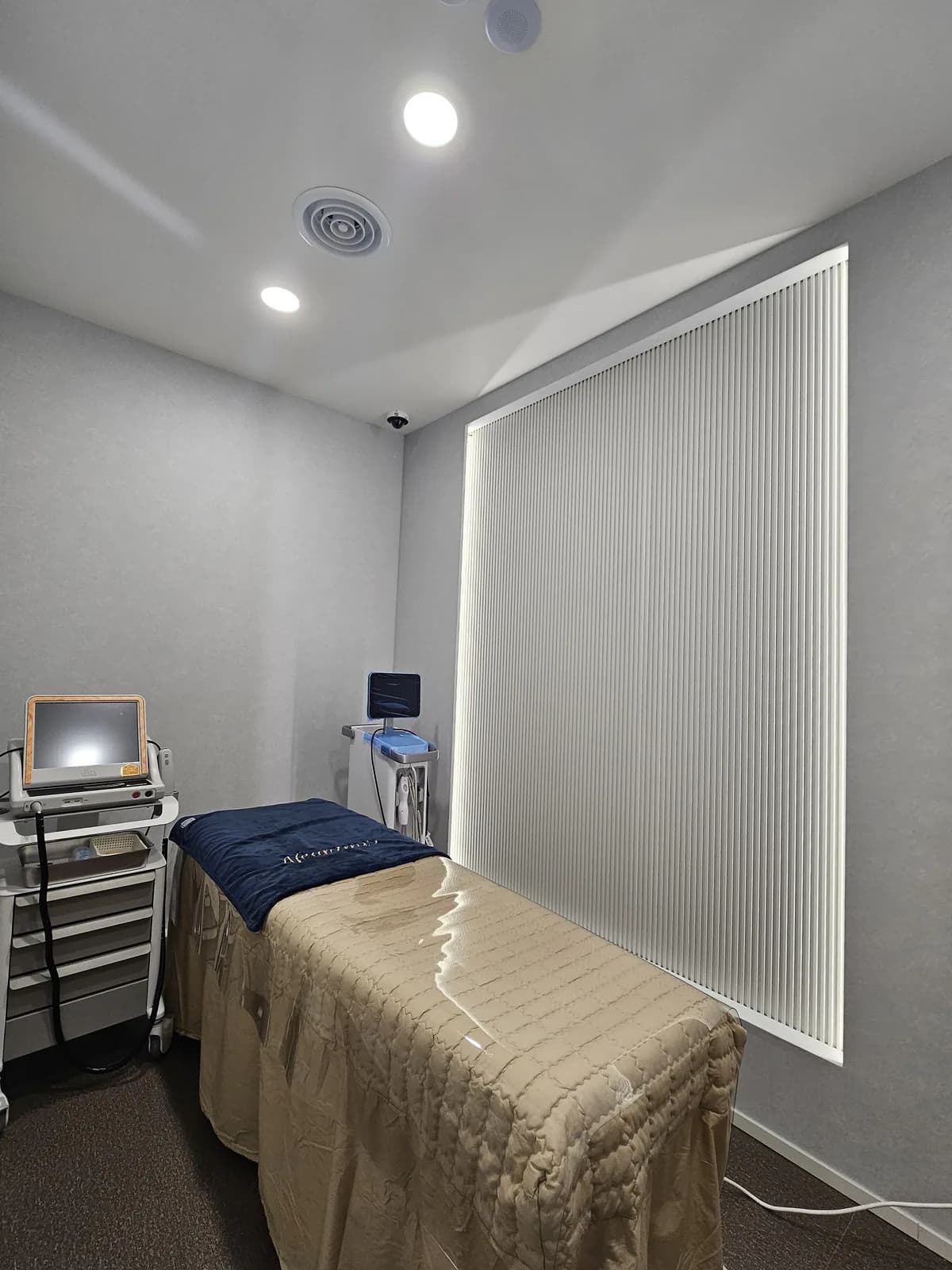
The clinic is on the 3rd floor of Korea Daeyungak Tower, a 1-minute walk from Exit 5 of Myeongdong Station on Line 4, across from Shinsegae Department Store. Hours are 10:00 AM to 8:00 PM on weekdays and 9:00 AM to 3:00 PM on Saturdays and Sundays. If you land on a Friday evening, a Saturday morning appointment gives you the whole weekend to watch how the area behaves.
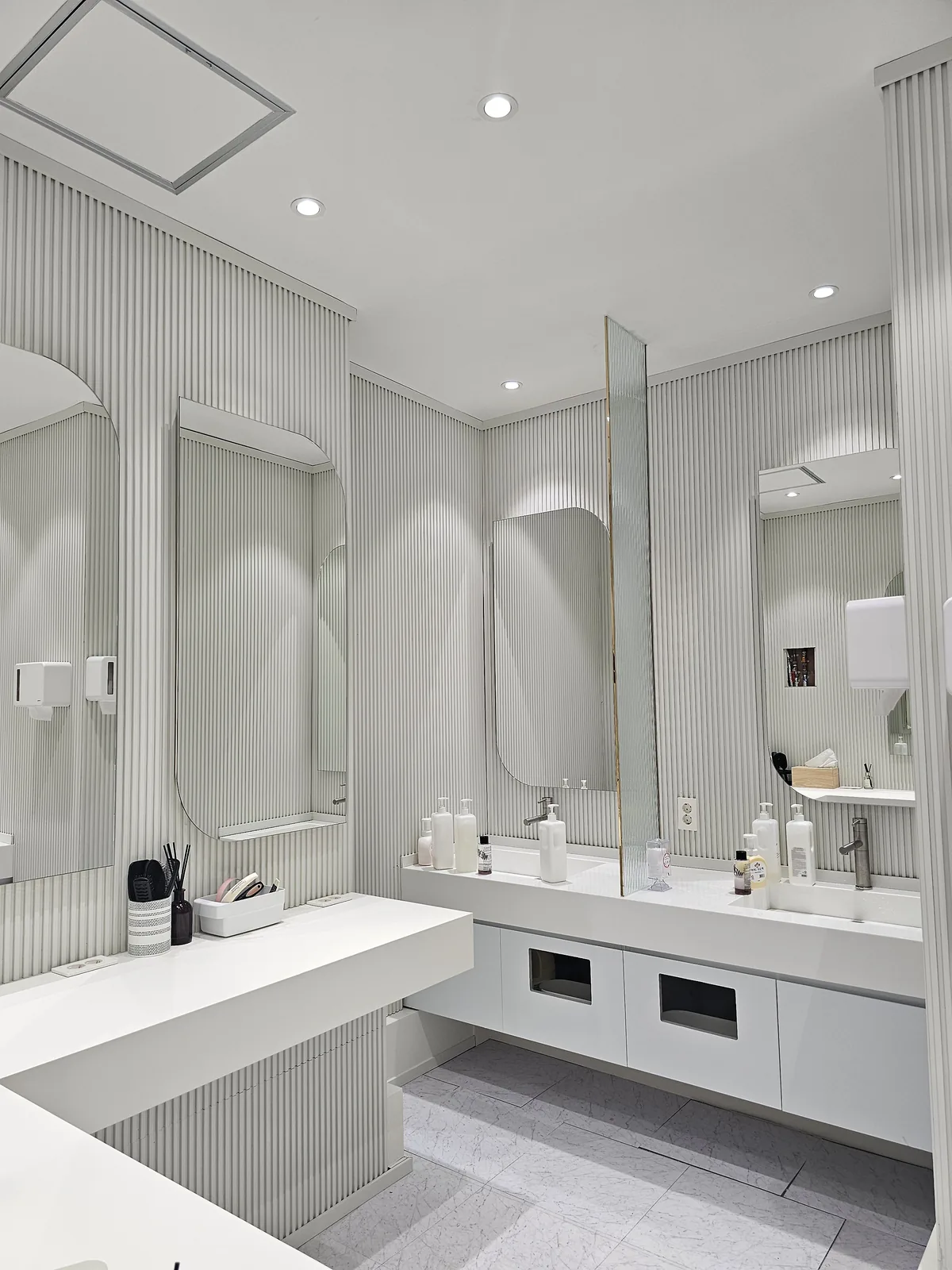
Ask which product is going in, and write its name, the area and the amount on your phone before you leave.
The Juvéderm option on the menu is described on the clinic's page as a hyaluronic acid filler approved by MFDS and FDA, which makes it easy to look up later with a doctor at home. I am listed as an advisory doctor for Juvéderm and a member of the Korean Academy of Aesthetic Plastic & Laser Medicine; the full list is on the doctor page.
Which side effects in the first 48 hours mean you should go back before flying?
Unusual pain, any change in vision, or skin near the injection that turns white, grey or blue needs immediate medical attention, according to the FDA. These signs point to filler inside a blood vessel. The FDA describes that as uncommon, with complications that can include tissue death, vision problems including blindness, and stroke.
What's ordinary looks different. Even swelling, mild tenderness, a small bruise and slight unevenness while one side is more swollen than the other are the usual first-days picture. What isn't ordinary is pain that gets worse instead of easing, skin that looks pale or mottled in a patch, blurred vision, facial drooping or trouble speaking. The last two are emergency signs anywhere in the world; go to the nearest emergency department.
Some effects come later. The FDA notes that side effects can appear weeks, months or years after an injection, usually as lumps or swelling. That is why the product name on your phone matters more than any receipt.
Two more points from the same FDA page. Pens that inject without a needle are not approved for fillers, and filler bought online may be counterfeit. Swelling, bruising and how the result settles differ from person to person, and results vary with the area, the product and your own tissue. Whether filler suits your face at all is decided at the in-person exam.
If something feels wrong on day two, I would much rather see it in Seoul than hear about it from a hotel near the airport. That is why, in my view, filler belongs at the start of a trip and never on the morning of the flight. A quiet first evening is worth more than any cream.
Send your departure date and the area you're considering on WhatsApp. If the gap between landing and leaving is shorter than four nights, say so in the first message: it changes which day the appointment should go, and that's easier to rethink before flights are booked.
How many nights should the trip be?
Three nights after the appointment is a workable minimum, seven is comfortable, and fourteen suits people who want the settled shape seen before they leave Korea.
Three nights after. This covers the first 48 hours, the window in which the warning signs above usually show. Example: land Friday evening, appointment Saturday morning, fly Tuesday. You'll likely still have some swelling on the plane, so it fits people with no event right after they get home.
Seven nights after. Most bruising has faded by the end of the week, so this suits anyone flying back to work meetings or family photos. It also leaves room to return to the clinic during the stay if something feels off.
Fourteen nights after. This lines up with the two-week moulding window in the clinic's own notes. It suits a first-time filler patient, an under-eye treatment, or an adult child arranging the visit for a parent who wants everything checked before the long flight.
The flight itself carries no special rule for most people. The practical concern is a salty airline meal, little sleep and a swollen face twelve hours from the person who injected you. Sleeping with your head slightly raised the first nights helps many people with swelling.
Does the area change the timeline?
Yes. Thin skin bruises more visibly, and some areas sit closer to important blood vessels, which is why the FDA advises talking through the risks at each injection site.
| Area | What tends to differ | Planning note |
|---|---|---|
| Under-eyes | Thin skin; bruising and puffiness show more | Lean toward the seven or fourteen-night shape |
| Lips | Swelling is obvious for the first day or two | Eating can start 2–3 hours after, per the clinic's notes |
| Cheeks and chin | Firmer gels; tenderness when chewing | Three nights is often workable |
| Nose | Area with vessels linked to the eye | Discuss the risk directly at consultation |
The under-eye, forehead and nasolabial fold option is on its own treatment page, and the nose filler page describes the design step for that area.
The related search "bad cheek fillers" usually refers to cheeks that look overfilled or puffy. Hyaluronic acid filler can generally be dissolved with an enzyme if it's in the wrong place. Collagen stimulators such as calcium hydroxylapatite and poly-L-lactic acid are a different category and can't be reversed that way, so on a short trip they call for more careful thought. The American Society of Plastic Surgeons groups these filler types separately for the same reason.
Cheeks that look heavy after filler are usually a question of amount and placement. On a short trip I lean toward less on the day: adding later is simpler than removing in a hurry before a flight.
If you'd like the conversation to start from your own face, send one front-on photo in daylight with the area you want to change marked, plus your travel dates. Those two things together are what the appointment day gets planned around.
After you land at home
The first days home are about knowing what's normal and having your notes ready. Keep the product name, area and amount on your phone, along with the date. The CDC's medical tourism advice suggests carrying copies of your treatment records and planning follow-up care at home before you travel.
If a firm lump or new swelling appears weeks later, a local dermatologist can examine it with that note in hand; hyaluronic acid products like the ones described above are widely known to doctors outside Korea. For unusual pain, vision changes or skin colour changes, don't wait for a reply from anyone abroad; go to emergency care where you are.
You can browse the full treatment menu before deciding on an area.
If the only thing holding you back is the flight home, send that question on WhatsApp exactly as you'd ask it, with your flight date and the area you have in mind. Those two details are enough to work out which day of the trip the appointment fits, or whether this trip is too short for it.
Questions people ask
Before you message us
Can I fly the day after getting dermal filler in Korea?
Many people physically can, since most fillers let you return to everyday activities straight away. The concern is distance: the first 48 hours are when rare warning signs such as unusual pain or skin colour changes tend to appear, and you'd want to be near the clinic then. Leaving at least three nights between the appointment and the flight is a practical buffer.
Is my last day in Seoul a good day for filler?
It's the day to avoid. Swelling is often most visible on the evening of the injection and the following day, and you'd be on a plane during the window when an unusual reaction should be checked in person. Booking filler on your first or second day leaves time to rest, return if needed, and fly home with the swelling already easing.
Are Korean dermal fillers different from the ones used at home?
Most are hyaluronic acid gels, the same basic material used in North America, Europe and Australia, sold under different product names. What matters is knowing exactly which product you received. Ask for the name on the day and save it with the area and amount, so a doctor at home can look it up if you ever need follow-up care.
I'm arranging filler for my mother. Does she need to bring someone who speaks Korean?
At Muse Clinic Myeongdong, English, Japanese and Chinese interpreters are in the clinic, and other languages can be arranged on request. Someone stays with the patient from consultation through treatment. Coming along is still a good idea in the first 48 hours, so another person can watch for swelling or skin changes that need attention.
What should I avoid in the first days after filler?
General aftercare advice is to keep the first evening quiet: skip saunas, heavy drinking and hard workouts, and avoid pressing or massaging the area unless your doctor tells you to. Sleeping with your head slightly raised can help with swelling. Unusual pain, vision changes or pale, grey or blue skin near the injection need medical attention right away.
Results and maintenance period vary by individual. Every procedure carries the possibility of side effects, which are explained before you agree to treatment. Prices exclude 10% VAT and event prices may change. This article is general information from the clinic and is not a diagnosis; suitability is decided at the consultation.
Written by
Dr. Sarang Lim
Head Doctor · Muse Clinic Myeongdong
- Education & training
- Graduated, Inje University College of Medicine · Residency training, Paik Medical Center (Inje University) · Sungkyunkwan University Graduate School, Master's degree · Indiana University Kelley School of Business
- Advisory & certification
- Cynosure — Certified laser center · Juvéderm — Advisory doctor · QT Fill — Advisory doctor · Olidia — Advisory doctor · Galderma Sculptra — Advisory doctor · Merz — Advisory doctor · Jeisys — Advisory doctor · NOVA Thread — Advisory doctor
- Academic societies (full member)
- Korean Academy of Aesthetic Plastic & Laser Medicine · Korean Society of Aesthetic Surgery · Korean Society of Obesity Research Medicine · Korean Society of Obesity & Aesthetic Medicine · Korean Society of Anti-Aging Medicine