Fillers & Volume
Korean Fillers: Gel vs Collagen Builders
Korean fillers explained: HA gel that can be dissolved vs slow collagen builders like Sculptra, who each suits, and how to plan the trip. Send a photo.
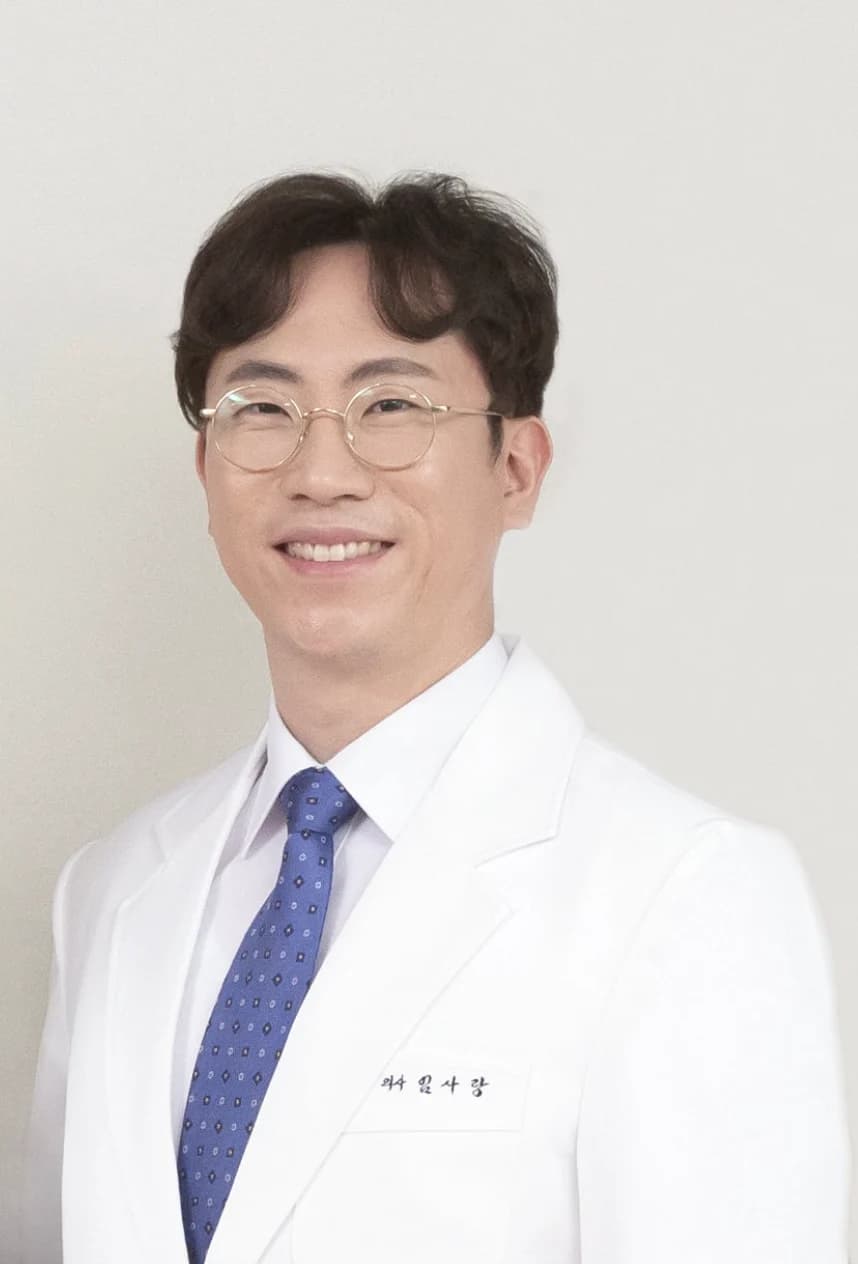 Dr. Sarang LimHead Doctor, Muse Clinic Myeongdong · 10 min readMedically reviewed by Sarang Lim, M.D., Head Doctor · Edited by: Sarang Lim, M.D.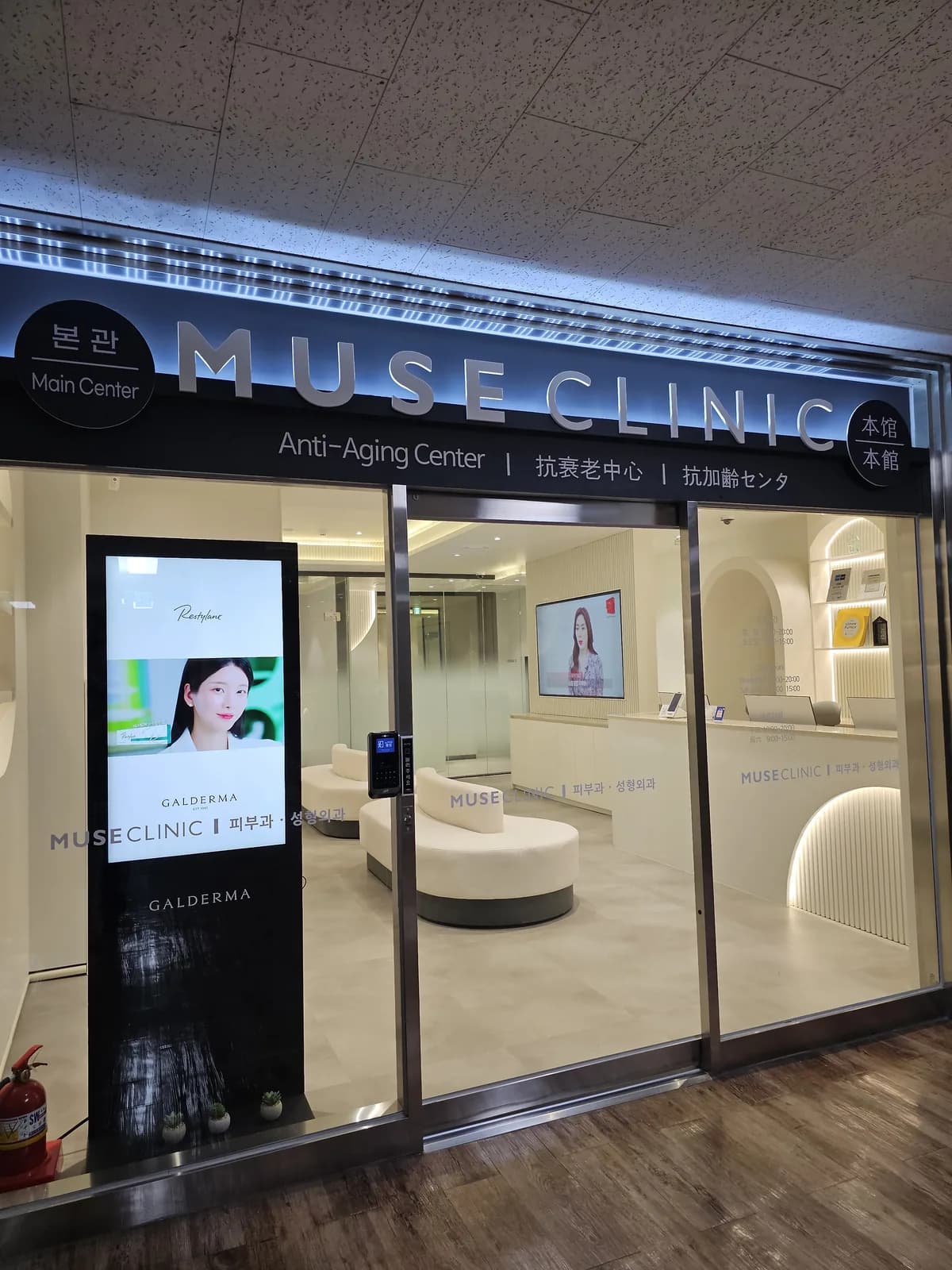
In this article
- 01Hyaluronic acid, cross-linking and other words about the gel
- 02What is a biostimulator, and why is it slow?
- 03Which Korean filler brands will you see on a menu?
- 04What happens on the day of a filler appointment?
- 05Molding, dissolving and what "bad cheek filler" usually means
- 06Who do Korean fillers suit, and when is another tool better?
- 07Fitting filler into a Seoul trip and the follow-up at home
Korean fillers are injectable materials, mostly hyaluronic acid (HA) gel plus a few slower collagen builders such as Sculptra and Radiesse, that a doctor places under the skin to add volume to the lips, cheeks, chin, nose or the hollows under the eyes. If you're flying to Seoul for them, the worry underneath is usually simple: what happens if a lump or an uneven side shows up after you're back home? That question is why the type of material matters more than the brand name or the city.
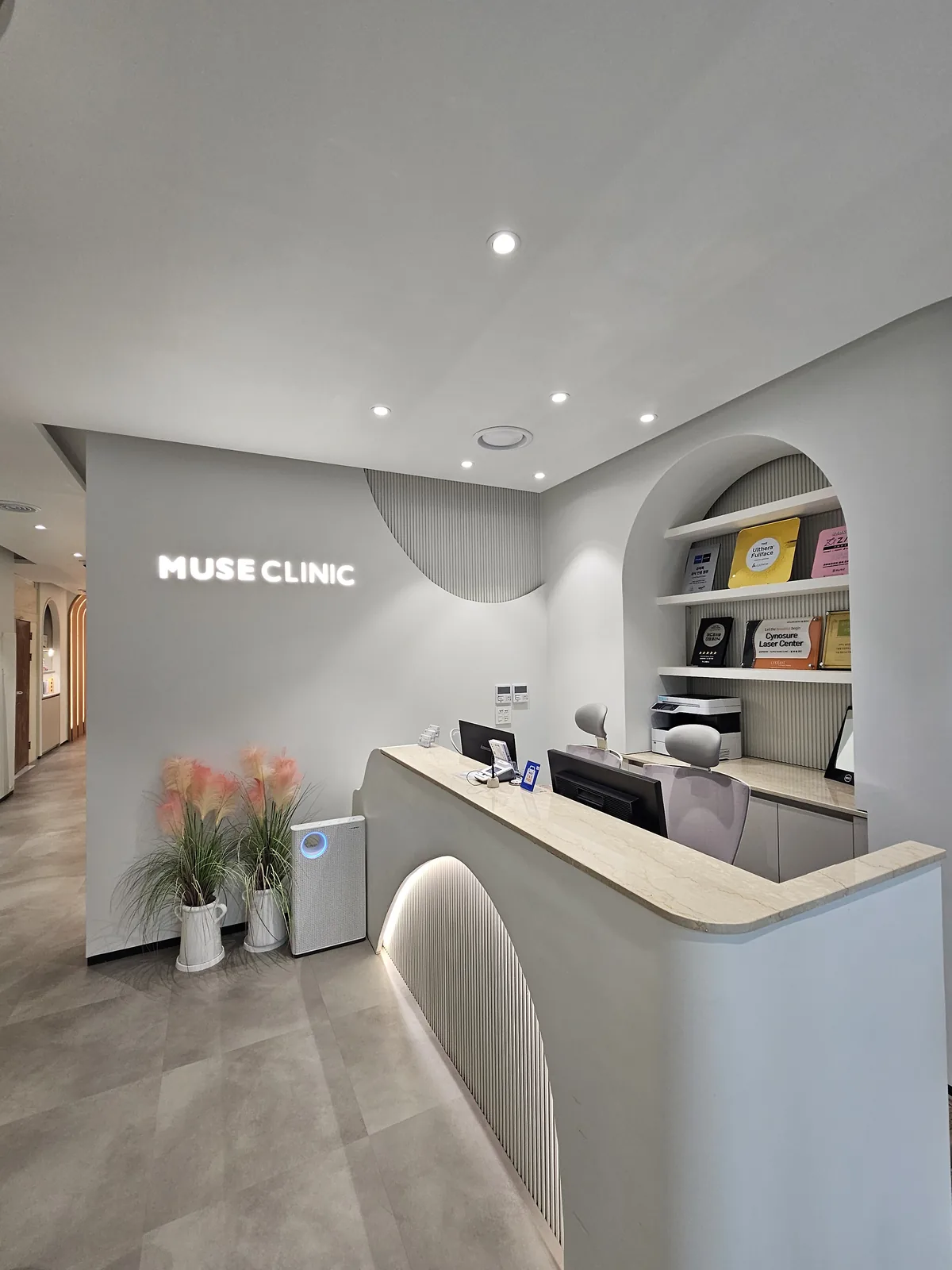
At Muse Clinic Myeongdong, English, Japanese and Chinese interpreters are in the clinic, and someone stays with you from consultation through treatment. We also don't do filler retouching with leftovers: any remaining amount from your session is discarded.
| Material | How it works | Usually considered for |
|---|---|---|
| Poly-L-lactic acid (Sculptra) | Prompts your own collagen over weeks | Gradual, broad volume loss in temples or cheeks |
| Calcium hydroxylapatite (Radiesse) | Some support at once, then collagen over time | Deeper folds and contour support |
Here's how to read your own row. If you want to see a change before your flight and keep the option of reversing it, you're in the first row. If you'd rather the change arrive slowly and you can return to Seoul for more than one session, the second and third rows are worth a conversation.
The quickest way to find your row is a photo. Send one front and one side photo of the area in daylight on WhatsApp, plus the product name of any filler you've had before.
Hyaluronic acid, cross-linking and other words about the gel
Hyaluronic acid is a sugar molecule your skin already makes. Filler versions are cross-linked, meaning the molecules are chemically bonded into a gel that lasts months instead of days. Firmer gels hold shape on the chin or nose bridge; softer ones spread more smoothly in the lips and under the eyes.
The American Society of Plastic Surgeons groups dermal filler types by material, and HA sits at the centre of that list because it's the one most people start with. A few more terms you'll hear in a Seoul consultation:
- cc. The unit filler is measured in. Most facial filler options on our menu are listed per 1cc, so the conversation about "how much" is really a conversation about how many cc go into which area.
- Pure filler. The name our menu uses for its standard HA option, a direct translation of the Korean "soon-soo" filler.
- MFDS. Korea's Ministry of Food and Drug Safety, the regulator for fillers sold in Korea. The Juvéderm on our menu is listed as an HA filler approved by both the MFDS and the U.S. FDA.
- Longevity. How long a filler stays visible. It differs by product and by how fast your own body breaks down and absorbs HA, which is why a friend's timeline rarely predicts yours.
What is a biostimulator, and why is it slow?
A biostimulator is a filler whose main job is to make your skin produce its own collagen, so the result builds over weeks instead of appearing in the chair. Sculptra (poly-L-lactic acid) and Radiesse (calcium hydroxylapatite) are the two classic examples, and both are on our menu.
The slowness is the point for some people. Someone with temples that have hollowed gradually may want a change that arrives just as gradually, without the sudden "new face" feeling a large HA volume can give. Radiesse sits in between: it gives some structure on the day and keeps working afterward.
For a traveler, slow has two downsides. You fly home before the result is visible, so any judgment about whether it worked happens with your doctor far away. And there is no enzyme that dissolves these materials the way one dissolves HA. If you've had a bad experience with filler before, that second point deserves real weight. You can read what each involves on the Sculptra treatment page and the Radiesse treatment page.
Which Korean filler brands will you see on a menu?
Clinics in Korea use both imported products and HA fillers made in Korea. On our filler menu the named products are Juvéderm, Sculptra, Radiesse and Olidia Volume, alongside the standard HA option listed as pure filler. Knowing exactly which product went into which area matters more than the logo.
People searching for the single strongest Korean filler are usually asking a different question: which one won't go wrong on my face. No product answers that alone. A soft lip gel placed in a nose bridge will spread; a firm chin gel placed in the lips will feel stiff. The match between product and area does most of the work.
So ask two things before anything is injected: the product name, and how many cc go into each area. Take a photo of the box or label if you can. That record is what a doctor at home will need if you ever want something adjusted or dissolved.
For transparency, my profile lists advisory roles with several makers, including "Juvéderm — Advisory doctor" and "Galderma Sculptra — Advisory doctor". You can see the full list, along with my training at Inje University College of Medicine and membership in the Korean Academy of Aesthetic Plastic & Laser Medicine, on the doctor page.
What happens on the day of a filler appointment?
A filler appointment on our menu runs in four steps: a 1-on-1 personal consultation, anesthetic cream, design, then the treatment itself. For facial filler, the injection takes about 10 minutes per 1cc.
- Anesthetic cream. Applied to numb the skin surface before any needle. Many HA fillers also contain an anesthetic, so the injection is less painful than people expect, though you'll still feel pressure and some stinging, especially in the lips.
- Design. The marking stage: where the filler goes, how much, and how the two sides compare. This is the moment to say "less" if you want a subtler change. With an interpreter beside you, you can say it in your own language.
- A cannula is blunt-tipped and moves through tissue with fewer entry points. The area and its blood vessels decide which one fits.
- After lip filler. You can eat again 2 to 3 hours after the treatment.
If your concern is a lip that has thinned or corners that turn down, see the lip and mouth-corner treatment page. For nose and under-eye areas there are separate pages for nose filler and under-eye, forehead and fold filler.
Molding, dissolving and what "bad cheek filler" usually means
Molding is massage the doctor uses to reshape filler that has set slightly stiff. Our menu notes it's usually recommended within two weeks, because once filler settles into the tissue it becomes hard to adjust. On a short trip, that two-week window is the planning fact most people miss.
"Bad cheek filler" usually describes one of three things: a mid-face that looks heavy or puffy, filler that seems to have moved, or a lump you can feel. The usual causes are too much volume, often added a little at a time over years, a product that's too soft or too firm for the area, or filler placed at the wrong depth.
With HA, the enzyme hyaluronidase can break the gel down, which is why HA is the more forgiving choice if you're nervous. Biostimulators can't be removed that way.
Risks and who should wait
The U.S. Food and Drug Administration's page on dermal fillers lists the common risks as bruising, redness, swelling, pain, tenderness and itching at the injection site. Less common are lumps, infection and allergic reactions. The rare serious risk is filler entering a blood vessel, which can damage skin or, in very rare cases, affect vision. Results vary with the product, the area and how quickly your body absorbs HA, and the in-person exam decides whether filler is suitable for you at all.
Filler is generally postponed if there's an active skin infection or cold sore near the area, during pregnancy or breastfeeding, or if you take medicines that increase bleeding without discussing them first. Mention any past filler, even from years ago.
If you've had cheek filler before and something feels off, the most useful thing you can tell me is the product name, because HA and a collagen builder lead to different conversations. When the name is lost, I look at how the area moves when you smile and how it feels under light pressure. Adding more on top of a heaviness is rarely the answer, and I'd rather say that before you book flights than after.
If you already have filler and the area doesn't look right to you, send a front and a side photo of how it looks now, plus the product name and the month it was placed if you know them.
Who do Korean fillers suit, and when is another tool better?
Korean fillers suit volume problems: thin lips, a short or receding chin, a flat nose bridge, hollow temples, under-eye grooves and deep folds. They suit sagging poorly, because adding volume to skin that has dropped tends to make the face look heavier, not lifted.
What decides it in an exam is less the mirror view and more three checks. How thick is the skin when gently pinched? A thin under-eye area shows filler that a thicker cheek would hide. Is the hollow from lost fat, or a bone shadow that a small amount at a deeper level would correct? And how does the area move when you talk and smile? A lip that looks thin at rest may look fine in motion.
If your real concern is a jawline that has softened, a lifting device can be the better first step; our Shurink Universe HIFU lifting guide explains how that works. Downturned mouth corners often respond to a combined approach, covered in our Korean smile lift article. And if you want to see how small amounts in several areas fit together, read how facial balancing plans filler area by area. For any other area, the facial filler page and the full treatment menu show what's offered.
Not sure whether your concern is a volume problem? Send two photos on WhatsApp, one with your face relaxed and one smiling, and name the area that bothers you. I review them, and you hear whether filler or a lifting option fits that area better.
Fitting filler into a Seoul trip and the follow-up at home
We're open Saturday and Sunday from 9:00 AM to 3:00 PM, and weekdays from 10:00 AM to 8:00 PM, a 1-minute walk from Myeongdong Station Exit 5 (Line 4).
Before you fly, write down the product name, the cc per area and the date. The U.S. Centers for Disease Control and Prevention's medical tourism guidance recommends carrying copies of your records and arranging follow-up care at home before you travel. For HA filler, that record also tells a local doctor what they're dealing with if dissolving ever comes up.
If you're still choosing dates, send them on WhatsApp together with one photo of the area. I review both, and you learn how many days to plan, whether your dates leave room for the two-week molding window, and what would change the plan.
Questions people ask
Before you message us
Do Korean fillers hurt?
Anesthetic cream is applied before the injection, and many hyaluronic acid fillers also contain an anesthetic, so most people describe pressure and brief stinging, not sharp pain. The lips are usually the most sensitive area. If you're anxious about pain, say so during the design step, and the interpreter can pass on what you're feeling while the treatment is happening.
How soon can I eat after getting lip filler in Seoul?
You can start eating 2 to 3 hours after lip filler. Plan a late lunch rather than booking a dinner reservation straight after the appointment. Some swelling in the first days is common, so a softer meal and avoiding pressing on your lips while eating helps. Ask about anything specific to your area before you leave the clinic.
Can filler fix sagging jowls?
Usually not on its own. Filler adds volume, and volume added to skin that has dropped can make the lower face look heavier. Lifting devices such as HIFU or radiofrequency target skin laxity instead, and a small amount of filler for contour support may be considered alongside them. Skin thickness and how far the tissue has descended decide which approach fits, and an exam shows both.
What should I tell my doctor at home after filler in Korea?
Bring the product name, the number of cc injected in each area, and the date. With hyaluronic acid filler, that information tells your local doctor whether dissolving with hyaluronidase is an option if you ever want a change. Collagen-stimulating fillers such as Sculptra or Radiesse can't be dissolved that way, so the record matters even more for those.
Can I get filler on a weekend in Myeongdong?
Yes. Muse Clinic Myeongdong is open Saturday and Sunday from 9:00 AM to 3:00 PM, and Monday to Friday from 10:00 AM to 8:00 PM. The clinic is on the 3rd floor of Korea Daeyungak Tower, a 1-minute walk from Myeongdong Station Exit 5 on Line 4, across from Shinsegae Department Store.
Results and maintenance period vary by individual. Every procedure carries the possibility of side effects, which are explained before you agree to treatment. Prices exclude 10% VAT and event prices may change. This article is general information from the clinic and is not a diagnosis; suitability is decided at the consultation.
Written by
Dr. Sarang Lim
Head Doctor · Muse Clinic Myeongdong
- Education & training
- Graduated, Inje University College of Medicine · Residency training, Paik Medical Center (Inje University) · Sungkyunkwan University Graduate School, Master's degree · Indiana University Kelley School of Business
- Advisory & certification
- Cynosure — Certified laser center · Juvéderm — Advisory doctor · QT Fill — Advisory doctor · Olidia — Advisory doctor · Galderma Sculptra — Advisory doctor · Merz — Advisory doctor · Jeisys — Advisory doctor · NOVA Thread — Advisory doctor
- Academic societies (full member)
- Korean Academy of Aesthetic Plastic & Laser Medicine · Korean Society of Aesthetic Surgery · Korean Society of Obesity Research Medicine · Korean Society of Obesity & Aesthetic Medicine · Korean Society of Anti-Aging Medicine