Fillers & Volume
Korean Face Filler: Pillow Face, Who It Suits
Korean face filler explained by a Myeongdong doctor: what the gel is, who it suits, how pillow face happens, and what to plan for swelling before your…
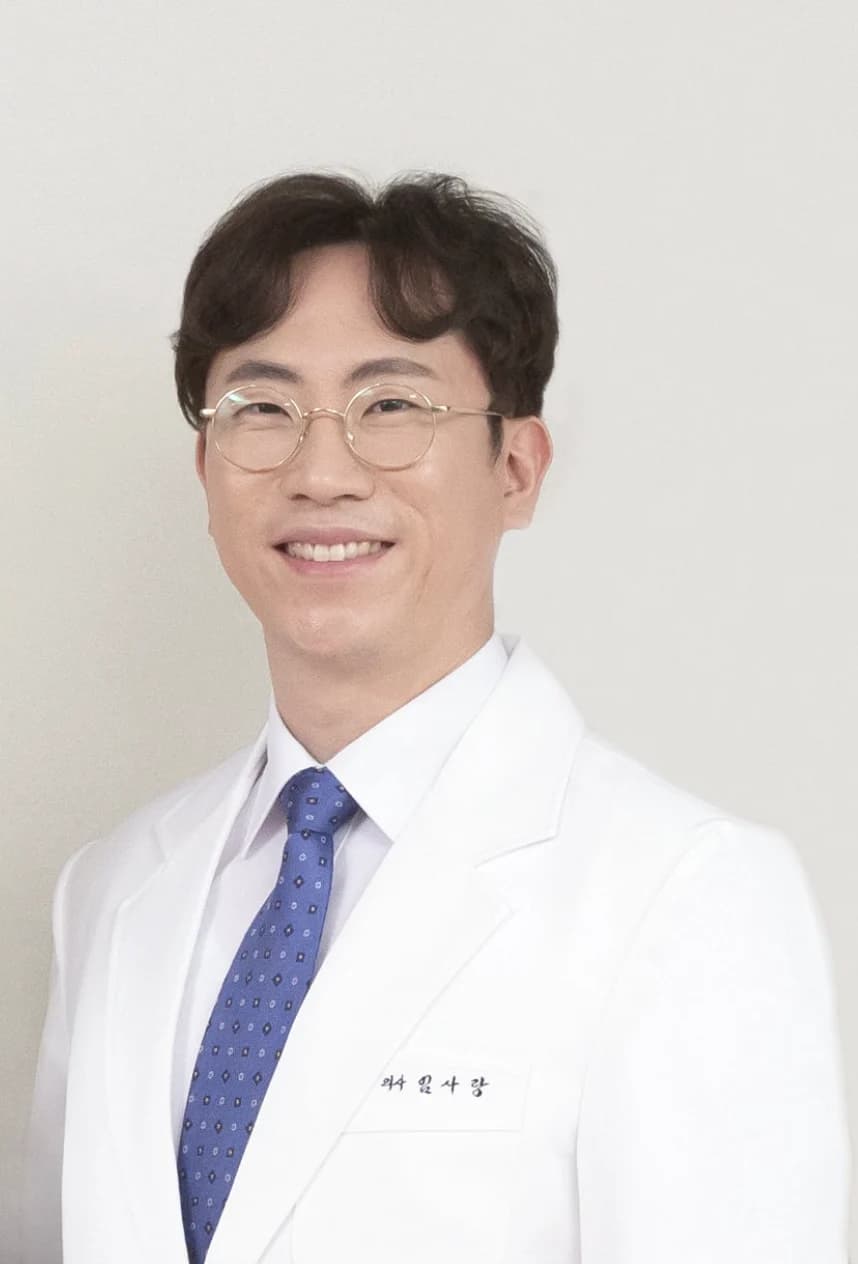 Dr. Sarang LimHead Doctor, Muse Clinic Myeongdong · 9 min readMedically reviewed by Sarang Lim, M.D., Head Doctor · Edited by: Sarang Lim, M.D.

In this article
What people mean by the phrase is a style of placement: small amounts aimed at the profile, such as the chin, the forehead or hollow temples, more than volume pushed into the cheeks. If you've been reading threads about pillow face, your worry is probably specific: flying home with a face that looks heavier than yours, and nobody at home who knows what went in.
Here in Myeongdong, I plan and perform the treatment myself, one-to-one, after a consultation held with an interpreter, and someone stays with you from that consultation through the injection. We don't do filler retouching, and whatever is left in the syringe is discarded.
If pillow face is the fear, take two photos in daylight, one straight on and one from the side, and send them on WhatsApp with the single area you'd change. Starting from your own side view keeps the first question about your face, and not about filler in general.
What makes a face filler "Korean"?
Filler is a gel injected under the skin to replace or add volume. The most common kind is hyaluronic acid (HA), a sugar molecule your skin already makes, cross-linked so it holds its shape for months instead of days. The American Society of Plastic Surgeons sorts fillers by material in its overview of the types of dermal fillers, and that's the useful way to think about it. The material decides how a filler behaves far more than the city it's injected in.
HA is what most people mean by face filler. The Juvéderm on our menu is labeled as approved by both Korea's MFDS and the US FDA. Two other products on the menu work differently: Sculptra (poly-L-lactic acid) and Radiesse (calcium hydroxylapatite) prompt your own collagen to build over weeks, so they suit broad, gradual support more than shaping one point.
The Korean part is the brief. Small volumes in those places tend to change a profile more than a large volume in the front of the cheek. Face filler covers areas such as the chin, while nose, under-eye and forehead filler are separate treatments; you can read the face filler details and see each area on the treatment menu.
Is pillow face a real risk, or a forum myth?
In short, it's real, and it rarely comes from one planned session. Pillow face describes a face that has been filled again and again, usually in the mid-cheek, until the proportions shift. The cheeks sit forward, the lower face looks broader, and the eyes look smaller when you smile.
HA also holds water, so a face carrying a lot of it can look puffier than the amount injected would suggest. That's why the look tends to build over years of top-ups, often with gel from earlier sessions still in place.
What the threads tend to leave out is how it's avoided, which is mostly by deciding what not to fill. A face that looks tired in photos is often missing support at the temples or the chin, and adding gel to the front of the cheek, where light already lands, makes a face look wider on camera.
My first principle is genuine product at the correct dose. To me, correct sometimes means less than what you walk in asking for, or a different area than the one you pointed to in the mirror.
If you've had filler before, at home or on an earlier trip, tell me which product, which area and roughly when. HA from a year or two ago can still be partly there, and stacking new gel on old gel is one of the ways a face drifts toward that heavy look. For some faces the right plan for this trip is a smaller amount. For others it's leaving the cheeks alone.
Hollow, wide or flat: which face does filler suit?
People reach this question from three places, and filler fits only two of them.
Hollow after weight loss
When a face loses fat quickly, the temples and the area under the cheekbones can sink, and the face can look older than the rest of you. That's lost volume, and replacing volume is what filler does. Where the loss is spread across a wide area, a collagen-stimulating filler can make more sense than many small HA points.
Flat profile
A chin that sits back or a flat forehead is where a small amount often changes the side view most. A slightly longer chin can also make the front of the face read slimmer.
Wide or round
Filler adds; it can't subtract. If your face looks wide because of the jaw muscle or fuller lower cheeks, gel in the cheeks will usually make it look wider still. That's a separate conversation about muscle-relaxing injections or contour injections, and I'd rather have it with you than inject filler that works against your face.
If what bothers you is texture, dullness or pores, filler is the wrong tool. A clinic facial or a skin booster is closer, and it helps to read how a clinic facial in Seoul differs from a spa facial and what a glass skin facial involves. For what skin treatments change over a few weeks, see what changes after a Korean facial and how glass skin treatment progresses.
Once you know which of the three sounds like you, send your travel dates and the areas you're considering on WhatsApp. With your dates written down, you can ask how many days of swelling to allow for before the flight home.
What happens on the day in Myeongdong
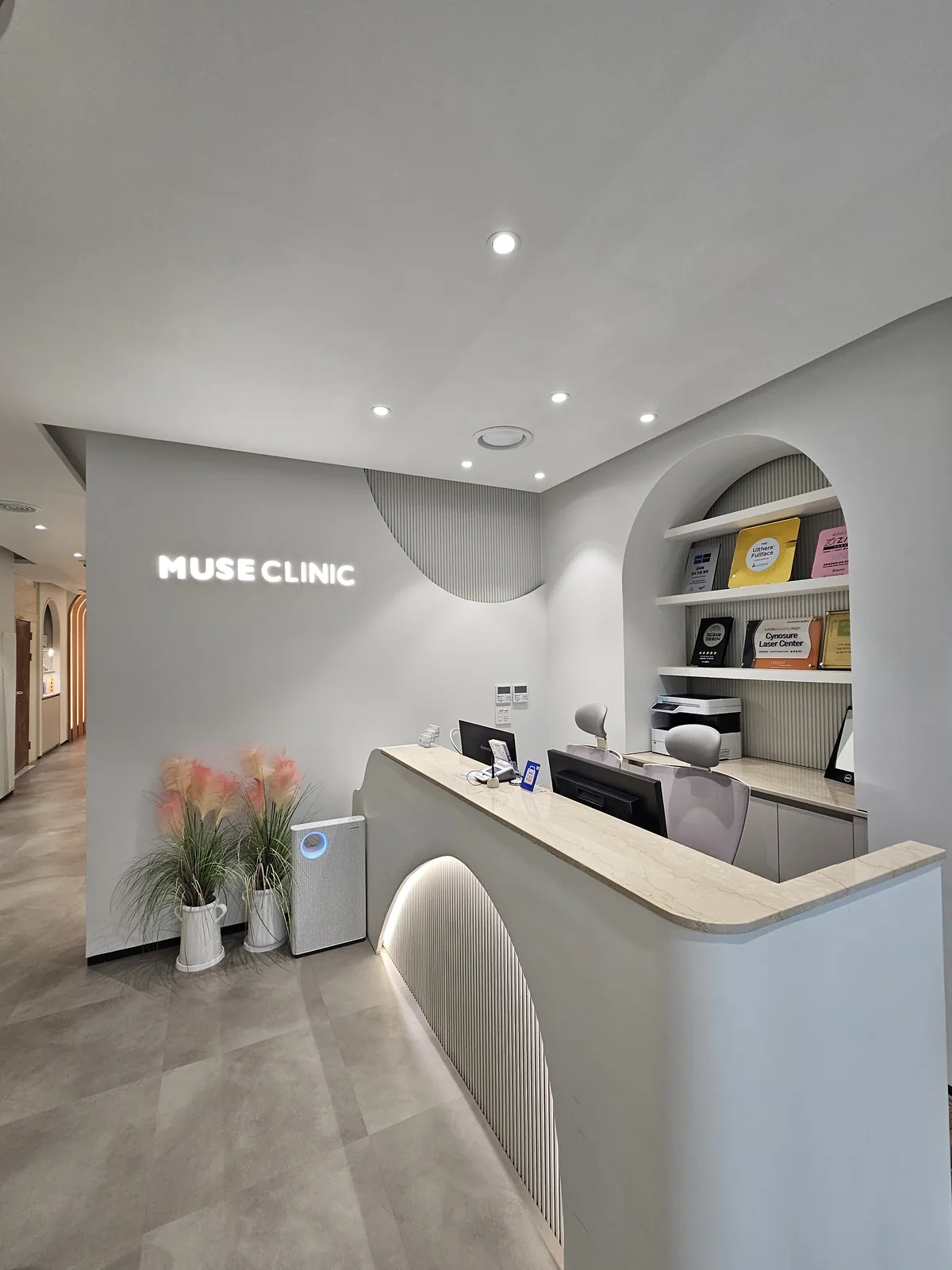
The clinic is on the 3rd floor of Korea Daeyungak Tower, a 1-minute walk from Myeongdong Station Exit 5 on Line 4, across from Shinsegae Department Store. We're open Monday to Friday from 10 AM to 8 PM and Saturday and Sunday from 9 AM to 3 PM, so a weekend morning works if your weekdays are taken.
Face filler follows four steps: a one-to-one consultation, anesthetic cream, design, then the injection. For 1cc, the injection itself takes about ten minutes. The cream needs time to work, so plan your day around more than those ten minutes. English, Japanese and Chinese interpreters are in the clinic, and other languages can be arranged on request.
Afterward, many people see some swelling, redness or a small bruise at the injection points for the first few days. A filled area can also feel firmer than the skin around it for a while. Many doctors suggest skipping saunas, hard workouts and alcohol for the first day or two, and not pressing or massaging the area unless you've been told to.
If a spot feels firm or the shape looks uneven, the usual fix is filler molding: massaging the area to re-shape the gel. Molding is generally recommended within about two weeks, because once filler settles into the tissue it becomes hard to move. That's the practical reason I'd rather you have filler early in a trip than the evening before your flight.
What can go wrong, and what to ask before you book
Risks and side effects to know
The US Food and Drug Administration lists bruising, redness, swelling, pain, tenderness, itching and rash among the common risks of dermal fillers. Lumps, uneven areas and infection are less common.
The rare but serious one is filler entering a blood vessel and blocking blood flow, which the FDA warns can damage skin and, rarely, cause vision problems, blindness or stroke. The warning signs are skin that turns pale, gray or blotchy, pain that grows instead of easing, and any change in vision. Any of those means getting seen by a doctor the same day, wherever you are.
HA filler can be broken down with an enzyme called hyaluronidase, which is one reason many doctors suggest HA for a first filler. Collagen-stimulating fillers like Sculptra and Radiesse can't be reversed that way, so they deserve more thought if you're unsure.
Most doctors hold off if you're pregnant or breastfeeding, have an active skin infection or cold sore near the area, or have a history of severe allergic reactions. Results vary by individual, and so does how long they last.
Wherever you go, these questions are worth asking:
- Which product is going in, and can I see the box and syringe label?
- How much per area, and why that amount?
- Is the doctor I consult with the one who injects?
- If something looks wrong after I fly home, what should I bring to a local doctor?
The CDC's medical tourism guidance advises getting copies of your records and planning follow-up care before you travel. For filler, that means leaving with the product name, the areas and the amount written down, and knowing which dermatologist near home you would call.
If you've had filler before, write down the product, the area and roughly when, and send that on WhatsApp with a current photo. Old filler is part of your face's starting point, so it belongs in the first message.
How long does Korean face filler last once you're home?
There's no fixed number. The speed at which your body breaks down hyaluronic acid differs from person to person, and products differ too. For many people, HA in the face lasts somewhere from several months to a year or more, and areas that move a lot, like around the mouth, tend to fade sooner than the chin or temples. Collagen-stimulating fillers work on a slower curve, building over weeks.
I'd rather you plan a next session from what you see in the mirror after the first one settles, and not from a date on the calendar. Topping up on schedule, whether or not the face needs it, is how the gradual buildup behind pillow face usually starts.
When you're ready, a first message on WhatsApp can be three lines: your dates, your two photos, and the one question you most want answered in person.
Questions people ask
Before you message us
Is Korean face filler a different product from filler at home?
Usually not. Most face filler in Seoul is hyaluronic acid, the same class of gel used in the US, UK and Australia, and the Juvéderm on our menu is labeled as approved by Korea's MFDS and the US FDA. What differs is the placement style, with many requests focused on the chin, forehead and temples. Ask for the product name and keep it with your records.
Does face filler hurt?
Anesthetic cream goes on before the injection, and many hyaluronic acid fillers also contain a local anesthetic mixed into the gel. Most people describe pressure and brief stings, though areas close to bone, such as the chin, can feel more intense. If needles make you anxious, mention it at the consultation; it's a normal thing to raise.
Can I fly home the day after filler?
A flight itself isn't usually a problem with hyaluronic acid filler. The practical issues are swelling or a bruise in the first days, and the window for adjustment: molding a firm or uneven spot is generally recommended within about two weeks. Having filler early in your trip, and not the night before departure, leaves time to notice anything you'd want checked in person.
Can filler make a round or chubby face look slimmer?
Not by itself, because filler adds volume. A chin that sits back can be lengthened slightly, which may make the front view read narrower, but filler in the cheeks of a full face usually widens it. When width comes from the jaw muscle or the lower cheeks, muscle-relaxing or contour injections are a separate discussion.
What if I don't like how the filler looks?
Hyaluronic acid filler can be broken down with an enzyme called hyaluronidase, which is one reason many doctors suggest HA for a first filler. Collagen-stimulating fillers such as Sculptra and Radiesse can't be reversed that way. Small shape problems are often handled by molding in the first two weeks, while the gel can still move. Discuss these options before treatment.
Results and maintenance period vary by individual. Every procedure carries the possibility of side effects, which are explained before you agree to treatment. Prices exclude 10% VAT and event prices may change. This article is general information from the clinic and is not a diagnosis; suitability is decided at the consultation.
Written by
Dr. Sarang Lim
Head Doctor · Muse Clinic Myeongdong
- Education & training
- Graduated, Inje University College of Medicine · Residency training, Paik Medical Center (Inje University) · Sungkyunkwan University Graduate School, Master's degree · Indiana University Kelley School of Business
- Advisory & certification
- Cynosure — Certified laser center · Juvéderm — Advisory doctor · QT Fill — Advisory doctor · Olidia — Advisory doctor · Galderma Sculptra — Advisory doctor · Merz — Advisory doctor · Jeisys — Advisory doctor · NOVA Thread — Advisory doctor
- Academic societies (full member)
- Korean Academy of Aesthetic Plastic & Laser Medicine · Korean Society of Aesthetic Surgery · Korean Society of Obesity Research Medicine · Korean Society of Obesity & Aesthetic Medicine · Korean Society of Anti-Aging Medicine