Laser Hair & Tattoo Removal
Full Body Laser Hair Removal Cost in South Korea?
Full body laser hair removal cost in South Korea is set by your areas, sessions and your days in Seoul. Same prices as locals. Send your areas on WhatsApp.
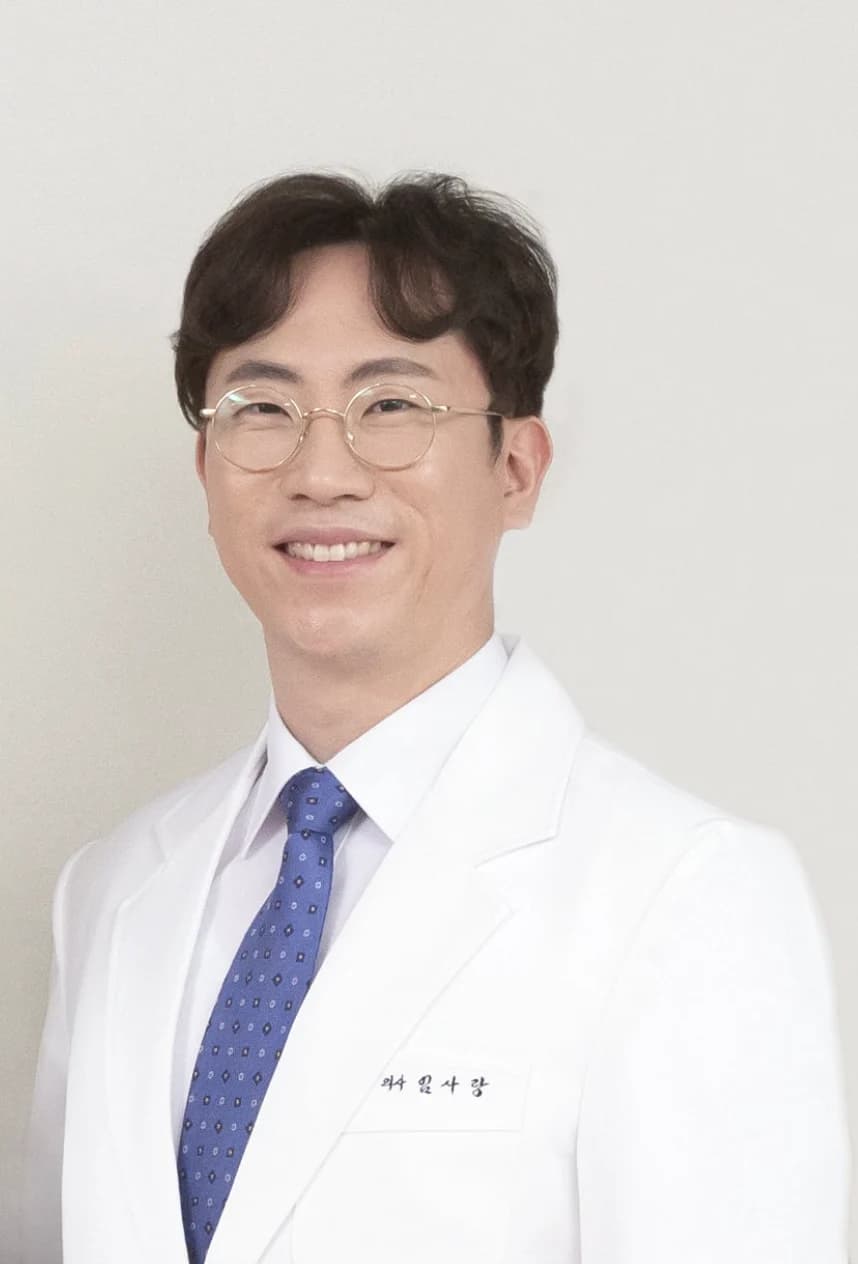 Dr. Sarang LimHead Doctor, Muse Clinic Myeongdong · 11 min readMedically reviewed by Sarang Lim, M.D., Head Doctor · Edited by: Sarang Lim, M.D.
In this article
- 01Why one session can't finish the job
- 02Which laser method fits your hair and skin?
- 03What decides full body laser hair removal cost in South Korea?
- 04What do laser hair removal reviews get right and wrong?
- 05Recovery between sessions, and what to skip after
- 06What are the risks, and who should wait?
- 07Planning sessions around Myeongdong opening hours
Is the full body laser hair removal cost in South Korea something you can plan around when you're only here for a few weeks, or a semester at most?
Read this before you pay for a first session.
Hello, I'm Sarang Lim, M.D., Head Doctor.
You'll come away knowing what reviews get right and wrong about lasers, which method fits your hair and skin, what moves the cost of a whole-body plan, and what recovery looks like between sessions and flights. That's what you need to decide whether to start here, and with how many areas.
Hello, I'm Dr. Sarang Lim, Head Doctor at Muse Clinic Myeongdong and a member of the Korean Academy of Aesthetic Plastic & Laser Medicine.
Our clinic is a Cynosure-certified laser center, and hair removal here runs on the Apogee+ device, with separate menus for women and men. Foreign patients pay the same listed prices as Korean locals. English, Japanese and Chinese interpreters are on site, and someone stays with you from the consultation through the treatment.
The planning mistake I most want to head off is pricing one session as if it were the whole treatment.
Laser hair removal is done as a series of sessions spaced weeks apart. Your cost is the price of the areas you choose, times the number of sessions your hair needs, so the question for a visitor is how many of those sessions your time in Korea can hold.
If you're not sure what “full body” should include for you, write your list of areas on WhatsApp (underarms, full legs, arms, back, whatever applies) with your natural hair color, and ask what that list would come to per session.
Why one session can't finish the job
Laser hair removal heats the pigment in the hair so the follicle is damaged while the skin around it is spared, a principle called selective photothermolysis, as the NIH's StatPearls review describes. The catch is timing. A follicle responds well only while it's in its active growth phase, and at any moment only part of the hair on a given area is in that phase. The rest are resting or shedding and will cycle into growth later.
That's why treatment comes as a series. Each session catches the hairs that happen to be growing, and the gap before the next one lets another group come through. The spacing follows your hair cycle, which differs by body area: the face cycles faster than the legs or back. Traveling to Korea doesn't shorten it. If you visit twice a year, the long gaps let more hair cycle back in between, so the series stretches over a longer stretch of calendar.
About one to three weeks after a session, treated hairs loosen and shed, which people often mistake for regrowth. Hairs that are white, gray, light blonde or red contain little of the pigment the laser targets, so they respond poorly to any laser.
If you'll only be in Seoul once, I wouldn't plan a full body here. One session reduces some hair, the rest grows back on its normal cycle, and you'd have paid for every area to get a partial result. I'd rather you spend that session on the area that bothers you most, see how your hair and skin respond, and continue the series wherever you live.
Which laser method fits your hair and skin?
Different lasers suit different combinations of hair and skin. Shorter wavelengths such as alexandrite act strongly on pigment and are commonly used on lighter skin with dark hair. Longer wavelengths such as Nd:YAG reach deeper with less effect on surface pigment, which is why they're preferred for darker skin. Diode lasers sit in between. StatPearls describes the same trade-off: the more pigment in your skin, the more carefully the laser has to be chosen and set to avoid it.
Our hair removal menu uses Apogee+. Whatever the device, the settings have to match your skin type on the day, and a tan changes your skin type. That's the practical reason to keep treated areas out of strong sun for several weeks before a session, a point the American Society of Plastic Surgeons also makes.
Shaving the area before a session is normal. Waxing, plucking and epilation devices are not, because they pull out the hair root the laser needs to find.
Moles and tattoos inside a treatment area are usually worked around, since their pigment absorbs laser light too. If a mole is something you'd like gone anyway, that's a separate treatment; my post on mole removal scars in Seoul explains how it heals. And if you're weighing several lasers on one trip, our guide to booking laser treatments in Seoul covers the options by concern.
What decides full body laser hair removal cost in South Korea?
There's no single “full body” price, because the phrase means different things to different people. These are the factors that move the number for you:
- 01Which areas you include. For some people full body means legs, underarms and bikini line; for others it adds arms, back, chest or face. Each area is its own line, and our women's hair removal menu lists 64 options, the men's 66.
- 02Women's or men's menu. The two menus are priced separately, and men commonly include areas such as the back, chest or beard line.
- 03How many sessions your hair needs. Dark, coarse hair on light skin tends to respond well. Hormonal hair growth, on the chin or with conditions such as PCOS, often needs more sessions over time.
- 04How long you're in Korea. Sessions only count if they're spaced to your hair cycle, so your dates decide how many you can do here.
- 05VAT and numbing. Listed prices exclude VAT, which is added when you pay. If you'd like numbing cream on sensitive areas, ask whether it's part of the option you pick.
Because foreign patients pay the same listed prices as locals, your total follows those lines on the published price list. For how pricing is laid out area by area, see our earlier post on laser hair removal in Korea, priced per area. To get the figure for your own list, ask on WhatsApp what your areas would cost per session.
Say you're in Seoul for a five-month exchange semester
Say you arrive in early September, leave in late January, and have dark hair on light-to-medium skin. You'd like underarms, full legs and bikini line, and maybe arms. With sessions spaced several weeks apart, a semester holds roughly three or four sessions per area. That's real progress, though for many people it's not the end of the series.
In that situation I'd start in the first two weeks of the semester instead of waiting until you've settled in, keep the treated areas covered from autumn sun, and put the areas you care most about first. Underarms tend to respond quickly; legs usually take longer. If the budget means choosing, choose by what bothers you day to day, not by what's on a full-body list.
Count the weeks you'll be in Korea, then send those dates on WhatsApp with your area list and one question: how many sessions fit, and which areas would you start with?
What do laser hair removal reviews get right and wrong?
“After six sessions it's gone for good.” Partly. Laser treatment gives long-term reduction: many follicles stop producing, others grow finer, lighter hair, and some people need an occasional maintenance session years later. Expect a lot less hair, which isn't the same as none.
“It feels like a rubber band snap.” That matches what most people describe for most areas. Thin-skinned or dense areas such as the bikini line and upper lip are sharper, and shins can sting over the bone. Skin cooling and numbing cream on sensitive areas help.
“Darker skin can't be treated.” Outdated. Darker skin can be treated with a suitable wavelength and careful settings. The risk of pigment change is higher, so settings are more conservative and the series may be longer.
“Sessions closer together means finishing sooner.” Spacing follows your hair cycle, so treating sooner than the hair can cycle mostly hits resting follicles that don't respond.
“Blonde hair works if you do more sessions.” Usually not. More sessions don't add pigment to a light hair.
Recovery between sessions, and what to skip after
Right after a session, treated skin is usually pink, with small raised bumps around each follicle, a reaction StatPearls describes as expected. For most people it fades within hours to a day or two. You can go back to sightseeing the same day; just keep the area covered.
For the next couple of days, skip the jjimjilbang, hot baths, saunas and hard workouts, and keep exfoliating acids and scrubs off treated skin. Use sunscreen on anything exposed and keep it out of strong sun between sessions. Shave if you need to; don't wax or pluck, because the next session needs the root in place.
Results vary from person to person and from area to area: hair color, thickness, hormones and the area itself all change how fast the reduction shows.
What are the risks, and who should wait?
Less common effects are blistering, crusting and changes in skin color, either darker or lighter patches, which are more likely on tanned or darker skin. They usually fade over weeks to months, though pigment change can last longer. StatPearls also describes a rare effect called paradoxical hypertrichosis, where hair grows thicker near a treated area.
Whether laser suits you is something I decide after seeing your skin in person, and these are reasons to postpone:
- a recent tan or sunburn on the area
- pregnancy, since there's little safety data and most doctors defer cosmetic laser
- isotretinoin for acne, now or recently; ask about timing before you book
- medicines that make skin sun-sensitive, including some antibiotics
- an active infection, cold sore or rash in the area
- tattoos in the area, which the laser has to avoid
If a blister, burn or dark patch appears after you've flown home, keep it out of the sun, don't pick at it, and see a doctor or dermatologist locally. The CDC's advice for anyone treated abroad is to bring copies of your records home. For laser, that means the device name, the areas and the date of each session, so a doctor at home can treat a reaction or continue the series.
If you're unsure whether your skin tone is a concern, take one photo of a treatment area in daylight, without self-tanner, and send it on WhatsApp.
Planning sessions around Myeongdong opening hours
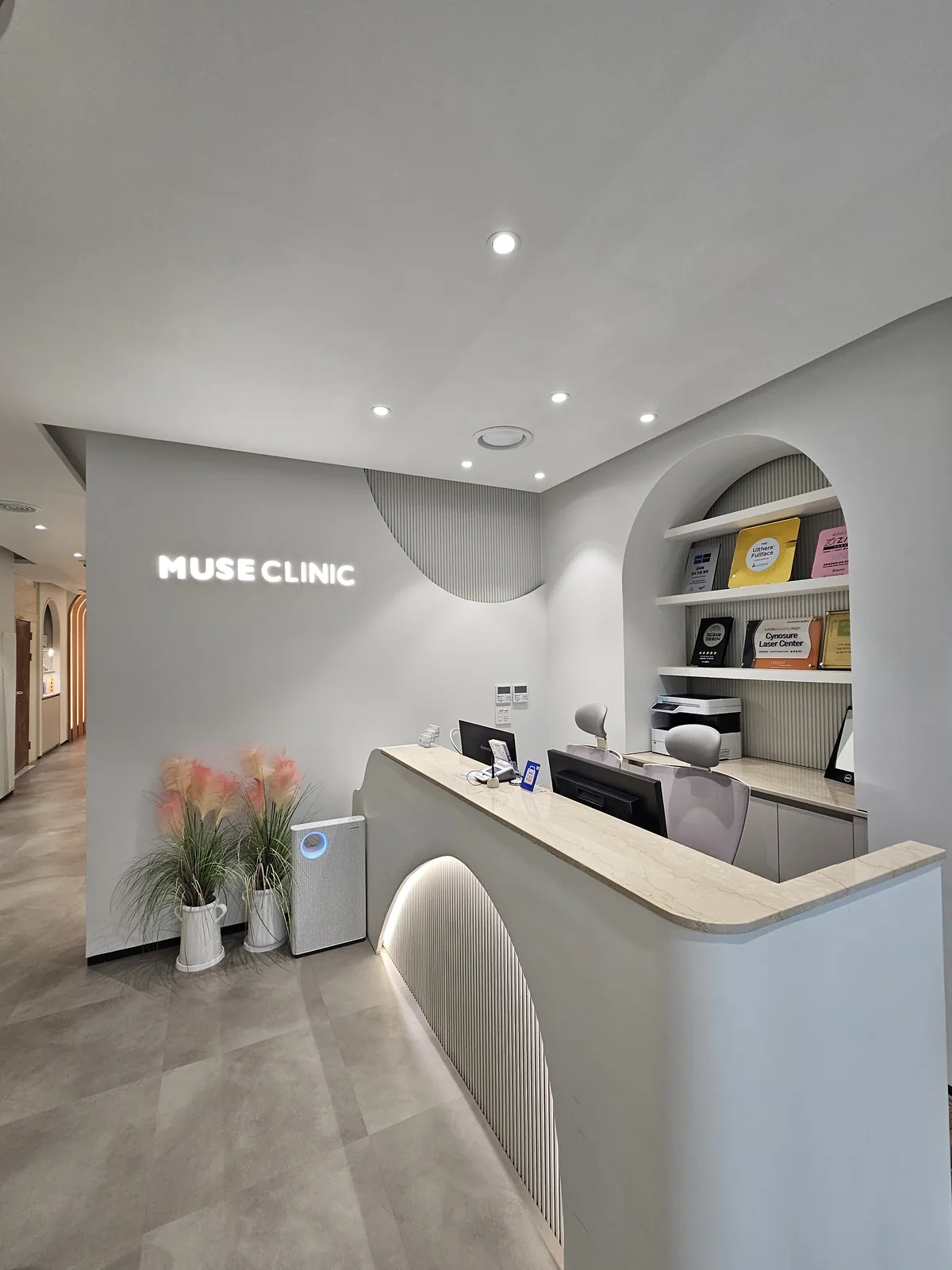
We're a one-minute walk from Exit 5 of Myeongdong Station (Line 4), on the 3rd floor of Korea Daeyungak Tower. Weekday hours are 10 am to 8 pm, which suits a session after class or work if you live in Seoul. Weekends run 9 am to 3 pm, so a Saturday or Sunday morning fits a visitor's plans.
If you're booking other treatments on the same trip, keep anything that exfoliates or heats the skin off freshly lasered areas for a few days. A Korean glass facial works on your face, a separate area from your legs or underarms, but if your face is on the laser list too, plan the two on different days.
Your first WhatsApp message can be two lines: any medicines you take, and whether those areas have seen sun in the last month, with the question “can I start on this trip?” When you come in, an interpreter stays with you through the consultation, and I'll look at your skin and hair and recommend the areas and number of sessions that fit your time here.
Questions people ask
Before you message us
How many laser hair removal sessions does a full body take?
Most people need a series of several sessions per area, spaced weeks apart, because only hair in its growth phase responds each time. Faces and underarms often move faster than legs or back, and hormonal or light-colored hair can take more. How many your hair needs is something I'd estimate after seeing your skin and hair at the consultation.
Do foreigners pay more for laser hair removal in Seoul?
Not at our clinic. Foreign patients pay the same listed prices as Korean locals, and the full price list is published on our website, with prices shown before VAT. The women's and men's hair removal menus list each area as its own option, so your total follows the areas you choose.
Should I shave before my appointment?
Yes, shaving the area beforehand is normal, usually a day ahead so the skin isn't freshly irritated. Don't wax, pluck or use epilation devices for several weeks before a session, because the laser needs the hair root in the follicle to work. Arrive without lotion, deodorant or self-tanner on the areas being treated.
Can laser hair removal be done on darker skin?
It can, with a suitable wavelength and conservative settings, but the risk of pigment change and burns is higher than on light skin. A recent tan raises that risk for anyone. If your skin is olive, brown or dark, mention it in your first message, along with any past reactions to laser treatment or to sun.
Can I fly right after a laser hair removal session?
Yes, for most people. Redness and bumps usually fade within a day or two and don't stop you flying. The practical concern is sun: if you're heading somewhere sunny, protect the treated skin and avoid tanning, since sun on freshly treated skin raises the chance of pigment change.
Results and maintenance period vary by individual. Every procedure carries the possibility of side effects, which are explained before you agree to treatment. Prices exclude 10% VAT and event prices may change. This article is general information from the clinic and is not a diagnosis; suitability is decided at the consultation.
Written by
Dr. Sarang Lim
Head Doctor · Muse Clinic Myeongdong
- Education & training
- Graduated, Inje University College of Medicine · Residency training, Paik Medical Center (Inje University) · Sungkyunkwan University Graduate School, Master's degree · Indiana University Kelley School of Business
- Advisory & certification
- Cynosure — Certified laser center · Juvéderm — Advisory doctor · QT Fill — Advisory doctor · Olidia — Advisory doctor · Galderma Sculptra — Advisory doctor · Merz — Advisory doctor · Jeisys — Advisory doctor · NOVA Thread — Advisory doctor
- Academic societies (full member)
- Korean Academy of Aesthetic Plastic & Laser Medicine · Korean Society of Aesthetic Surgery · Korean Society of Obesity Research Medicine · Korean Society of Obesity & Aesthetic Medicine · Korean Society of Anti-Aging Medicine
Treatments in this article
Excl. 10% VAT · same list Korean patients pay