Lifting & Tightening
Korean Anti Aging: Which Sign to Treat First
Korean anti aging in a Seoul clinic means matching each sign of age to one tool: toxin, lifting, collagen injections or skin boosters. Find your start.
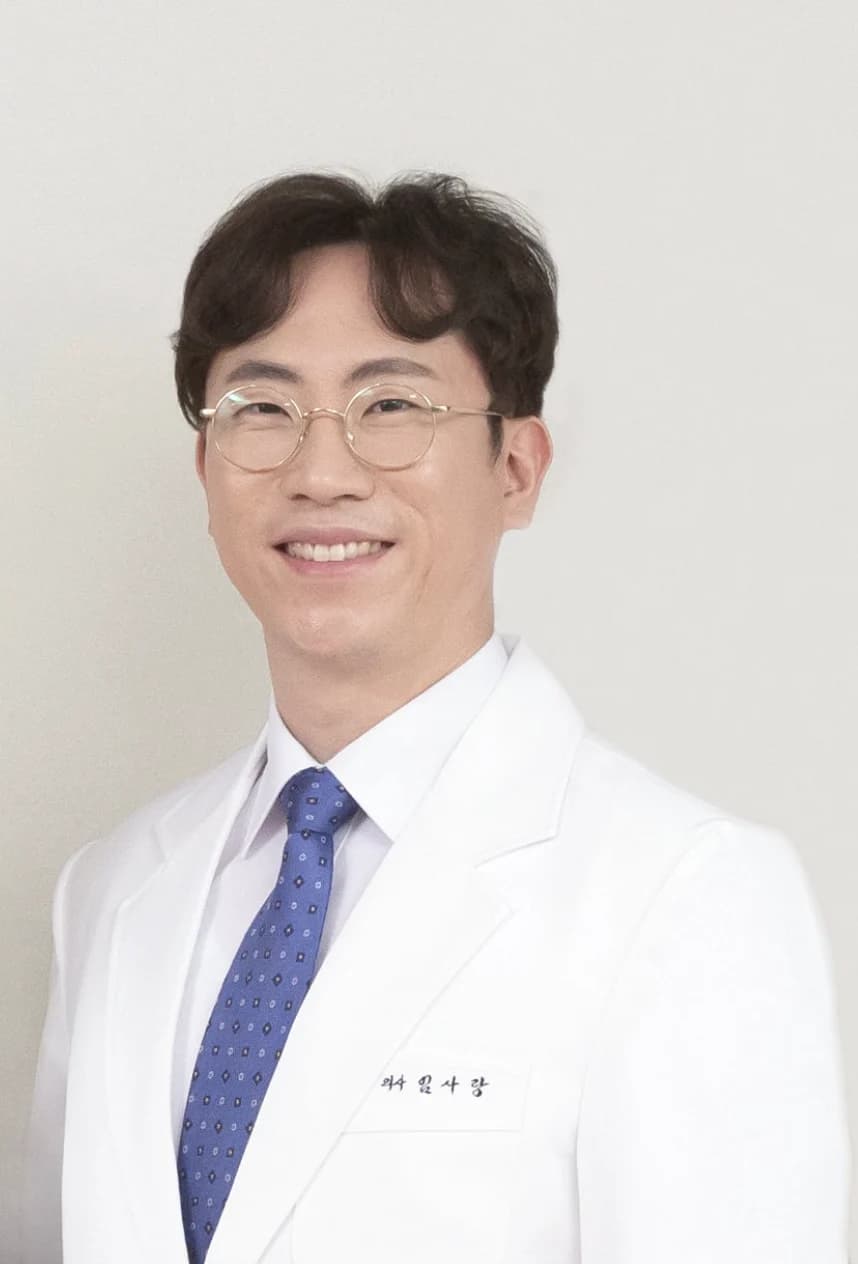 Dr. Sarang LimHead Doctor, Muse Clinic Myeongdong · 8 min readMedically reviewed by Sarang Lim, M.D., Head Doctor · Edited by: Sarang Lim, M.D.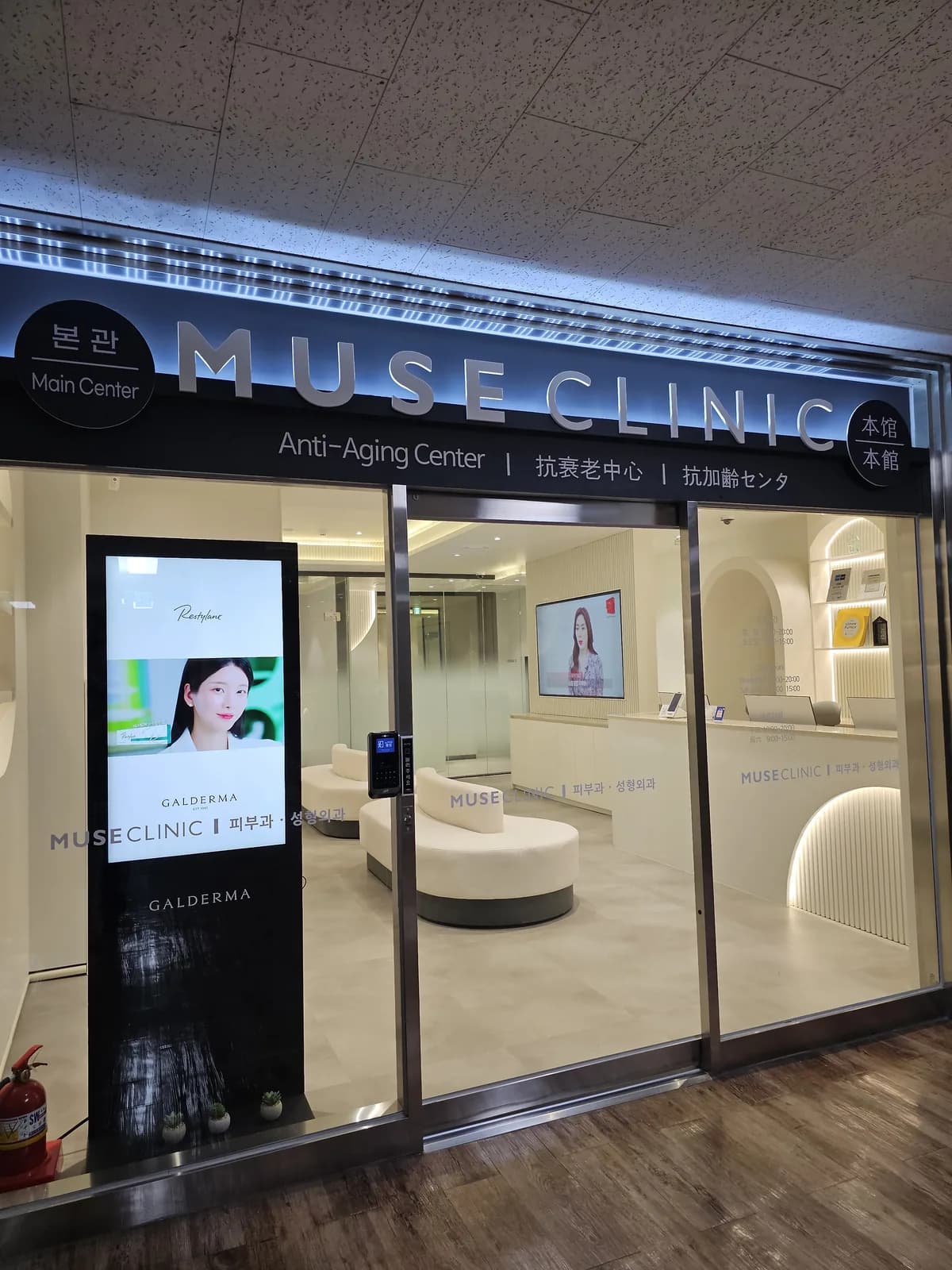
In this article
- 01What does "Korean anti aging" mean once you're inside a clinic?
- 02Lines that appear when you move your face
- 03Sagging and hollowing look alike in photos
- 04What if the skin itself looks thin and crepey?
- 05Risks, side effects and who should hold off
- 06Can all of this fit into one Seoul trip?
- 07What to send before you book anything
When people ask me about Korean anti aging treatment, I start by asking which change in the mirror bothers them most. Aging shows up in at least four layers of the face (muscle, support, volume and the skin surface), and each layer answers to a different tool. If you're in your 40s, 50s or 60s, or you're planning a Seoul trip for a parent, that one answer narrows a long list to one or two treatments.
| What you see in the mirror | What is usually behind it | Treatment family on our menu |
|---|---|---|
| Lines that deepen when you frown, squint or raise your brows | Repeated muscle movement | Anti-wrinkle toxin |
| A softer jawline, heavier lower face, early jowls | Loosening skin and deeper support layers | HIFU lifting (Ulthera, SHURINK UNIVERSE), radiofrequency (Duet Thermage), threads |
| Hollow temples, flatter cheeks, a tired look at rest | Volume loss in fat and bone support | Collagen-stimulating injections, fillers |
| Thin, dry, crepey surface with fine lines | Skin quality and hydration | Skin boosters such as Skin vive |
Most faces show more than one of these. Pick the one you notice first in the morning mirror, and start there.
What does "Korean anti aging" mean once you're inside a clinic?
In a clinic, Korean anti-aging care means medical treatments that work below what a cream can reach: muscle, deeper skin layers and volume. Serums, essences and anti-aging sets work on the surface, and the two answer different questions.
Topical care still matters.
So a Korean skincare set handles daily surface care, but it will not soften a frown line driven by muscle or refill a hollow temple.
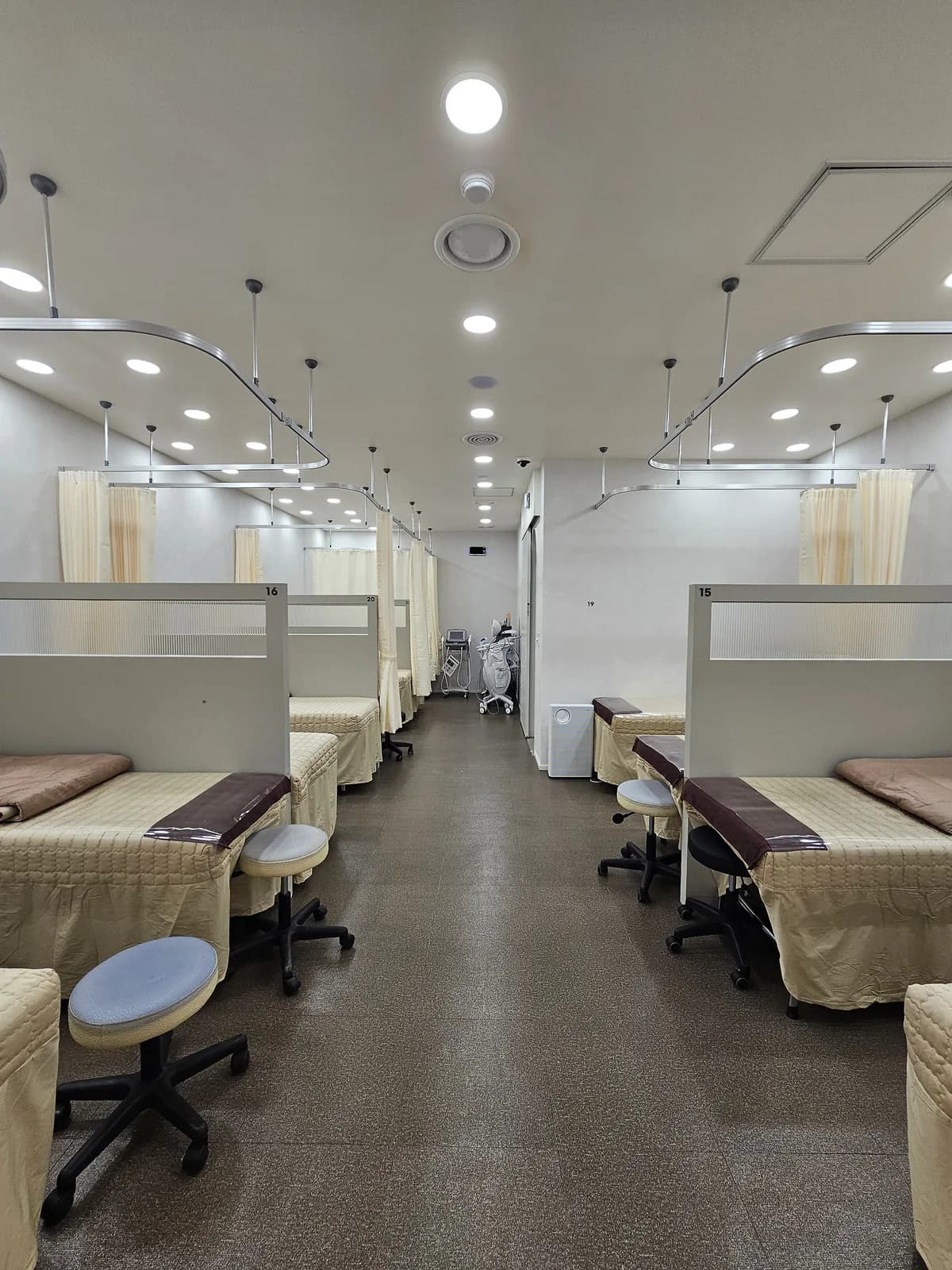
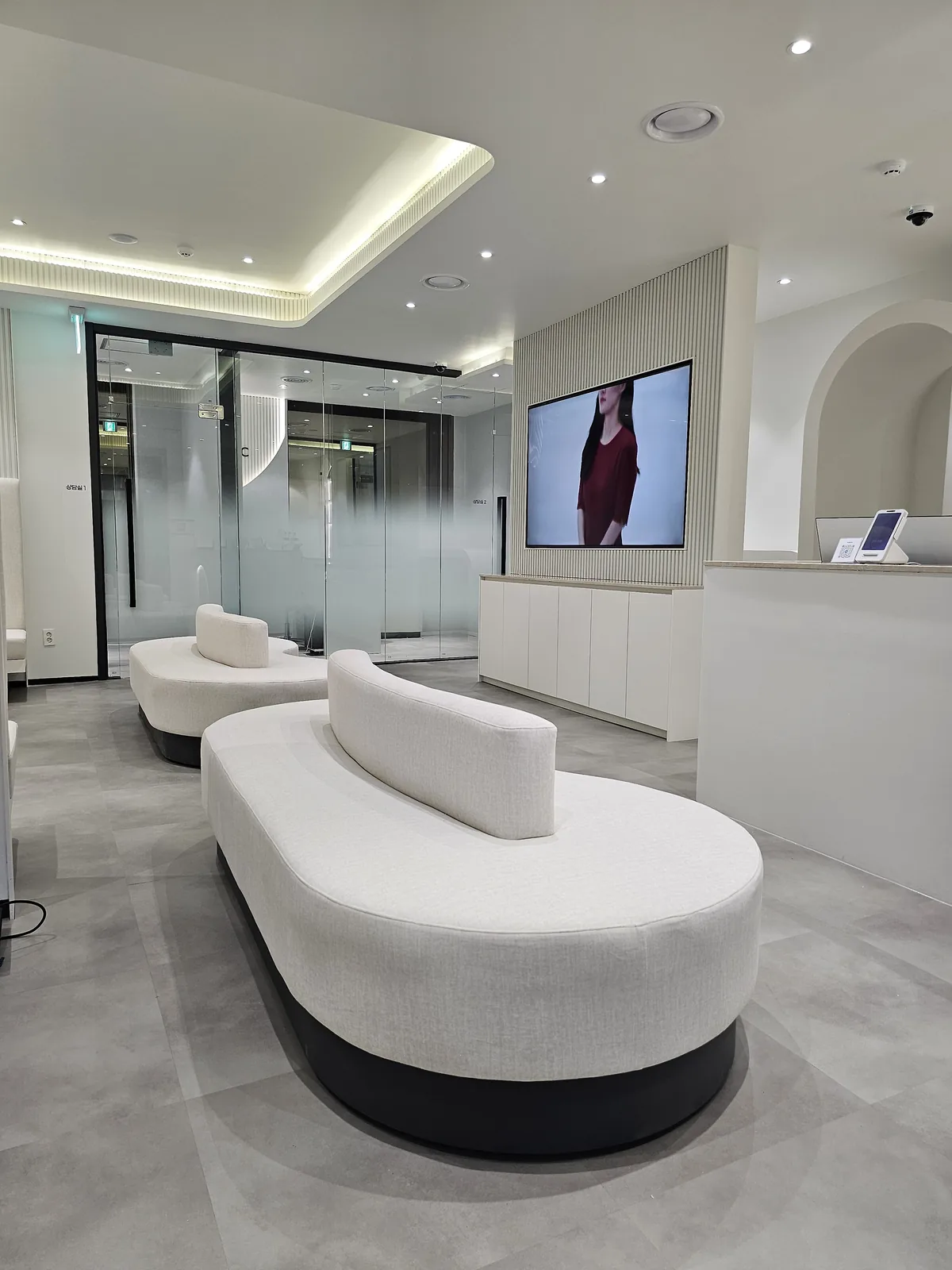
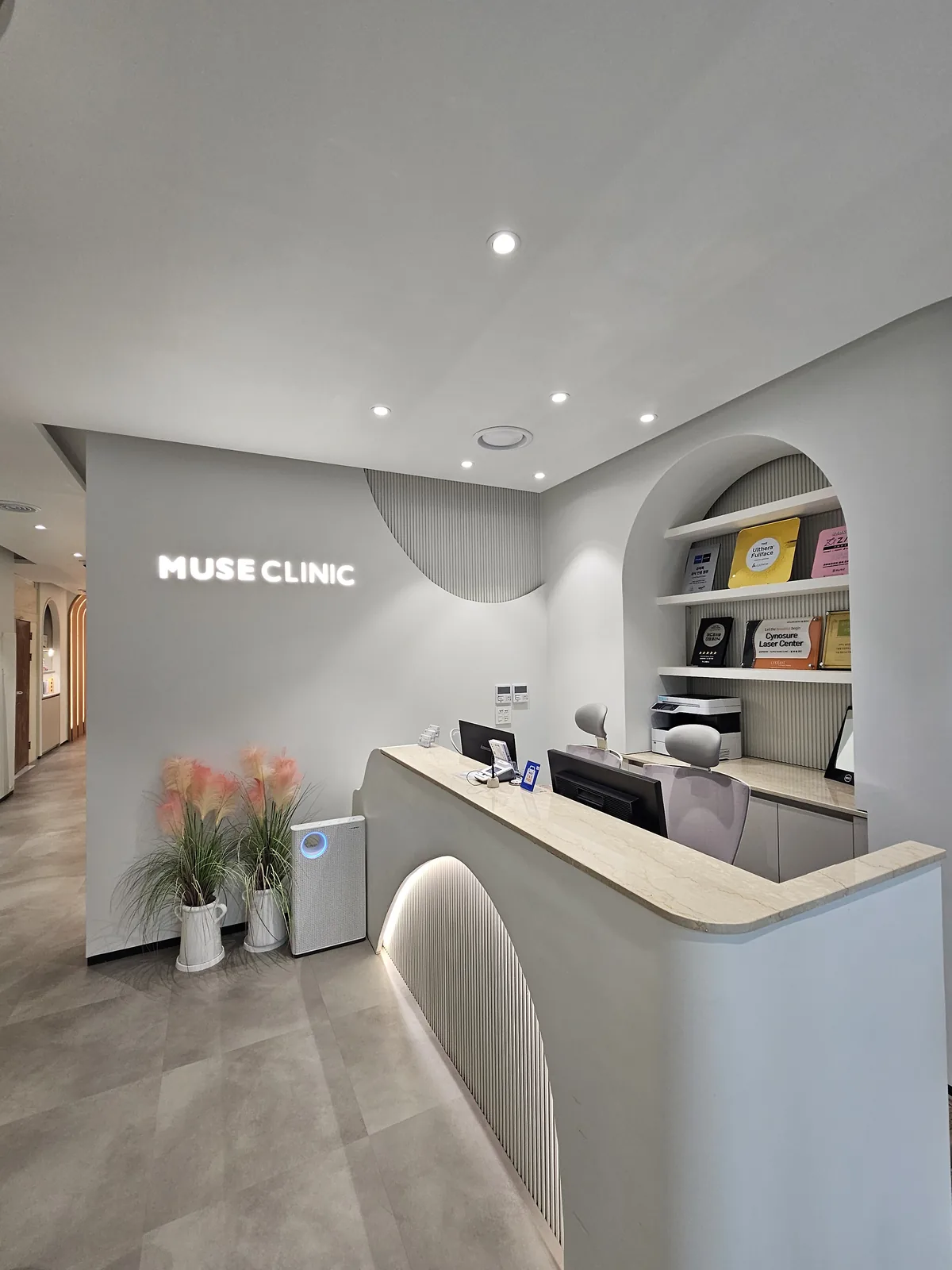
The Muse Clinic network has 11 branches in Korea; this one is in Myeongdong, a 1-minute walk from Myeongdong Station Exit 5 (Line 4). The full treatment menu is public, and the Muse Clinic Myeongdong home page shows the location and opening hours.
Lines that appear when you move your face
If a line is deep when you frown and faint when your face is still, it is mostly a muscle problem, and an anti-wrinkle toxin is the usual first tool. Forehead lines, the "11" between the brows and crow's feet belong here.
Our anti-wrinkle toxin treatment page lists four steps: a one-on-one consultation, cooling anesthesia, design of the injection points, then the injections, which take about 10 to 20 minutes. The same page says the effect lasts about 3 months and suggests treatment 3 to 4 months apart, with duration depending on muscle strength and daily habits.
That timing matches outside guidance. A patient handout in American Family Physician, the journal of the American Academy of Family Physicians, puts results at three to four months (AAFP, 2014). So a single trip gives you one cycle, not a lasting change.
The menu notes on that page also say the toxin is a genuine product opened on-site, and the page asks patients to check the original product and the right dosage.
Toxin does not lift a sagging jaw or refill a hollow cheek. A line that stays deep even when your face is completely relaxed often needs one of the other tools below.
Sagging and hollowing look alike in photos
One home check is two phone photos, one from slightly above your face and one from slightly below. If the lower face looks heavy in both, laxity is likely the main driver. If the temples and mid-cheeks look hollow and the jawline edge still shows, volume loss is more likely the main driver.
When laxity leads
For loosening skin, the treatment family is energy-based lifting. Our menu includes Ulthera, SHURINK UNIVERSE and Duet Thermage. As general background, HIFU focuses ultrasound energy at a set depth, while radiofrequency heats a broader area of skin. Both aim to trigger gradual collagen remodeling, so change tends to build over weeks to months rather than appear the next morning. Threads, which physically reposition tissue, are a separate option under thread lifting. For the tightening options side by side, see how the Korean skin tightening options compare.
When volume loss leads
For hollowing, the tools add support back. A poly-L-lactic acid injection works by prompting the skin to build collagen over time, so it is usually planned as a gradual course rather than a one-visit fix. Hyaluronic acid fillers give a more immediate change in a specific spot.
When someone over 50 asks me for "a lift", I look at the temples and the mid-cheek before I look at the jawline. A face that has lost volume can look like it is sagging, and lifting energy alone won't put that volume back.
What if the skin itself looks thin and crepey?
When the main complaint is texture (fine crinkling, dullness, skin that looks thin under makeup), the target is skin quality, and skin boosters are the usual family. Skin vive is a hyaluronic acid skin injection on our menu for this purpose. Lifting won't change the surface feel, and a booster won't change a heavy lower face.
Choosing between a peel and an injected booster comes down to where the problem sits. If the skin is dull and rough but still feels thick when you press it, the outer layer is the issue, and a peel or a clinic facial works at that level without needles. If the skin creases into fine lines when you smile and stays tight and dry after moisturizer, hydration inside the skin is the more likely gap, and a booster such as Skin vive is the one to consider.
Risks, side effects and who should hold off
Each treatment family carries its own risks, and the exam is where they're checked against your health history. Results and recovery vary from person to person.
- Anti-wrinkle toxin. Bruising and swelling at injection points are common and usually fade within days. American Family Physician describes side effects as rare but notes they can include drooping of the upper eyelid or eyebrow. The same handout says you should not be treated if you are pregnant or breastfeeding, and people with nerve or muscle disorders need a doctor's assessment first.
- Fillers and collagen-stimulating injections. The US Food and Drug Administration lists bruising, redness, swelling, pain, tenderness, itching and rash as the usual effects. Its most serious warning is accidental injection into a blood vessel, with reported complications that include tissue death, vision problems including blindness, and stroke. Unusual pain, vision changes, or a white appearance of the skin near the injection site are warning signs that need attention straight away.
- Settings and depth are chosen per face, which is one reason the consultation comes first.
I'd suggest holding off on any of these if you're pregnant or breastfeeding, if you have an active skin infection in the area, or if you're on blood thinners and haven't discussed it with your own doctor. If you're arranging this for a parent, bring a written list of their medicines; it matters more than any photo.
Can all of this fit into one Seoul trip?
Usually one or two of the four concerns, not all of them. Toxin appointments are short. Lifting and collagen-stimulating injections are better thought of as a plan that continues after you fly home, because their changes build gradually.
A few facts that shape the visit:
- Hours. Monday to Friday 10:00 AM to 8:00 PM, Saturday and Sunday 9:00 AM to 3:00 PM. A weekend morning works for a short trip.
- Language. English, Japanese and Chinese interpreters are in the clinic, and someone stays with you from consultation through treatment. Other languages can be arranged on request, which helps when a parent is more comfortable in their own language than in English.
- Getting there. 3F, Korea Daeyungak Tower, 97 Toegye-ro, Jung-gu, across from Shinsegae Department Store. The building has a Twosome Place café and Hana Bank on the ground floor.
If you'd like to know who you'll be speaking with, Dr. Lim's profile lists the doctor's training and society memberships.
What to send before you book anything
Take a front photo and both side profiles in daylight, with no makeup and your face relaxed, then one more while frowning. Add a line on anything injected or treated in the past year and when.
The plan itself is set at the in-person exam.
Questions people ask
Before you message us
Is Korean anti aging mostly about skincare products?
Products and anti-aging sets work on the skin surface: hydration, texture and tone. Clinic treatments reach layers creams cannot, such as facial muscles, deeper skin and lost volume. Many people use both. A clinic visit is most useful when you already know which sign bothers you, such as moving lines, sagging, hollowing or thin skin, because each sign answers to a different treatment family.
How long do anti-wrinkle injections last?
Our treatment page states the effect lasts about 3 months and suggests repeating every 3 to 4 months, depending on muscle strength and habits. A patient handout in American Family Physician (2014) also puts results at three to four months. So one trip to Seoul gives you one cycle; keeping the effect means planning repeat treatment, in Korea or with a qualified doctor at home.
Can I combine lifting and injections on the same visit?
Sometimes, depending on the areas and your skin. Combining is decided in the consultation, after the doctor looks at which layer is driving the change you see. For a short trip it is often better to treat the main concern well than to stack several treatments into one day, especially when flights and sightseeing are involved.
Can I bring my mother if she doesn't speak English?
Yes. English, Japanese and Chinese interpreters are in the clinic, and other languages can be arranged on request. Someone stays with the patient from consultation through treatment. Bring a written list of her current medicines and any past cosmetic treatments, since blood thinners and earlier injections can change what is suitable.
Are weekend appointments possible in Myeongdong?
Yes. The clinic is open Saturday and Sunday from 9:00 AM to 3:00 PM, and Monday to Friday from 10:00 AM to 8:00 PM. It is a 1-minute walk from Myeongdong Station Exit 5 on Line 4, on the third floor of Korea Daeyungak Tower, which suits a weekend morning on a short trip.
Results and maintenance period vary by individual. Every procedure carries the possibility of side effects, which are explained before you agree to treatment. Prices exclude 10% VAT and event prices may change. This article is general information from the clinic and is not a diagnosis; suitability is decided at the consultation.
Written by
Dr. Sarang Lim
Head Doctor · Muse Clinic Myeongdong
- Education & training
- Graduated, Inje University College of Medicine · Residency training, Paik Medical Center (Inje University) · Sungkyunkwan University Graduate School, Master's degree · Indiana University Kelley School of Business
- Advisory & certification
- Cynosure — Certified laser center · Juvéderm — Advisory doctor · QT Fill — Advisory doctor · Olidia — Advisory doctor · Galderma Sculptra — Advisory doctor · Merz — Advisory doctor · Jeisys — Advisory doctor · NOVA Thread — Advisory doctor
- Academic societies (full member)
- Korean Academy of Aesthetic Plastic & Laser Medicine · Korean Society of Aesthetic Surgery · Korean Society of Obesity Research Medicine · Korean Society of Obesity & Aesthetic Medicine · Korean Society of Anti-Aging Medicine