Pigmentation & Moles
Korean Skin Whitening Treatment Cost? Methods, Care
Korean skin whitening treatment cost is set by your pigment type, the method and how many sessions fit your trip. Same prices as locals. Ask on WhatsApp.
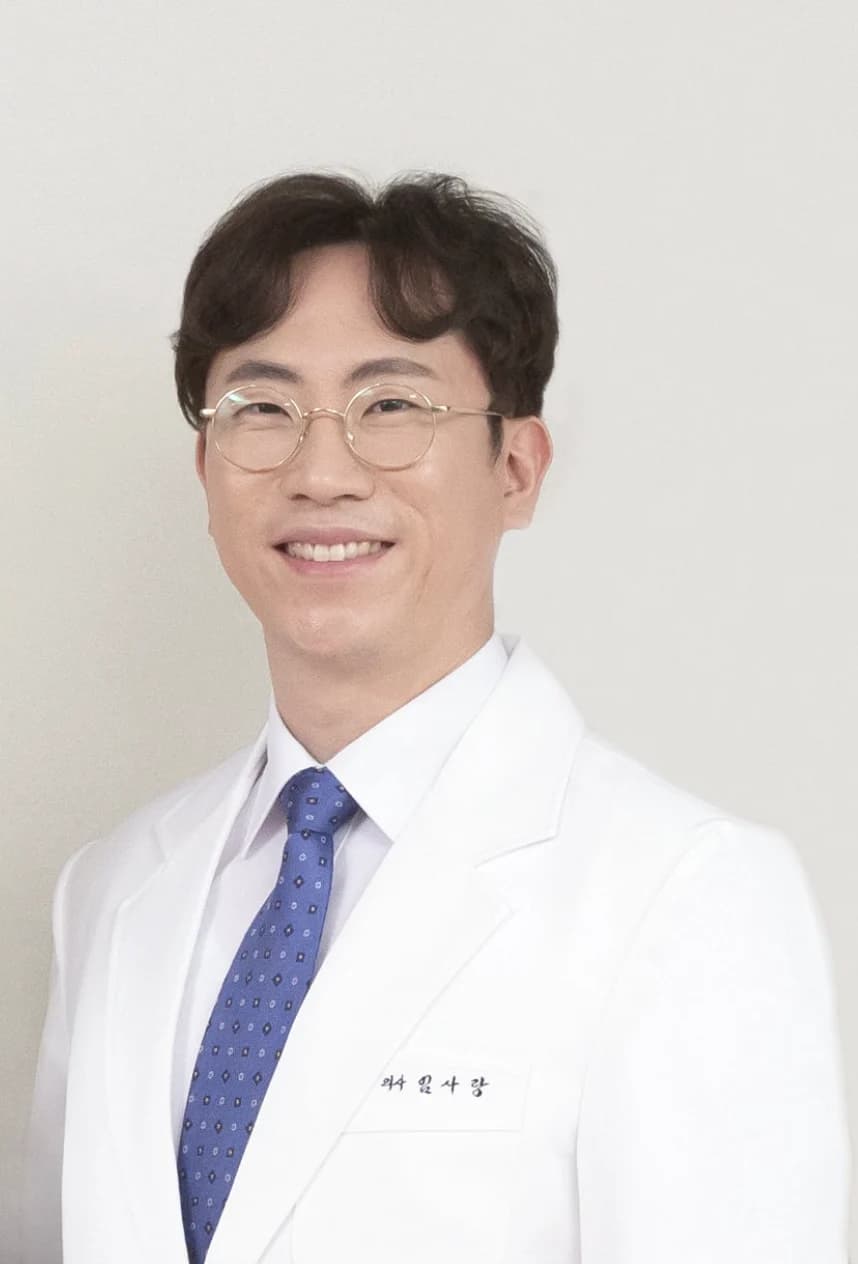 Dr. Sarang LimHead Doctor, Muse Clinic Myeongdong · 11 min readMedically reviewed by Sarang Lim, M.D., Head Doctor · Edited by: Sarang Lim, M.D.
In this article
- 01Can a treatment in Korea actually make skin whiter?
- 02Which methods do Korean clinics use for pigment and dull tone?
- 03What decides the Korean skin whitening treatment cost for you?
- 04What reviews say about whitening lasers, and which parts hold up
- 05How much recovery should you plan around?
- 06Risks and side effects to know
- 07Planning a visit to Myeongdong
Wondering whether the Korean skin whitening treatment cost you keep seeing online will match what you pay in Seoul, and whether any of it lightens skin at all?
Read this before you book a session, or a flight around one.
By the end you'll know which methods treat which kind of pigment, what reviews get right and wrong, how much recovery to plan for, and what moves the cost, so you can choose a plan that fits your spots and your budget.
Hello, I'm Sarang Lim, M.D., Head Doctor at Muse Clinic Myeongdong in Seoul.
Foreign patients here pay the same listed prices as Korean patients, and the price of every treatment and option is published on our website. English, Japanese and Chinese interpreters work in the clinic, and someone stays with you from the consultation through the treatment.
I wrote this because whitening gets priced as if it were one product, when sunspots, melasma and acne marks each need a different plan and a different number of visits.
No treatment changes the skin tone you were born with. What you pay for is fading excess pigment, and the cost is set by what that pigment is, which method treats it and how many sessions your stay allows.
If you're not sure what your spots are, send one daylight photo of them on WhatsApp, without makeup, and ask the question you actually have: is this melasma, sunspots or leftover acne marks? Once you know which one you're dealing with, any quote you get starts to mean something.
Can a treatment in Korea actually make skin whiter?
Not in the way the word suggests. The colour of your skin is set by genetics, and lasers, peels and injections don't reset it. What they can do is reduce pigment that has built up over the years: sunspots, freckles, melasma, the brown marks acne leaves behind, and the patchy dullness of uneven tone. When that extra pigment fades, skin looks lighter and more even, which is what most people mean when they search for whitening.
That difference matters for cost. Melasma, the blotchy brown patches on the cheeks, forehead or upper lip that often darken in summer or after pregnancy, is driven by hormones, heat and light, and it tends to return. The American Academy of Dermatology describes it as a condition that usually needs patience, more than one approach and daily sun protection to keep under control.
A sunspot behaves differently. It's a fixed deposit, and a targeted treatment can often lighten it in far fewer visits. Brown marks left by acne or a burn usually fade by themselves over months; DermNet notes that people with darker skin are more prone to them and that sun protection helps them fade.
So the first question in a consultation room isn't the budget. It's which of these is on your face, because two people who both ask for whitening can need plans that are many sessions apart.
Which methods do Korean clinics use for pigment and dull tone?
Most options you'll see in Seoul fall into a few groups. These are the ones on our menu at Muse Clinic Myeongdong for pigment and tone, with what each is generally used for:
| Method | What it's generally used for |
|---|---|
| Laser toning | Melasma and uneven tone, as a series of low-energy sessions |
| Pico laser toning | Pigment and tone, using very short pulses |
| Cynergy Genesis laser | Redness and dull, uneven texture alongside tone |
| Aladdin Peeling | Pigment together with pores, keratin and breakouts |
Raised moles are a separate item, mole removal, and so is body toning laser for areas below the face.
Laser toning means passing a low-energy laser evenly over the skin, session after session, to break up pigment gradually instead of burning it off at once. A systematic review in Medicina (2022) of low-fluence Q-switched Nd:YAG toning for melasma found that it improved pigment in many studies, while also reporting recurrence after treatment stopped and, in some cases, blotchy pale spots with frequent sessions. That's why spacing and settings matter more than squeezing in extra sessions.
You'll also see glutathione drips sold as whitening shots. Reviews in the Indian Journal of Dermatology, Venereology and Leprology (2016) and in Cureus (2025) conclude that the evidence for skin lightening is limited and that the safety of the injected form isn't well established. I wouldn't count it as a pigment plan on its own.
What decides the Korean skin whitening treatment cost for you?
Five things move the number, roughly in this order.
- 01Type of pigment. Melasma usually means a series of sessions; a few fixed sunspots can be a much smaller job; a raised mole is a separate item.
- 02The method. Laser toning, pico toning, the Genesis laser and peels are separate menu items, and several come in more than one option.
- 03How many sessions. Toning for melasma is generally done as a course spaced weeks apart, so how many sessions happen in Seoul, and how many on a later trip or at home, changes your total more than any single price.
- 04The area. A full face, a patch on the cheeks and a body area are different jobs.
- 05Your days in Korea. A short trip fits one visit; a longer stay or repeat trips fit more.
Every option is listed with its price on our website, listed prices exclude VAT, and foreign visitors pay the same listed prices as Korean patients. To get the figure for your own case, ask on WhatsApp what it would cost for your spots, and say how many days you'll be in Seoul.
A worked example
Say you're flying in from Montreal for six days. You have brown patches on both cheeks that darken every summer, and two small dark spots near one temple. The cheek patches follow the melasma pattern, so I'd treat them gently and wouldn't try to finish them in one trip, because heat and aggressive settings can make melasma darker. The two spots are a separate, smaller question.
For that trip, the cost covers one session plus a home plan built around sunscreen, and the rest of a course belongs to later visits. Someone with a few sunspots and nothing else is looking at a much shorter plan. Someone whose marks are recent acne marks may be told to wait and protect the skin from sun, because many of those fade without any laser.
With melasma, I would rather go slower than chase it hard in one week. Pushing the energy up for a quick result is one way people end up darker than when they started. Genuine product, correct dosage and settings that suit your skin are the part of transparency I care about, alongside a published price list.
If your patches sound like that, write down what you've already used on them (creams, peels, any laser and roughly when) and send the list on WhatsApp, asking how many sessions would fit your stay. It keeps you from paying to repeat something that didn't work the first time.
What reviews say about whitening lasers, and which parts hold up
Three claims come up again and again in review threads and forums.
The first is that one session made someone visibly lighter. Skin can look brighter right after a session, but a real change in melasma or uneven tone builds over a series. A single visit is a start, and judging the whole treatment by it, good or bad, misleads people.
The second is that laser toning thins your skin. I'm not aware of good evidence that low-energy toning thins the skin. The concern the literature does raise is the one above: blotchy pale spots, linked to frequent, closely spaced sessions.
The third is that melasma came back after a few months. This one is often true. Melasma is a long-term condition, and the American Academy of Dermatology stresses that sun exposure can bring it back even after it fades. A treatment plan without a sunscreen habit doesn't hold.
How much recovery should you plan around?
For laser toning and pico toning, most people have mild redness that settles within hours to a day, and some notice a little dryness. You can usually walk out and carry on with your day, with sunscreen on. Peels can leave the skin flaky for a few days, more with stronger peels. Small dark spots treated directly may darken and form a fine crust before it lifts off over about a week.
For the first day or two, skip saunas, hot baths and scrubs, and keep treated skin out of strong sun. Cabin air on a long flight dries the skin, so pack a plain moisturizer and reapply sunscreen when you land. If you're sightseeing in summer, a wide hat helps more than people expect.
Our hours make short trips easier to plan: weekdays 10 AM to 8 PM, weekends 9 AM to 3 PM. If you land on a Friday night, a Saturday morning visit leaves the rest of your weekend open.
Risks and side effects to know
Common, temporary reactions are redness, warmth and mild swelling for hours to a day, a little dryness or flaking, and, with spot treatments, brief darkening and crusting of the spot before it clears. Less common is pigment that darkens after treatment (post-inflammatory hyperpigmentation), which is more likely in darker skin and after sun exposure, and blotchy pale spots with too-frequent toning. Results vary from person to person, and so does how long they last. The exact method and number of sessions are confirmed at your consultation.
As general medicine, it's wiser to wait or skip treatment if you have:
- a fresh tan or sunburn in the area
- active inflammation, a cold sore or an infection where you'd be treated
- taken isotretinoin for acne in recent months
- a pregnancy or are breastfeeding, if you'd rather avoid elective treatment during that time
- a history of keloid scars or vitiligo
- medication that makes your skin sensitive to light
If something changes after you fly home, such as blistering, crusts that spread, signs of infection, or darkening that is still getting worse after two weeks, see a dermatologist where you live and keep your treatment details with you. You can also send photos of it to us on WhatsApp.
If you've had a laser or peel in the past three months, or you're taking acne medication, put that in your first WhatsApp message along with roughly when. It's the detail that can change what's possible on the day.
Planning a visit to Myeongdong
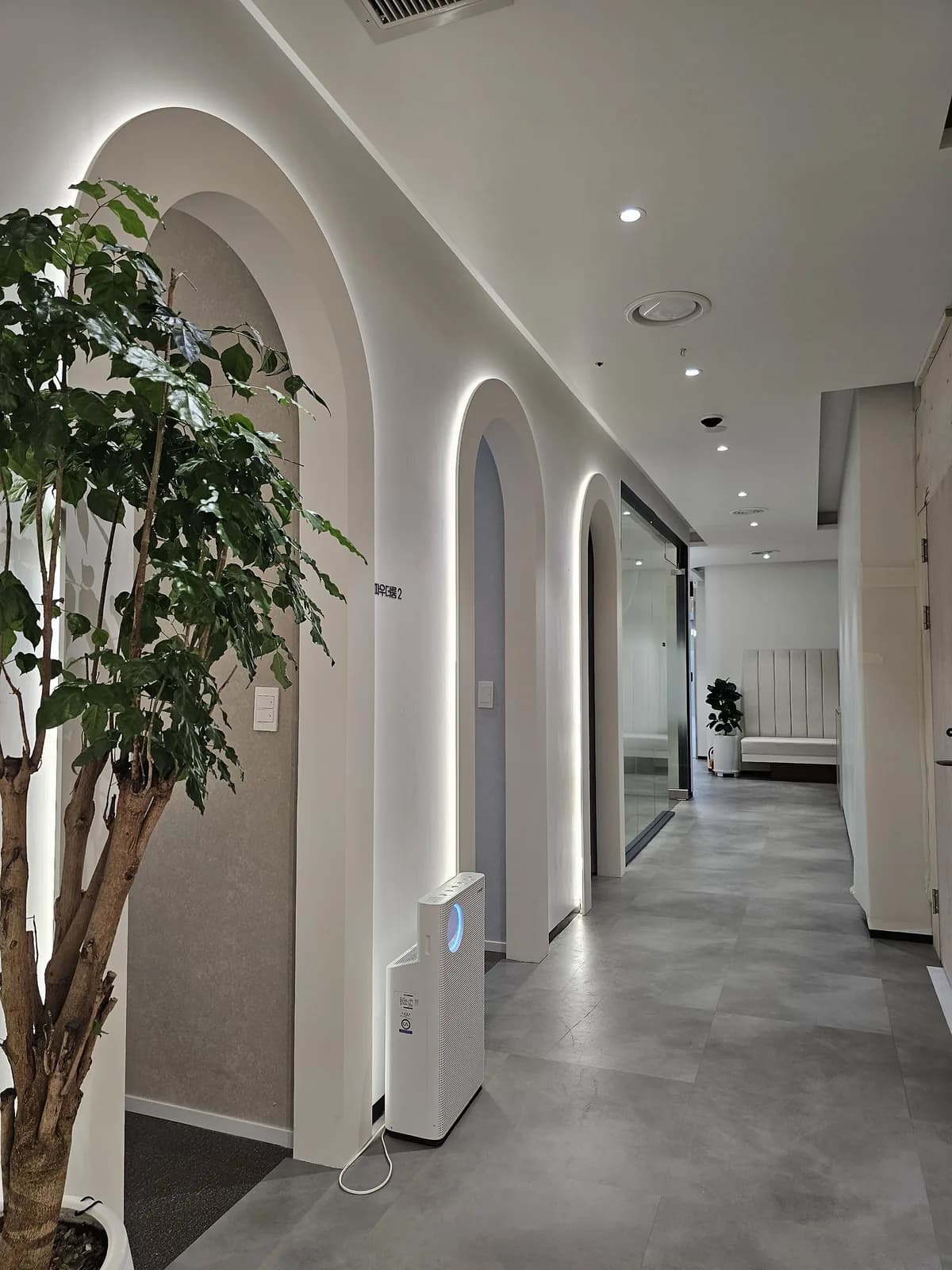
Muse Clinic Myeongdong is on the 3rd floor of Korea Daeyungak Tower, 97 Toegye-ro, a one-minute walk from Myeongdong Station Exit 5 on Line 4, across from Shinsegae Department Store. There's a Twosome Place café and a Hana Bank on the ground floor, which helps when you're looking for the entrance.
A structured consultation with an interpreter comes first, and then I plan and perform the treatment one-to-one. You can look through the full treatment list before you come, and read about my training and society memberships.
If you're weighing pigment work against a glass-skin plan, what a Korean glass skin treatment involves covers that side, and Korean laser skin treatment options looks at lasers more broadly. For a wider view of what visitors book, see Korean skin treatment in Seoul.
One photo of your cheeks by a window and the dates you'll be in Seoul are all a first WhatsApp message needs. Ask what a plan for your kind of pigment would cost on this trip; you can ask before you book anything. When you come in, I'll examine your skin myself and recommend the treatment that suits it.
Questions people ask
Before you message us
Is one laser toning session in Seoul worth it?
It can be, as long as you know what one session does. A single toning session often leaves skin looking a little brighter, but melasma and uneven tone usually improve over a series. If you only have one visit, use it to start a plan, learn which pigment you have and set up a sunscreen routine for home, and avoid treating that one session as the whole result.
How many sessions does melasma usually take?
Melasma generally needs a course of sessions spaced weeks apart, followed by maintenance and daily sun protection, because it tends to return with heat, light and hormones. The count for your skin is set after an examination of the pattern and depth of the pigment. Plan for more than one trip, or for continuing care at home, if melasma is your main concern.
Do foreigners pay more for skin whitening treatment in Korea?
Not at our clinic. The Korean skin whitening treatment cost at Muse Clinic Myeongdong follows the same published price list for foreign and Korean patients, with no foreigner markup. Every treatment and option is listed on the website and listed prices exclude VAT. To know what your own plan would cost, ask on WhatsApp with a photo of the area.
Can I go sightseeing straight after a toning session?
Usually, yes. Mild redness after laser toning or pico toning tends to settle within hours to a day, so most people carry on with their plans. Wear sunscreen, add a hat in strong sun, and skip saunas, hot baths and scrubs for a day or two. Peels and spot treatments can need a few more days of care, so check before you plan a photo-heavy day.
Are glutathione injections an alternative to laser for whitening?
Published reviews in dermatology journals conclude that the evidence for glutathione as a skin lightener is limited and that the safety of the injected form is not well established. Lasers and peels act directly on pigment in the skin, which glutathione does not. I would not plan a pigment treatment around glutathione alone, and sun protection matters whichever route you choose.
Results and maintenance period vary by individual. Every procedure carries the possibility of side effects, which are explained before you agree to treatment. Prices exclude 10% VAT and event prices may change. This article is general information from the clinic and is not a diagnosis; suitability is decided at the consultation.
Written by
Dr. Sarang Lim
Head Doctor · Muse Clinic Myeongdong
- Education & training
- Graduated, Inje University College of Medicine · Residency training, Paik Medical Center (Inje University) · Sungkyunkwan University Graduate School, Master's degree · Indiana University Kelley School of Business
- Advisory & certification
- Cynosure — Certified laser center · Juvéderm — Advisory doctor · QT Fill — Advisory doctor · Olidia — Advisory doctor · Galderma Sculptra — Advisory doctor · Merz — Advisory doctor · Jeisys — Advisory doctor · NOVA Thread — Advisory doctor
- Academic societies (full member)
- Korean Academy of Aesthetic Plastic & Laser Medicine · Korean Society of Aesthetic Surgery · Korean Society of Obesity Research Medicine · Korean Society of Obesity & Aesthetic Medicine · Korean Society of Anti-Aging Medicine