Pigmentation & Moles
Tattoo Removal Korea: Sessions and Who It Suits
Tattoo removal Korea in numbers: 4 to 15 laser sessions, 6 to 8 weeks apart. A Seoul doctor on who it suits, healing days, and why one trip rarely…
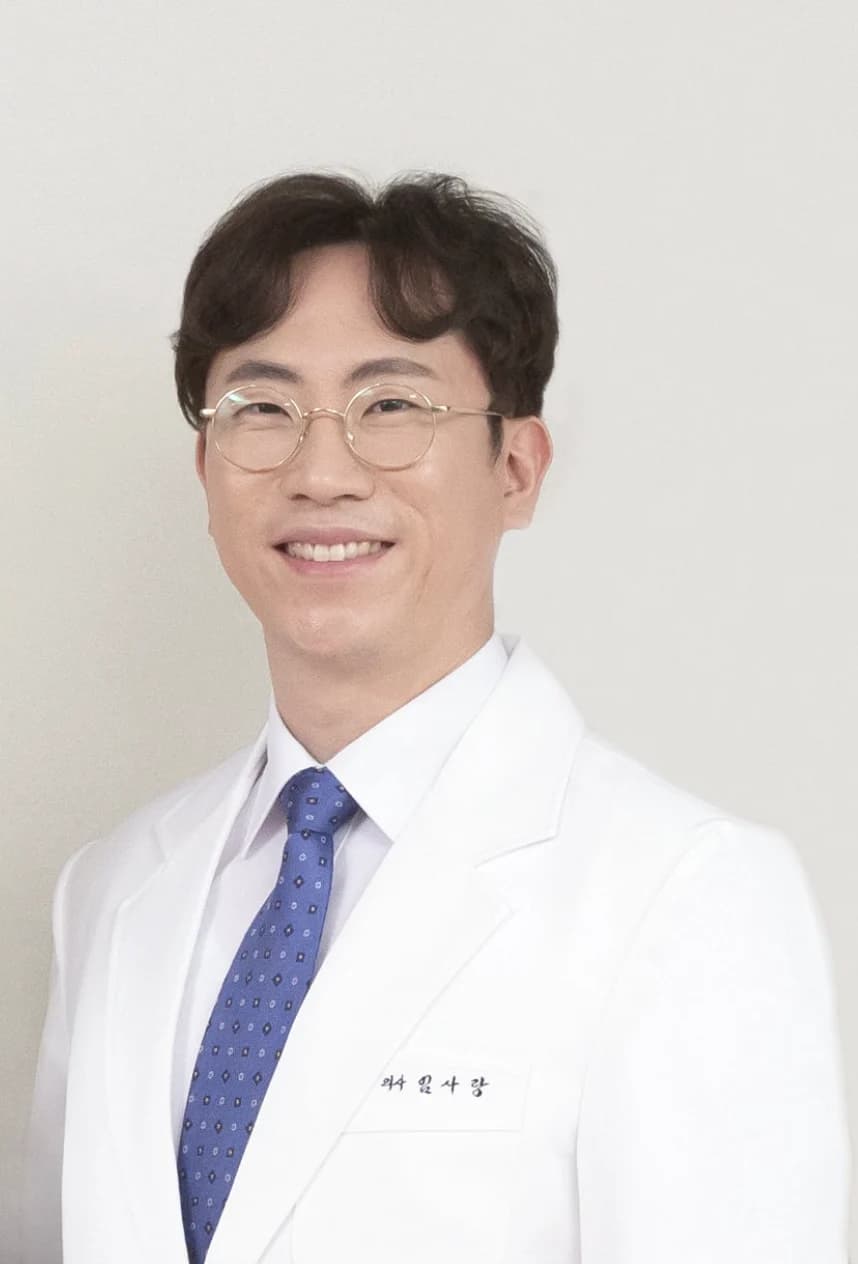 Dr. Sarang LimHead Doctor, Muse Clinic Myeongdong · 9 min readMedically reviewed by Sarang Lim, M.D., Head Doctor · Edited by: Sarang Lim, M.D.
In this article
- 01How does a laser actually remove ink?
- 024 to 15 sessions: what moves you up or down the range
- 036 to 8 weeks apart: what that does to your calendar
- 04What do the first two weeks after a session look like?
- 05Can Korean eyebrow or lip tattoos be lasered off?
- 06Risks and side effects to know before a session
- 07Who I think it suits, and who should wait
Tattoo removal Korea works the way it works everywhere: a laser breaks the ink into fragments small enough for your immune system to carry away, and that takes several sessions spaced weeks apart. If you searched “tattoo removal korea” because you're teaching here on a one-year contract, or you fly into Seoul every couple of months, what you're really working out is whether your calendar can hold a whole course, and how you'll cover a healing patch at work in between.
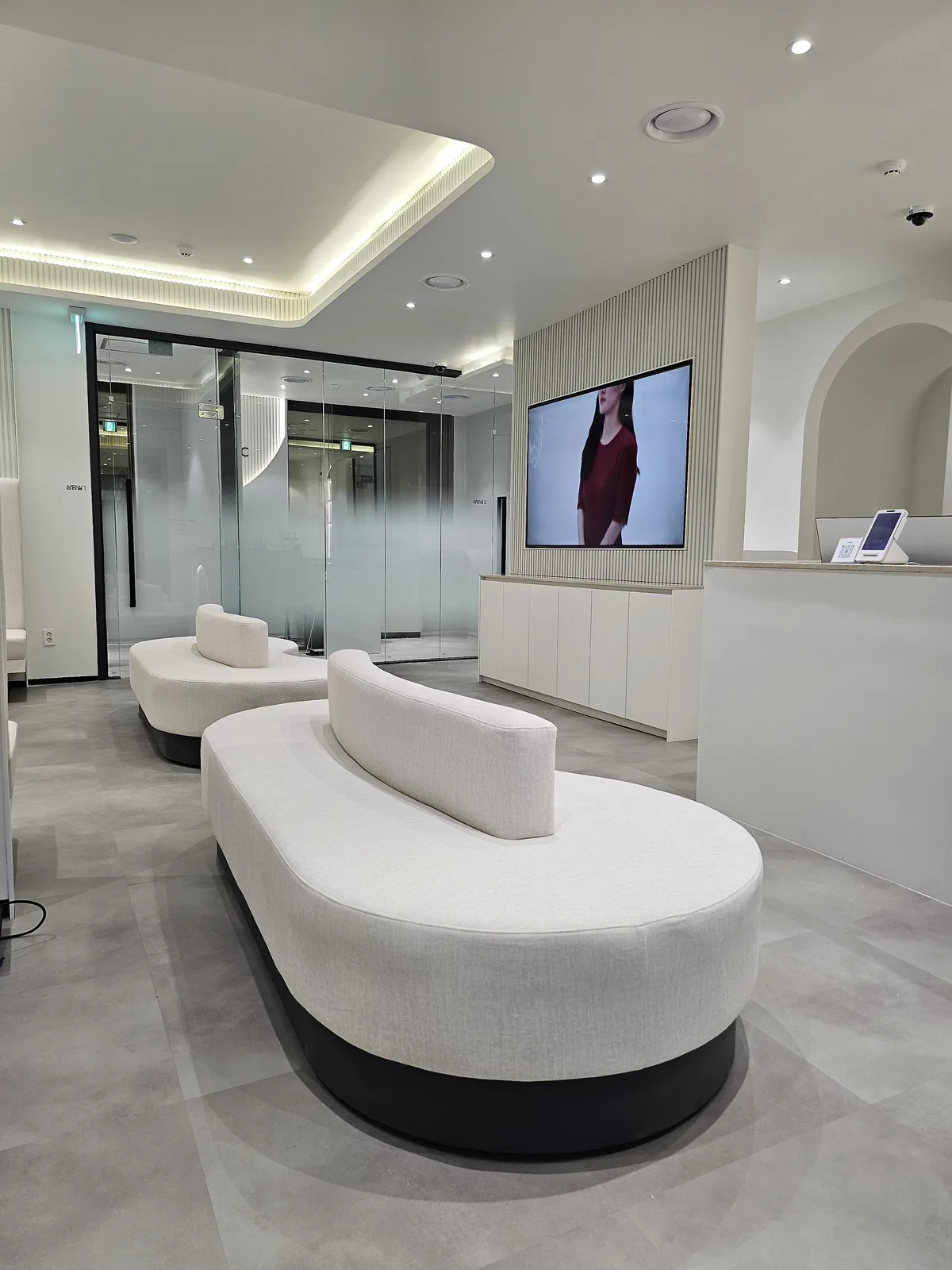
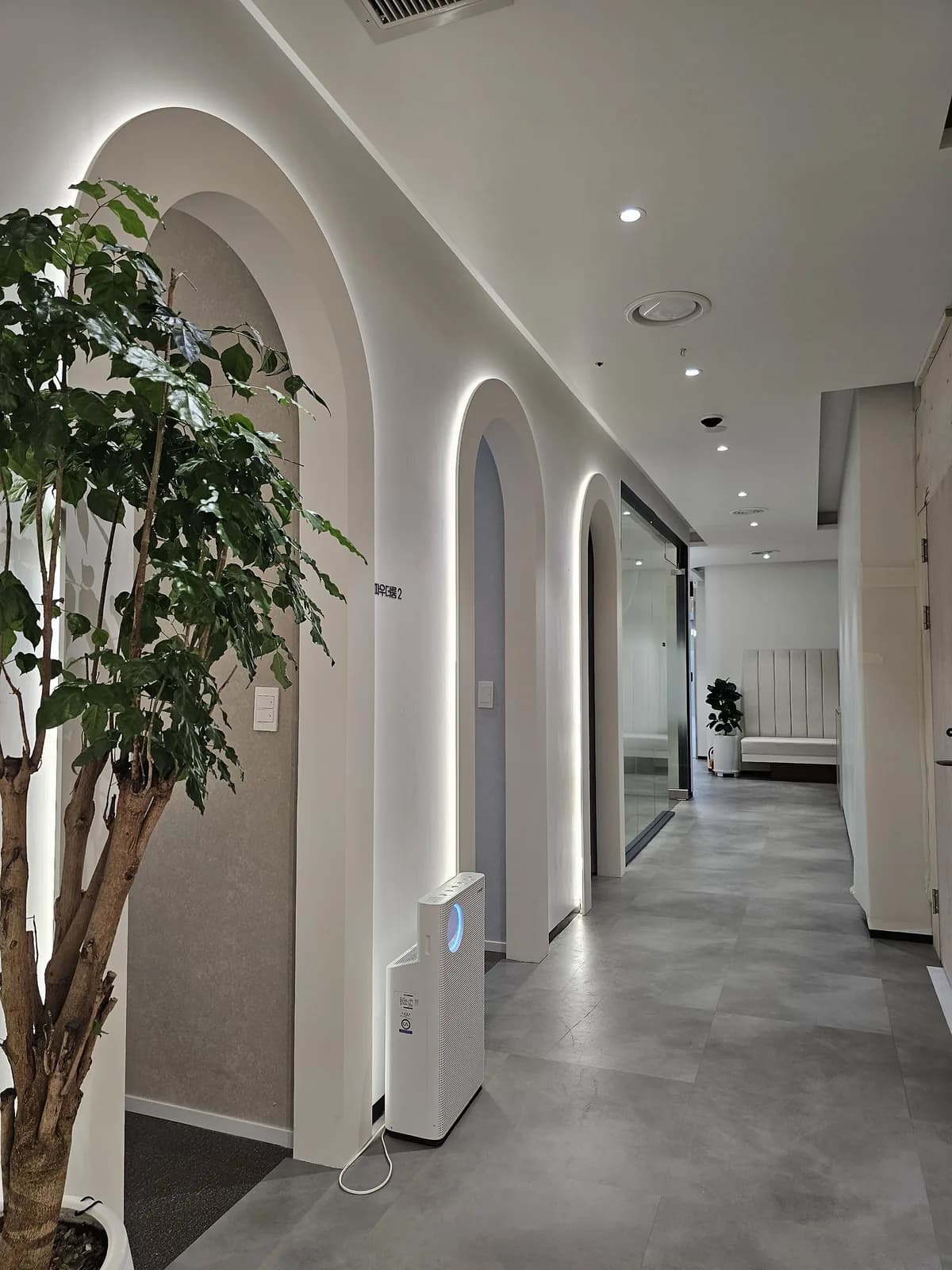
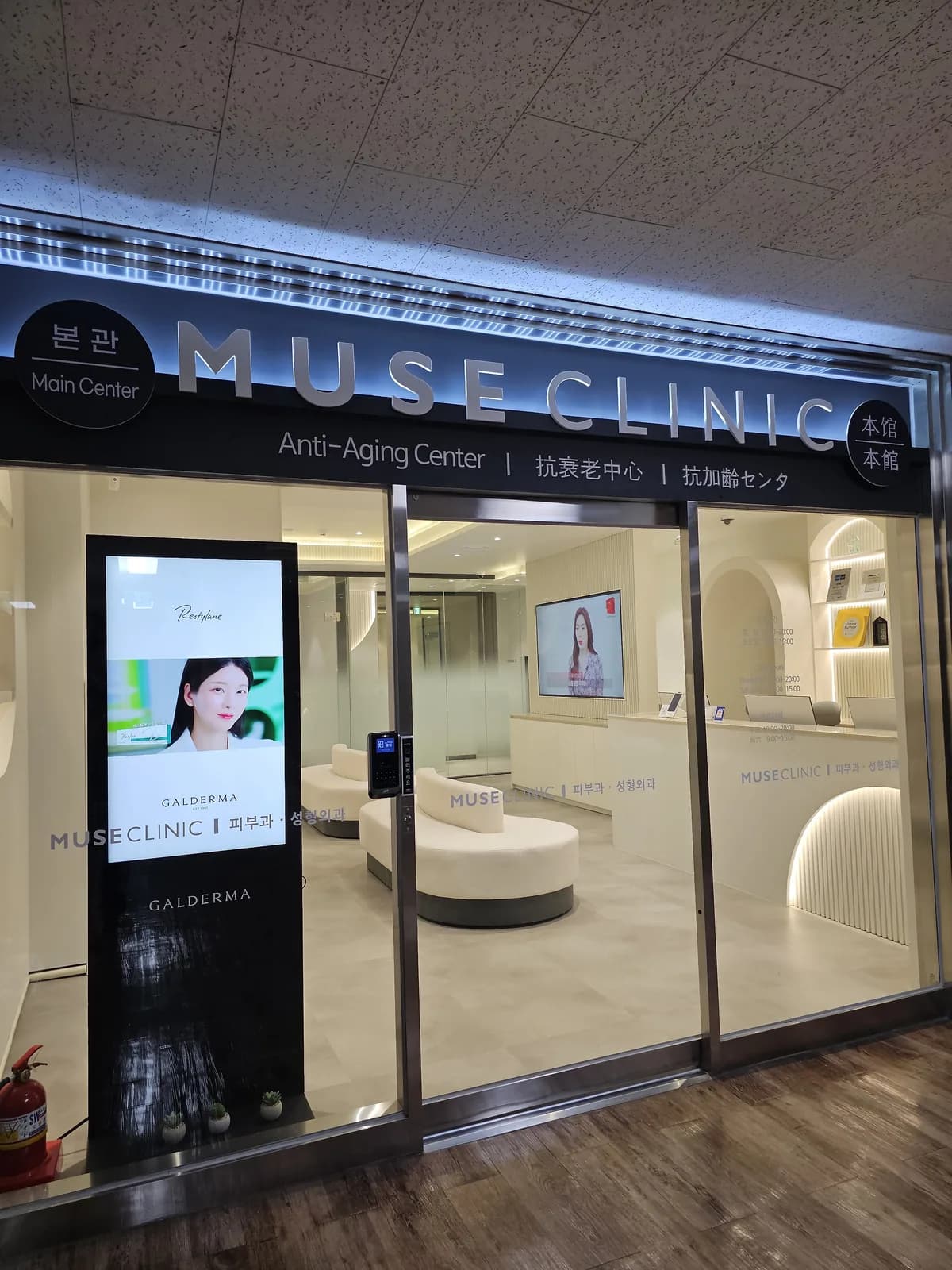
Muse Clinic Myeongdong is a 1-minute walk from Myeongdong Station Exit 5 and is open on Saturdays and Sundays from 9 AM to 3 PM as well as weekdays until 8 PM, which matters when sessions have to fit around a work week. An English interpreter stays with you from the consultation through the treatment, and after that consultation I plan and perform the treatment one-to-one.
Take a daylight photo of the tattoo with a coin beside it for scale and send it on WhatsApp, along with roughly how old the tattoo is and how many months you have left in Korea. Size, age and time left are the three numbers the rest of this article keeps coming back to.
How does a laser actually remove ink?
Tattoo ink sits in the dermis, below the surface layer that sheds, as particles too large for the body to remove. A tattoo-removal laser fires extremely short pulses that heat and shatter those particles. The StatPearls review on laser tattoo removal describes both effects, heat and a mechanical shock from rapid expansion, and explains that the smaller fragments are then cleared by macrophages, the immune cells that tidy up debris in the skin.
That clearing is the slow part. The American Academy of Dermatology notes that a laser can't safely break down every layer of ink in one session, that skin needs time to heal between treatments, and that the body needs time to flush out the fragments. Each session should leave the tattoo lighter than the one before.
Colour matters because each laser wavelength is absorbed by some inks better than others. The AAD puts it directly: a single laser can't remove every ink colour. A black tattoo and a green-and-yellow one are different projects.
4 to 15 sessions: what moves you up or down the range
StatPearls lists the main factors as the tattoo's age, colour, ink quality and placement. These are the questions worth answering before you start counting weeks.
| Factor | Usually fewer sessions | Usually more sessions |
|---|---|---|
| Colour | Black or dark blue | Orange, yellow, white, some greens |
| Age | Older, already faded | Recent and dense |
| History | Never treated before | Previously treated, changed colour or darkened |
Two more details shift the count. Amateur tattoos often hold less ink, placed less evenly, than professional ones, and they often clear in fewer sessions, though not always. Tattoos on the ankle or lower leg are commonly reported to clear more slowly, likely because circulation there is lower.
If you only want to fade a tattoo enough to cover it with new work, the target sits below full clearance, and fewer sessions are usually needed.
6 to 8 weeks apart: what that does to your calendar
Here's the arithmetic. With sessions every 6 to 8 weeks, four sessions take about four to six months from first to last, and fifteen take roughly a year and a half to two years. Most tattoos land somewhere in between.
That turns the decision into a question about your time in Korea:
- On a one-year contract, you can fit roughly seven to nine sessions, which may be enough for a smaller black tattoo and will fade many others substantially.
- On a few short visits a year, each trip carries one session. Spacing your flights about two months apart keeps the rhythm.
- On a single holiday, you get one session. That lightens the tattoo; the remaining sessions continue at home with a qualified doctor.
Weekend hours help if you work weekdays: a Saturday-morning appointment leaves Sunday to rest before work on Monday. If the area shows at work, plan clothing or a dressing for the first one to two weeks, the window the next section walks through.
If laser treatment in general is new to you, I've also written about the other laser treatments visitors book in Seoul.
What do the first two weeks after a session look like?
Most of the healing happens in the first fortnight, and the pattern is regular enough to plan around.
- Session day. The treated area often turns white for several minutes, then red and swollen. Pinpoint bleeding or small blisters can appear. The AAD describes redness, swelling and a little blistering as expected after laser tattoo removal.
- Days one and two. StatPearls advises avoiding strenuous exercise and excessive heat for 24 to 48 hours, so skip the gym, long hot showers and the jjimjilbang.
- Days two to five. Wash gently, apply the ointment your doctor recommends and keep the area covered, as the AAD advises.
- Up to two weeks. Swelling, redness and itching usually settle within one to two weeks, according to StatPearls. Crusts form; leave them alone, because picking raises the risk of infection and marks.
- The following months. Keep treated skin out of the sun. StatPearls suggests minimising exposure for at least two weeks and using SPF 30 or higher, and the AAD advises covering the area with light-blocking clothing for three months.
For work, that means a long-sleeved shirt or a breathable dressing for about two weeks after each session, and no beach plans for a while.
If you already know the weeks you'll be in Seoul, send them on WhatsApp together with where on your body the tattoo sits. Ask the one question your schedule depends on, for instance whether a session right before a long-haul flight makes sense.
Can Korean eyebrow or lip tattoos be lasered off?
Cosmetic tattoos on the brows, along the lash line and on the lips are popular in Korea, and many of the searches around removal are really about them. They behave differently from body tattoos. StatPearls notes that some inks containing ferric oxide or titanium dioxide can darken when hit by a laser. Those ingredients are common in brown, pink and skin-toned cosmetic pigments, so a soft brown brow can turn grey-black after a pulse.
For that reason, many doctors treat a small test area first and wait to see how it responds before going further. Eyeliner sits right at the lash line, where the eye itself needs protection, and that is a specific conversation for the consultation.
If the mark you want gone is a raised spot and not a tattoo at all, healing works differently; I've covered that in mole removal scars and healing in Seoul.
Risks and side effects to know before a session
StatPearls notes that darkening of the skin around a treated tattoo is more common than lightening, and that lightening, when it happens, is more likely to last. The AAD says light or dark spots usually fade within 6 to 12 months. Blistering, infection and scarring can occur; StatPearls links them to overly aggressive settings and poor wound healing, and the AAD notes side effects are more common when the person treating you lacks medical training.
Darker skin needs particular care, because laser energy aimed at ink also reaches your natural pigment. StatPearls describes certain wavelengths as safer for darker skin types, which is one reason the laser choice is made after seeing your skin.
Not every tattoo clears completely. Some colours and previously treated tattoos may leave a faint shadow even after many sessions. Results vary from person to person, and the number of sessions you'll need is decided at the in-person examination.
Skip shortcuts. The AAD reports that the FDA warns against tattoo removal creams and do-it-yourself kits: there's no evidence they remove tattoos, and they often contain strong acids that can cause a rash, a burn or a scar.
Some people should wait: anyone with a fresh tan or sunburn over the tattoo, a history of keloid scars, an active rash or infection in the area, or a pregnancy. If you're comparing providers in Korea, how to check a Korean clinic's medical licence is a sensible first step.
Before your next trip is booked, send a WhatsApp message listing the ink colours in your tattoo and whether anyone has lasered it before. Those two answers shape the session count more than size does, and they're easy to forget once you're in the chair.
Who I think it suits, and who should wait
To me, tattoo removal is mostly patience and arithmetic. I want to see the tattoo in person, with the interpreter beside you so nothing gets lost, because colour, depth and your skin type shape the plan. If you live in Korea for a year or come back every couple of months, a full course can fit your calendar. If you're here once, I'd rather you start knowing the rest continues at home than expect clearance in one visit.
It suits people who'll be in Korea long enough to keep the rhythm, people who want a tattoo faded enough for a cover-up, and people with an older black tattoo. It suits less well if you need the area to look untouched within a few weeks, or if your skin over the tattoo is tanned right now.
On our menu it's listed as Tattoo Remove, described as removing tattoos with the right laser choice for your condition. You can browse the full treatment list, see what visitors book for skin care in Korea if you're combining plans, or read my training and society memberships.
Questions people ask
Before you message us
Does laser tattoo removal hurt?
Most people find it uncomfortable, and some find it painful. The American Academy of Dermatology notes that a dermatologist can numb the skin beforehand with a cream or an injection. People often describe each pulse as a rubber band snapping against the skin, followed by warmth for a while afterwards. Small areas take only minutes, which helps.
Can I go to a jjimjilbang or the gym after a session?
Not straight away. StatPearls advises avoiding strenuous exercise and excessive heat for 24 to 48 hours after treatment. Saunas and hot baths can wait until the skin has closed and any crusts have come off on their own, which usually takes one to two weeks. Shared baths also carry a higher infection risk for broken skin.
Will my tattoo disappear completely?
Many tattoos fade until they are hard to see, but not all clear fully. Some colours, dense professional ink and tattoos that were treated before may leave a faint shadow. StatPearls notes that previously treated tattoos that changed colour may need more sessions and may not clear completely. The goal for your own tattoo is set at the consultation once it has been examined.
Can I continue the sessions back home?
Yes. A qualified doctor with tattoo-removal lasers at home can continue the course. Keep a note of each session date, how your skin reacted and how long healing took, and bring it to your first appointment there. Leave at least six to eight weeks after your last Seoul session, the usual interval StatPearls describes, before the next one.
Do tattoo removal creams work instead of a laser?
There's no evidence that they do. The AAD reports that the FDA warns against tattoo removal creams and do-it-yourself kits, which often contain strong acids that can cause a rash, a burn or a scar. A scar left by a cream can be harder to deal with than the tattoo itself, so a laser course, even a slow one, is the route to plan around.
Results and maintenance period vary by individual. Every procedure carries the possibility of side effects, which are explained before you agree to treatment. Prices exclude 10% VAT and event prices may change. This article is general information from the clinic and is not a diagnosis; suitability is decided at the consultation.
Written by
Dr. Sarang Lim
Head Doctor · Muse Clinic Myeongdong
- Education & training
- Graduated, Inje University College of Medicine · Residency training, Paik Medical Center (Inje University) · Sungkyunkwan University Graduate School, Master's degree · Indiana University Kelley School of Business
- Advisory & certification
- Cynosure — Certified laser center · Juvéderm — Advisory doctor · QT Fill — Advisory doctor · Olidia — Advisory doctor · Galderma Sculptra — Advisory doctor · Merz — Advisory doctor · Jeisys — Advisory doctor · NOVA Thread — Advisory doctor
- Academic societies (full member)
- Korean Academy of Aesthetic Plastic & Laser Medicine · Korean Society of Aesthetic Surgery · Korean Society of Obesity Research Medicine · Korean Society of Obesity & Aesthetic Medicine · Korean Society of Anti-Aging Medicine