Pigmentation & Moles
Korean Skin Whitening Treatments: Days Needed? Cost, Reviews
Korean skin whitening treatments even out pigment, not base color. Plan days around the method; interpreters in Myeongdong. Send one photo on WhatsApp.
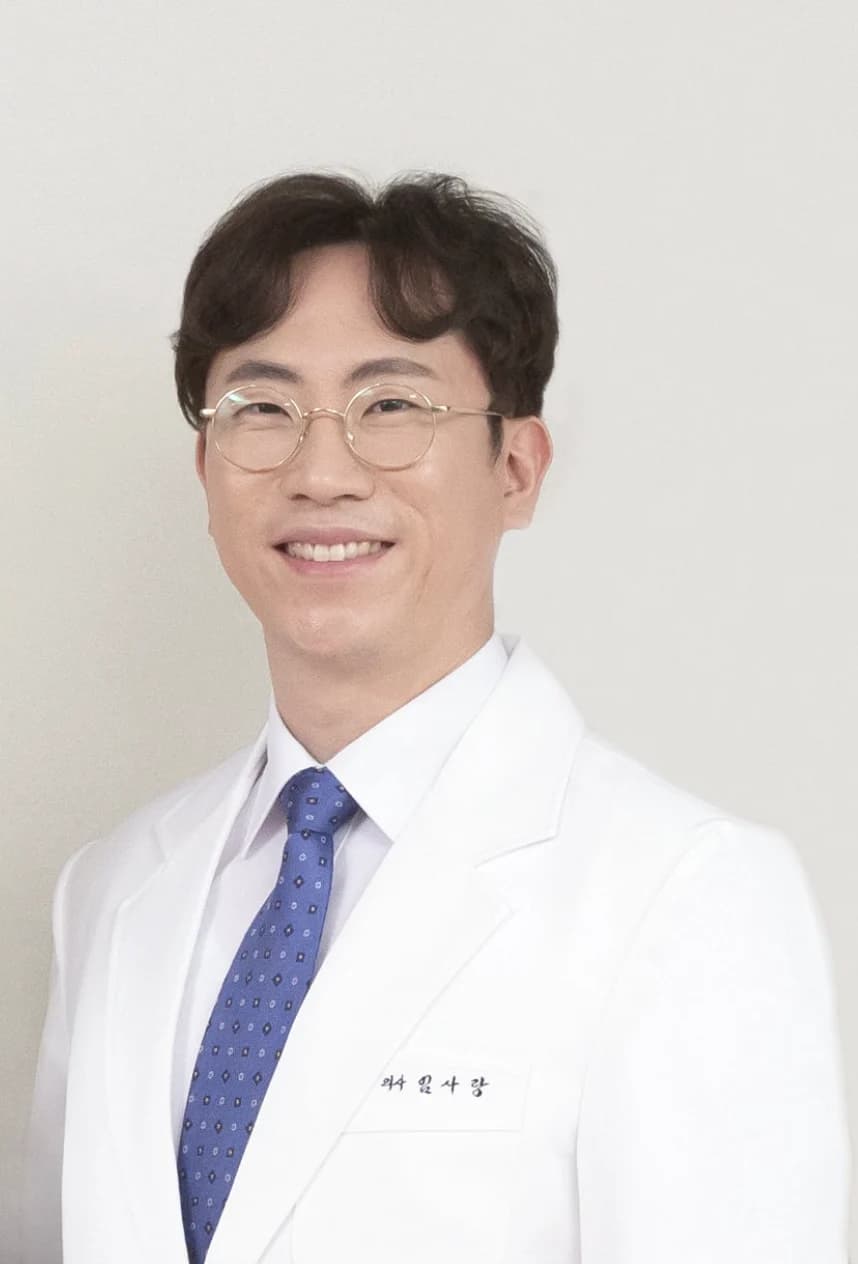 Dr. Sarang LimHead Doctor, Muse Clinic Myeongdong · 11 min readMedically reviewed by Sarang Lim, M.D., Head Doctor · Edited by: Sarang Lim, M.D.
In this article
Thinking about Korean skin whitening treatments, but not sure how many days they'd take out of a short trip or what they can really change?
Read this before you book the flight.
Hello, I'm Sarang Lim, M.D., Head Doctor.
You'll know what decides the cost, which review claims hold up, how the methods differ and how many days each plan needs, so you can pick one that fits your skin, your leave and your budget.
Hello, I'm Dr. Sarang Lim, Head Doctor at Muse Clinic Myeongdong.
We're a 1-minute walk from Myeongdong Station Exit 5 and open on Saturdays and Sundays until 3 PM. English, Japanese and Chinese interpreters are in the clinic, and foreign visitors pay the same listed prices as Korean patients.
I'm writing this because many people plan one long weekend around a shade change that no treatment delivers.
These treatments fade extra pigment and dullness; your inherited skin color stays. One peel or toning session fits inside a 2–3 day trip, while stubborn pigment usually takes a series over weeks or months.
If you're still juggling dates, send a daylight photo of the area that bothers you on WhatsApp with your travel dates, and ask which treatment fits those days.
What can Korean skin whitening treatments change?
The name oversells it. Your base skin color is set by genes, and no laser or peel resets it. What treatment can reach is the extra pigment sitting on top of that base: a lingering tan, freckles, sun spots, marks left by acne and the brown patches of melasma. It can also lift dullness, since shedding old surface cells changes how skin reflects light.
So the first thing I'd want to know about your skin is what kind of darkness it is and when it appeared. Freckles that darken every summer, a brown mark where a pimple used to be and a symmetrical patch across both cheeks can look alike in a selfie. They behave differently, and each one changes how many days you need.
If you tell me you want to be two shades lighter, I'll steer the conversation toward even tone. Even skin reads as brighter in photos and in daylight, and it's a goal treatment can work toward. Chasing a shade your skin wasn't born with is how people end up over-treated, with patchy pale spots and a bigger problem than the one they came with.
If what you're after is glow and moisture more than tone, that's a different plan, and our page on Korean glass skin treatment in Seoul covers how to get there. For a wider view of what visitors come in for, see what to book for Korean skin treatment.
Methods: which treatment fits which kind of darkness
The melasma, pigment and whitening section of our menu lists laser toning, Pico laser toning, the Cynergy Genesis laser and a body toning laser, with a separate peel menu alongside it. Here is how the main families work in general.
Laser toning and Pico laser toning. Low-energy laser passes break up pigment gradually across the whole treated area. Pico lasers deliver that energy in far shorter pulses. Either way, this is usually a repeated treatment. A systematic review of low-fluence Q-switched Nd:YAG laser for melasma describes improvement over repeated sessions, along with recurrence and patchy lightening as known problems.
Peels. A peel sheds surface layers, which helps dullness and shallow pigment. On our menu, Milk Peel is listed for skin tone and moisture, and Aladdin Peeling for pigmentation, breakouts, pores and keratin. Stronger peels can flake for several days, which matters if your trip includes photos.
Body toning laser. This one is for areas beyond the face. Body skin usually responds more slowly than facial skin, so it rarely suits a one-trip plan.
Glutathione and whitening drips. These come up in nearly every conversation about whitening. A review in the Indian Journal of Dermatology, Venereology and Leprology concluded that the evidence for injected glutathione as a skin lightener is thin and raised safety concerns. I wouldn't build a trip around one.
How many days do you need in Seoul?
Work backward from the goal. This table gives general planning numbers, and it isn't a clinic schedule, so confirm the timing for your skin when you book.
| Your goal | What one trip can hold | Days to plan |
|---|---|---|
| Brighter, more even look for now | One peel or toning session | 2–3 |
| Freckles, sun spots or old marks | A first session, with more on later trips or at home | 3–4 |
| Suspected melasma | A consultation and a long-term plan | Treat it as a months-long project |
Toning series are commonly spaced a week or more apart, so a four-day visit holds one session. Anyone promising you a whole series in one long weekend is compressing something that works through repetition.
Check your landing time against our hours: 10 AM to 8 PM on weekdays, 9 AM to 3 PM on weekends. An afternoon landing on a weekday can still leave you part of that evening, while an afternoon landing on a Saturday can't.
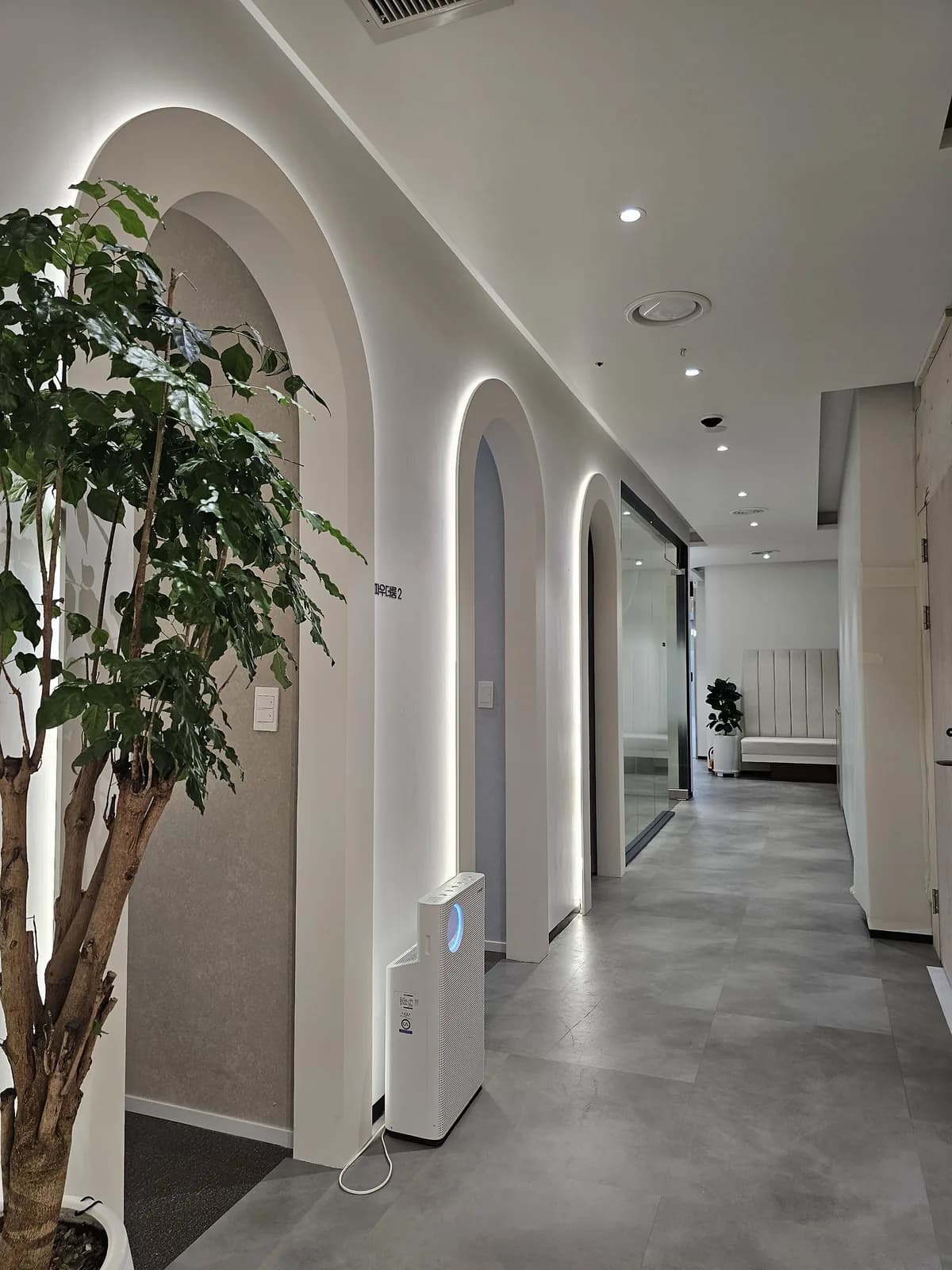
I'd put treatment early in your stay, so any redness or irritation shows up while you're still in Seoul, and I'd leave at least one full day before the flight. For a few days after a laser or peel, many doctors advise skipping saunas, the jjimjilbang and hard workouts, because heat can aggravate treated skin. Save any beach days for before treatment.
The flight itself is mostly a skin care question. Cabin air is dry, and UVA light passes through aircraft windows, so moisturize, wear sunscreen and pull down the shade on a daytime flight.
Say you have freckles and old acne marks on your cheeks, you're flying in from Singapore for four days, and your budget is firm. One trip won't finish the job, so the useful question is what to start. A single toning session or peel early in the stay, plus a daily sunscreen habit, gives you a beginning without wrecking your vacation photos.
Now say the darkness is a symmetrical patch across both cheeks that worsens in summer. That pattern points toward melasma, and heat and laser energy can sometimes make it flare. The American Academy of Dermatology notes that melasma can return and that sun protection is part of treating it. With that pattern, I would slow down and argue against squeezing a laser course into a short holiday.
Before you settle on days, write down when the darkness first appeared and whether summer makes it worse, send that on WhatsApp, and ask whether one trip can hold what you want done.
What do reviews get right and wrong?
Review threads repeat a few claims, and they aren't equally reliable.
"One session took me several shades lighter." This is the claim to doubt. A session can leave skin looking brighter for a while because it's freshly exfoliated and hydrated, but that isn't a change in base color. Lighting and makeup also do a lot of work in photos.
"Toning made my melasma worse" or "left white spots." This can happen. Rebound darkening and patchy lightening are both described in the medical literature, which is why spacing, energy settings and an accurate diagnosis matter so much.
"Dark marks came back after the trip." Often true. Sun is the usual culprit, and melasma tends to recur. People who stop sunscreen when they get home can lose much of what they gained.
"A whitening drip lightens your whole body." The evidence doesn't support this with any confidence, as the review above explains.
What decides the cost for your trip?
No figure in a forum post will match your plan, because these factors move it:
- Method: a peel, laser toning and Pico laser toning are priced as different treatments.
- Area: a patch on the cheeks, the full face or a body area.
- Number of sessions: one session on this trip, or a series across several trips.
- Add-ons: anything combined on the same visit, such as a peel with toning.
- Days in Korea: extra nights for a longer stay, and any return trips, belong in your own total.
Two facts help when you compare your plan: menu prices on our site exclude 10% VAT, and foreign visitors pay the same listed prices as Korean patients. For a figure for your own case, ask on WhatsApp what it would cost for the area and number of sessions you have in mind, with a photo.
Risks and side effects to know
Common temporary reactions include redness, warmth, mild swelling, dryness and flaking. After low-energy toning, redness often settles within hours to a day or two. After a stronger peel, flaking can last several days.
The risks that matter more are the pigment ones. Inflammation can leave new dark marks, and DermNet notes that postinflammatory hyperpigmentation is more common in darker skin and can take months to fade. Repeated laser exposure can also leave pale spots, and melasma can rebound.
In general, you should wait or skip treatment if any of these apply:
- You have an active infection, cold sore or inflamed breakout in the area.
- You've had a recent peel, laser or fresh tan there.
- You've recently taken isotretinoin for acne.
- You're pregnant or breastfeeding.
- You tend to scar or darken easily after small injuries. Mention this before anything is planned.
If a reaction appears after you fly home, photograph it in daylight, stop actives such as retinoids and exfoliating acids, and stay out of the sun. Spreading redness, pus, blistering, fever or increasing pain need a local doctor promptly, so take a record of what was done with you. If you're adding boosters for glow, our page on Korean glass skin treatment side effects covers those separately.
Results vary from person to person, and so does how long they last. The session count and spacing that suit your skin are confirmed at the consultation.
Before you commit to dates, list what you're using on your skin and any oral medication, along with recent peels or lasers. Send that on WhatsApp and ask whether anything on the list changes your timing.
Keeping your skin even once you're home
In short, this stage decides more than people expect. Daily broad-spectrum sunscreen, reapplied when you're outdoors, does more to hold your tone than an extra session would. Hats help too, especially for melasma.
As for follow-up, the CDC's medical tourism guidance advises travelers to arrange follow-up care at home and to carry copies of their medical records. Before you leave Seoul, ask for the name of each treatment and the date, and keep them on your phone. If you want more sessions without another flight, a dermatologist at home can work from that record.
If your plan does span several trips, ask about intervals before you buy any flights, because the gap between sessions should come from your skin and not from your airline's sale calendar. Keep your at-home routine plain in the first days back: cleanser, moisturizer, sunscreen, and actives only when your skin has settled.
To start, one daylight photo and one question on WhatsApp are enough, and you can ask before booking anything: which treatment fits my skin and the days I have? When you come, a structured consultation with an interpreter comes first, then I plan and perform the treatment that fits you one-to-one.
Questions people ask
Before you message us
Can Korean skin whitening treatments make my whole body lighter?
No treatment reliably resets your whole-body color, because base skin tone is genetic. Laser and peels can fade extra pigment in the areas treated, such as a tan, sun spots or marks. Claims about full-body lightening usually come from drips, and the evidence behind them is thin. Aiming for even tone in specific areas is a more useful goal for a short trip.
How do I get fair skin without a procedure?
Sun protection does the most: daily broad-spectrum sunscreen, reapplied outdoors, plus hats and shade. Over time, this lets a tan fade and helps stop new marks from forming. A dermatologist can also suggest proven topical ingredients for your skin. Avoid unlabeled lightening creams, because some have been found to contain mercury or strong steroids. Your inherited color won't change, but your tone can look more even.
Is laser toning the same as getting Korean glass skin?
They aim at different things. Laser toning targets pigment and uneven tone, while glass skin is about moisture, texture and how skin reflects light, which usually involves skin boosters and skin care. Some people want both. On a short trip, choose the one that matches what bothers you most, because adding treatments also adds irritation risk and days you may want to leave free.
Can I fly the day after laser toning?
Flying doesn't usually harm skin after low-energy toning, but it isn't the timing I'd choose. Leaving at least one full day lets you see how your skin reacts while you're still in Seoul. On board, cabin air dries skin and UVA light passes through the windows, so bring moisturizer, wear sunscreen and pull the shade down during daytime flights.
Will I be able to talk through my skin concerns in English?
Yes. English, Japanese and Chinese interpreters are in the clinic, and other languages can be arranged on request. Someone stays with you from consultation through treatment. We don't offer foreign-language phone support, so WhatsApp and Instagram are the ways to reach us before your visit. It helps to write down your questions in advance so nothing gets lost on the day.
Do foreign visitors pay more at Muse Clinic Myeongdong?
No. Foreign visitors pay the same listed prices as Korean patients, with no foreigner markup. The prices for our menu are published on the site and exclude 10% VAT, so add that when you work out your own total. The final plan and price are decided with the doctor at your consultation, based on the method, area and number of sessions.
Results and maintenance period vary by individual. Every procedure carries the possibility of side effects, which are explained before you agree to treatment. Prices exclude 10% VAT and event prices may change. This article is general information from the clinic and is not a diagnosis; suitability is decided at the consultation.
Written by
Dr. Sarang Lim
Head Doctor · Muse Clinic Myeongdong
- Education & training
- Graduated, Inje University College of Medicine · Residency training, Paik Medical Center (Inje University) · Sungkyunkwan University Graduate School, Master's degree · Indiana University Kelley School of Business
- Advisory & certification
- Cynosure — Certified laser center · Juvéderm — Advisory doctor · QT Fill — Advisory doctor · Olidia — Advisory doctor · Galderma Sculptra — Advisory doctor · Merz — Advisory doctor · Jeisys — Advisory doctor · NOVA Thread — Advisory doctor
- Academic societies (full member)
- Korean Academy of Aesthetic Plastic & Laser Medicine · Korean Society of Aesthetic Surgery · Korean Society of Obesity Research Medicine · Korean Society of Obesity & Aesthetic Medicine · Korean Society of Anti-Aging Medicine