Lifting & Tightening
Density Skin Tightening Treatment Korea: How Many Days? Cost
Density skin tightening treatment Korea: one session, but plan three days or more. Head Doctor Sarang Lim covers methods, cost. Send a photo on WhatsApp.
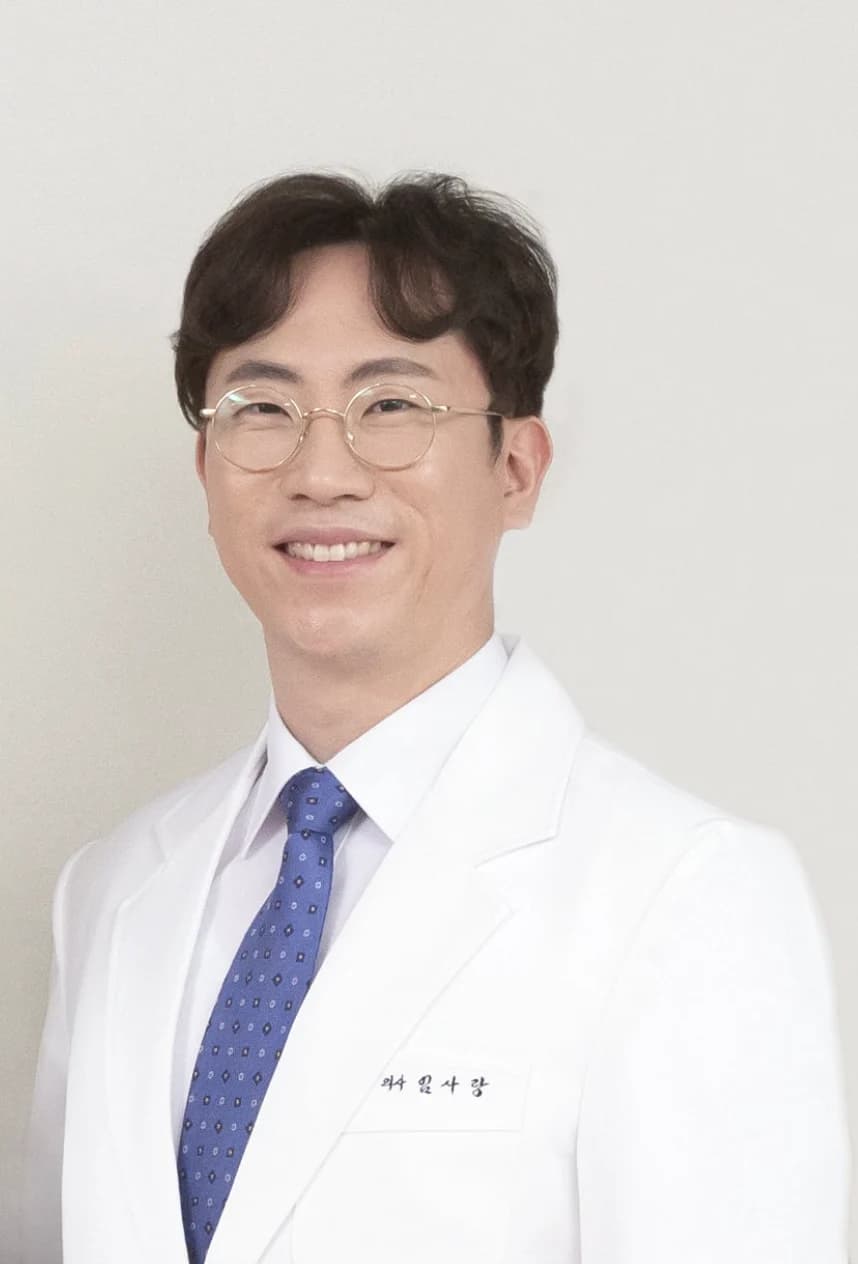 Dr. Sarang LimHead Doctor, Muse Clinic Myeongdong · 11 min readMedically reviewed by Sarang Lim, M.D., Head Doctor · Edited by: Sarang Lim, M.D.
In this article
- 01Density skin tightening treatment Korea: how many days should you plan?
- 02Density vs Thermage vs Ultherapy in Korea: which method fits?
- 03Is loose skin really your main complaint?
- 04Risks and side effects to know
- 05Who looks after you once you're home?
- 06What reviews of Density get right and wrong
- 07What decides the cost of Density in Seoul?
- 08What to send first
Is a Density skin tightening treatment Korea trip doable in a week, for you or for a parent, and what happens if the skin reacts once you're home?
Read this before you book the flights.
Hello, I'm Sarang Lim, M.D., Head Doctor.
You'll know how many days to plan, how the methods differ, what decides the cost and what reviews get right, so you can choose a plan that fits the skin, the leave and the budget.
Hello, I'm Dr. Sarang Lim, Head Doctor at Muse Clinic Myeongdong.
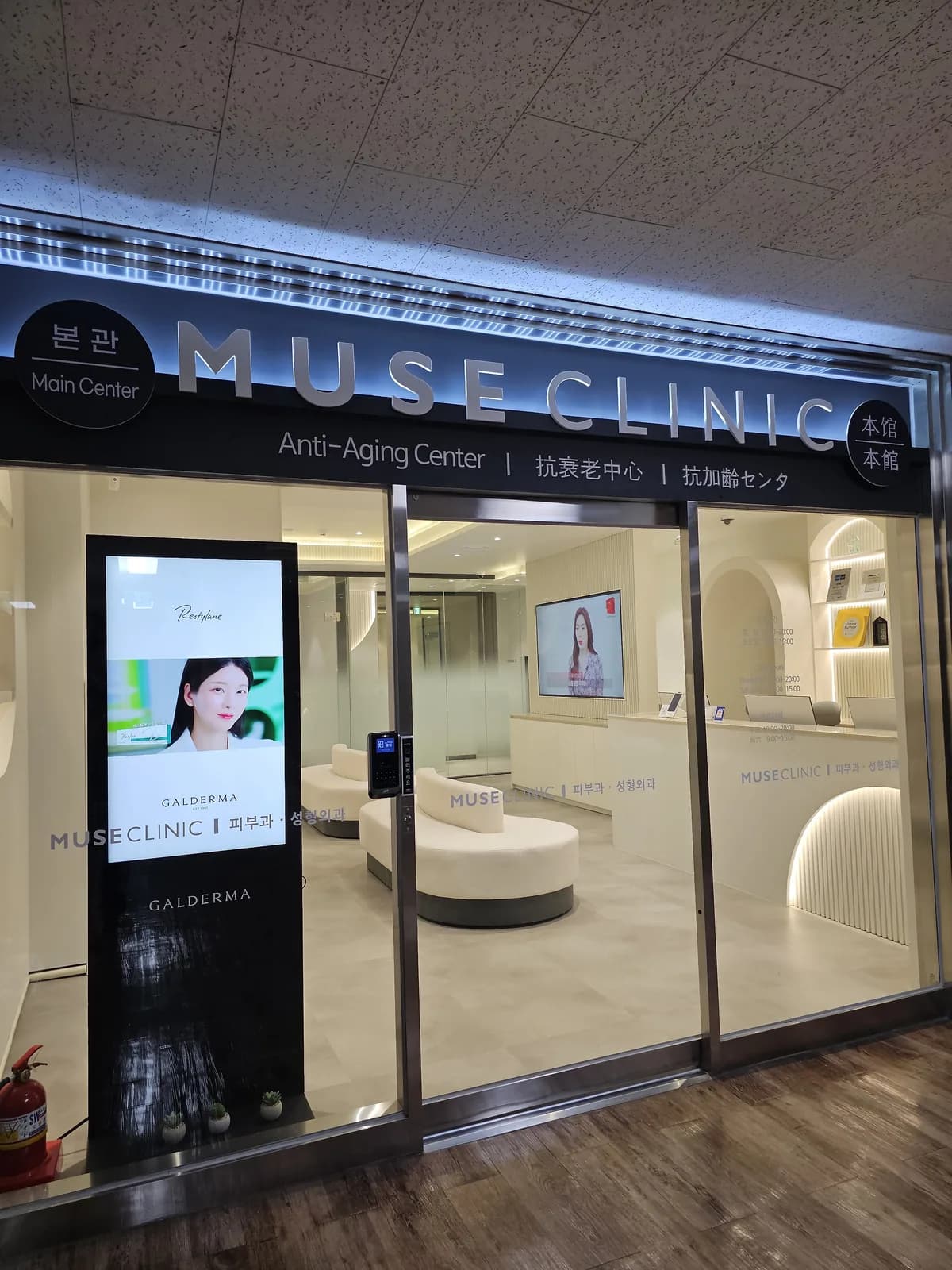
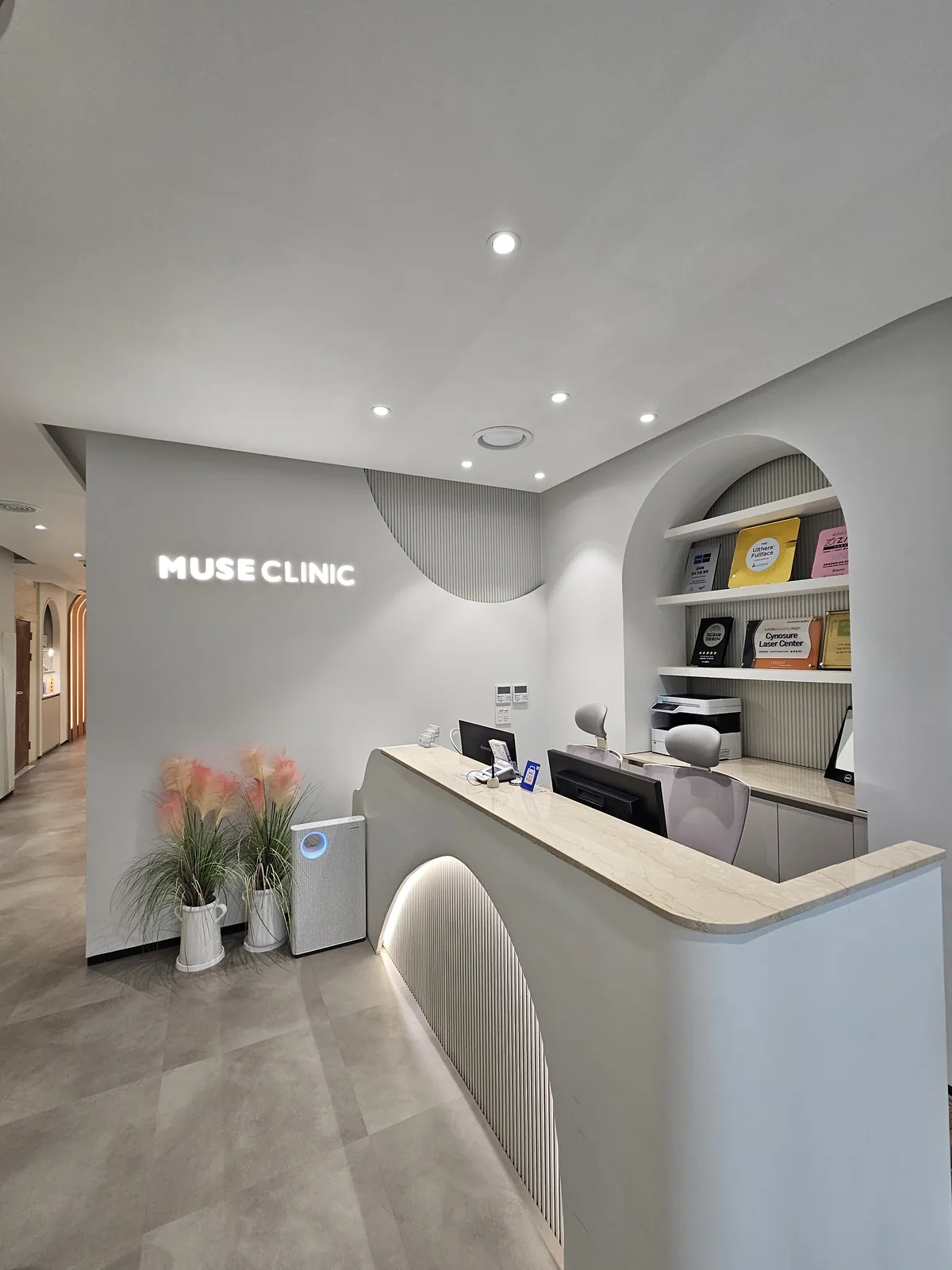
We're a one-minute walk from Myeongdong Station Exit 5 and open on weekends until 3:00 PM. English, Japanese and Chinese interpreters are in the clinic, and someone stays with you from consultation through treatment. Foreign visitors pay the same listed prices as Korean patients.
I'm writing this because people often build the whole trip around the treatment day, when the change they came for arrives months later, at home.
The session is one visit, and redness or swelling usually settles within hours to a few days, so I'd plan three days in Seoul at minimum. The American Academy of Dermatology puts the fullest effect of non-invasive radiofrequency at about six months.
If the jawline is what bothers you, send one daylight photo from the front and one from the side on WhatsApp with your travel dates, and ask whether those dates leave enough room.
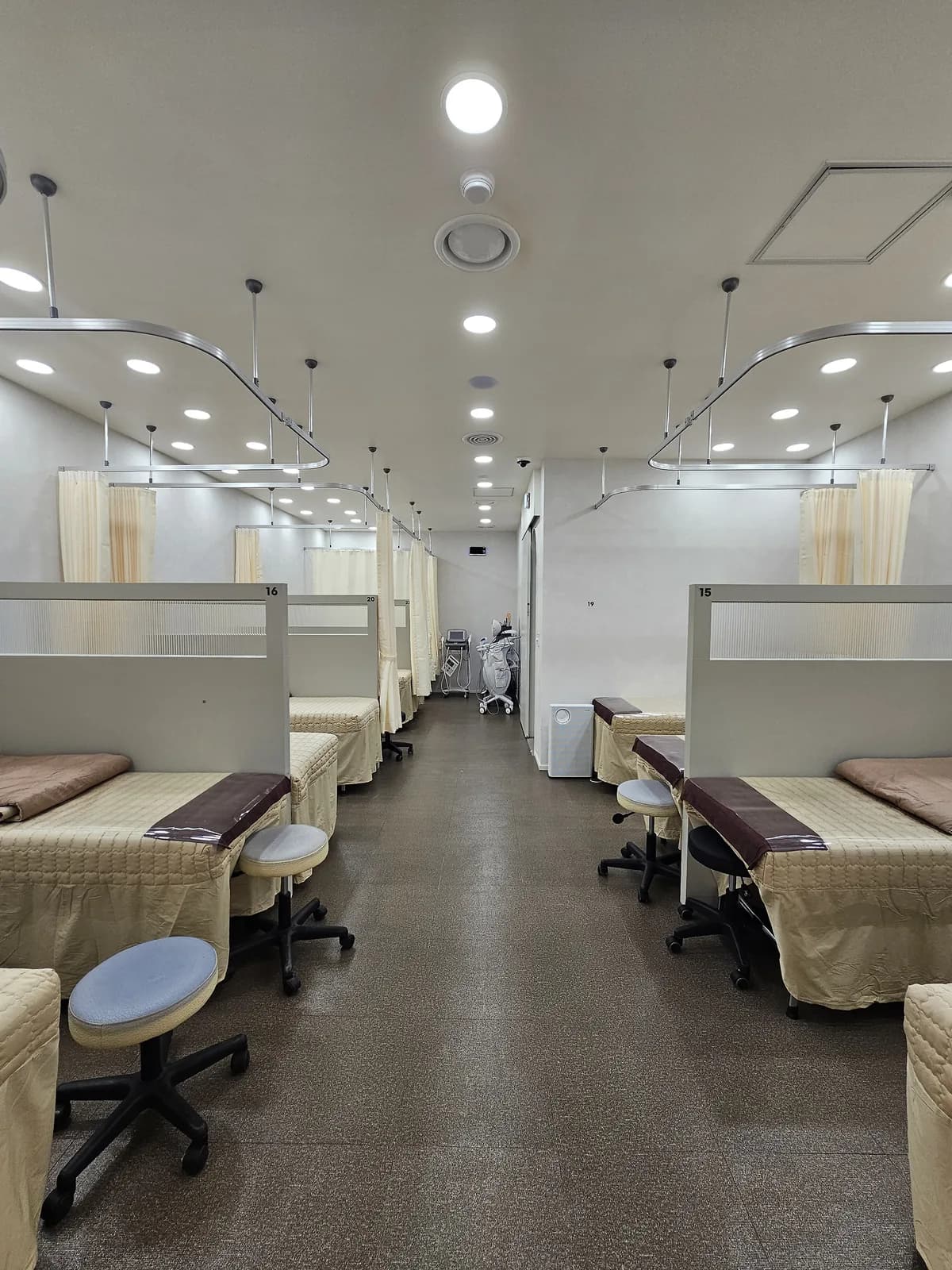
Density skin tightening treatment Korea: how many days should you plan?
Three days is my planning minimum: a day to arrive, a day for the clinic, and a spare day before the flight. Five to seven days gives you more room, especially if a parent is traveling and needs a slower pace.
I'd keep two days away from treatment. The arrival day is one, because you land tired and dehydrated and may want to change your mind about what you came for. The last day is the other, because redness or swelling on the morning of a long flight is uncomfortable to deal with, even when it is temporary.
Consultation comes before treatment here, with an interpreter present. When you ask about dates, ask whether the two can happen in one visit, and leave a gap in your plans in case you want a night to think it over.
Our hours shape the calendar. Monday to Friday we're open 10:00 AM to 8:00 PM, and Saturday and Sunday 9:00 AM to 3:00 PM. If you land on a Friday night, a Saturday morning visit is possible, and an afternoon arrival on Saturday may be too late for that day. A weekday evening leaves your daytime free for the rest of the trip.
The flight itself worries many people. The CDC's advice to delay air travel by 10 to 14 days is written for major operations, and a non-invasive device session is a much smaller event. The AAD lists little or no downtime for non-invasive tightening, with some redness and swelling as usual. What I'd plan around is comfort: dry cabin air on freshly heated skin, so pack your moisturizer and sunscreen in your carry-on.
For the days around the session, many doctors suggest skipping saunas, hot baths, heavy drinking and hard workouts for several days. If you've planned a jjimjilbang visit, put it before the treatment day.
Density vs Thermage vs Ultherapy in Korea: which method fits?
All three aim to tighten skin without an incision, and they differ mainly in the energy they use and the depth they reach. Our menu lists DENSITY, Duet Thermage and Ulthera.
| Device | Energy | What to weigh |
|---|---|---|
| DENSITY | Radiofrequency: Classic tip is monopolar, High tip adds bipolar | Choice of tip, plus eye plans |
| Duet Thermage | Radiofrequency | Same heat principle, different device and tips |
| Ulthera | Focused ultrasound | Aimed at deeper layers; AAD reports modest lifting within 2 to 6 months |
The tips matter more than the brand name. A 2025 review in Health Science Reports describes monopolar energy reaching as deep as 20 mm, while bipolar energy typically stays at 1 to 4 mm. Heat causes some immediate contraction, then wound healing and new collagen over the following months. The same review notes that monopolar treatment tends to cause more discomfort than bipolar.
Our Density Classic tip uses monopolar energy with an impedance feedback system that adjusts for differences in skin resistance. The High tip delivers both monopolar and bipolar energy. For a reader choosing between them, the useful question is where the looseness sits: in the fine, crepey surface, in the deeper tissue along the jaw, or in both.
I don't think of any of the three as the winner. My first look goes to the amount of sagging, because the AAD says people with a small amount tend to do well with these devices. For a broader view, including options beyond these three, see our guide to Korean skin tightening options in Seoul.
An example: planning for a parent
Say your mother is 58, flying in from Vancouver with you for seven days. Her jawline has softened, her eyelids look crepey, and she doesn't speak much English or Korean.
I'd reason it through this way. If the softening is mild, a radiofrequency plan makes sense to discuss, and the eye area is a separate decision because we list Density Eye plans on their own. If there's a heavy fold along the jaw, I'd tell her that a device is unlikely to give what she has pictured, and I'd say so before anyone talks about shots.
Then the calendar. I'd suggest a weekday visit on day two or three, which leaves four or more days before the flight. Other languages can be arranged on request, so ask about her language when you make contact.
I put genuine product, correct dosage and transparent treatment first, and with a device that means saying plainly what heat can and can't do. A structured consultation comes first, then I plan and perform the treatment one-to-one. If I think your skin won't change enough to justify a flight, I would rather say that in the consultation than sell you a session.
Is loose skin really your main complaint?
People sometimes fly in for tightening when the thing that bothers them in the mirror is something else. Brown patches and uneven tone won't answer to radiofrequency, and skin brightening treatments such as lasers and peels are a different conversation.
The same goes for dull, dry-looking skin. If you want surface glow more than firmness, read about what Korean glass skin treatment involves before you commit your days to a tightening plan. If you later add an injected booster to the same trip, the side effects of glass skin treatment deserve a read too, since small bumps or bruises can change what your flight day looks like.
Risks and side effects to know
The common reactions are temporary: redness, swelling and tenderness, which usually fade within hours to a few days. Less often, people notice blisters or small burns, numbness, or a patch of tissue that looks hollow from fat loss. Those are uncommon with radiofrequency, but they are the reason a device session is still a medical treatment. Results vary from person to person, and so does how long they last.
The AAD says these treatments aren't right for anyone who is pregnant, has a skin infection or takes certain medications. As general guidance, also raise these before treatment:
- A pacemaker, or metal implants in the treatment area
- A recent laser, peel or injectable in the same area
- Isotretinoin use, now or recently
- A history of keloids or slow wound healing
If something appears after you fly home, photograph it in daylight on the day you notice it. A blister, increasing pain, spreading redness, warmth or fever should go to a local doctor promptly, and it helps to say that you had radiofrequency, on what date, and on which area. Ask before you leave Seoul how the clinic wants to hear from you if that happens.
Before you settle on dates, write down your medications and any filler, threads or laser you've had in the past year, send that list on WhatsApp, and ask whether anything on it changes the timing.
Who looks after you once you're home?
Plan this before you leave, because the months when your skin is changing are the months you won't be in Seoul. The CDC's medical tourism page advises making sure you can get follow-up care at home, and notes that follow-up for complications may not be covered by your insurance. It also suggests considering supplemental travel health insurance.
For a device treatment, I'd do three things:
- 01Tell your own doctor or a local dermatologist that you're going, so you have someone to call.
- 02Before you leave Seoul, ask for a copy of your treatment record: device, tip, shots and area. The CDC recommends getting copies of your records, and notes they may need translating.
- 03Take a photo of your face in the same window light before you travel, so that in six months you're comparing it with something for your own reference.
That third step sounds small, but gradual change is hard to see in a mirror you look into every day.
What reviews of Density get right and wrong
Review threads repeat a few claims about radiofrequency tightening. Here's how they hold up in general.
"I saw it tighten right away." Partly true. Heat can cause early contraction, and swelling can also make skin look fuller for a few days. The collagen change that lasts comes later.
"It did nothing." Often a timing or selection issue. Someone judging at week two is judging too soon, and someone with heavy sagging may have been a poor fit from the start.
"More shots is always better." Not as a rule. The right number depends on the area and the thickness of the skin, and more energy isn't automatically more benefit.
"It doesn't hurt at all." Discomfort differs from person to person, and it can differ by tip and by area. Ask what numbing is available when you book.
What decides the cost of Density in Seoul?
Five things move the figure for your case:
- The tip. Classic and High are separate plans.
- The number of shots. Our full-face plans come in 300 and 600 shots.
- The area. Eye plans are listed separately from face plans.
- Any add-on. Some plans include one chosen option, such as a tightening injection or a skin smoothing injection.
- Your days in Korea. Hotel nights and flights belong in your own total, and a spare day is part of that.
Every option is listed on our treatment page, and those listed prices exclude 10% VAT. The page gives an estimate for reference. The final plan and price are decided with the doctor at your consultation.
To get a figure for your own case, tell us on WhatsApp whether you're thinking about the jaw, the eyes or both, and ask what it would cost for your case at 300 and at 600 shots.
What to send first
One photo is enough to start, and you can ask before booking anything. Send it on WhatsApp with the one question that's on your mind, such as whether a Density plan or a different method is worth asking about for this jawline. When you come, I'll examine your skin in person with an interpreter beside you and recommend what fits it, including a different treatment if that makes more sense.
Questions people ask
Before you message us
How many Density sessions will I need?
Many people have one radiofrequency session, and the AAD notes that some benefit from more than one. For a visitor, that means a single trip can be enough to begin, with the option of returning later. Wait until the skin has had months to respond before you decide on another session. How much you'd gain from repeating it is something to ask about at your consultation.
Can I fly home the day after a Density session?
Non-invasive radiofrequency usually leaves only temporary redness and swelling, so a flight soon afterward is often possible. I'd still prefer a spare day, because it gives you time to see how your skin settles and to raise any concern while you're in Seoul. On board, moisturize often, since cabin air is dry, and put sunscreen on when you land in daylight.
Does a Density treatment hurt?
Most people describe heat and brief discomfort with each pulse, though it differs from person to person and by area. Bony spots along the jaw can feel stronger, and a review in Health Science Reports found monopolar energy tends to cause more discomfort than bipolar. If you're anxious about it, say so at the consultation and ask which comfort measures are available for your plan.
Will I come home looking different straight away?
Expect only a small change at first. Some early contraction can appear, and swelling can make skin look fuller for a few days, but that fades. The AAD puts the fullest effect of non-invasive radiofrequency at about six months. Take a photo in steady window light before you travel, so you have something to compare with once that time has passed.
Can my parent do this without speaking English or Korean?
Yes, in many cases. English, Japanese and Chinese interpreters are in the clinic, other languages can be arranged on request, and someone stays with the patient from consultation through treatment. If your parent speaks another language, mention it when you first write to us. It's also useful to bring a written list of their medications and past procedures, in whichever language you have it.
Results and maintenance period vary by individual. Every procedure carries the possibility of side effects, which are explained before you agree to treatment. Prices exclude 10% VAT and event prices may change. This article is general information from the clinic and is not a diagnosis; suitability is decided at the consultation.
Written by
Dr. Sarang Lim
Head Doctor · Muse Clinic Myeongdong
- Education & training
- Graduated, Inje University College of Medicine · Residency training, Paik Medical Center (Inje University) · Sungkyunkwan University Graduate School, Master's degree · Indiana University Kelley School of Business
- Advisory & certification
- Cynosure — Certified laser center · Juvéderm — Advisory doctor · QT Fill — Advisory doctor · Olidia — Advisory doctor · Galderma Sculptra — Advisory doctor · Merz — Advisory doctor · Jeisys — Advisory doctor · NOVA Thread — Advisory doctor
- Academic societies (full member)
- Korean Academy of Aesthetic Plastic & Laser Medicine · Korean Society of Aesthetic Surgery · Korean Society of Obesity Research Medicine · Korean Society of Obesity & Aesthetic Medicine · Korean Society of Anti-Aging Medicine