Lifting & Tightening
Density Korean Treatment: Downtime? Methods & Cost
Density Korean treatment usually leaves mild redness that fades within hours. How the two tips differ, what sets the cost, and what to send on WhatsApp…
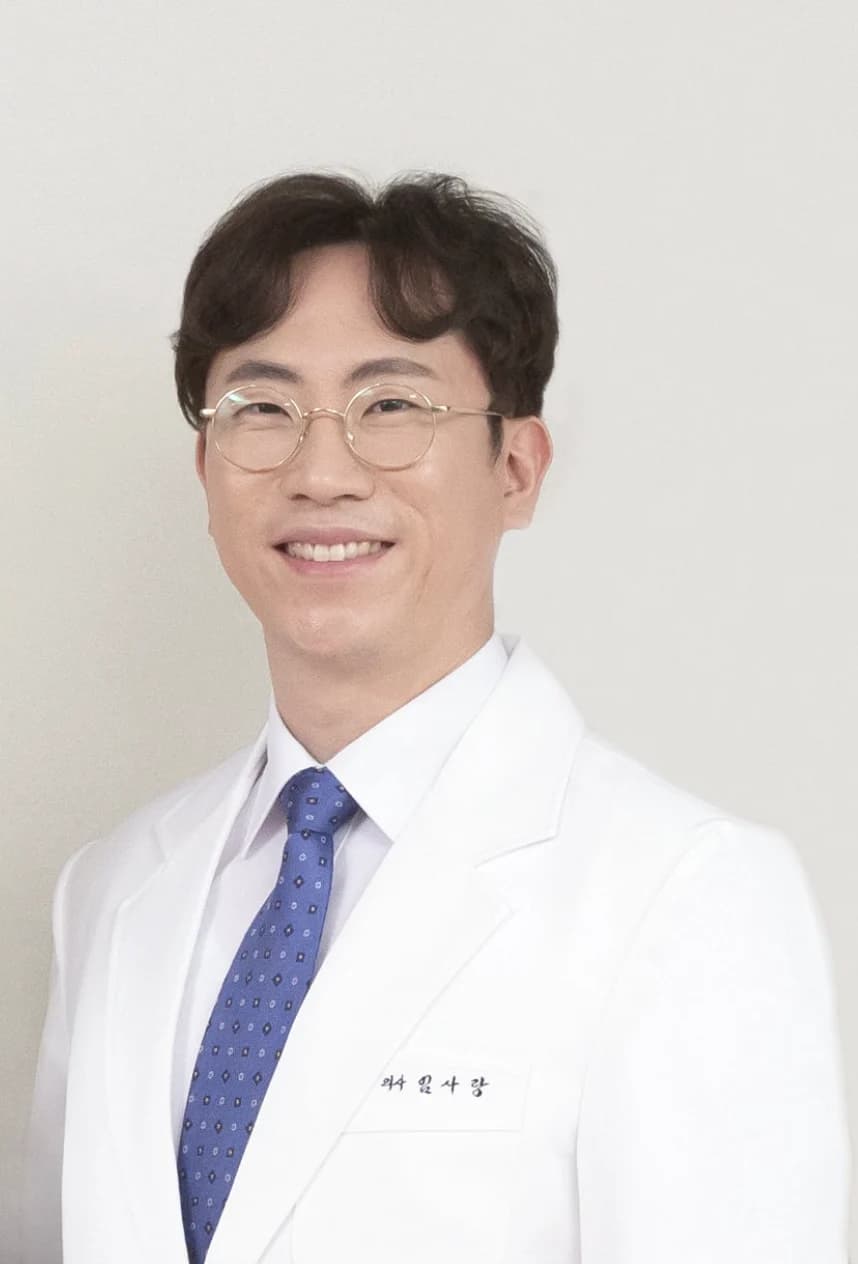 Dr. Sarang LimHead Doctor, Muse Clinic Myeongdong · 11 min readMedically reviewed by Sarang Lim, M.D., Head Doctor · Edited by: Sarang Lim, M.D.
In this article
- 01What Density does under the skin
- 02Density, Thermage or Ulthera: which method fits your face?
- 03Recovery after a Density Korean treatment, day by day
- 04How many days to plan in Seoul
- 05What decides the cost of Density in Seoul
- 06What reviews get right and wrong about Density
- 07Risks and side effects to know
- 08Before you book: what to have ready
Thinking about a Density Korean treatment on a short Seoul trip, but worried your face will still look red or puffy when you board the flight home?
Read this before you lock in your dates.
By the end, you'll know how Density compares with the other tightening methods, what decides the cost, which review claims hold up, and what recovery usually looks like day by day. That should tell you whether it fits your face, your budget and the days you have.
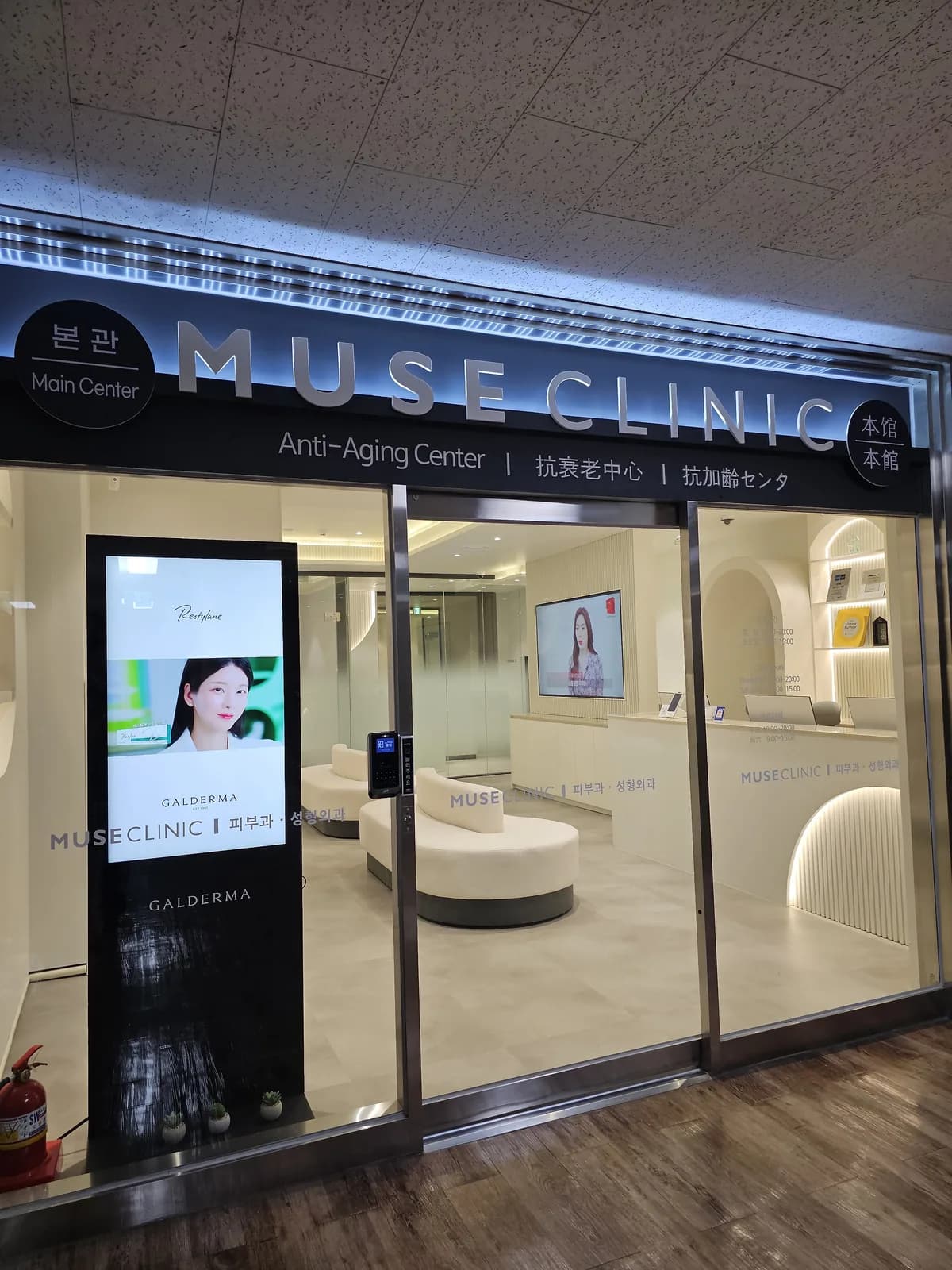
Hello, I'm Sarang Lim, M.D., Head Doctor at Muse Clinic Myeongdong and a member of the Korean Academy of Aesthetic Plastic & Laser Medicine.
We're a one-minute walk from Myeongdong Station Exit 5 and open on weekends from 9:00 AM to 3:00 PM. An English-speaking interpreter stays with you from the consultation through the treatment, and foreign visitors pay the same listed prices as Korean patients.
I'm writing this because people often build the whole trip around the treatment day, when the part that takes longest, the new collagen, keeps developing for months after they're home.
Density is a radiofrequency skin-tightening treatment. For most people the visible after-effects are pinkness and warmth that fade within hours, sometimes with mild swelling for a day or two, while the firming itself builds over the following months.
If you're unsure whether four or five days is enough, send a front and a side photo of your lower face on WhatsApp with your travel dates, plus the one question that's bothering you most.
What Density does under the skin
Density delivers radiofrequency energy that heats the deeper layers of the skin. Heat makes existing collagen fibers contract, which is the slight firmness some people notice the same day. It also prompts the skin to build new collagen over the following weeks. That second effect is the one that matters, and it's why the American Academy of Dermatology says radiofrequency results are usually best at about six months.
The Density device in our clinic has two main tips. The Classic tip works in monopolar mode, which generally carries heat deeper. The High tip combines monopolar and bipolar energy, adding more heat nearer the surface. Each also comes in an eye version for the thinner skin around the eyes. The system includes impedance feedback, which adjusts the energy for differences in skin resistance from one person to the next.
Many people search for Density as a Korean laser. It uses no light, so it isn't aimed at brown spots or redness. If pigment is your main concern, the options in our guide to Korean laser treatment in Seoul are the ones to read.
Density, Thermage or Ulthera: which method fits your face?
All three are on our menu, and they work on slightly different problems.
Duet Thermage is also monopolar radiofrequency, so it works on the same principle as Density's Classic tip: broad heating of the dermis and the tissue just beneath it.
Ulthera uses focused ultrasound instead. It places small points of heat at set depths, including the deeper supporting layer of the lower face, which is why people often consider it when the jawline has begun to soften. The AAD describes ultrasound as giving modest lifting and tightening within two to six months after one treatment.
Density's High tip adds heat closer to the surface, so it tends to come up when crepey texture or a loss of firmness across the cheeks bothers someone as much as sagging does.
The question that matters most to me is where the looseness sits. Thin, crepey skin over the cheeks points toward radiofrequency. A heavier lower face with a blurred jawline points toward the deeper layer that ultrasound reaches. Many faces have some of both, and then a combination is worth discussing.
There is a limit, though. When the skin hangs well below the jawline, an energy device is unlikely to give the change you're picturing, and I'd rather tell you that before you fly than after. The AAD makes the same point: with a lot of sagging, skin tightening may not help.
If you're still deciding whether tightening is even the right category, our overview of Korean skin treatment in Seoul covers the wider menu.
Recovery after a Density Korean treatment, day by day
In short, these are the general patterns for radiofrequency tightening. Use them to plan, and treat them as typical rather than certain for your skin.
| When | What you may notice |
|---|---|
| During the session | Pulses of deep heat; the skin feels warm |
| First few hours | Pink, flushed skin, usually fading by evening |
| Days 1–2 | Mild swelling or tenderness in some people, more often along the jawline or with eye tips |
| Days 3–7 | For most people, the face looks as it did before |
| Weeks 4–12 | Gradual firmness as new collagen forms |
| Around 6 months | The AAD's timing for the fullest radiofrequency result |
The first evening is where most of the visible recovery happens. The flush usually looks like a mild sunburn and fades by dinner. Swelling, when it shows up, tends to be soft and even, more noticeable in the morning, and gone within a day or two. Small tender spots or faint red marks along the jaw can happen and usually settle in the same window.
For the first few days, it's generally sensible to keep heat away from the treated skin: skip saunas, jjimjilbang and very hot water on the face, and wear sunscreen. Gentle cleansing and a plain moisturizer are enough.
If you were sitting across from me, I'd say this: put the treatment near the start of your trip, not on the last day. Most redness is gone in hours, but if you turn out to be someone who swells a little, you want that over before the flight, the photos and the dinner with friends. And please don't judge the result in the hotel mirror the next morning. The change I'm working toward shows up months later, at home.
How many days to plan in Seoul
On paper, a single Density session fits into a two- or three-day stay. What makes me suggest more room is everything else you might want on the same trip.
Say you land on Friday night and fly home on Tuesday morning. Saturday is the day I'd aim for: we're open 9:00 AM to 3:00 PM on weekends, so a morning visit leaves the afternoon free, and any flush has usually faded by evening. Sunday and Monday then work as buffer days. If you wake up on Sunday with mild puffiness, it's usually gone by Monday, and you can still walk around Myeongdong with sunscreen and a hat. You board on Tuesday with two clear days behind you.
Now say you also want an injection or a laser on the same trip. Each has its own recovery, and stacking them all on your final day removes the margin. Put the treatment with the longest recovery earliest, and leave at least one quiet day before the flight.
A second point people miss: the AAD notes that some people benefit from more than one radiofrequency treatment. If you suspect you'll want a second session, that usually means a second trip, so plan the first one to leave you time to judge the result over the coming months.
The CDC's medical tourism guidance also suggests arranging follow-up care at home before you travel. For Density, that can mean knowing which local dermatologist you'd see if a blister or a lasting red patch appeared.
Once you have your dates, send them on WhatsApp with anything done to your face in the past three months, such as a laser, a peel or injections, and the date of each. That detail can change which day makes sense.
What decides the cost of Density in Seoul
I won't quote figures here, but the cost for your case comes down to a few choices.
- Tip. Classic or High, and whether an eye tip is added for the area around the eyes.
- Shot count. Face plans are listed with 300 or 600 shots, and the eye plans with 300.
- Add-on. Several Density plans let you choose one option, such as tightening injections, a skin smoothing injection, glutathione or Gold Accu.
- VAT. Listed prices exclude VAT.
- Your calendar. A second session later means a second visit to Seoul.
Every option and its price is published on our Density options page, and foreign visitors pay the same listed prices as Korean patients. The total shown there is an estimate for reference; the final plan and price are set with me at your consultation.
If your goal is more glow than firmness, the cost question changes, because a Korean glass skin treatment works on hydration and texture instead of laxity.
For a figure for your own face, ask on WhatsApp what it would cost for your case, naming the area (full face, eyes, or both) with one daylight photo.
What reviews get right and wrong about Density
Review threads repeat a few claims. Some hold up better than others.
"It barely hurt." Partly true. Most people describe a pulse of deep heat with each shot, more noticeable over bone, like the jawline, and with the eye tips. A stranger's comfort level can't tell you how your skin will feel.
"I looked tighter the next morning." Some immediate firmness is real; the AAD notes that people often feel some tightening right away. But part of a next-day change can be mild swelling, which fades. The collagen effect comes later.
"One session and you're done for good." That one is wrong. The AAD says radiofrequency results can last two to three years with the right skin care, and your skin keeps ageing in the meantime.
"Back to sightseeing the same afternoon." Often true, with pinkness for a few hours. Mild swelling the next day is still possible, which is why I wouldn't schedule it right before a flight.
Risks and side effects to know
Common and temporary: redness, warmth, mild swelling and tenderness, usually lasting from a few hours to a couple of days. The AAD lists redness and swelling as the usual after-effects of non-invasive tightening. Results vary from person to person.
Less common: small blisters or superficial burns, temporary bumps and, rarely, a change in skin color at a treated spot. They're uncommon with radiofrequency, and they're the reason energy settings should match the skin in front of the doctor.
Waiting or skipping the treatment is generally wiser if:
- you're pregnant or breastfeeding
- you have an infection, a cold sore or inflamed acne in the area
- you've had a laser, a peel or a deep tan on the face in the past few weeks
- you take, or recently stopped, isotretinoin
- you have a pacemaker or another implanted electronic device, or metal implants in the treatment area
- your skin sags well below the jawline
If something appears after you fly home, such as a blister, a crust, or redness or swelling that grows after the second day, take a daylight photo, keep the area clean and out of the sun, and send the photo on WhatsApp. If it's painful, spreading or looks infected, see a local doctor the same day; that's what the follow-up plan from your trip prep is for.
Results and how long they last vary by individual. If you're curious how reactions are handled for injectable boosters, our page on Korean glass skin treatment side effects covers that side.
If any point on that list applies to you, mention it in your first WhatsApp message, with the medication name or the date of your last procedure.
Before you book: what to have ready
The fine details, such as Classic or High tip, how many shots and whether the eye area is worth adding, are settled together at the consultation. A structured consultation with an interpreter comes first, and then I plan the treatment and perform it myself, one to one.
Before you write, have four things at hand: your flight dates, any medications you take, the dates of recent procedures on your face, and a photo taken by a window in daylight.
You can ask before booking anything, and one clear daylight photo of your face from the side is enough to start. Send it on WhatsApp with your flight-home date and the question you'd most like answered. When you come in, I'll examine your skin in person and recommend the option that fits it.
Questions people ask
Before you message us
Does a Density treatment hurt?
Most people describe a pulse of deep heat with each shot, stronger over bony areas like the jawline and with the eye tips. It is usually tolerable for the length of a full-face session, though some people find the eye area harder to sit through than the cheeks. If heat sensitivity worries you, mention it in your first message so it is part of the consultation.
Is Density a laser treatment?
No. Density uses radiofrequency energy rather than light, so it heats tissue to tighten skin instead of targeting pigment or redness. It is often searched as a Korean laser because skin clinics offer it alongside lasers. If your main concern is spots or uneven tone, a laser or peel is the more relevant option to ask about.
How long do Density results last?
The American Academy of Dermatology notes that radiofrequency tightening results can last two to three years with good skin care, with the fullest result around six months. Your skin keeps ageing in the background, so the timeline differs from person to person. Daily sunscreen and not smoking help the result hold longer.
Can I combine Density with an injection on the same visit?
Several Density plans on our options page include one add-on, such as tightening injections, a skin smoothing injection, glutathione or Gold Accu. Whether adding one makes sense comes down to your skin and how much swelling you can accept before flying. Name the add-on that interests you when you write, along with your flight date.
Can I go sightseeing right after Density?
Most people can walk out and carry on with the day, with some pinkness that usually settles within hours. Wear sunscreen and a hat, skip saunas and jjimjilbang heat for the first few days, and save long outdoor days for later in the trip if your skin tends to flush easily.
Results and maintenance period vary by individual. Every procedure carries the possibility of side effects, which are explained before you agree to treatment. Prices exclude 10% VAT and event prices may change. This article is general information from the clinic and is not a diagnosis; suitability is decided at the consultation.
Written by
Dr. Sarang Lim
Head Doctor · Muse Clinic Myeongdong
- Education & training
- Graduated, Inje University College of Medicine · Residency training, Paik Medical Center (Inje University) · Sungkyunkwan University Graduate School, Master's degree · Indiana University Kelley School of Business
- Advisory & certification
- Cynosure — Certified laser center · Juvéderm — Advisory doctor · QT Fill — Advisory doctor · Olidia — Advisory doctor · Galderma Sculptra — Advisory doctor · Merz — Advisory doctor · Jeisys — Advisory doctor · NOVA Thread — Advisory doctor
- Academic societies (full member)
- Korean Academy of Aesthetic Plastic & Laser Medicine · Korean Society of Aesthetic Surgery · Korean Society of Obesity Research Medicine · Korean Society of Obesity & Aesthetic Medicine · Korean Society of Anti-Aging Medicine