Lifting & Tightening
Nose Thread Lift Korea: Days to Plan? Cost, Reviews, Methods
Nose thread lift Korea trip: swelling usually takes days to settle. Dr. Sarang Lim explains recovery, cost factors and methods. Send a nose photo on…
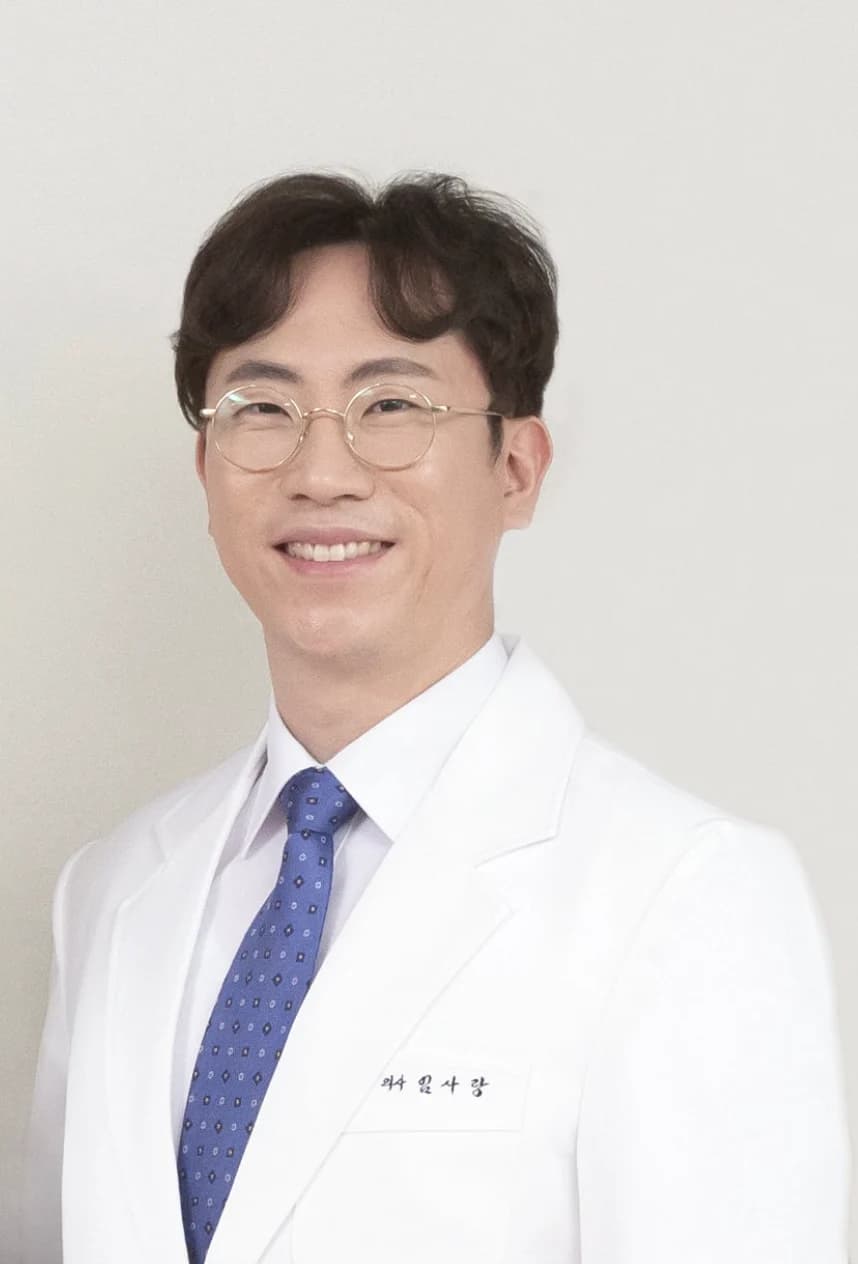 Dr. Sarang LimHead Doctor, Muse Clinic Myeongdong · 11 min readMedically reviewed by Sarang Lim, M.D., Head Doctor · Edited by: Sarang Lim, M.D.
In this article
- 01How a nose thread lift works, and what it can't change
- 02Methods: threads, nose filler, or both?
- 03How swollen will I be? Recovery day by day
- 04How many days in Seoul should you plan?
- 05What do reviews get right and wrong about nose thread lifts?
- 06Nose thread lift Korea cost: what decides it?
- 07Risks and side effects to know
- 08Your visit in Myeongdong
Planning a nose thread lift Korea trip and worried you'll still look puffy at the departure gate?
Give this ten minutes before you book the flight.
You'll come away knowing how the methods differ, what reviews get right and wrong, what decides the cost, and how the days after treatment usually go. That's enough to pick a trip length that fits your nose, your calendar and your budget.
Hello, I'm Sarang Lim, M.D., Head Doctor at Muse Clinic Myeongdong in Seoul.
We're a one-minute walk from Myeongdong Station Exit 5. English, Japanese and Chinese interpreters are in the clinic, and someone stays with you from the consultation through the treatment. Foreign patients pay the same listed prices as Korean patients, with no foreigner markup.
I'm writing this because people often book a two-night stopover for a nose thread lift, assuming it's an in-and-out appointment, and then spend the flight home worrying about a tender, swollen bridge.
The treatment itself is usually short. The swelling and any bruising usually need several days to settle, so I'd plan at least three or four nights in Seoul after treatment, and about a week before anything you'll be photographed at.
If timing is your worry, send a front photo and a side photo of your nose in daylight on WhatsApp, with your arrival and departure dates. Ask the one thing you need to know: how many nights to leave between treatment and your flight.
How a nose thread lift works, and what it can't change
The threads work like a temporary internal support. They can lift a low or flat bridge slightly, raise a tip that droops, and give a soft nose a little more definition.
As the threads dissolve, the body is thought to lay down some collagen around them.
Threads don't remove bone or cartilage. A hooked or aquiline profile with a bony hump, a wide bony base or wide nostrils (alar width) are structural, and threads won't reduce them. For a bulbous tip, threads can add some projection, which can make the tip look a bit more defined, but they don't thin thick skin or reshape the cartilage underneath.
On my menu, nose thread lifting is called Museko, the nose thread lifting treatment, described as holding the nose, the bridge and the tip.
Methods: threads, nose filler, or both?
Threads and filler solve different problems. Threads add structure in a line, which suits a tip that needs lifting or a bridge that needs a slight, defined rise. Filler adds volume exactly where it's placed, which suits a dip in the bridge or a flat bridge that needs a smooth contour.
Some people combine them: filler for the bridge, threads for the tip. Others need only one. Filler has its own main risk to know about. The U.S. FDA warns that filler accidentally injected into a blood vessel can block blood flow, which can damage skin and, rarely, affect vision. The nose is an area where that care matters.
Threads on the face are a separate topic with different goals; if you're curious, I've covered how PDO threads are used for face lifting in Seoul.
The question I want answered first about your nose is simple: is the problem height, the tip, or width? Height and tip are things threads or filler can address. Width usually isn't. Genuine product and the correct amount come first for me, and after an interpreter-assisted consultation I plan and perform the treatment one-to-one, so I'd rather put in what your nose needs than add a second product because you flew a long way.
How swollen will I be? Recovery day by day
Bruising and swelling are the common short-term effects of thread procedures, according to the American Society of Plastic Surgeons. On the nose, that swelling sits right in the middle of your face, which is why it shapes your travel plans more than the treatment does. The timeline below is the general pattern; your own may be shorter or longer.
| When | What you'll usually notice | What it means for your trip |
|---|---|---|
| Treatment day | Numbness wearing off, a tight feeling along the bridge, a tiny mark at the entry point | A quiet evening at the hotel |
| Days 1 to 3 | Swelling at its most visible, tenderness at the tip, possible bruising between the eyes | Easy walks are fine for many people; skip saunas, heavy drinking and hard workouts |
| Days 4 to 7 | Swelling fading, tip may feel firm | Many people feel comfortable flying and going back to desk work |
| Weeks 2 to 4 | The shape settles and the firmness softens | A reasonable window for photos and events |
A few habits help in that first week. Don't press, rub or pinch your nose to check it. Heavy glasses rest right on the bridge, so lighter frames or contact lenses for the first week or two are worth considering. Sleeping on your back with your head a little raised helps swelling go down.
Wide, repeated facial expressions, such as big laughs or scrunching your nose, pull on the area where the threads sit, so go easy for a few days. Facials, massage or any device treatment that presses on the nose should wait about two weeks.
What makes it uncomfortable is the swelling: sitting for hours, salty airline food and dry cabin air can make your face feel puffier on landing. Drink water, keep alcohol off the flight, and don't be alarmed if day three on a plane looks fuller than day three at home.
How many days in Seoul should you plan?
The rule I'd use: treat early in the trip, not late. That gives the worst of the swelling time to pass while you're still close to the clinic.
Say you land on a Thursday night and fly home the following Wednesday. Weekday hours are 10:00 AM to 8:00 PM, so a Friday consultation and treatment gives you five nights in Seoul before the flight. The puffiest days fall on the weekend, you can walk the city in sunglasses, and by Wednesday many people look close to their usual selves.
Now say you only have a long weekend: Saturday in, Monday out. Weekend hours are 9:00 AM to 3:00 PM, so you could be treated on Saturday, but you'd board the plane on day two, close to peak swelling. It's doable for some people. Expect to look swollen at the airport, and know that if something feels off on day four, you'll already be home.
If you also want skin treatments on the same trip, schedule anything on the cheeks or forehead around the nose rather than over it. My in-clinic plan for Korean glass skin shows how those treatments are spaced, which helps when you're fitting both into one week.
Send your flight dates on WhatsApp together with two details that change the plan: whether you wear glasses every day, and whether you've had filler in your nose before, with roughly when. Ask which day of your trip treatment would sit best on.
What do reviews get right and wrong about nose thread lifts?
Forum threads and review sites tend to repeat the same few claims. Here's how they line up with the medicine.
"It's a nose job without surgery." Partly true. Threads can lift a bridge slightly and raise a tip, and there's no incision beyond a tiny entry point. They won't remove a hump, narrow a bony base or change nostril shape.
"Zero downtime, back at work the next day." Half true. Many people do return to desk work within a few days. Visible swelling for the first days is common, though, and bruising between the eyes happens to some people. Plan as if you'll have both.
"It lasts for years." Misleading. The threads are absorbable, so the change fades over time, and how long the shape holds differs between people. Ask about maintenance at the consultation instead of planning around a number from a review.
"Threads can poke out." True, though uncommon. A thread end showing at the tip is a known complication and is covered in the risk section below. For a sense of what threads change elsewhere on the face over the following months, see what a face thread lift changes over time.
Nose thread lift Korea cost: what decides it?
I won't put figures here, but I can tell you what moves the cost for your nose.
- Threads alone or combined with filler. Adding nose filler to the bridge is a separate item.
- What your nose needs. A tip-only lift and a bridge-plus-tip plan aren't the same treatment.
- Your days in Seoul. Your hotel nights are part of the real cost of the trip, which is one more reason to plan the timing well.
Every menu price is listed on our site, listed prices exclude VAT, and foreign patients pay the same prices as Korean patients. If lax skin across the lower face is your real worry rather than the nose, that's a different budget conversation; I've written about what decides Duet Thermage cost in Korea.
To get the figure for your own case, ask on WhatsApp what it would cost for your nose, and attach one side photo.
Risks and side effects to know
The common reactions are temporary: swelling, tenderness, bruising, a small red mark at the entry point and a firm feeling at the tip. These usually ease over several days to two weeks. Results vary from person to person.
Less common problems include a thread you can feel or see under thin skin, a thread end working its way out at the tip, infection, asymmetry and small dimples.
As general medicine, you may need to wait or skip it if you have:
- an active infection, a cold sore or a breakout on or near the nose
- recent filler or another procedure on the nose
- pregnancy or breastfeeding
- a bleeding disorder, or you take blood thinners (tell the doctor)
- a tendency to keloid scarring, or an autoimmune condition that is flaring
If a reaction shows up after you fly home, such as redness that spreads, warmth, pus, fever, rising pain or a thread end showing, see a doctor near you promptly and take photos as it changes. The U.S. CDC advises people who travel for treatment to arrange follow-up care at home before they leave and to carry their treatment records, so bring the name of what was done and the date.
If anything on that list applies to you, such as recent filler or a medication you take daily, put it in your first WhatsApp message with the date, and ask whether it changes your timing.
Your visit in Myeongdong
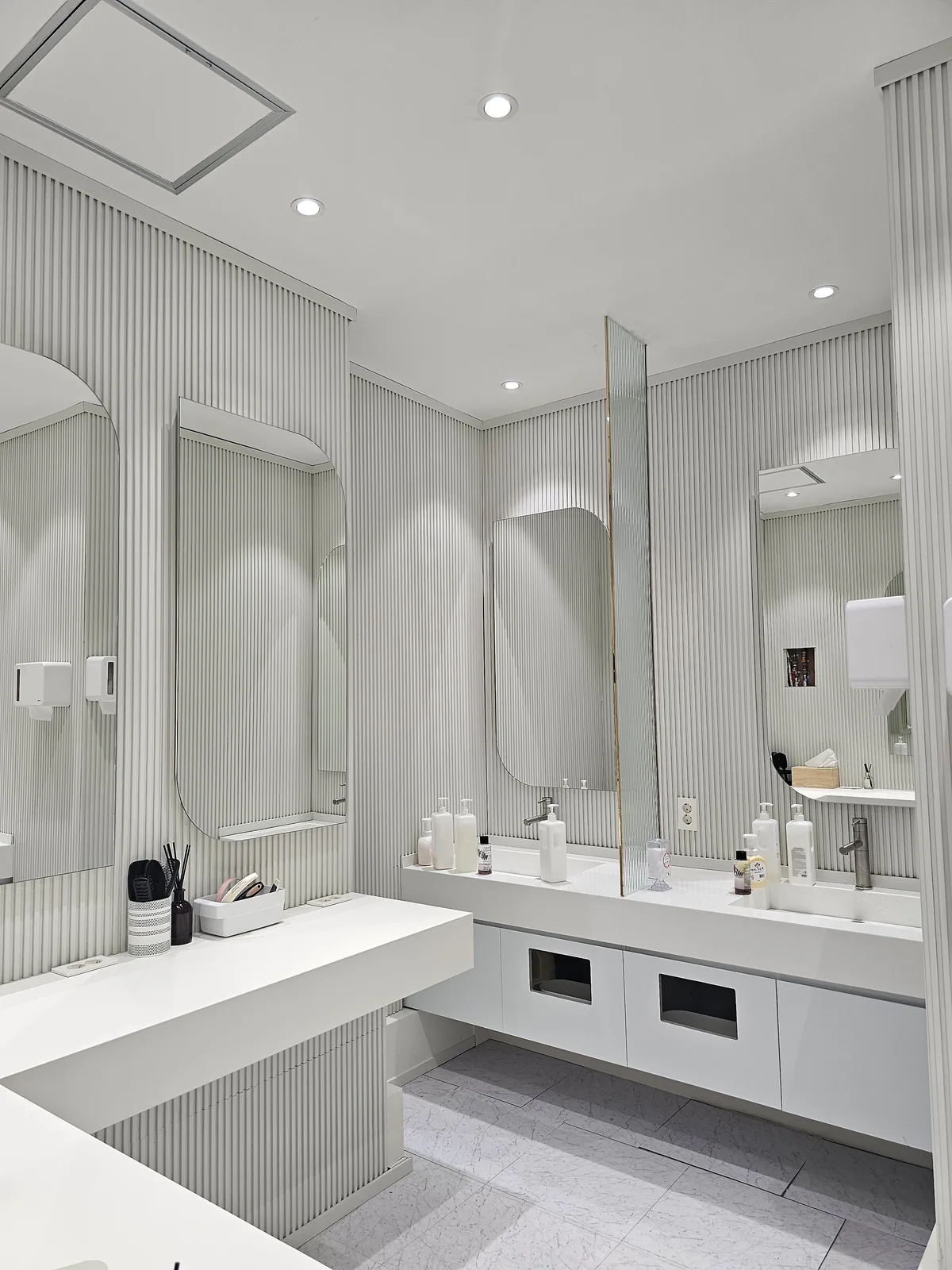
The clinic is on the 3rd floor of Korea Daeyungak Tower, 97 Toegye-ro, Jung-gu. That's one minute on foot from Myeongdong Station Exit 5 on Line 4, also near Hoehyeon Station Exit 7, and across from Shinsegae Department Store. The building has a Twosome Place café and a Hana Bank on the ground floor, which makes it easy to find.
We're open Monday to Friday from 10:00 AM to 8:00 PM, and Saturday and Sunday from 9:00 AM to 3:00 PM. A consultation with an interpreter comes first, and then I plan and perform the treatment one-to-one.
One photo of your nose from the side is enough to start, and you can ask on WhatsApp before booking anything. Send it with your travel dates and the one question on your mind. When you come in, I'll examine your nose in person and recommend what fits it: threads, filler, both, or nothing yet.
Questions people ask
Before you message us
Does a nose thread lift hurt?
Afterwards the tip and bridge are usually tender to touch for a few days, which is why it helps not to press or rub the nose. If you're anxious about discomfort, say so at the consultation so numbing can be discussed before anything starts.
Can I wear glasses after a nose thread lift?
Glasses rest right where the threads sit, and their weight on a swollen bridge can be uncomfortable. Many people switch to lighter frames or contact lenses for the first week or two. If you wear glasses every day and can't use contacts, mention it when you plan the trip so the timing and aftercare can account for it.
Can I combine a nose thread lift with other treatments on the same trip?
Often yes, as long as nothing presses on the nose in the first two weeks. Treatments on the cheeks, forehead or body can usually be planned around it. Filler on the bridge and threads in the tip are sometimes done together. Tell us everything you're hoping to do on the trip so the order and the days can be planned sensibly.
How long does a nose thread lift last?
The threads are absorbable, so the change is temporary and fades as the material dissolves and the tissue settles. How long the shape holds differs between people, depending on skin thickness, the shape of the nose and how much support was placed. Ask about maintenance at the consultation rather than planning around a number from a forum.
Is there English support at Muse Clinic Myeongdong?
Yes. English, Japanese and Chinese interpreters are in the clinic, other languages can be arranged on request, and someone stays with you from the consultation through the treatment. For foreign patients the clinic uses WhatsApp and Instagram for contact rather than the phone, so WhatsApp is the easiest way to send photos and dates before your trip.
Results and maintenance period vary by individual. Every procedure carries the possibility of side effects, which are explained before you agree to treatment. Prices exclude 10% VAT and event prices may change. This article is general information from the clinic and is not a diagnosis; suitability is decided at the consultation.
Written by
Dr. Sarang Lim
Head Doctor · Muse Clinic Myeongdong
- Education & training
- Graduated, Inje University College of Medicine · Residency training, Paik Medical Center (Inje University) · Sungkyunkwan University Graduate School, Master's degree · Indiana University Kelley School of Business
- Advisory & certification
- Cynosure — Certified laser center · Juvéderm — Advisory doctor · QT Fill — Advisory doctor · Olidia — Advisory doctor · Galderma Sculptra — Advisory doctor · Merz — Advisory doctor · Jeisys — Advisory doctor · NOVA Thread — Advisory doctor
- Academic societies (full member)
- Korean Academy of Aesthetic Plastic & Laser Medicine · Korean Society of Aesthetic Surgery · Korean Society of Obesity Research Medicine · Korean Society of Obesity & Aesthetic Medicine · Korean Society of Anti-Aging Medicine