Pigmentation & Moles
Korean Hyperpigmentation Treatment: Risks, Limits
Korean hyperpigmentation treatment has limits: melasma can return and acne marks can darken. Five common beliefs, the risks behind them, and when to wait.
 Dr. Sarang LimHead Doctor, Muse Clinic Myeongdong · 9 min readMedically reviewed by Sarang Lim, M.D., Head Doctor · Edited by: Sarang Lim, M.D.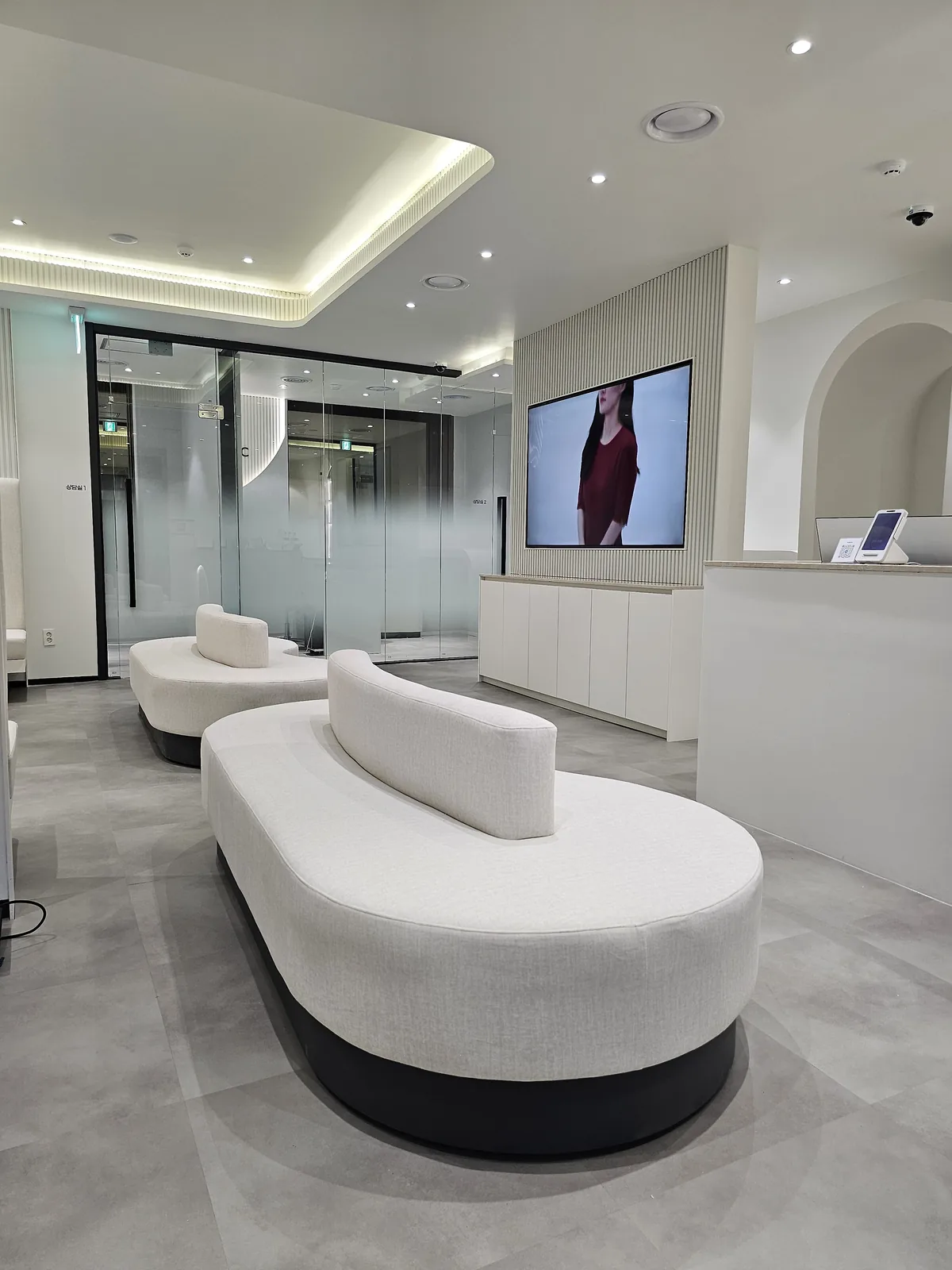
In this article
- 01Why one strong session rarely clears it
- 02Does laser toning make melasma go away for good?
- 03Acne marks and melasma are different problems
- 04Is darker skin a reason to avoid treatment?
- 05Korean skincare helps, within limits
- 06When I'd tell you not to book a Korean hyperpigmentation treatment yet
- 07How many sessions fit a short trip?
- 08What happens after the session, and on the flight home?
A Korean hyperpigmentation treatment can lighten many dark spots, and it has limits worth knowing before you book: melasma often comes back, acne marks can darken after a session that is too strong, and one visit rarely clears everything. If you're squeezing it into a short trip with a packed schedule, the real worry is flying home with red, crusted or darker patches and nobody nearby to ask. Muse Clinic Myeongdong is open on weekends from 9:00 AM to 3:00 PM and sits a 1-minute walk from Myeongdong Station Exit 5, so the consultation can happen on day one and the rest of the week goes to healing.
Forum threads cover the first week well and say little about month three, when melasma shows whether it is coming back. That gap is where most disappointment starts, so the five beliefs below are worth checking against what actually happens in the skin.
If you already know your dates, send them on WhatsApp with one daylight photo of the spots, no makeup.
Why one strong session rarely clears it
Pigment broken up by a laser is cleared by the body over the following weeks, and energy high enough to clear everything at once also inflames the skin. In skin prone to dark marks, that inflammation can produce new pigment.
DermNet describes post-inflammatory hyperpigmentation as a common response to injury or inflammation, more frequent and more persistent in darker skin types. A laser, a peel or even an aggressive home scrub can be the trigger. A session that stings and crusts heavily can feel effective, yet heavier crusting is no sign of a better outcome.
Risks and side effects to know
The true part: some flat, sharply outlined sun spots do lighten noticeably after one targeted session, once the small crust sheds. The risk sits with everything else on the face. Treating melasma or acne marks at that same intensity is how people end up with a darker patch than the one they came in with.
Does laser toning make melasma go away for good?
No treatment is known to end melasma for good. Toning can lighten it, usually across a series of sessions, but patches can return with sun or hormonal change, so maintenance belongs in the plan from the start.
The American Academy of Dermatology's guidance on melasma is direct: sun protection every day, treatment that may take months, and the possibility that melasma returns after it clears. It also cautions that some procedures, lasers included, can make melasma worse in certain people.
The research points the same way. A 2022 systematic review of low-fluence Q-switched Nd:YAG laser for melasma, published in Medicina, reported improvement in the studies it gathered, alongside recurrence after treatment ended and, in some patients, mottled lighter spots linked to repeated sessions.
The true part: toning is widely used for melasma, and many people see their patches soften. The risk is treating too often or too hard in pursuit of a fast change. Laser toning and pico laser toning both sit on the clinic's melasma, pigment and whitening menu. On a short trip, one toning session in Seoul is a start, and your sunscreen habits at home shape much of what follows.
Acne marks and melasma are different problems
Brown or purplish marks left after pimples are post-inflammatory hyperpigmentation. They follow the shape of old breakouts, sit as single spots rather than symmetrical patches, and often fade slowly on their own once acne is under control.
The order matters. Treating marks while new pimples keep forming means chasing a moving target, and inflamed skin reacts more strongly to energy. Calming the acne comes first, as the Korean acne treatment overview sets out, and fading the marks follows.
The true part: the two can overlap on the same cheek, and both darken in the sun. The risk is giving acne marks melasma-style treatment, or the reverse, without a proper look at the skin first.
Is darker skin a reason to avoid treatment?
Rarely. Medium and darker skin types produce pigment more readily after any injury, so the margin for over-treating is narrower, and gentler settings over more sessions are generally preferred.
Doctors often use the Fitzpatrick skin type scale, from type I (always burns, never tans) to type VI, as a rough guide. Higher types carry a higher chance of PIH after heat-based treatments. A recent tan temporarily pushes anyone up that scale, which is why a holiday tan is a common reason to postpone.
The true part: darker skin does carry more risk of rebound darkening. That calls for caution and patience, and skipping treatment entirely is seldom necessary.
Korean skincare helps, within limits
Brightening serums and sunscreen are useful, and for mild unevenness they may be enough. For melasma and stubborn spots, cosmetics usually work slowly and partially, and daily sunscreen does more for most people than any single brightening product.
The AAD lists prescription creams such as hydroquinone and tretinoin among the treatments a dermatologist may use for melasma. Those need a doctor's supervision because they can irritate the skin, and irritation can itself cause darkening.
The true part: home care decides how long any lightening lasts. The risk is layering several strong actives at once after a session, which inflames the skin barrier just when it needs to recover. If your goal is overall glow rather than spots, Korean glass skin treatment is a separate conversation.
When I'd tell you not to book a Korean hyperpigmentation treatment yet
Some timing is wrong however good the plan looks. Pregnancy, a fresh tan, inflamed skin and a changing mole are the most common reasons to wait, or to see a different kind of doctor first.
- Pregnancy or breastfeeding: melasma often appears or worsens then, and many treatments and creams are better left until later.
- A tan, or a beach trip straight after Seoul: tanned skin reacts more strongly, and treated skin in strong sun is a common route to PIH.
- Active eczema, infection or inflamed acne on the area.
- Recent oral acne retinoids, or medicines that make skin sun-sensitive: bring the names so they can be checked.
- A mole or spot that has changed in size, shape or colour, bleeds or itches. That needs a medical assessment before any cosmetic removal.
- An expectation of one visit and done for melasma.
Common side effects of pigment treatment are redness, warmth and, after targeted pulses, small crusts that shed by themselves. Less common are darker patches (PIH), lighter patches after repeated toning, and, rarely, infection or scarring, mostly when crusts are picked. Results vary from person to person, and suitability is decided only after the skin has been examined at the consultation.
With tanned or inflamed skin, I still think it's often the kinder answer, because a mark that darkens after treatment can take longer to fade than the original spot. When the timing is wrong, sun protection now and treatment on a later visit is the plan I'd choose for my own skin.
If one of those points might apply to you, put it in your first WhatsApp message along with your dates: a recent tan, a pregnancy, a new medicine, or a mole that has changed. Knowing it in advance lets you book the consultation with the right expectations, and with spare days in the trip in case the plan shifts.
How many sessions fit a short trip?
Plan on one session in Seoul for melasma or uneven tone, and sometimes a single session for a few sharp sun spots.
That makes the timing of the first session the main decision. Weekday hours run from 10:00 AM to 8:00 PM and weekend hours from 9:00 AM to 3:00 PM, so an early consultation is possible whatever day you land. The visit opens with a structured consultation, interpreter present, and the head doctor then plans and carries out the treatment one-to-one; the head doctor's background is on the doctor page, and every option is listed on the treatments page.
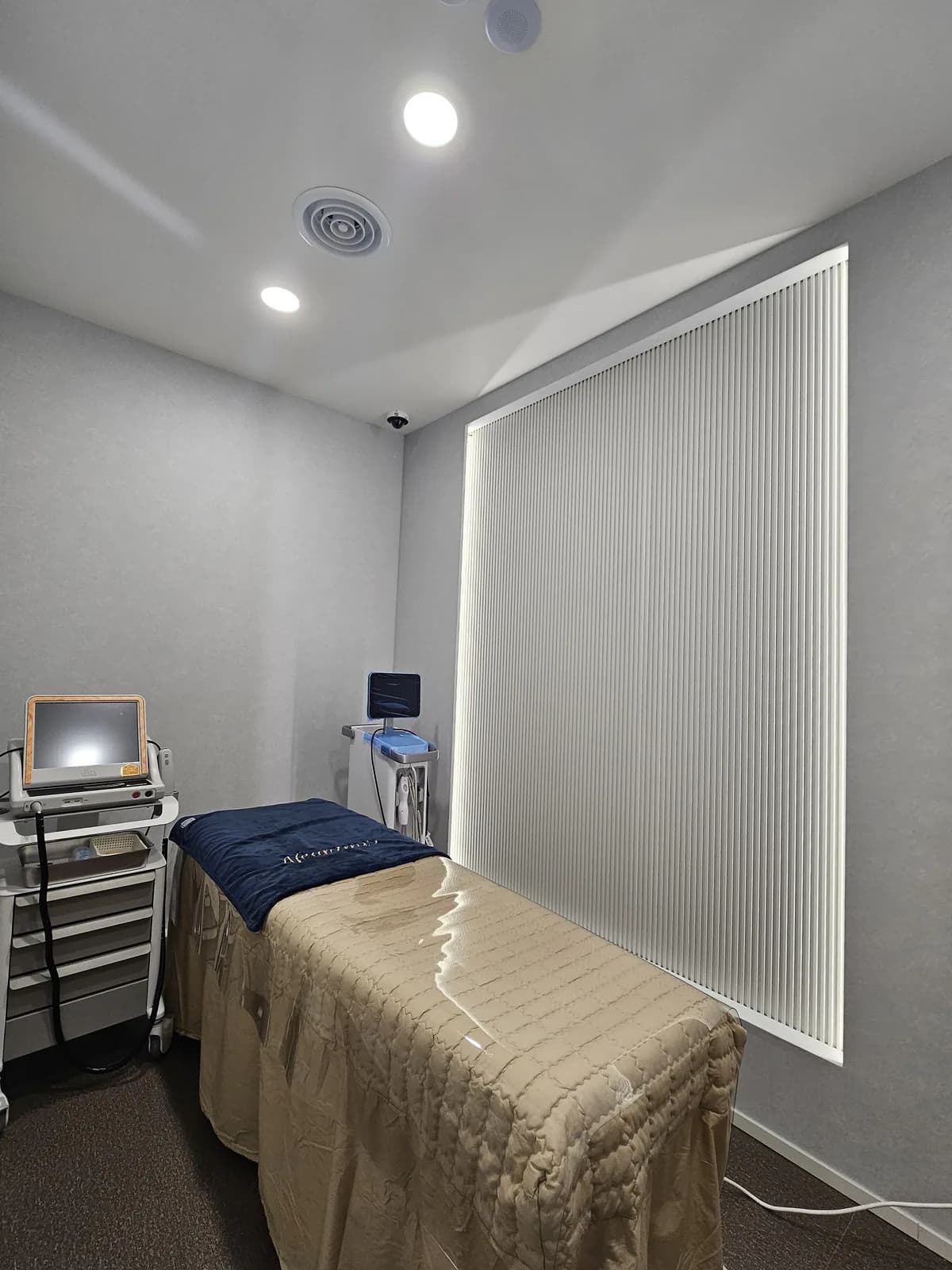
If you're spreading limited time across several things, rank them. Distinct spots and melasma come first if they bother you most, and general glow can wait or come from the options in the guide to Korean skin treatment in Seoul. For lasers beyond pigment, the Korean laser treatment guide sets out what each type is used for.
Tell us on WhatsApp which mark bothers you most, with a close-up photo, and the day you'd like to come in. You can book that day and keep the last two days of the trip clear of new treatment.
What happens after the session, and on the flight home?
Expect some redness that settles, and on targeted spots, small dark crusts that shed by themselves. Protect the area from sun and friction, leave the crusts alone, and know which symptoms mean you should see a doctor at home.
Things that help in the first days:
- Wash gently and pat dry; skip scrubs and strong acids until the skin is calm.
- Use sunscreen and a hat every time you go outside, including the walk through the airport.
- Let crusts fall off on their own. Picking them is a common path to a new mark.
Signs to get checked by a doctor at home: redness that spreads or grows hotter, pain that increases after the first day, blisters, pus, or a patch that darkens noticeably over the following weeks. The CDC's medical tourism guidance advises keeping copies of your medical records and arranging follow-up care at home before you travel, which for skin can be as simple as knowing which local dermatologist you would see.
Because an interpreter stays with you from consultation through treatment, aftercare questions can be asked in English before you walk out.
Before you book, look at your calendar for the weeks after Seoul. If a beach holiday, a wedding or a ski trip falls in that window, mention it in your WhatsApp message, because it changes which treatment makes sense on this visit.
Questions people ask
Before you message us
What is hyperpigmentation, exactly?
Hyperpigmentation means areas of skin darker than the surrounding skin because of extra melanin. Common forms are melasma, sun spots, freckles and post-inflammatory marks after acne or injury. They can look alike but respond differently to lasers and peels, which is why the type is identified before any treatment is chosen.
Is Korean hyperpigmentation treatment suitable while I still have acne?
Active, inflamed acne is usually treated first, because inflamed skin reacts more strongly to laser energy and new pimples keep leaving new marks. Once breakouts are calmer, the remaining marks can be assessed and treated. Some people combine both within a longer plan, set out after the skin has been examined.
Does pigment laser hurt?
Most people describe toning as warm, snapping pulses that feel uncomfortable rather than painful, and targeted spot treatment as a brief, sharper sting. Numbing cream is commonly used for some laser treatments, so ask at the consultation whether it applies to yours. Mention a low pain tolerance early so the plan can account for it.
How soon can I be in strong sun after pigment treatment?
There is no single number of days that fits everyone, and sun is the main driver of darkening after treatment. Doctors generally advise strict sun protection for several weeks after a session, using sunscreen, a hat and shade together. If a beach holiday follows Seoul, mention it at the consultation, since it can change what is done.
Can hyperpigmentation treatment in Korea be continued back home?
Often, yes. Toning and topical care can usually be continued by a dermatologist at home if you bring the treatment name, the date and the aftercare instructions you were given. Ask your local doctor to review the plan before any further session, especially if you have melasma, which tends to need maintenance over time.
Results and maintenance period vary by individual. Every procedure carries the possibility of side effects, which are explained before you agree to treatment. Prices exclude 10% VAT and event prices may change. This article is general information from the clinic and is not a diagnosis; suitability is decided at the consultation.
Written by
Dr. Sarang Lim
Head Doctor · Muse Clinic Myeongdong
- Education & training
- Graduated, Inje University College of Medicine · Residency training, Paik Medical Center (Inje University) · Sungkyunkwan University Graduate School, Master's degree · Indiana University Kelley School of Business
- Advisory & certification
- Cynosure — Certified laser center · Juvéderm — Advisory doctor · QT Fill — Advisory doctor · Olidia — Advisory doctor · Galderma Sculptra — Advisory doctor · Merz — Advisory doctor · Jeisys — Advisory doctor · NOVA Thread — Advisory doctor
- Academic societies (full member)
- Korean Academy of Aesthetic Plastic & Laser Medicine · Korean Society of Aesthetic Surgery · Korean Society of Obesity Research Medicine · Korean Society of Obesity & Aesthetic Medicine · Korean Society of Anti-Aging Medicine