Pigmentation & Moles
Korean Treatment for Pigmentation in Seoul
A Korean treatment for pigmentation starts with naming the spot: melasma, sun spots or acne marks. See who each option suits and how sessions fit a Seoul…
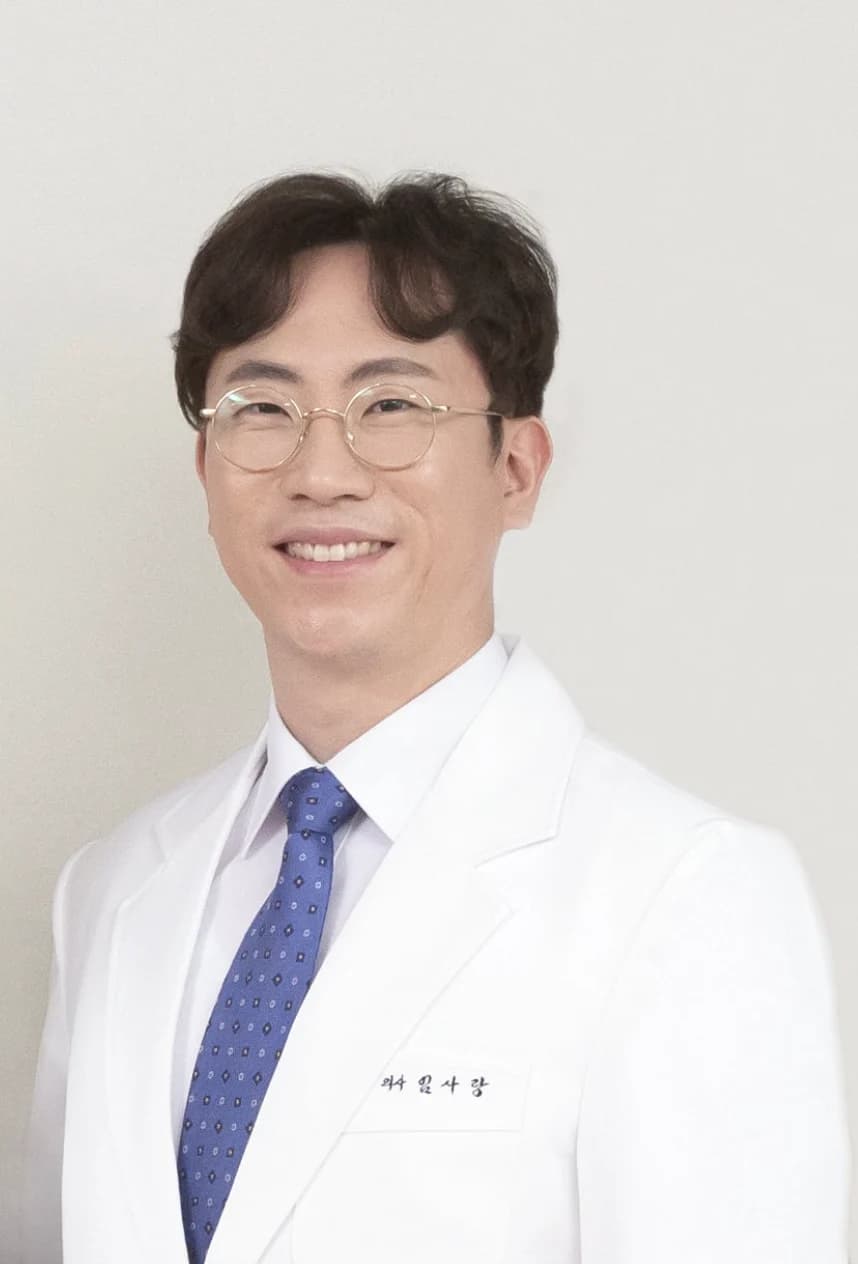 Dr. Sarang LimHead Doctor, Muse Clinic Myeongdong · 10 min readMedically reviewed by Sarang Lim, M.D., Head Doctor · Edited by: Sarang Lim, M.D.
In this article
- 01What pigmentation can mean on your face
- 02How do laser toning, pico toning and peels actually work?
- 03The questions a doctor will ask first
- 04Who a Korean treatment for pigmentation suits, and who should wait
- 05How do repeat sessions fit a one-week trip?
- 06What to bring, and what to ask before you leave
A Korean treatment for pigmentation starts with naming the type of spot, and only then choosing a laser, a peel or a removal: melasma, sun spots, freckles and marks left by old acne each take a different route, and most need more than one session. If you're arranging this for a parent in their fifties or sixties, the worry is often about language more than lasers: will they follow what is being decided about their own face, with a flight home a few days later? At Muse Clinic Myeongdong, English, Japanese and Chinese interpreters are in the clinic, and someone stays with you from consultation through treatment.
The part of the visit that shapes the result happens before any device is switched on. A doctor looks at where the patches sit, whether both cheeks match, how sharp the edges are, and asks when they first showed up. Those few minutes sort the word pigmentation into a type, and the type decides most of what follows.
Two things make a first WhatsApp message useful: a daylight photo of the patches without makeup, and the dates you'll be in Seoul. With those, you can book the consultation early in the trip, which leaves days for a second visit or simply for the skin to settle before the flight.
What pigmentation can mean on your face
Pigmentation is a catch-all word for extra melanin in the skin, and at least five different conditions sit under it. Melasma, sun spots, freckles, post-inflammatory marks and moles can look alike in a phone photo, yet they behave differently once treatment starts.
- Melasma: blurry-edged, usually symmetrical brown or grey-brown patches on the cheeks, forehead, upper lip or jaw. The American Academy of Dermatology links it to sun and to hormonal changes such as pregnancy or birth-control pills, and notes that it can return after it clears.
- Sun spots (solar lentigines): flat, sharply outlined brown spots on skin that has seen years of sun, often called age spots. They tend to appear from the forties onward on the cheeks, temples and backs of the hands.
- Freckles: small, inherited spots that darken in summer and fade a little in winter.
- Post-inflammatory hyperpigmentation (PIH): dark marks left after acne, eczema, a burn or an earlier procedure. DermNet describes it as more common and longer-lasting in darker skin types, and it often fades slowly by itself once the inflammation stops.
- Moles and raised spots: lesions to be checked first and, if suitable, removed one by one.
Faces past forty often carry two or three of these at once. One cheek can hold melasma across the bone, a few sharp sun spots near the temple and an old acne mark at the jaw, and each part may need its own plan. If most of your marks came from breakouts, the Korean acne treatment guide covers calming the acne itself, which comes before fading what it left behind.
How do laser toning, pico toning and peels actually work?
All three aim to reduce excess melanin, at different depths and speeds. Toning uses low energy spread over several sessions, a pico laser breaks pigment into finer fragments that the body then clears, and a peel removes the top layers so surface pigment sheds with them.
| Option on the menu | What it does, in general terms | Usually discussed for |
|---|---|---|
| Laser toning | Gentle, even passes over the whole area, repeated in a series | Melasma, uneven tone |
| Pico laser toning | Very short pulses that shatter pigment into smaller particles | Mixed spots, dull tone |
| Aladdin peeling | A peel listed for pigmentation, skin trouble, pores and keratin | Pigment plus texture |
| Mole remover | Removes single raised or dark lesions | Moles, isolated spots |
The research on toning is strongest for melasma. A 2022 systematic review in Medicina on low-fluence Q-switched Nd:YAG laser for melasma found improvement across the included studies, and also reported that patches could come back after treatment stopped and that some patients developed lighter, mottled areas. That is why toning plans are usually paced rather than pushed, and the exact settings for your skin are chosen after it has been examined.
Melasma treated that way can flare, so naming the type first matters. Every option on the menu sits on the treatments page, and the wider range of lasers is explained in the guide to Korean laser treatment in Seoul.
The questions a doctor will ask first
Expect questions about when the spots appeared, what makes them darker, and what has already been tried. The answers separate melasma from sun damage and flag skin that is likely to react badly to laser energy.
- 01When did the patches first appear, and did that coincide with a pregnancy or starting a hormonal medicine?
- 02Are they darker in summer or after a beach holiday?
- 03Have you had a laser or peel before, and did the area turn darker or lighter afterward?
- 04Which creams and medicines are you using now, including anything for acne taken by mouth?
- 05Does a pimple or a scratch usually leave a brown mark that lingers for months?
- 06Where are you going after Seoul?
Each answer moves the plan. A yes to question 5 points toward skin prone to PIH, which generally calls for gentler settings. A recent oral acne medicine such as isotretinoin is a common reason to postpone. Question 6 matters more than people expect, because freshly treated skin and strong sun are a poor pair.
At Muse Clinic Myeongdong, a structured consultation with an interpreter comes first, then the head doctor plans and performs the treatment one-to-one. The head doctor's training and society memberships are listed on the doctor page. For a parent, that structure means the questions above are asked and answered in a language they follow before anything is decided.
Who a Korean treatment for pigmentation suits, and who should wait
Sharp sun spots and freckles on otherwise calm skin are usually the most direct cases. Melasma suits someone willing to treat it as a long-term condition with maintenance. Freshly tanned, irritated or pregnant skin is generally better treated later.
Risks and side effects to know
Common, temporary effects include redness and warmth for a short time after toning, and small dark crusts on spots treated with a targeted pulse, which shed on their own. Less common is the reaction people fear most: the area turning darker after treatment, a form of PIH that is more likely in darker skin and in melasma treated too aggressively. Repeated toning can occasionally leave lighter spots, as the review above describes. Infection and scarring are uncommon with these treatments but possible, especially if crusts are picked.
Good reasons to wait include:
- pregnancy or breastfeeding;
- a recent tan, or a sunny holiday planned straight after Seoul;
- active eczema, an infection or inflamed acne on the area;
- an oral acne retinoid taken in recent months (ask your doctor how long to wait);
- a mole that has changed shape, colour or size, which needs a medical check before any removal on a holiday schedule.
Results vary from person to person, and melasma in particular can return months after it has faded. Suitability is decided at the consultation, after the skin has been examined.
With melasma, pushing hard once tends to backfire, so I would rather lighten it slowly and keep the skin calm. Sun spots are an easier conversation, though new ones keep appearing wherever the sun reaches. That's why I'd plan the sunscreen and the hat before planning the laser.
If you're not sure which type you're looking at, two photos help: one in daylight by a window and one close-up of the darkest area, with a line on when it first appeared. Send them on WhatsApp with your dates, and book a consultation time that leaves room in the trip for healing.
How do repeat sessions fit a one-week trip?
Toning for melasma usually runs as a series spaced over weeks, so a short stay often means starting in Seoul and protecting the skin carefully at home.
The clinic's hours help with scheduling. Weekdays run from 10:00 AM to 8:00 PM, and the clinic is open on weekends from 9:00 AM to 3:00 PM, so a consultation can land on the first full day even if that day is a Saturday. The clinic is on the 3rd floor of Korea Daeyungak Tower, a 1-minute walk from Myeongdong Station Exit 5 on Line 4, and also near Hoehyeon Station Exit 7. For a parent who tires easily, a short walk from the subway matters.
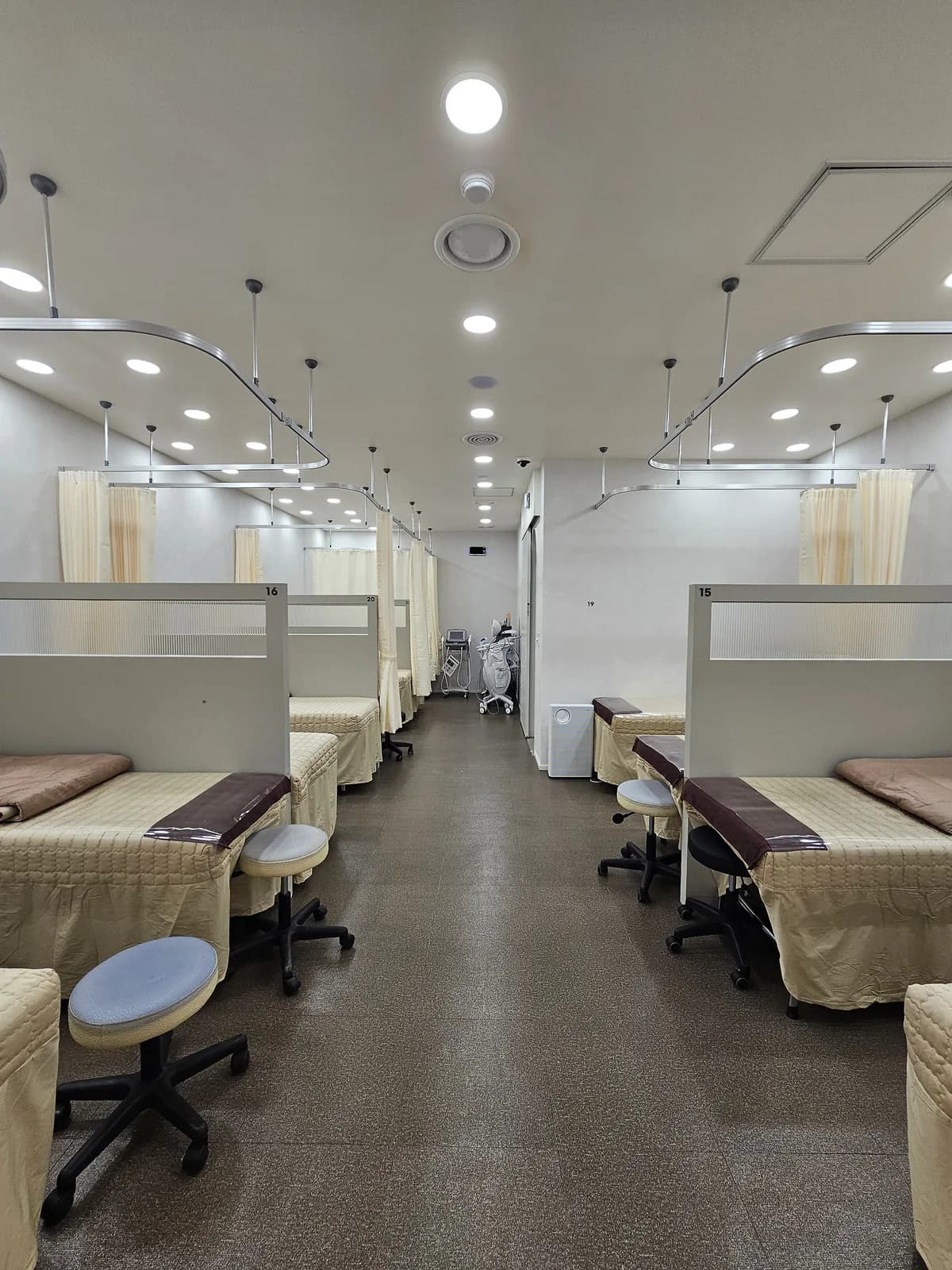
A few planning points for the days after:
- Book treatment early in the trip. Crusts and redness are easier to manage in a hotel room than on a plane.
- Pack a wide-brimmed hat and a high-SPF sunscreen for the flight, and keep the window shade down if you're seated in the sun.
- Keep treated skin away from saunas and scrubs until it has settled, and ask at the clinic which products suit your treated area.
- Write down the treatment name and the date before you leave, and keep any paperwork you're given. The CDC's medical tourism guidance recommends carrying copies of your medical records home so a local doctor can follow up.
If the bigger concern is overall dullness rather than distinct spots, the overview of Korean skin treatment in Seoul and the explainer on what Korean glass skin treatment involves cover options that sit alongside pigment work.
A short message settles the scheduling question: send your arrival and departure dates on WhatsApp, and say whether the visit is for you or for a parent. You can then book a consultation on a weekday evening or a weekend morning, whichever suits the itinerary.
What to bring, and what to ask before you leave
Bring a list of current medicines and creams, the name of any past laser or peel, and a hat for the walk back. Before you leave, make sure you know which type of pigment you were told you have and what home care was advised.
Questions worth asking through the interpreter before you walk out:
- Which type of pigmentation is this, and is there more than one?
- How many sessions were planned, and how far apart?
- What should I put on my skin tonight, and what should I stop using for now?
- Which signs at home mean I should see a doctor: spreading redness, pain that grows, blisters or pus?
The last question is the one people forget. For a wider view of reactions after skin treatments in Korea, the post on glass skin treatment side effects lists the ones worth knowing, and the piece on what a glass skin course changes over time is a useful companion if tone, more than spots, is the goal.
If the trip is for a parent, add one line to your WhatsApp message saying which language they're most comfortable in. English, Japanese and Chinese interpreters are in the clinic, and other languages can be arranged on request, so the consultation can be set up around the person who is actually being treated.
Questions people ask
Before you message us
How many sessions does a Korean treatment for pigmentation take?
It comes down to the type of pigment. A few sharp sun spots are sometimes treated in a single session, while melasma toning usually runs as a series spaced over weeks, followed by maintenance. Mixed pigmentation can combine both. The number is set after the skin is examined, and it is worth asking how the plan continues once you are home.
Can older skin have laser treatment for age spots?
Age itself is rarely the barrier. What matters more is whether the spot is a sun spot or something that needs a medical check, how the skin heals, and which medicines are being taken, such as blood thinners or drugs that make skin sun-sensitive. A spot that is growing, bleeding or changing colour should be examined before any cosmetic treatment.
Will my parent need to speak Korean or English during the visit?
No. Muse Clinic Myeongdong has English, Japanese and Chinese interpreters in the clinic, and other languages can be arranged on request. Someone stays with you from consultation through treatment, so a parent can ask about aftercare and side effects directly. Mention the preferred language when you first get in touch on WhatsApp.
When can I wear makeup again after pigment laser?
Doctors generally advise waiting until any crusts have shed by themselves and the skin no longer stings, and keeping products gentle until then. Ask at the clinic before you leave which products suit your treated area.
Can pigmentation come back after treatment?
Yes, and it helps to expect it. Melasma can return months after it fades, especially after sun exposure or hormonal changes, as the American Academy of Dermatology notes. New sun spots can form on untreated skin, and freckles darken again each summer. Daily sunscreen, a hat and shade are what keep the skin lighter for longer.
Results and maintenance period vary by individual. Every procedure carries the possibility of side effects, which are explained before you agree to treatment. Prices exclude 10% VAT and event prices may change. This article is general information from the clinic and is not a diagnosis; suitability is decided at the consultation.
Written by
Dr. Sarang Lim
Head Doctor · Muse Clinic Myeongdong
- Education & training
- Graduated, Inje University College of Medicine · Residency training, Paik Medical Center (Inje University) · Sungkyunkwan University Graduate School, Master's degree · Indiana University Kelley School of Business
- Advisory & certification
- Cynosure — Certified laser center · Juvéderm — Advisory doctor · QT Fill — Advisory doctor · Olidia — Advisory doctor · Galderma Sculptra — Advisory doctor · Merz — Advisory doctor · Jeisys — Advisory doctor · NOVA Thread — Advisory doctor
- Academic societies (full member)
- Korean Academy of Aesthetic Plastic & Laser Medicine · Korean Society of Aesthetic Surgery · Korean Society of Obesity Research Medicine · Korean Society of Obesity & Aesthetic Medicine · Korean Society of Anti-Aging Medicine