Acne, Scars & Pores
Acne Scar Removal Korea: One Trip? Cost & Reviews
Acne scar removal Korea plans usually need a series of sessions weeks apart. Learn how to space trips, what decides the cost, and what to send on WhatsApp.
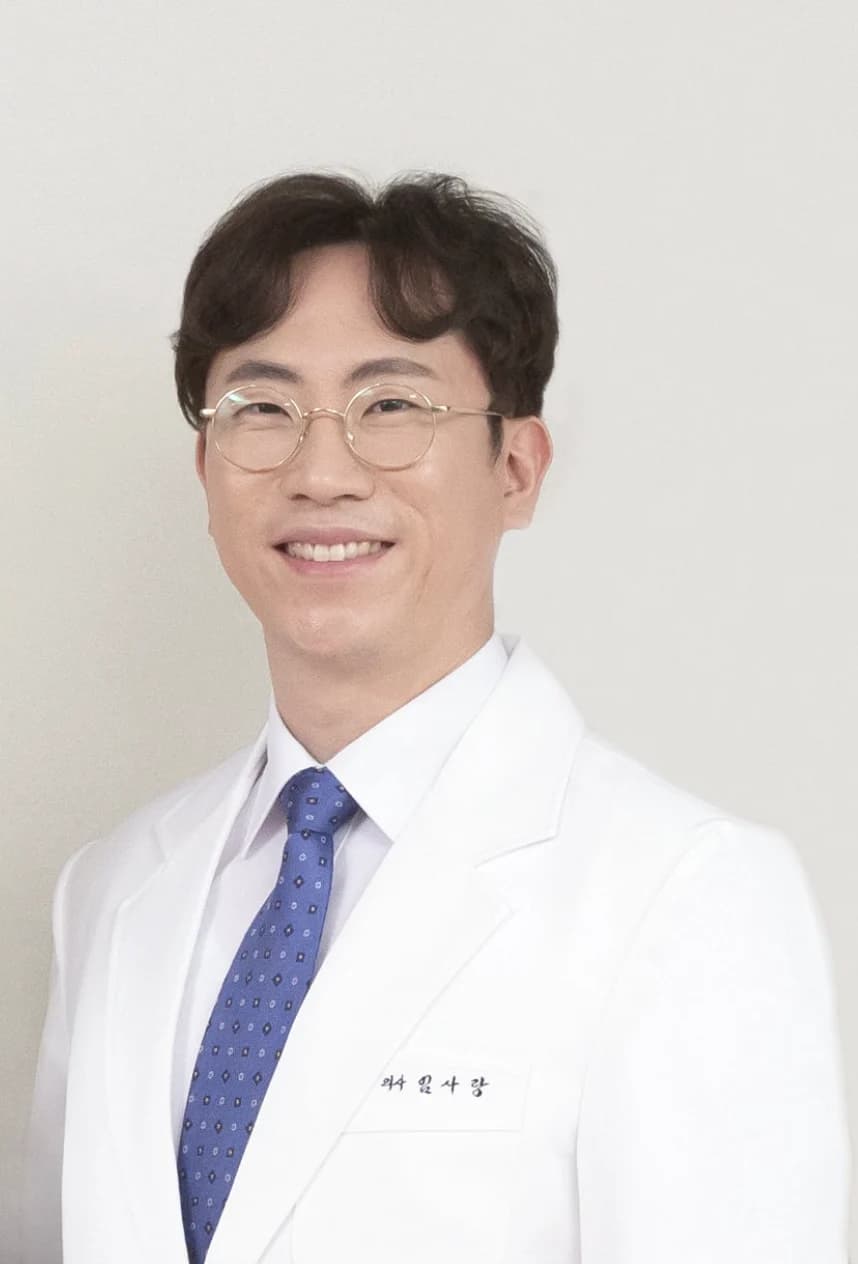 Dr. Sarang LimHead Doctor, Muse Clinic Myeongdong · 12 min readMedically reviewed by Sarang Lim, M.D., Head Doctor · Edited by: Sarang Lim, M.D.
In this article
- 01Acne scar removal Korea: why one visit is rarely the whole plan
- 02Which scar type do you have, and which methods fit it?
- 03How should you space your trips?
- 04What decides the cost for your plan?
- 05What do reviews get right and wrong?
- 06Your days in Myeongdong
- 07Risks and side effects to know before you fly
Acne scar removal Korea: is one trip ever enough for scars you've had since your teens?
Read this before you book the flight, especially if you can only get to Seoul once or twice a year.
Hello, I'm Sarang Lim, M.D., Head Doctor.
By the end you'll know what decides the cost, what reviews get right and wrong, which methods match which scar type, and how to space your trips. That way you can pick a plan that fits your scars, your leave and your budget.
Hello, I'm Dr. Sarang Lim, Head Doctor at Muse Clinic Myeongdong and a member of the Korean Academy of Aesthetic Plastic & Laser Medicine.
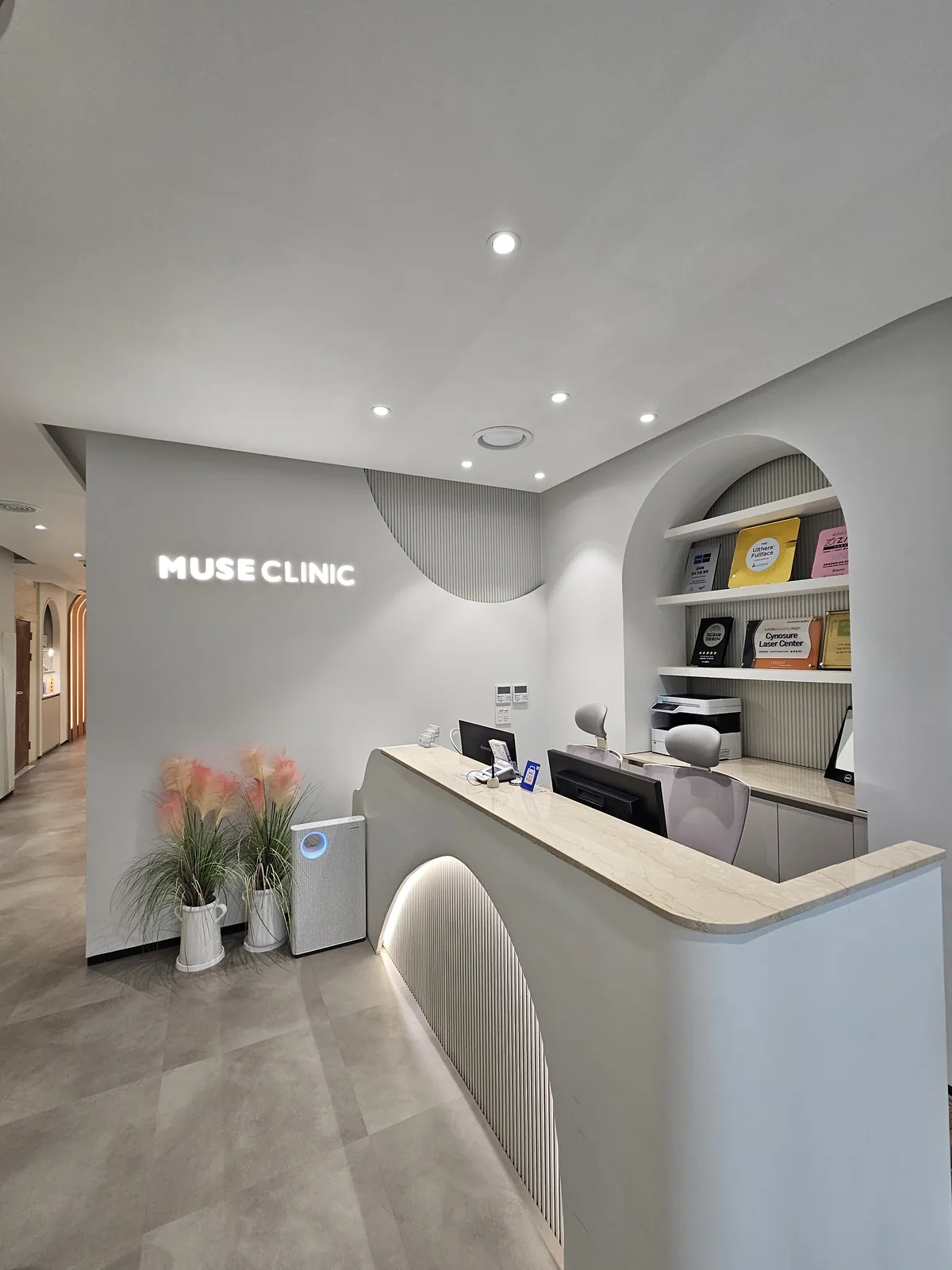
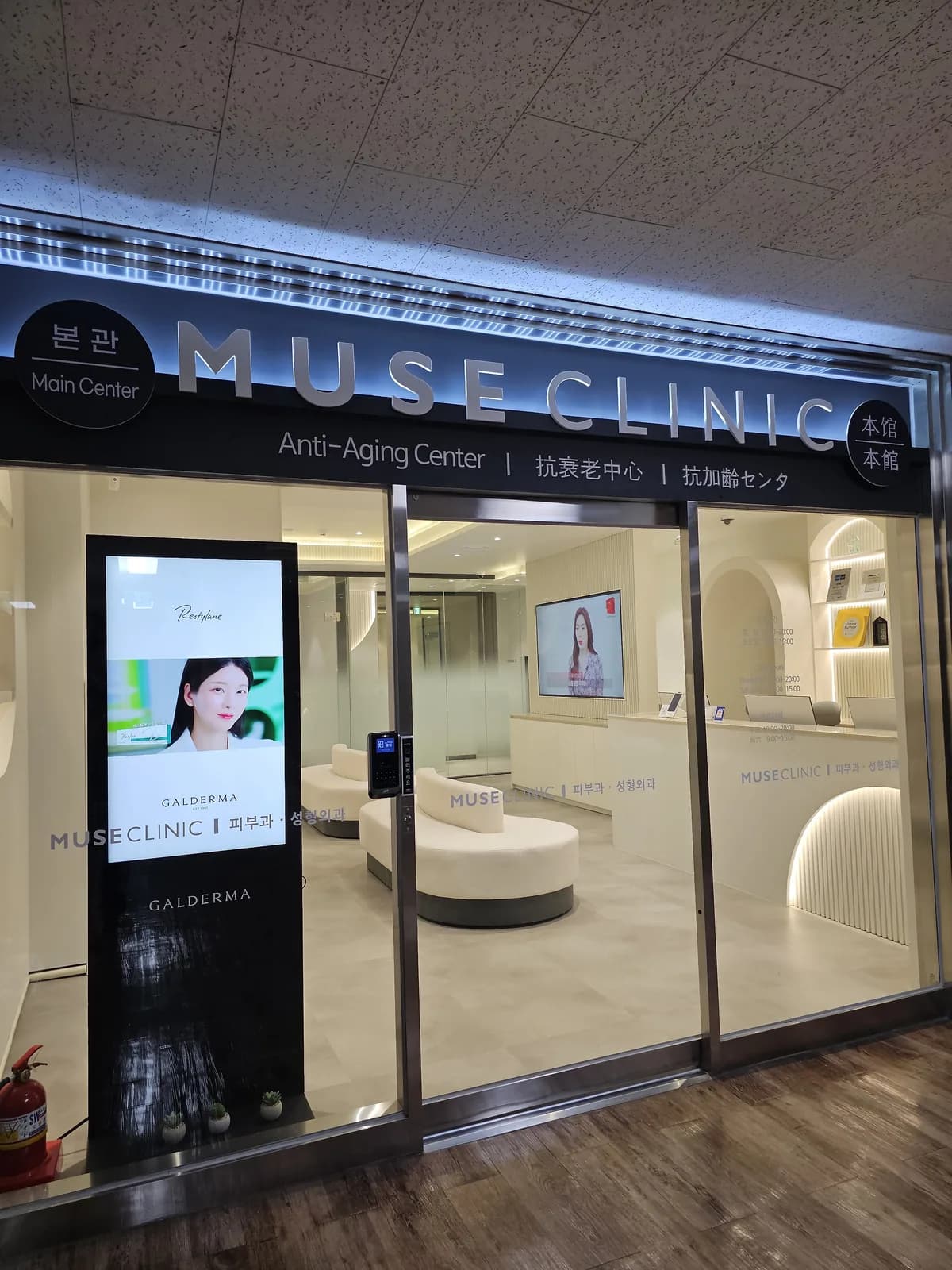
We're a 1-minute walk from Myeongdong Station Exit 5, and we're open on weekends too, Saturday and Sunday from 9:00 AM to 3:00 PM. An interpreter stays with you from consultation through treatment. Foreign patients pay from the same price list as Korean locals, with no foreigner markup.
I wrote this because one plan goes wrong more often than any other: a single session squeezed into the last day of a holiday, in the hope that old scars will be gone by the flight home.
Most depressed acne scars soften gradually over a series of sessions spaced weeks apart. Treat your first visit as the start of a plan, and book it early in your trip, not the day before you fly.
If you'd like a rough idea of how many visits your scars might take, send one photo of your cheeks on WhatsApp. Take it beside a window with the light coming from the side, and ask how many sessions a plan for scars like yours usually involves. Side light shows the dips that a front-facing selfie flattens out.
Acne scar removal Korea: why one visit is rarely the whole plan
An atrophic acne scar is a spot where inflammation destroyed collagen in the deeper skin. In many rolling scars, fibrous bands also tie the surface down to the tissue below, which is why the skin looks wavy in side light. Treatments work in one of two ways. They release that tethering, or they injure the dermis in a controlled way so the skin lays down new collagen.
New collagen takes weeks to months to form. So when you leave Seoul a few days after a session, what you see in the mirror isn't the end point, because the remodeling keeps going at home. A second session builds on the first. The American Academy of Dermatology describes scar treatment the same way: results take time, and many people do better with more than one treatment, sometimes combined.
Before you count trips, check one more thing. Red or brown marks left after a pimple are usually not scars. Brown marks are post-inflammatory hyperpigmentation, which DermNet notes tends to fade over months, faster with daily sun protection. If color bothers you more than texture, your plan looks quite different.
If you're still getting new breakouts, deal with those first, because every new deep pimple can leave a new scar. Our post on what Korean acne treatment at a Seoul clinic involves covers that step.
Which scar type do you have, and which methods fit it?
Most people have a mix. Look in side light and you'll usually recognize one of three shapes.
| Scar type | What it looks like | Methods often used |
|---|---|---|
| Rolling | Wide, soft-edged dips that make the skin look wavy | Subcision to release the bands, then RF microneedling |
| Boxcar | Round or oval dips with sharper edges | RF microneedling over several sessions |
| Ice pick | Narrow, deep pits, like large open pores | Targeted work on single scars; RF microneedling alone often does less |
On our menu, the options for texture and scarring are Potenza, Venus Viva and Air Subcision. Potenza and Venus Viva both deliver radiofrequency through fine needles. With Potenza, the microneedles reach the dermis and release the energy for an instant, so the surface is largely spared while the layer underneath is stimulated. Venus Viva is listed for pores, texture and scarring.
In general terms, subcision uses a needle or cannula under the scar to free the bands that pull it down. It's most useful for rolling scars, and it pairs well with RF microneedling in the same plan.
For ice pick scars, some clinics use punch techniques or apply a chemical to each pit. Those aren't on our menu, and you should know that before you plan a trip around them.
If breakouts are still active, the Capri laser on our menu is aimed at the oil glands that drive acne. Acne medicine can also be prescribed after a consultation with me.
How should you space your trips?
In short, this is the part most travel plans skip. RF microneedling sessions for scars are often spaced about four to six weeks apart, roughly the time the first wave of collagen repair takes to settle. That rhythm is easy if you live in Seoul. If you fly in from Vancouver or Sydney, it rarely is.
Longer gaps don't erase earlier work. They mostly stretch the timeline, because the collagen made after one session stays and the next session starts from there. So the useful question is how many visits you can make in a year, and what's worth doing on each.
Say you're 46, living in Vancouver, with rolling scars across both cheeks from your late teens. In your forties, skin also loses some volume and firmness, which can make the same scars look deeper than they did at 25. You can come in spring and again in autumn. Here's how I'd reason through it:
- First trip: the consultation, then, if your skin is clear of active breakouts, a combined session that releases the tethered spots and then treats the cheeks with RF microneedling. Book it in the first two days of the trip so the redness has several days to settle before the flight.
- At home: daily sunscreen, gentle cleansing, and a photo in the same window light every few weeks, so you can track the change yourself.
- Second trip: a further session, adjusted to how the scars responded. Some people add a third visit; others stop at two once they're happy with the texture.
If you can manage a longer stay, say five weeks working remotely from Seoul, two sessions can fall closer to the usual interval. Both paths are sound. They suit different calendars.
With rolling scars in skin past forty, I would rather release the tethered spots and build collagen gradually than push one aggressive pass to get everything done in a single trip. Heavier settings mean longer redness and a higher chance of dark marks, and you don't want either on a ten-hour flight. The consultation comes first, with an interpreter beside you, and then I plan and perform your treatment myself, one-to-one.
Before you book either trip, write down the dates you're considering and the name of any acne medicine you've taken in the past year, with the date of your last dose. Send both on WhatsApp and ask whether those dates leave enough room between sessions. Those two details are what the timing question turns on.
What decides the cost for your plan?
Scar treatment has no single figure, because the plan isn't one thing. These are the factors that change it for you:
- Which methods are combined in a session, for example subcision plus RF microneedling, or RF microneedling alone
- The area: both cheeks, the temples, or the full face
- How many sessions you end up having across your trips
- Numbing cream, and whether active acne needs a laser or medicine first
- The trips themselves: flights and nights are your side of the budget, and two visits cost more in travel than one
Every option and its price is published on our website. It's the same list Korean patients use, shown before VAT. We've also written a separate breakdown of acne scar treatment cost in Seoul, option by option. For a figure for your own cheeks, ask on WhatsApp what a plan like yours would cost and attach the side-lit photo.
What do reviews get right and wrong?
Forum threads and review sites about scar treatment in Korea tend to repeat a few claims. Some hold up and some don't.
"One session and the scars were gone." That isn't how collagen works. One session can soften texture and help makeup sit flatter, but deep scars change over a series, and the change keeps developing for months after you fly home.
"Microneedling did nothing for my ice pick scars." Often true. Narrow, deep pits usually respond poorly to RF microneedling alone, which is why they're often treated one scar at a time.
"The redness lasted for weeks." After RF microneedling, redness usually settles within a few days. Longer redness or new dark patches can happen, especially in skin that darkens easily after injury. That's a reason to choose settings carefully. It isn't a reason to give up on treatment.
"A Korean face wash faded my scars." A gentle cleanser helps keep breakouts down, and that prevents new scars. It can't refill a dip in the dermis. Brown marks fading with a good routine and sunscreen is real. A rolling scar filling in because of a cleanser is not.
Your days in Myeongdong
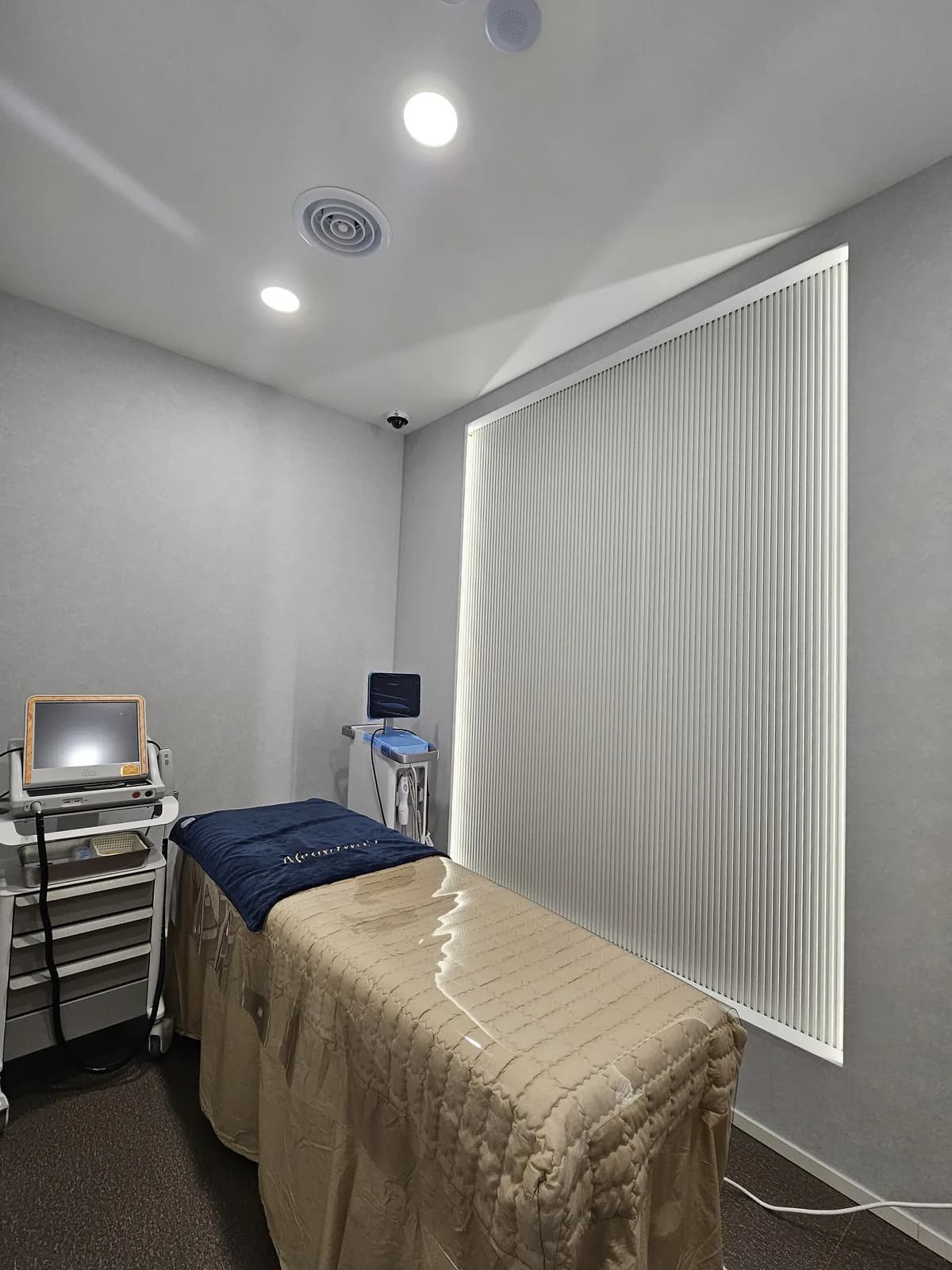
Getting here is the easy part. The clinic is on the 3rd floor of Korea Daeyungak Tower, 97 Toegye-ro, a minute from Myeongdong Station Exit 5 on Line 4 and across from Shinsegae Department Store. On weekdays we're open 10:00 AM to 8:00 PM, so an evening appointment after a day out works. On weekends we close at 3:00 PM, so a Saturday morning slot fits a Friday-night arrival.
When numbing cream is needed, allow about an hour for Potenza, from preparation through aftercare. Add the consultation on top of that, and ask when you book whether the consultation and treatment can fall on the same day.
For the rest of that day, your face will usually look flushed and feel warm, a bit like mild sunburn, and that generally eases over the next day or two. Doctors commonly ask you to skip makeup for a day, avoid saunas, hot baths and hard workouts for a few days, and wear sunscreen whenever you're outside. Walking around Myeongdong's shopping streets is fine. Save the jjimjilbang for your next trip.
If you're also considering other laser work while you're here, such as laser hair removal in Korea, bring it up at the consultation so treatments on the same skin aren't stacked on one day.
Not sure whether your marks are scars or leftover color? Ask exactly that on WhatsApp. Say how long the marks have been there and whether they feel flat or dipped when you run a finger over them, because that one detail decides which half of this post applies to you.
Risks and side effects to know before you fly
Common and temporary: redness, mild swelling, a sandpaper feel or tiny pinpoint marks from the needles, and some dryness or tightness. In general these settle within a few days to a week. Bruising is more likely where subcision was done and can take a week or two to fade, so keep that in mind if you have an event soon after landing.
As a general rule, wait or talk it through first if any of these apply to you:
- Active breakouts, infection or a cold sore in the area to be treated, or frequent cold sores in the past
- Isotretinoin in recent months; many doctors still prefer a gap after the last dose
- A laser, peel or other resurfacing on the same area in the past few weeks
- Pregnancy or breastfeeding
- A history of keloids or raised scars, or skin that darkens easily after injury
If something comes up after you're home, new dark patches usually call for strict sunscreen and patience, and a local dermatologist can advise if they persist. Increasing pain, warmth, yellow crusting or fever after the first couple of days is not normal healing. See a doctor at home promptly instead of waiting for your next trip. The U.S. CDC advises medical travelers to bring copies of their records and arrange follow-up care at home before they leave, so ask for a note of what was done to take with you. Our post on mole removal scars in Seoul also covers how a small laser wound heals over the first weeks.
Results vary from person to person, and so does how long the improvement lasts.
Before you book flights, send on WhatsApp the month you hope to come and the one question that's been holding you back. One photo is enough to start, and you can ask before booking anything. When you come, I'll examine your skin in person with an interpreter beside you and recommend the plan that fits your scars and your calendar. We'll go through the remaining details together at that consultation.
Questions people ask
Before you message us
How soon after acne scar treatment can I fly home?
Flying doesn't harm treated skin, but cabin air is dry, and you'll want the redness and pinpoint marks to have settled. In general, it makes sense to book the session in the first days of a trip and leave at least two or three days before the flight. If subcision is part of the plan, allow more time for bruising. Keep a fragrance-free moisturizer and sunscreen in your carry-on.
Can I fit acne scar removal Korea sessions around sightseeing?
Yes, as long as the sightseeing doesn't involve heat or heavy sweating in the first few days. Walking, cafés and shopping are fine with a hat and sunscreen. Saunas, jjimjilbang, hot springs and hard workouts are better left for later in the trip. Our weekend hours, Saturday and Sunday from 9:00 AM to 3:00 PM, leave your afternoons open.
Do I need to stop isotretinoin before scar treatment?
Mention it if you've taken it in the past year, with the date of your last dose. Older guidance asked for a six-month wait before needling or resurfacing. More recent reviews suggest some procedures may be reasonable sooner, and doctors differ on this. Never stop a prescribed medicine on your own to fit a trip. Talk to the doctor who prescribed it first.
Will Korean skincare or a face wash fade acne scars?
Cleansers, gentle exfoliants and sunscreen help with active breakouts and with brown or red marks, which tend to fade over months. They don't rebuild the collagen lost under a depressed scar. A steady routine is still worth keeping, because preventing new breakouts protects the result of any scar treatment you have.
Is an interpreter with me during treatment?
Yes. English, Japanese and Chinese interpreters are in the clinic, and other languages can be arranged on request. Someone stays with you from the consultation through the treatment, so you can ask about aftercare, medicines and flight timing while it's happening, not afterwards.
Results and maintenance period vary by individual. Every procedure carries the possibility of side effects, which are explained before you agree to treatment. Prices exclude 10% VAT and event prices may change. This article is general information from the clinic and is not a diagnosis; suitability is decided at the consultation.
Written by
Dr. Sarang Lim
Head Doctor · Muse Clinic Myeongdong
- Education & training
- Graduated, Inje University College of Medicine · Residency training, Paik Medical Center (Inje University) · Sungkyunkwan University Graduate School, Master's degree · Indiana University Kelley School of Business
- Advisory & certification
- Cynosure — Certified laser center · Juvéderm — Advisory doctor · QT Fill — Advisory doctor · Olidia — Advisory doctor · Galderma Sculptra — Advisory doctor · Merz — Advisory doctor · Jeisys — Advisory doctor · NOVA Thread — Advisory doctor
- Academic societies (full member)
- Korean Academy of Aesthetic Plastic & Laser Medicine · Korean Society of Aesthetic Surgery · Korean Society of Obesity Research Medicine · Korean Society of Obesity & Aesthetic Medicine · Korean Society of Anti-Aging Medicine