Acne, Scars & Pores
Korean Beauty Acne Treatment Failing? Cost, Reviews, Methods
Korean beauty acne treatment can help mild, clogged acne; deep acne needs more. See methods, cost factors and reviews, then send Muse Clinic one photo.
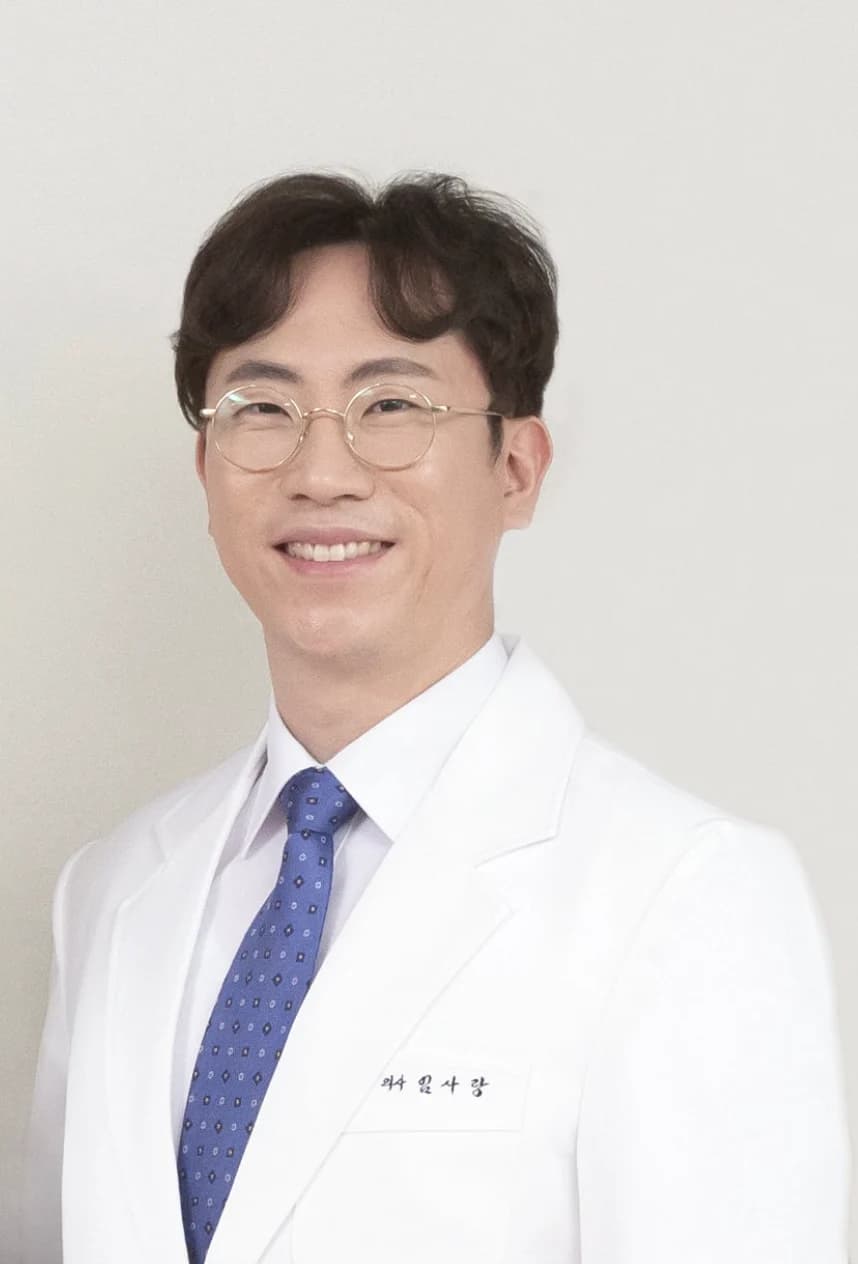 Dr. Sarang LimHead Doctor, Muse Clinic Myeongdong · 11 min readMedically reviewed by Sarang Lim, M.D., Head Doctor · Edited by: Sarang Lim, M.D.
In this article
- 01Can Korean beauty acne treatment clear acne on its own?
- 02Which acne a routine can handle, and which it can't
- 03What methods does a Korean beauty clinic use for acne?
- 04One example: deep jawline acne and seven days in Seoul
- 05What can go wrong, and who should wait?
- 06What reviews get right and wrong about acne clinics in Korea
- 07What decides the cost of Korean acne treatment?
- 08How a short Seoul trip fits an acne plan
Tried every Korean beauty acne treatment on the shelf, and the bumps along your jaw still come back?
Read this before you buy another serum or book a clinic in Seoul.
Hello, I'm Sarang Lim, M.D., Head Doctor.
You'll know what decides the cost, which review claims hold up, and which methods fit which kind of acne. That lets you tell whether your skin needs a different routine, a prescription or a procedure, within your budget.
Hello, I'm Dr. Sarang Lim, Head Doctor at Muse Clinic Myeongdong.
Here, a structured consultation with an interpreter comes first, and then I plan and perform the treatment one-to-one. English, Japanese and Chinese interpreters are in the clinic, and foreign visitors pay the same listed prices as Korean patients.
I'm writing this because many people treat Korean skincare and Korean clinic care as one thing, then judge both by the wrong standard.
The short answer: Korean beauty products can help mild, clogged acne. Deep, tender or scarring acne usually needs medical treatment, and a longer routine won't change that.
If you can't tell which side you're on, send a daylight photo of the breakouts on WhatsApp with a list of what you use now, and ask one thing: does this look like a skincare problem or a medical one?
Can Korean beauty acne treatment clear acne on its own?
Sometimes, when the acne is mild. A cleanser that doesn't strip your skin, a sunscreen labeled non-comedogenic and one well-chosen active can be enough for blackheads and small closed bumps.
The belief I'd correct is that more steps mean more treatment. The American Academy of Dermatology advises people with acne-prone skin to avoid astringents, toners and exfoliants, because they can dry the skin and make acne worse. Its other warning fits the shopping habit too: trying new acne products too often can irritate the skin and cause breakouts. If you've changed your routine every three weeks, you may never have given any one product a fair test.
The Academy's own timeline is at least 6 to 8 weeks before you start to see fewer breakouts. That number is worth holding on to. It applies to prescriptions and clinic plans as much as to anything in a bottle.
Which acne a routine can handle, and which it can't
The question I'd want answered first has nothing to do with products: are your breakouts small and clogged, or deep and sore when you press them? That one distinction moves you from one column of options to another.
| What you see | What it often points to | Where to look first |
|---|---|---|
| Blackheads, small closed bumps | Clogged pores | Gentle routine, then scaling or a peel |
| Red pimples that keep returning | Inflammatory acne | An acne active for 6 to 8 weeks, then a prescription |
| Deep, tender lumps on the jaw, lower face or neck | Possible hormonal or nodular acne | A doctor's assessment and prescription options |
| Dents or pitted skin, few new pimples | Scars | Scar procedures once breakouts have settled |
| Flat brown marks after pimples | Postinflammatory pigmentation | Daily sunscreen, time, careful choice of any laser |
Most people have more than one row at once. That's why a single product or a single procedure so often disappoints. It was aimed at one row while the skin was dealing with three.
What methods does a Korean beauty clinic use for acne?
The second belief is that a Korean laser can do what skincare couldn't. According to the American Academy of Dermatology, laser or light therapy may be part of a plan for mild to moderate acne. Nodular acne, the most severe type, is treated with options such as isotretinoin, and corticosteroid injections may be used for a few large, painful breakouts. So a device is one part of a plan, and for the deepest acne it's rarely the part that matters most.
On our Acne/Pore menu, the methods fall into four groups:
- Clearing clogged pores. Scaling skin sits here, along with peels from our Peeling menu. Chemical peels help remove dead skin cells and excess oil that clog pores.
- The right one depends on whether you're treating active breakouts, pores or texture.
- Scar work. Air subcision is aimed at dented scars, and it has no role in calming an active pimple.
- Medication and pores. A prescription for acne is on the menu, and the Pore Injection addresses pores. Ask which medicines apply to you, because that depends on your history.
If you want the clinic visit described step by step, I've covered that in what a Seoul clinic does for acne. If a method doesn't fit your row of the table, it shouldn't be on your plan.
When acne has resisted everything at home, a dramatic procedure is tempting. I'd rather slow down and ask why it has resisted: hormones, the wrong active, too many products, or scars being mistaken for acne. Each of those has a different next step, and only some of them involve a device.
One example: deep jawline acne and seven days in Seoul
Say you're 30, with deep, tender lumps along your jaw and neck. You've had years of Korean skincare, and your doctor at home has said your case is difficult. You have seven days in Seoul and hope one clinic visit will settle it.
I'd start with the pattern. The American Academy of Dermatology describes acne along the jawline, lower face and neck that persists despite other treatments as a sign of hormonal acne in women. Treatments for it include the birth control pill and spironolactone, which requires reliable birth control. The pill takes about 2 to 3 months to show results, so neither is a one-week answer.
That changes what I'd say about your seven days. They can give you an assessment and a clear plan, plus treatment for whatever is suited to it now, such as clogged pores. They won't finish deep acne. Any medication needs someone at home who can follow it with you, so that conversation matters as much as anything booked in Seoul.
If the same reader had mostly dented scars and few new pimples, my reasoning would flip. The trip would be about scar work, and the routine could stay short.
What can go wrong, and who should wait?
Most reactions are short-lived, but a few can last. Going through this section before you book will tell you more than any list of benefits.
Risks and side effects to know
Common reactions after peels, lasers and microneedling are redness, swelling, stinging, dryness and flaking. These often settle within hours to several days, depending on the method and how deep it goes. Some people also have a short flare of breakouts. Results vary from person to person.
The longer-lasting risk is pigmentation. DermNet notes that peels, lasers and intense pulsed light may help postinflammatory pigmentation but can also worsen it by injuring the skin, and that in darker skin these marks tend to be more intense and last longer. Infection and scarring are less common but possible, and picking or squeezing raises the risk of scars and dark spots.
As a general rule, you should wait or skip a procedure if you have any of these:
- An infection or inflamed lesion at the treatment site
- A laser or peel in recent weeks
- Current or recent isotretinoin use
- Pregnancy or breastfeeding
- A known allergy to an ingredient
- A history of keloid scars
If something changes after you fly home, photograph it and see a local doctor promptly for spreading redness, increasing pain, pus or fever. Bring the name of the procedure and the date. The US CDC's guidance on medical tourism suggests arranging follow-up care at home before you travel, and for acne I'd take that literally: know who you'd see before you leave.
Before you message about any procedure, write down the acne medicines you've taken in the past year and any recent peel or laser. Send that list on WhatsApp and ask how long you should wait for the treatment you have in mind.
What reviews get right and wrong about acne clinics in Korea
Three claims come up again and again in review threads.
“One session cleared my skin.” A session can unclog pores and calm the look of the skin for a while, which is what the writer probably saw. New breakouts keep forming underneath, though, so judge the treatment by the 6 to 8 week timeline.
“Extraction at a clinic beats doing it at home.” This one holds up. The American Academy of Dermatology says extraction should be done by a trained professional to avoid scarring and infection.
“Glass skin treatment fixed my acne.” Be careful with this one. Glass skin is a goal about hydration and surface texture, and acne is a separate condition. If that's still your goal once breakouts are under control, read about what glass skin treatment does and doesn't change and the side effects of glass skin treatment.
What decides the cost of Korean acne treatment?
Five things move the cost for your case:
- The problem being treated. Clogged pores, active acne and scars call for different methods.
- The number of sessions. Scars and persistent acne usually take more than one.
- Medication and days in Korea. A prescription adds a line, and your stay limits how many sessions fit.
The full price list is published on our website, with every treatment and option, and listed prices exclude 10% VAT. Foreign visitors pay the same listed prices as Korean patients. If glass skin is also on your list, what decides the price of glass skin treatment is a separate read.
To get a figure for your own skin, ask on WhatsApp what it would cost for your case, with the area you want treated and the number of days you'll be in Seoul.
How a short Seoul trip fits an acne plan
Book your visit early in the trip. Redness and flaking are easier to manage when your flight isn't the next morning, and if you need a second visit, you have room for it.
The clinic is a 1-minute walk from Myeongdong Station Exit 5, on the third floor of Korea Daeyungak Tower. Hours are 10:00 AM to 8:00 PM on weekdays and 9:00 AM to 3:00 PM on Saturdays and Sundays, so a weekend arrival doesn't rule out a visit.
Bring what would otherwise get lost in translation: your prescriptions or their photos, the names of your current products, and dates of past procedures. An interpreter stays with you from consultation through treatment, so you can go through that list in detail.
For the rest of your stay, treat sun as the main hazard for healing skin. DermNet recommends daily broad-spectrum SPF 50+ when pigmentation is on exposed skin, because UV exposure can make it darker. Walking around Seoul for six hours counts as exposure. Wear sunscreen and a hat, and don't start new products from a shopping trip while your skin is recovering.
Then go home with a short written note of what was done and the date, and hand it to the doctor who'll follow you there. Keep your routine steady for the next 6 to 8 weeks, so you can tell what worked.
Your first step can be small. One photo is enough, and you can ask before booking anything: send a daylight photo of your jaw or whichever area worries you on WhatsApp, with the question you most want answered. When you come in, I'll examine your skin and recommend the treatment that fits it, including a prescription or a shorter plan if that suits you better.
Questions people ask
Before you message us
Does Korean beauty acne treatment work on hormonal acne?
Skincare can support hormonal acne, but it rarely controls it alone. The American Academy of Dermatology describes this pattern as acne along the jawline, lower face and neck that persists despite other treatments. Its listed treatments are prescription options, including the birth control pill and spironolactone. A gentle routine still helps by keeping irritation down while the medicine works.
How long should I give a new acne treatment before judging it?
The American Academy of Dermatology says it takes at least 6 to 8 weeks before you start to see fewer breakouts. Changing products sooner makes it hard to know what helped, and it can irritate your skin. Keep a dated photo from the start, in the same light, so you can compare fairly instead of relying on memory.
Can I go sightseeing after a laser or peel in Seoul?
Healing skin is more prone to dark marks from sun, so wear broad-spectrum sunscreen and a hat, and limit long hours outdoors at midday. Ask about heat, saunas and alcohol for your specific treatment before you plan the rest of the day.
Should I stop my acne medication before visiting a clinic?
Don't stop a prescription on your own just because a trip is coming up. Tell the clinic what you take, or took in the past year, because some medicines affect which procedures are suitable and when. Isotretinoin is the main one to mention. Bring the names or a photo of the labels, and check with the doctor who prescribed them.
Will I have to explain my skin history in Korean?
No. English, Japanese and Chinese interpreters are in the clinic, and other languages can be arranged on request. Someone stays with you from consultation through treatment, so you can go through your medicines, past procedures and worries in detail. It still helps to bring a written list, since names of products and medicines are easy to forget.
Results and maintenance period vary by individual. Every procedure carries the possibility of side effects, which are explained before you agree to treatment. Prices exclude 10% VAT and event prices may change. This article is general information from the clinic and is not a diagnosis; suitability is decided at the consultation.
Written by
Dr. Sarang Lim
Head Doctor · Muse Clinic Myeongdong
- Education & training
- Graduated, Inje University College of Medicine · Residency training, Paik Medical Center (Inje University) · Sungkyunkwan University Graduate School, Master's degree · Indiana University Kelley School of Business
- Advisory & certification
- Cynosure — Certified laser center · Juvéderm — Advisory doctor · QT Fill — Advisory doctor · Olidia — Advisory doctor · Galderma Sculptra — Advisory doctor · Merz — Advisory doctor · Jeisys — Advisory doctor · NOVA Thread — Advisory doctor
- Academic societies (full member)
- Korean Academy of Aesthetic Plastic & Laser Medicine · Korean Society of Aesthetic Surgery · Korean Society of Obesity Research Medicine · Korean Society of Obesity & Aesthetic Medicine · Korean Society of Anti-Aging Medicine