Acne, Scars & Pores
Korean with acne care: clinic terms explained
Korean with acne care explained: scaling, inflammatory injections, lasers and scar timing at a Myeongdong clinic, plus what to send us on WhatsApp first.
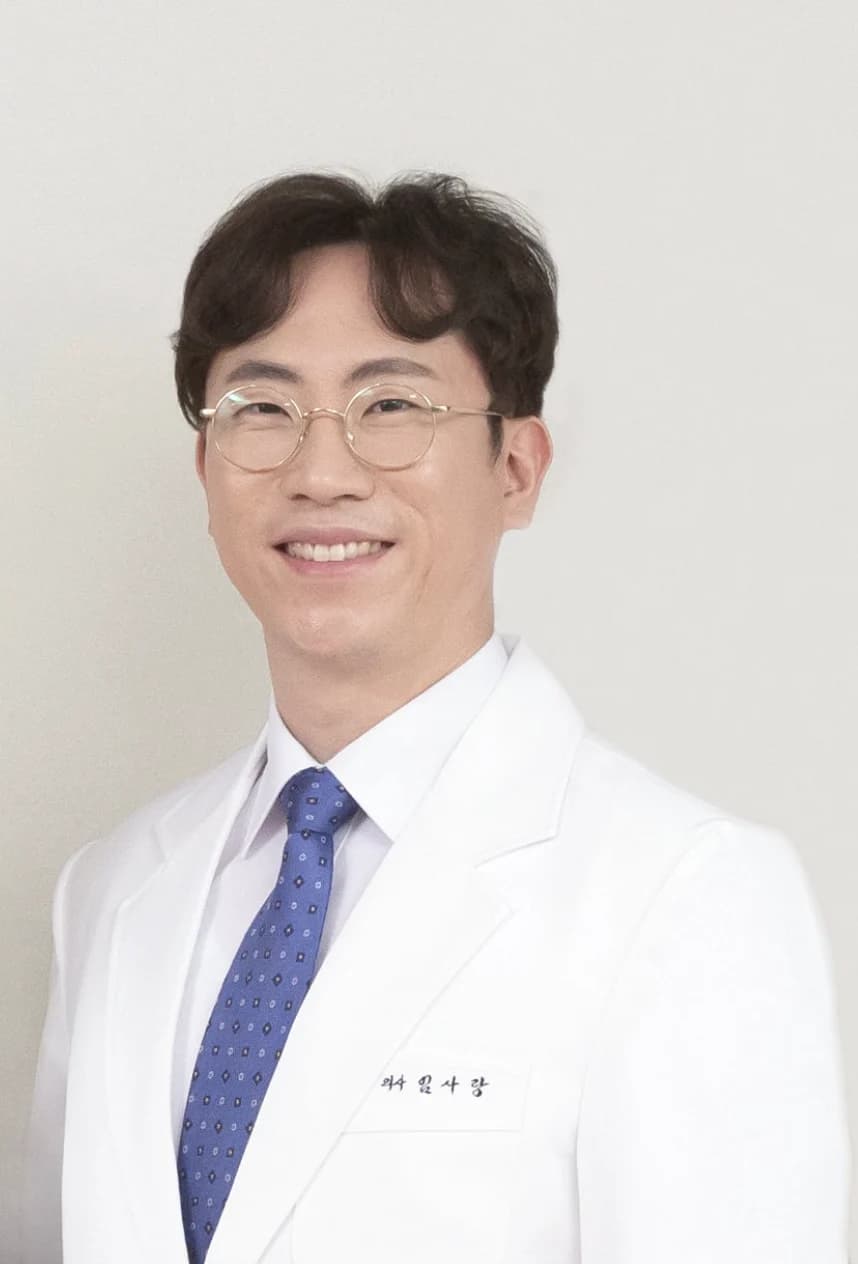 Dr. Sarang LimHead Doctor, Muse Clinic Myeongdong · 11 min readMedically reviewed by Sarang Lim, M.D., Head Doctor · Edited by: Sarang Lim, M.D.
In this article
- 01What Korean with acne care means in a Seoul clinic
- 02Lesion words come first: comedone, papule, pustule, nodule
- 03What is scaling, and how is it different from a facial?
- 04What does an inflammatory injection do to one painful spot?
- 05Laser, light and RF microneedling: which stage are they for?
- 06Red marks, brown marks and scars are three different words
- 07Risks, side effects and who should wait
- 08What to bring, and how to keep going once you're home
If you searched "korean with acne" because you want to know what Korean acne care looks like when the breakouts are real and active, the answer is a layered clinic plan: scaling and extraction to clear blocked pores, a small inflammatory injection for single painful spots, laser or light sessions, sometimes a prescription, with scar work saved for later.
The worry most visitors bring is practical: will a treated face still look red or picked-at on the flight home, and what happens to the plan once there's no clinic down the street? At Muse Clinic Myeongdong, English, Japanese and Chinese interpreters are in the clinic, and someone stays with you from consultation through treatment, so every word below gets explained to you in the room, in your language.
The terms are listed roughly in the order you're likely to hear them on the day, each with what it changes in your plan.
If you have a daylight photo of your skin with no makeup, send it on WhatsApp together with the dates you'll be in Seoul.
What Korean with acne care means in a Seoul clinic
In a Korean skin clinic, acne care means treating the stage your breakouts are in today, with skin care products as support. A gentle cleanser helps; it can't flatten a deep, painful lump.
Most people reading forum threads about Korean skincare for acne have already tried the routine: low-pH cleanser, toner, a light moisturiser, spot patches. That routine is a reasonable base. What a clinic adds is the part a bathroom shelf can't do: removing what's packed into pores, calming one inflamed spot quickly, and deciding whether your acne is mild enough for in-clinic work alone.
That last decision matters more than any device. DermNet, the dermatology reference run by New Zealand dermatologists, explains that acne treatment depends on age, sex, how extensive and severe the acne is, how long it has been present and how it responded to earlier treatment. Mild acne is usually handled with topical products and lasers or lights; moderate acne may need oral antibiotics or hormonal options; severe acne usually calls for a course of oral isotretinoin.
A trip to Seoul fits the first group well, the second partly, and the third only as a starting point with a doctor at home.
If you want to see how the pieces fit together over several visits, our overview of what a Seoul clinic does across a Korean acne treatment plan walks through it. The glass-skin finish many people come to Korea for is a later goal; how Korean glass skin treatment is planned makes more sense once breakouts are under control.
Lesion words come first: comedone, papule, pustule, nodule
The first words in an acne consultation describe your spots, because the type of spot decides which tool is used. A blackhead and a nodule share the word "acne" and almost nothing else.
| Word | What it looks like | What it usually points to |
|---|---|---|
| Comedone | Blackhead (open) or whitehead (closed) | Clearing pores: scaling, extraction, peels |
| Papule | Small, tender red bump | Calming inflammation, topical care |
| Pustule | Spot with a white or yellow head | Careful extraction, calming care |
| Nodule | Large, painful red lump under the skin | Doctor-led care, sometimes oral medication |
DermNet groups these as superficial (comedones, papules, pustules) and deeper (nodules and pseudocysts, which feel like soft swellings). It also names a third group people forget: marks from picking, red or dark spots left by healed lesions, and scars. In consultation you'll hear the doctor sort your face into these groups, often area by area, because the forehead and the jawline can be at different stages on the same day.
What is scaling, and how is it different from a facial?
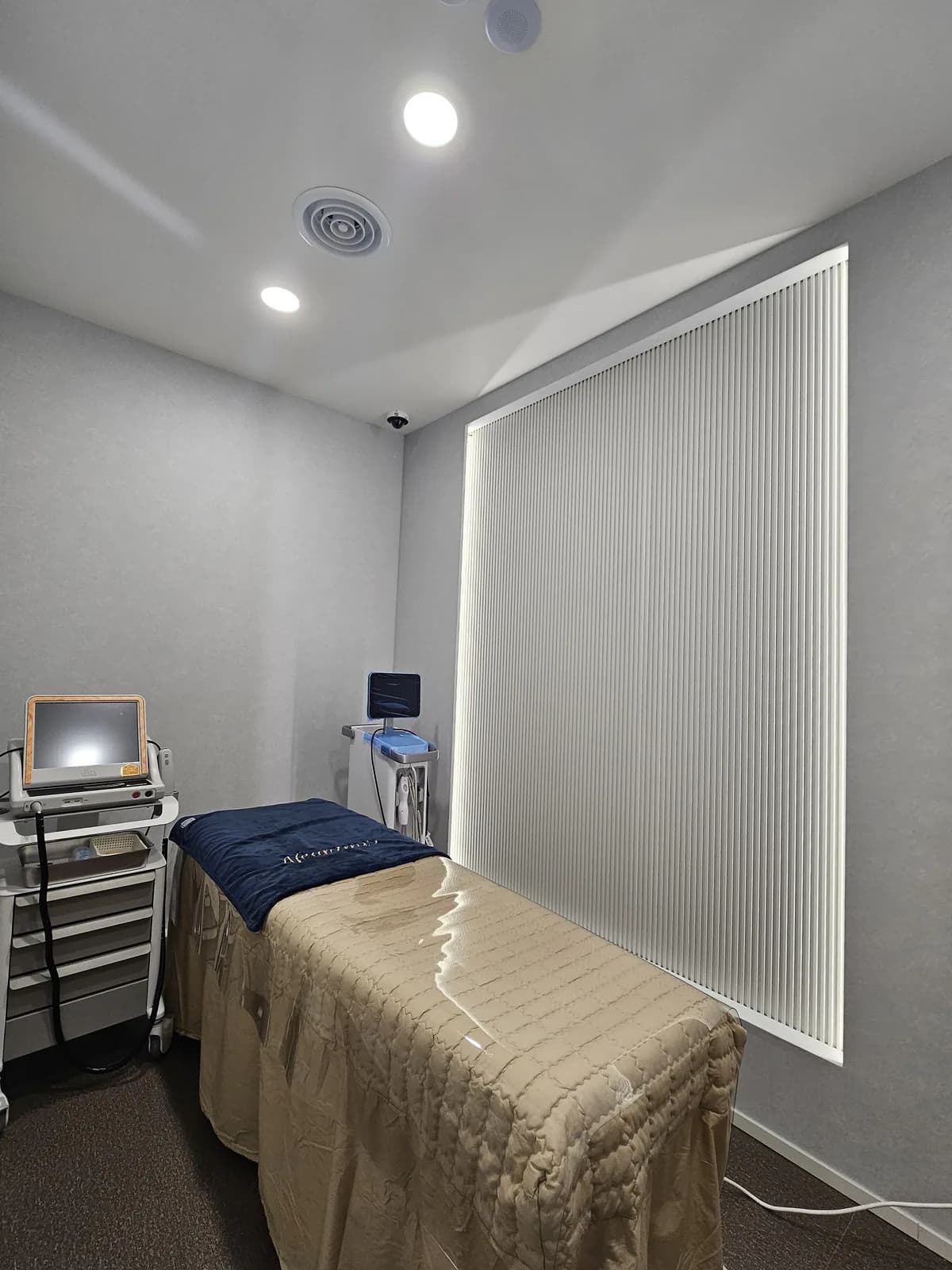
On our menu, Scaling skin sits under both Skin Care and Acne/Pore, described as "Skin care / Inflammatory injections".
Extraction is the part people try at home and regret. The American Academy of Dermatology (AAD) calls professional extraction "acne surgery" and stresses that it should be done by a doctor trained in it, to avoid scarring and infection. Squeezing a closed whitehead with fingernails pushes debris sideways into the skin; a clean, controlled extraction opens the pore first and removes the contents along the path they came from.
A facial aimed at dullness or dehydration is a different job. A Korean glow facial is built around hydration and brightness, and it's a better fit for skin that is already calm.
Peels are the other word you'll hear here. The AAD notes that a chemical peel removes dead skin cells and excess oil that clog pores, which can help clear acne. Our peeling menu includes Aladdin Peeling, which the menu lists as recommended for complex skin problems such as pigmentation, skin trouble, pores and keratin.
What does an inflammatory injection do to one painful spot?
An inflammatory injection is a tiny dose of anti-inflammatory medicine placed directly into one large, painful spot so it settles faster.
The AAD describes it plainly: for a large, painful breakout, a dermatologist may inject a corticosteroid to reduce swelling and pain, which may also lower the risk of scarring. The same page adds that dermatologists keep it for a few severe breakouts and advise against using it more than a few times. That is why it suits the person with three angry cysts before a wedding, and doesn't suit someone with forty small papules across both cheeks.
I understand why people with a big event coming up ask for an injection in every spot. My view is that this injection works best as a rescue for a handful of deep lesions, used sparingly, because the medicine itself can leave a small dip or a lighter patch if it's overused. For widespread breakouts, the plan has to work on the whole face, and that takes weeks.
Laser, light and RF microneedling: which stage are they for?
Lasers and light belong to mild-to-moderate active acne; RF microneedling and subcision belong mostly to the scar stage, after breakouts calm down. Hearing all of them in one consultation is normal; they're rarely all used at once.
The AAD lists lasers and light therapy as possible parts of a plan for mild-to-moderate acne. On our Acne/Pore menu you'll see Capri laser and Venus Viva, along with Potenza, Pico Focus, Air subcision and a pore injection. Potenza is an RF microneedling device: fine needles deliver radiofrequency energy under the surface, which is why it comes up for textured skin and depressed scars.
The reason for the order is simple. Working on scars while new spots keep appearing means treating a moving target, and inflamed skin tends to react more strongly to energy and needles. Most plans calm the active acne first, then decide on scar work once the face has been quieter for a while.
Lifting devices and threads are a separate conversation about sagging, not acne. If that's also on your list, what a Korean thread lift changes is the place to start.
Red marks, brown marks and scars are three different words
A flat red mark, a flat brown mark and a dent are three separate problems, and each one has its own timeline. Mixing them up is the most common reason people feel a treatment "didn't work".
Red marks (post-inflammatory erythema) are leftover redness from healed spots, more visible on fair skin. Brown marks (post-inflammatory hyperpigmentation, PIH) are excess pigment left behind by inflammation. DermNet notes that skin of colour usually shows less redness and more PIH, which can last long after the spot heals, and that PIH is often the main reason people seek care at all. A true scar changes the surface itself: a dip, an icepick hole, or occasionally a raised scar.
DermNet points out that keloid scars are more common in darker skin, particularly along the jawline, chest and upper back.
This matters for your trip because the tools differ. Flat marks are usually approached with gentle laser or peel options over time. Dents are where Potenza, subcision or Pico Focus come into the conversation. A raised scar tendency changes how cautiously anyone should work on your skin.
Not sure whether your marks are red, brown or dented? Take one photo in daylight, side-lit if you can, and send it on WhatsApp with the single question that's bothering you most. We'll reply in English, and you'll arrive knowing which of these three words to ask about first.
Risks, side effects and who should wait
Every step above carries some risk. The common ones are temporary redness, tenderness and small scabs; the ones worth planning around are pigment changes on darker skin and scarring from poorly done extraction.
What to expect, step by step:
- Extraction and scaling: redness and small marks for a short time are common. The AAD's warning about scarring and infection applies to untrained hands, which is why picking at home before your appointment makes the day harder.
- Inflammatory injection: a small dent or lighter patch can appear at the injection site, more often with repeated use. This is the reason the AAD keeps it to a few lesions.
- Peels and lasers: redness, dryness and flaking are typical. On medium to dark skin, any irritation can trigger new PIH, so settings and timing need care.
- RF microneedling and subcision: swelling, pinpoint marks and bruising can follow. These are scar treatments, so they are usually not booked during an active flare.
Timing is the honest limit of a short trip. The AAD says acne treatment takes at least 6 to 8 weeks before you see fewer breakouts. One visit in Seoul can clear congestion, calm a few deep spots and set a plan; it can't replace those weeks. Results vary from person to person, and whether a specific treatment suits your skin is decided at the in-person consultation.
Some people should hold off on in-clinic procedures. If your acne is mostly deep nodules, DermNet's guidance points toward oral treatment such as isotretinoin, which is a months-long course managed with a doctor who can see you regularly. If you're already taking isotretinoin or have used a strong retinoid or peel in the last few weeks, say so before anything is planned, because many procedures are postponed in that situation.
Heat is the other practical point: saunas, hot baths and hard workouts on freshly treated skin can worsen redness, so keep the first evenings of your trip quiet and follow the aftercare you're given for the specific treatment.
To plan around these limits, send your travel dates and photos of the labels on the two or three products you use most, including any prescription cream.
What to bring, and how to keep going once you're home
Bring a list: every product on your face, any acne medication with its dose, and the date of your last peel or retinoid. Those three things shape the plan more than any photo.
The practical side is straightforward. The clinic is on the 3rd floor of Korea Daeyungak Tower, a 1-minute walk from Myeongdong Station Exit 5 on Line 4, across from Shinsegae Department Store. Hours are Mon–Fri 10:00 AM to 8:00 PM and Sat–Sun 9:00 AM to 3:00 PM, so a weekend consultation works if your weekdays are full of sightseeing or work. Muse Clinic has 11 branches in Korea; this is the Myeongdong branch.
Once you're home, the plan continues with your own routine and, for moderate or severe acne, with a local dermatologist. Take a note of what was done in Seoul and on which date, so your doctor at home can pick up where the consultation left off. If you're still deciding where to go at all, our foreigner's guide to Korean aesthetic clinics covers what to check before booking anywhere.
If you're Korean with acne, or simply want Korean-style clinic care for it, the smallest first step is a WhatsApp message with your Seoul dates and one daylight photo of the area that bothers you most. We'll reply in English, and you'll have something concrete to plan your trip around.
Questions people ask
Before you message us
Is a Korean skincare routine enough to clear acne?
For mild blackheads and the odd papule, a gentle routine can be enough. For deep, painful nodules or acne that leaves marks, products help but rarely solve it alone, because they can't remove packed pores or calm a cyst quickly. DermNet notes that severe acne usually needs oral treatment, so a routine works best as support for a plan set with a doctor.
Can I go to a sauna or jjimjilbang after acne treatment in Seoul?
It's wiser to skip saunas, hot baths and intense workouts for the first days after extraction, peels, lasers or microneedling. Heat and sweat can increase redness and irritation on freshly treated skin, and open spots need to close first. Plan your sauna visit for the start of the trip, and follow the aftercare given for the specific treatment you had.
How soon will I see fewer breakouts after a clinic visit?
Congestion and a few deep spots can look calmer within days, but the American Academy of Dermatology says acne treatment takes at least 6 to 8 weeks before breakouts reduce. A single visit is best seen as a reset and a plan. Keep the routine going at home and keep a note of what was done so your local doctor can continue it.
Can acne scars be treated on the same trip as active acne?
Usually scar work such as RF microneedling or subcision waits until active breakouts have calmed, because new spots keep changing the surface and inflamed skin reacts more strongly. If your acne is mostly quiet and your concern is dents, a scar-focused plan can be discussed. Flat red or brown marks are a separate issue and are approached differently from true scars.
Should I tell the clinic if I take isotretinoin or use a retinoid?
Yes, always mention it before anything is planned. Isotretinoin, strong retinoid creams and recent peels make the skin more fragile, and many procedures are postponed while you use them or for a period afterwards. Bring the name and dose of any medication, and the date you last used a retinoid or had a peel, so the plan fits your skin as it is.
Results and maintenance period vary by individual. Every procedure carries the possibility of side effects, which are explained before you agree to treatment. Prices exclude 10% VAT and event prices may change. This article is general information from the clinic and is not a diagnosis; suitability is decided at the consultation.
Written by
Dr. Sarang Lim
Head Doctor · Muse Clinic Myeongdong
- Education & training
- Graduated, Inje University College of Medicine · Residency training, Paik Medical Center (Inje University) · Sungkyunkwan University Graduate School, Master's degree · Indiana University Kelley School of Business
- Advisory & certification
- Cynosure — Certified laser center · Juvéderm — Advisory doctor · QT Fill — Advisory doctor · Olidia — Advisory doctor · Galderma Sculptra — Advisory doctor · Merz — Advisory doctor · Jeisys — Advisory doctor · NOVA Thread — Advisory doctor
- Academic societies (full member)
- Korean Academy of Aesthetic Plastic & Laser Medicine · Korean Society of Aesthetic Surgery · Korean Society of Obesity Research Medicine · Korean Society of Obesity & Aesthetic Medicine · Korean Society of Anti-Aging Medicine