Fillers & Volume
Korean Hyaluronic Acid Filler: Safe? Cost, Reviews, Methods
Korean hyaluronic acid filler isn't for everyone. See when to wait, what decides cost, and why leftover product matters. Send a photo on WhatsApp to ask.
 Dr. Sarang LimHead Doctor, Muse Clinic Myeongdong · 11 min readMedically reviewed by Sarang Lim, M.D., Head Doctor · Edited by: Sarang Lim, M.D.
In this article
- 01What does "Korean" actually tell you about a filler?
- 02Is Korean hyaluronic acid filler safe? What the risks look like
- 03When I'd tell you to wait or skip it
- 04Problems hyaluronic acid filler can't solve
- 05How do filler methods differ, and what changes for you?
- 06What do reviews get right and wrong about Korean filler?
- 07What decides the cost of filler in Seoul?
- 08How many days should you leave before flying home?
Is Korean hyaluronic acid filler safe enough to fit into a long weekend in Seoul, when you'll be back at your desk in another country by Monday?
Read this before you put a filler appointment between your flights.
Hello, I'm Sarang Lim, M.D., Head Doctor.
You'll know what decides the cost, what reviews get right and wrong, how the methods differ and when I'd tell you to wait, so you can judge whether filler fits your face, your trip and your budget.
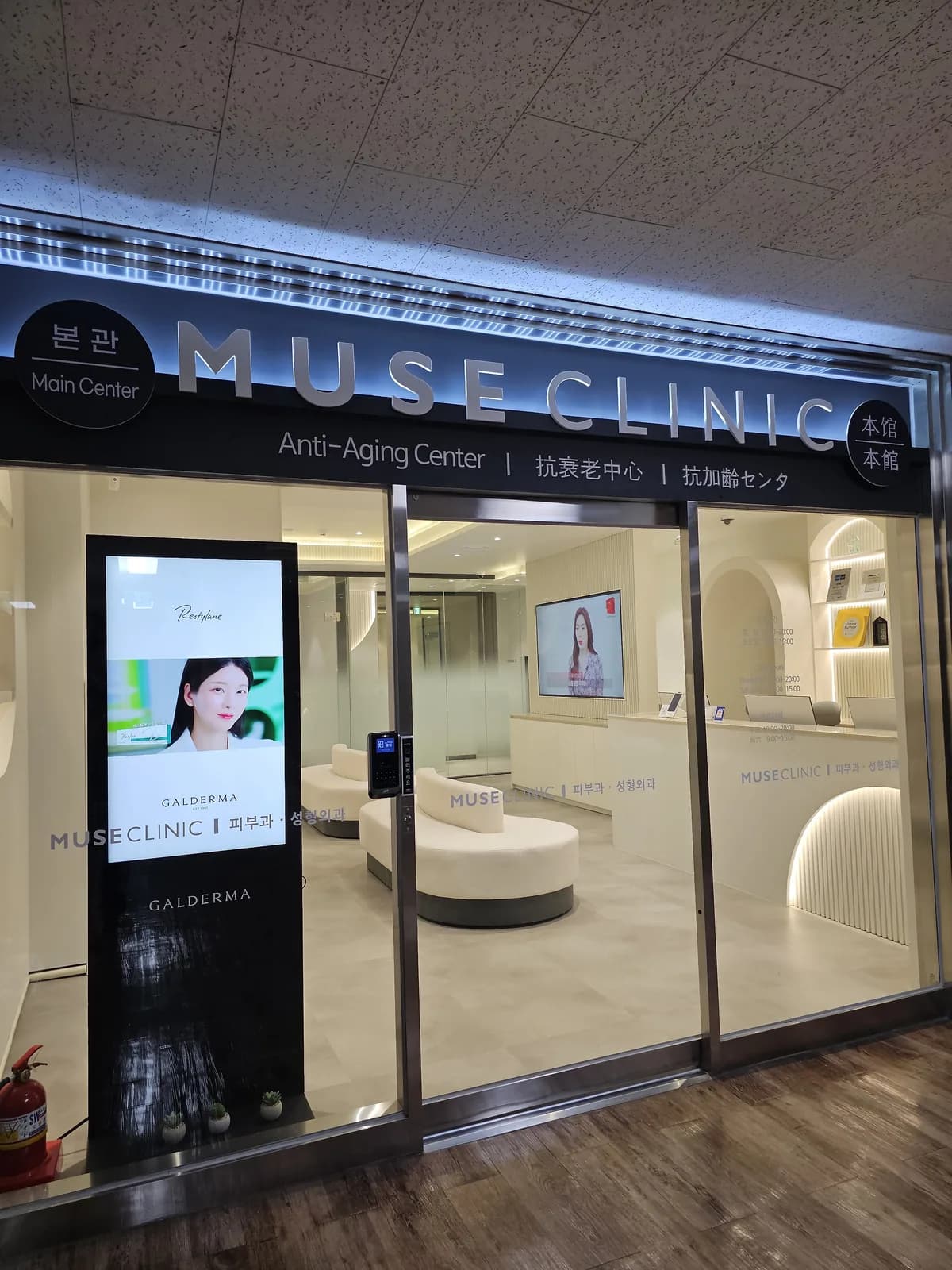
Hello, I'm Dr. Sarang Lim, Head Doctor at Muse Clinic Myeongdong.
I plan and perform treatment myself after a consultation with an interpreter. Foreign patients pay the same prices as locals. We don't retouch filler here, and any remaining amount is discarded.
I wrote this because people often judge the word "Korean" when the questions that move their risk are which product, which area, who injects and how soon they fly.
Korean hyaluronic acid filler carries the same kinds of risks as any hyaluronic acid filler. It's a sound option when the product is approved, the injector knows the vessels in that area, your skin is free of infection and you have days in hand before your flight.
If you already have a spot in mind, send one daylight photo of it on WhatsApp with your flight dates, and ask the one thing you're unsure of: "Is this area worth doing on this trip?"
What does "Korean" actually tell you about a filler?
In short, it tells you where a product was made, and very little about your risk. Hyaluronic acid is a sugar molecule your skin already contains. Filler versions differ in how the gel is cross-linked, how firm it is and whether it includes an anesthetic such as lidocaine.
Regulatory status is the part worth checking. Korea's regulator is the Ministry of Food and Drug Safety (MFDS), and the US FDA runs its own approval process. An approval covers that product in that market. A filler approved in Korea may never have been submitted to the FDA, and that absence says nothing either way about how it performs.
Korean researchers have also run randomized trials. A 2016 paper in Plastic and Reconstructive Surgery, for example, tested a lidocaine-containing monophasic filler for nasolabial folds. One trial speaks for one product in one area, never for a whole country's output.
Your searches may also have turned up many brand names, some on sites that sell filler to anyone. The FDA's advice is direct: don't buy dermal filler online, because it may be fake or contaminated. On our filler menu you'll see Soon soo filler and Juvéderm, which is approved by MFDS and FDA. I'm an advisory doctor for Juvéderm, so weigh my view with that in mind.
Genuine product and correct dosage are the first things I hold to. Wherever you go, ask to see the box and label before the injection, and if a brand name caught your eye online, ask whether it's on the menu before you plan around it.

Is Korean hyaluronic acid filler safe? What the risks look like
Most reactions are minor and temporary, and the rare serious one needs a fast response. Knowing the difference matters more when you'll be in another country a few days later.
Risks and side effects to know
The FDA lists bruising, redness, swelling, pain, tenderness, itching and rash among the common side effects. Swelling and bruising often settle within a week or two. Less often, people get lumps, unevenness, infection, or a bluish tint where filler sits under thin skin, such as below the eyes.
The serious risk is filler entering a blood vessel. The FDA warns this can block blood flow and, rarely, lead to skin necrosis, vision problems, blindness or stroke. Vessels around the nose, forehead and between the brows connect toward the eye's circulation, so these are the areas where I'd want you to think hardest about who is holding the needle.
Results vary from person to person, and so does how long the filler stays, because products differ and each body breaks hyaluronic acid down at its own speed.
Here's what to do once you're home:
- Sudden severe pain, skin turning white or mottled, any change in vision, weakness or trouble speaking: go to an emergency department at once. Don't stop to message anyone.
- Spreading redness, heat, or swelling with fever: see a doctor the same day.
- A firm lump weeks later without pain: book a dermatologist. Hyaluronic acid can generally be dissolved with an enzyme called hyaluronidase, which that doctor can consider if they know what was injected.
That last line is why you should photograph the product label and note the amount and sites before you leave any clinic. The CDC's medical tourism guidance makes the same point: carry copies of your records and arrange follow-up with a provider at home before you travel.
When I'd tell you to wait or skip it
Put simply, these are general medical reasons to delay, and your own doctor may add others:
- A cold sore, inflamed pimple, rash or infection at or near the site. Let it clear before anyone puts a needle through it.
- Pregnancy or breastfeeding. Fillers haven't been well studied here, so postponing is the usual advice.
- A known allergy to lidocaine or a filler ingredient, or past severe allergic reactions.
- Blood thinners, including aspirin and some supplements, which raise bruising. Never stop a prescribed one without asking the doctor who prescribed it.
- A bleeding disorder or autoimmune condition. Speak with your own doctor before you book anything.
- A laser or peel on the same area in recent weeks. Tell the injector the date, since inflamed skin is a poor place to inject.
- Earlier filler in that area that you can't name. The first thing I want to know is what's already there, because a lump on top of an unknown product is harder to sort out.
The easiest way to check yourself against this list is to write your answers down. Message your medications, allergies and any past filler names on WhatsApp, and ask: "Does anything here change what I should plan?"
Problems hyaluronic acid filler can't solve
Filler adds volume. It doesn't tighten loose skin, and adding gel to a sagging cheek can make the lower face look heavier. For that kind of laxity, the conversation usually moves to lifting devices such as Ulthera or DENSITY, both on our menu.
It also won't fade a brown under-eye shadow caused by pigment, or smooth rough texture. Pico laser toning belongs to the first conversation, and if your complaint is dullness, read how a clinic facial differs from a spa facial before you spend on injections.
For gradual volume loss, some people consider collagen stimulators such as Sculptra or Radiesse. Their main trade-off is that hyaluronidase can't dissolve them, and nodules can occur. When several areas are involved, planning filler by area shows why one spot is rarely judged alone.
How do filler methods differ, and what changes for you?
The same syringe can give different results depending on four choices. This table is what I'd want you to ask about.
| Choice | What it changes | What to ask |
|---|---|---|
| Gel firmness | Firmer gels hold shape in deep areas; softer ones suit lips and thin skin | Why this product for this area? |
| Needle or cannula | A needle places small deposits exactly; a blunt cannula needs fewer entry points and doesn't remove vessel risk | Which will you use here, and why? |
| Amount | More volume means more swelling and a higher chance of a heavy look | What's the smallest amount that makes sense? |
| Numbing | Cream and lidocaine in the gel reduce discomfort | Does this product contain lidocaine? |
With us, a facial filler session runs in four steps: one-to-one consultation, anesthetic cream, design, then the injection. It takes about 10 minutes per 1cc. An interpreter stays with you from consultation through treatment, so you can stop and ask any of these questions while it's happening.
What do reviews get right and wrong about Korean filler?
Review threads repeat a few claims, and they deserve separate answers.
"Korean filler is the same as the global brands." Partly right. The material belongs to the same family, but gels differ in firmness and cross-linking, and each product has its own data. A thread can't settle that for the product you're being offered.
"You can go straight back to sightseeing." Often right, for walking around. Bruising and swelling don't follow a schedule, though, and nobody can promise you'll escape them before your dinner photos.
"A lump means it was botched." Often wrong in the first days, when swelling and uneven settling are common. A lump that stays, hurts or grows does need a doctor's eye.
"It lasted two years" or "it was gone in three months." Both may be true for that person. Product, area and metabolism all shift the timeline, so another person's number won't predict yours.
What decides the cost of filler in Seoul?
Five things move the figure for you:
- Product line: Soon soo filler and Juvéderm are listed separately.
- Amount: filler is priced by the cc, and your area sets how much makes sense.
- Area: the nose, forehead and under-eyes have their own menu lines.
- Tax: prices on our site exclude 10% VAT, so add that when you compare your total.
- Days in Seoul: leaving a margin before your flight can mean an extra night, and that belongs in your budget.
All 77 menu prices are published, and the Korean filler price list walks through them. Our treatment pages let you tick options for an estimate, while the final plan and price are set with me at your consultation.
For your own figure, send a front photo on WhatsApp, name the area and amount you have in mind, and ask what it would cost for your case.
How many days should you leave before flying home?
There's no official number. My own advice is at least two full days in Seoul after the injection, and more for a first filler or anything near the nose. That margin gives early swelling and bruising time to show themselves while you can still walk back in and be looked at.
Say you live in Singapore, land on Friday night, fly out Monday morning and want 1cc in the chin. We're open 9:00 AM to 3:00 PM on Saturdays and Sundays. I'd push you toward Saturday morning, which leaves the rest of that day and all of Sunday to watch how it settles. A Sunday slot leaves you less than a day. Say you wanted nose filler on that same trip with the same flight: I'd suggest saving it for a longer visit.
For the first day or two, avoid pressing or massaging the area, and go easy on heavy exercise, saunas and alcohol, which can worsen swelling and bruising for many people. After lip-area filler you can usually eat again 2 to 3 hours later. If you arrive midweek, weekday hours run until 8:00 PM, and the clinic is a 1-minute walk from Myeongdong Station Exit 5.
If you told me you were flying tomorrow morning and this was your first filler, I'd advise you to skip it this time. Nothing about your chin is urgent. A second trip costs you a ticket, while an unexplained reaction on a long flight leaves you with no one nearby who knows what was injected.
One photo is enough to begin. Send it on WhatsApp with the review claim you keep rereading, and you can ask before booking anything. When you come, an interpreter stays with you from consultation through treatment, and I'll examine your face and recommend what fits it.
Questions people ask
Before you message us
Is Korean hyaluronic acid filler approved in the US?
That varies by product, so check the exact name. Korea's MFDS and the US FDA approve fillers separately, and a product cleared in one market may never have applied in the other. Of the names on our menu, Juvéderm is approved by both MFDS and FDA. Ask to see the label of whatever you're offered.
Can hyaluronic acid filler be dissolved if I dislike it?
Generally yes. A doctor can inject an enzyme called hyaluronidase to break the gel down, though it has its own risks, including allergic reactions, and the result may take more than one session. This option doesn't apply to collagen stimulators. Keep the product name and amount, because the doctor treating you will want them.
Does getting filler in the face hurt?
Most people describe pressure and brief stinging. With us, anesthetic cream goes on before the injection, and the anesthetic in the filler also makes it less painful. Sensitivity differs by area, and lips are often more tender than the chin or cheeks. Tell the doctor during treatment if the pain feels sharp or sudden.
How long does Korean hyaluronic acid filler last?
It's temporary, and the body gradually breaks it down over time. There isn't one number I can give you, since the product you choose, the treated area and how quickly you absorb hyaluronic acid all differ. Be wary of any promise of a fixed duration, and ask what's expected for your product and area.
Can I keep leftover filler for a later visit?
No. We don't retouch filler at our clinic, and any remaining amount is discarded. That makes the amount worth discussing before the injection starts. Ask how much your area needs, and how you'd handle wanting more later. Be cautious anywhere that offers to store an opened syringe for you.
Can I get filler if I just had a laser treatment?
Tell the doctor exactly what you had and when. Lasers and peels leave the skin irritated for a while, and many doctors prefer to let it calm down before injecting the same area. The gap differs with the treatment and how your skin reacted, so bring the date and the name of the procedure with you.
Results and maintenance period vary by individual. Every procedure carries the possibility of side effects, which are explained before you agree to treatment. Prices exclude 10% VAT and event prices may change. This article is general information from the clinic and is not a diagnosis; suitability is decided at the consultation.
Written by
Dr. Sarang Lim
Head Doctor · Muse Clinic Myeongdong
- Education & training
- Graduated, Inje University College of Medicine · Residency training, Paik Medical Center (Inje University) · Sungkyunkwan University Graduate School, Master's degree · Indiana University Kelley School of Business
- Advisory & certification
- Cynosure — Certified laser center · Juvéderm — Advisory doctor · QT Fill — Advisory doctor · Olidia — Advisory doctor · Galderma Sculptra — Advisory doctor · Merz — Advisory doctor · Jeisys — Advisory doctor · NOVA Thread — Advisory doctor
- Academic societies (full member)
- Korean Academy of Aesthetic Plastic & Laser Medicine · Korean Society of Aesthetic Surgery · Korean Society of Obesity Research Medicine · Korean Society of Obesity & Aesthetic Medicine · Korean Society of Anti-Aging Medicine