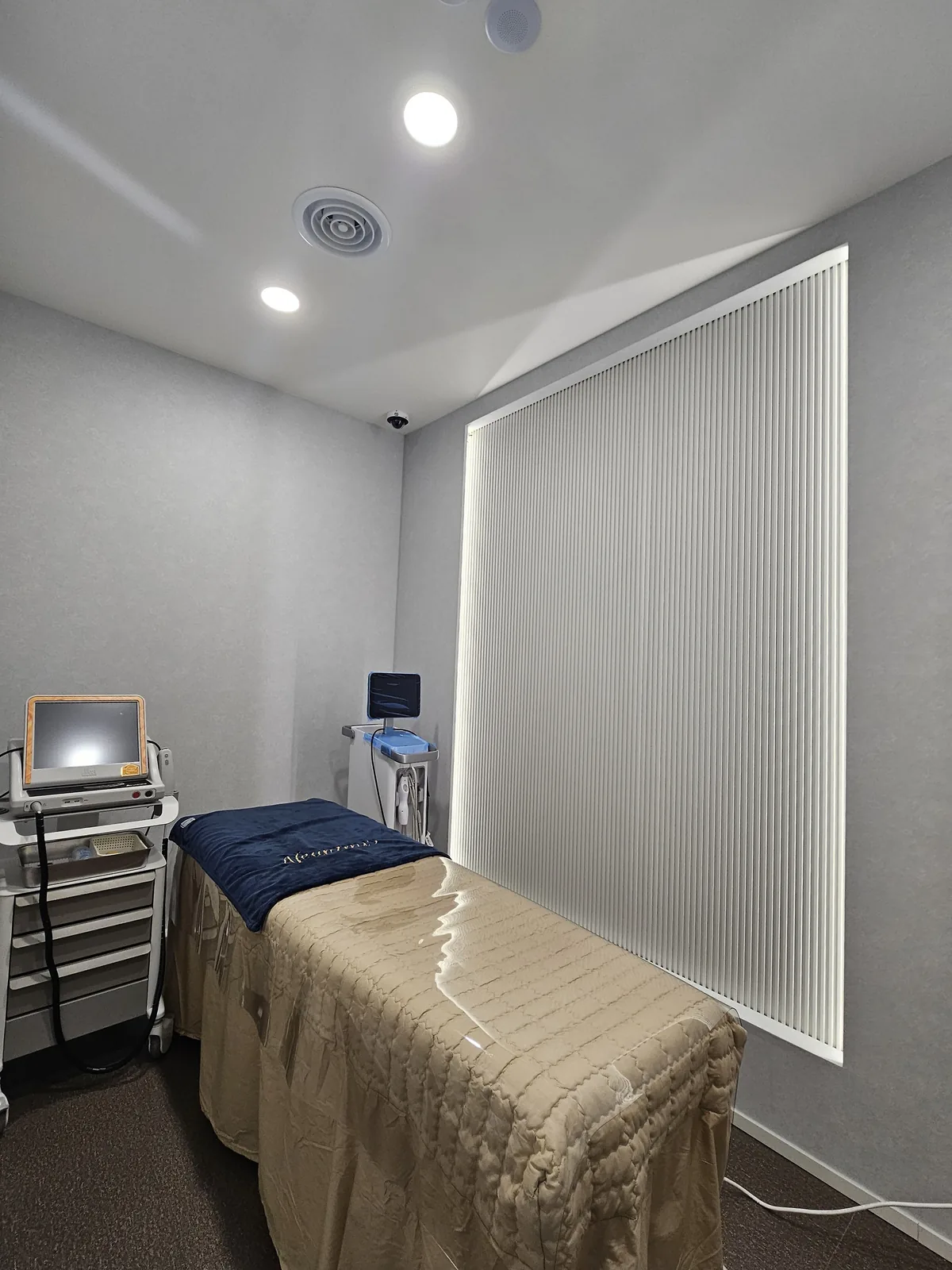
Fillers & Volume
What to Expect After Chin Filler on a Short Trip
What to expect after chin filler: swelling usually eases in 1–2 weeks. Flying home soon? Day-by-day care, warning signs, and what to send us on WhatsApp.
 Sarang Lim, M.D.Head Doctor, Muse Clinic Myeongdong · 10 min readMedically reviewed by Sarang Lim, M.D., Head Doctor · Edited by: Sarang Lim, M.D.
Myeongdong Station, Exit 5 · English interpreters on site
Ask us on WhatsApp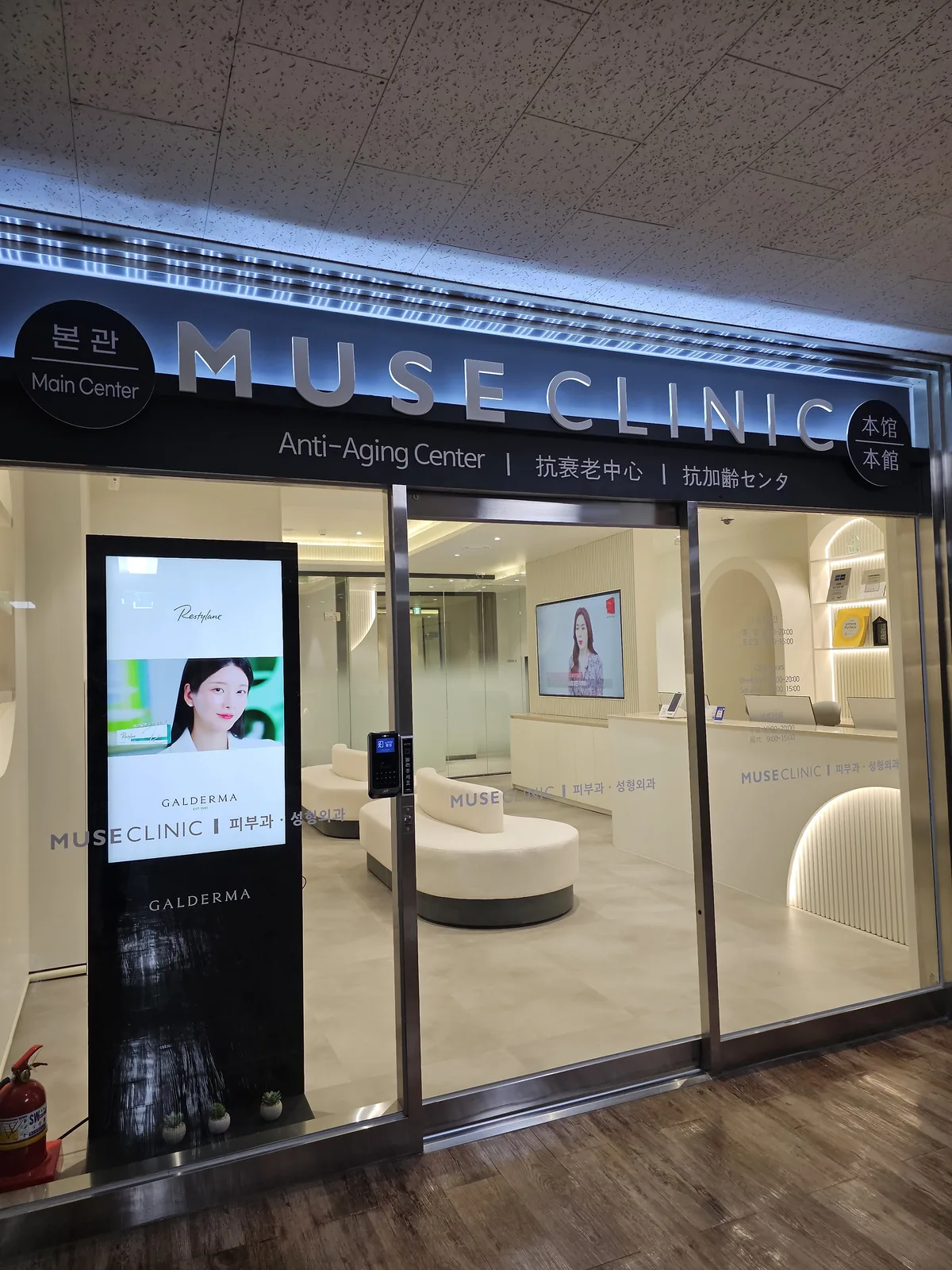
In this article
- 01What to expect after chin filler, day by day
- 02Your Seoul days, from the injection to the flight
- 03Is it lumpy, hard or just swelling in week one?
- 04Bruising, infection or a blocked vessel: which signs are urgent?
- 05Back home: when should you get in touch?
- 06Where I stand on chin filler for a short trip
Booked a short trip to Seoul and wondering what to expect after chin filler once you're on the plane home, and who you'd ask if it feels wrong a week later?
For most people it's two or three days of swelling and tenderness, sometimes a small bruise under the chin, easing over one to two weeks. The filler can feel firm or a little uneven until it settles at around two weeks. Flying a day or two after treatment is generally fine; pain that keeps getting worse, or skin that turns pale, blotchy or dusky, needs a doctor the same day.
Hello, I'm Dr. Sarang Lim, Head Doctor at Muse Clinic Myeongdong.
After you talk with a counselor, I'm the one who consults with you and injects your chin. An English interpreter stays with you from the consultation through the treatment, at no extra charge, so the aftercare instructions reach you in words you can repeat back. And you pay from the same published price list as Korean patients, which makes a short trip easier to plan around one treatment.
A front and side photo of your chin in daylight, with your travel dates, is enough to start a conversation on WhatsApp. If you've already had the filler, send the same two photos and the number of days since treatment.
What to expect after chin filler, day by day
Swelling is usually most visible on days one to three and fades over about one to two weeks. Because the chin sits over bone, it often looks less swollen than it feels. Tenderness when you press the area or chew something hard is common in the first days.
| When | What's common | What helps |
|---|---|---|
| Treatment evening | Tightness, tiny needle marks, a dull ache | A cold pack wrapped in cloth, about 10 minutes at a time; no alcohol |
| Days 1–3 | Peak swelling, tenderness, a possible bruise under the chin | Sleep on your back with your head a little raised; skip saunas and hard workouts |
| Days 4–7 | Swelling fading, any bruise turning yellow, filler feeling firm | Normal routines again, with no pressure on the chin |
| Days 8–14 | Product settling; slight unevenness usually softens | Judge the shape at two weeks, not before |
Bruising has a lot to do with what's already in your bloodstream. Aspirin, ibuprofen, fish oil, vitamin E and ginkgo can all make bruising more likely, so many doctors suggest pausing the non-essential ones for several days beforehand. Anything prescribed for your heart or blood clotting stays unless the doctor who prescribed it says otherwise. A few drinks the night before also adds to bruising, which matters if your first Seoul evening is a celebration.
Your Seoul days, from the injection to the flight
On a short trip, chin filler belongs near the start, not on your last afternoon. Treated on day one or two, you get through the peak of the swelling while you're still in Seoul, a one-minute walk from Myeongdong Station Exit 5 if anything bothers you. On weekdays we see patients until 8 PM, so even an arrival day can work if your flight lands early.
Treatment evening. Cold pack, ten minutes on and off. Eat something soft, skip the soju, and go to bed with an extra pillow so your head sits a little higher than your heart.
Days two and three. This is when the chin looks fullest, often most in the morning. Walking around the city is fine. What to leave out: the jjimjilbang, hot saunas, hard gym sessions and any massage or facial that presses along the jaw. If a clinic facial is also on your list, keep it for the end of a longer stay or another trip, so nothing presses on the chin in the first two weeks.
Watch the small habits too. Resting your chin on your hand at a café table, a mask strap pulled tight under the jaw and sleeping face-down in an unfamiliar hotel bed all put pressure exactly where the filler is settling.
Your last morning. On Saturday and Sunday we're open from 9 AM to 3 PM, which leaves room for a morning visit before an afternoon flight if you want the chin looked at once more. Before heading to the airport, write down the name of the product and the amount injected. A doctor at home who has that note can act much faster if anything comes up.
The flight. Cabin air is dry and airline meals are salty, and many people find the lower face looks puffier after a long flight. That's usually fluid, not filler moving. Ask the cabin crew for some ice in a bag, drink water, and adjust your neck pillow so it doesn't push up into the chin while you sleep.
Is it lumpy, hard or just swelling in week one?
Firmness is the thing people worry about most after chin filler, and in the first week it's rarely a problem. Hyaluronic acid draws in water and the tissue around it is still swollen, so the chin can feel like a firm bead under the skin and look slightly off-centre when you smile. Most of that softens as the swelling goes down, over about two weeks.
Don't massage it unless the doctor who injected you asked you to. Pressing and kneading a fresh chin to check it adds swelling and makes the area sorer, and it's very hard to judge shape with your fingertips anyway.
The useful test is a photo at two weeks, front and side, in daylight, with your chin level, compared with one you took on the morning of treatment in the same light. Week-one mirror checks under hotel lighting tend to mislead.
I'd rather inject what your chin needs on the day than leave room for a top-up later. I don't do filler retouching, and whatever is left in the syringe is discarded, never kept for another visit. That's why the amount is worth talking through at the consultation, with the interpreter beside you, before anything is injected.
Chin filler also has limits worth knowing before you book. It adds projection and length to a short or receding chin; it won't lift skin that has started to sag along the jaw, and for that what a thread lift changes is the closer comparison. If the hollow that bothers you is at the sides of the forehead, that's another area with its own plan, covered in the temple filler recovery guide.
Bruising, infection or a blocked vessel: which signs are urgent?
Swelling, redness, tenderness and bruising are the common, temporary reactions, and they usually clear within one to two weeks. Less often, a small lump stays longer than two weeks, one side settles differently from the other, or the chin swells again weeks later, sometimes around a dental infection or a bad cold. How it settles and how long it lasts differ from person to person; results vary with the product, the amount and your own tissue.
The rare, serious risk is filler entering or pressing on a blood vessel. The U.S. Food and Drug Administration lists this among the risks of dermal fillers because it can damage the skin and, very rarely, affect vision. The signs usually show up within minutes to hours: pain that keeps building instead of easing, skin that goes white and then blotchy or dusky purple, or any change in your vision. That's an emergency, not something to wait out. Infection is slower: redness and heat that spread, pus, or a fever a few days in.
Some people are better off waiting. That includes anyone with a skin infection, an acne flare or a cold sore near the chin, anyone pregnant or breastfeeding, anyone with an allergy to hyaluronic acid or lidocaine or a history of severe allergic reactions, and anyone with dental work planned within about two weeks either side of the treatment. Autoimmune conditions and blood thinners are worth raising at the consultation too.
If any of the urgent signs appear after you're home, go to an emergency department or a local doctor that same day. Hyaluronic acid filler can usually be dissolved, and that works best when it's done early. Show them your note of the product and amount.
Back home: when should you get in touch?
Most of the second week is quiet. The bruise fades, the firmness eases, and the shape starts to look like it will stay. Keep taking photos in the same light on days 1, 3, 7 and 14; a series tells you far more than one worried mirror check at midnight.
Line up one local doctor before you travel, ideally a dermatologist or a GP who sees filler patients, and tell them you're having treatment abroad. Tell your dentist too. A cleaning or filling in the first couple of weeks puts pressure on the chin, and a dental infection later can sometimes set off swelling around filler.
Swelling that is worse after day three instead of better, a lump that is hard, tender and red, or one side that still looks clearly different at two weeks are the reasons to send us a photo. Our channel for foreign patients is WhatsApp; we don't use phone support, so keep the chat from your booking, with your dates and photos already in it. For the urgent signs above, your local emergency department comes first.
People who add lips on the same trip ask how that changes the plan; the lip filler cost guide explains what moves the figure there.
Where I stand on chin filler for a short trip
I put the consultation before the needle, with genuine product in the amount your chin needs, because a chin injected in a hurry between flights is the one that's hardest to look after from home. If your dates leave fewer than a couple of days in Seoul after treatment, there's no harm in waiting for a trip with more room. Chin filler isn't a decision to make in a rush.
Send a front and side photo of your chin in daylight on WhatsApp, with your travel dates or the number of days since treatment, and ask whether your timing leaves enough days in Seoul for the swelling to settle before you fly.
— Sarang Lim, M.D., Head Doctor
Questions people ask
Before you message us
Can I wear a face mask after chin filler?
Yes, a loose one. What to avoid in the first week is a strap or a tight mask edge that sits under the jaw and presses on the chin for hours, as it would on a long flight. Pick a mask with ear loops you can loosen, or one shaped so the lower edge rests below the chin instead of across it.
When can I wear makeup after chin filler?
Most doctors suggest waiting until the next day so the tiny needle marks have closed, then using clean brushes or sponges and a light touch instead of rubbing foundation in. Concealer over a bruise is fine once the skin has closed. Skip exfoliating scrubs, peels and strong acids on the chin for the first week.
When can I go back to the gym?
Easy walking is fine the same day. Many doctors suggest leaving hard workouts, hot yoga and anything that makes your face flush for about 48 hours, because extra blood flow and heat can add to swelling and bruising. Contact sports, or anything that could knock the chin, are worth avoiding for the first two weeks.
How long does chin filler last?
Hyaluronic acid fillers are commonly described as lasting several months to a year or more, depending on the product, the amount injected and how quickly your body breaks it down. The chin moves less than the lips, which is one reason filler there is often said to hold longer. Plan a next session from how your chin looks, not from a fixed date.
What if I still don't like the shape after two weeks?
Wait the full two weeks, then compare daylight photos, front and side, with the ones from the morning of treatment. Small asymmetry often keeps softening into the third week. If something is clearly off, hyaluronic acid can usually be dissolved by a doctor, and your photo series plus the note of the product and amount make that conversation much easier.
Results and maintenance period vary by individual. Every procedure carries the possibility of side effects, which are explained before you agree to treatment. Prices exclude 10% VAT and event prices may change. This article is general information from the clinic and is not a diagnosis; suitability is decided at the consultation.
Written by
Sarang Lim, M.D.
Head Doctor · Muse Clinic Myeongdong
After you talk with a counselor, the head doctor consults and treats you. Below is who that is — education, societies and advisory roles, listed as they are.
- Education & training
- Graduated, Inje University College of Medicine · Residency training, Paik Medical Center (Inje University) · Sungkyunkwan University Graduate School, Master's degree · Indiana University Kelley School of Business
- Advisory & certification
- Cynosure — Certified laser center · Juvéderm — Advisory doctor · QT Fill — Advisory doctor · Olidia — Advisory doctor · Galderma Sculptra — Advisory doctor · Merz — Advisory doctor · Jeisys — Advisory doctor · NOVA Thread — Advisory doctor
- Academic societies (full member)
- Korean Academy of Aesthetic Plastic & Laser Medicine · Korean Society of Aesthetic Surgery · Korean Society of Obesity Research Medicine · Korean Society of Obesity & Aesthetic Medicine · Korean Society of Anti-Aging Medicine