Lifting & Tightening
Ace PDO Thread Lift Korea: Risks and Limits
Ace PDO thread lift Korea on a short trip: what threads can lift, who should wait, bruising and dimpling risks, and how to plan the days before you fly…
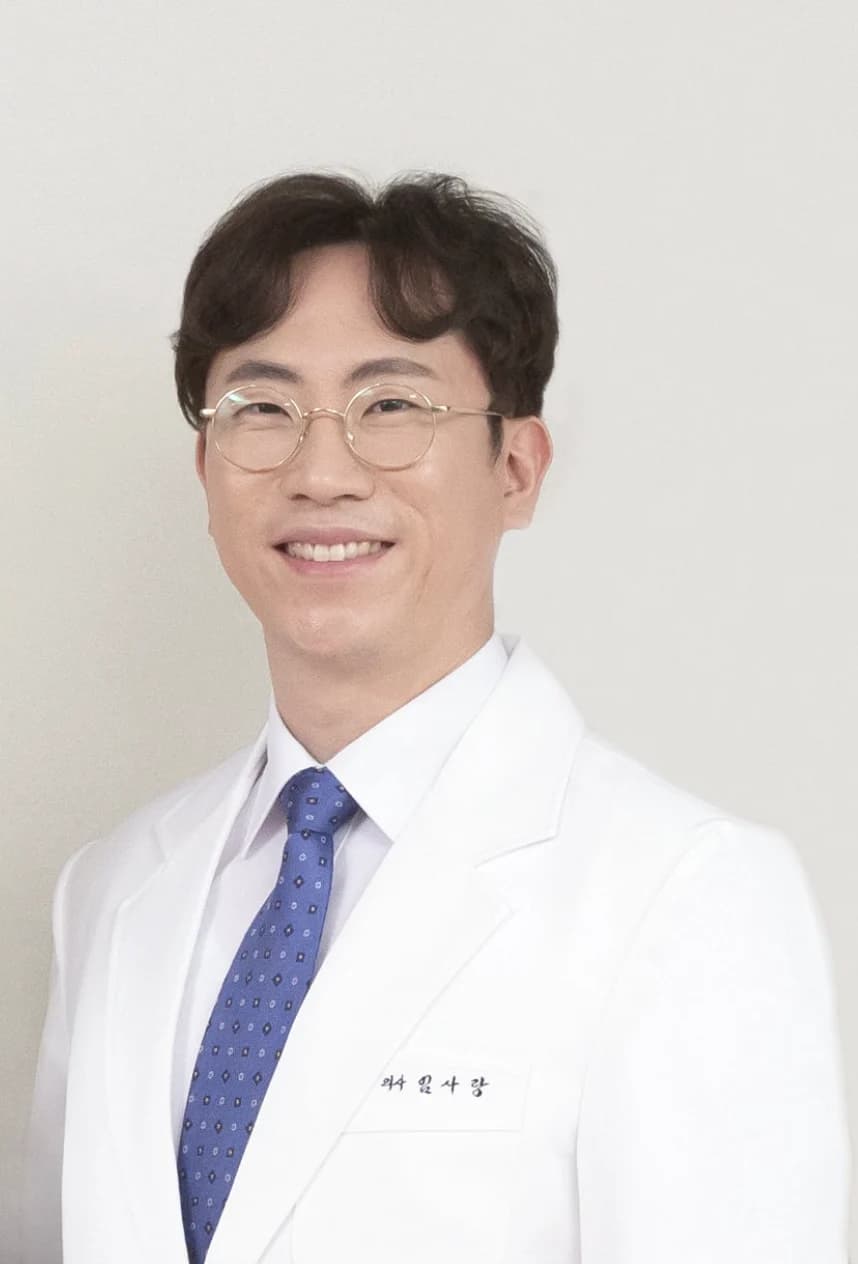 Dr. Sarang LimHead Doctor, Muse Clinic Myeongdong · 10 min readMedically reviewed by Sarang Lim, M.D., Head Doctor · Edited by: Sarang Lim, M.D.
In this article
- 01What does a PDO thread actually do under the skin?
- 02Ace PDO thread lift Korea: who should wait or skip it?
- 03What can go wrong, and how often?
- 04How should you lay out a five-day Seoul trip around it?
- 05Signs after you fly home that mean see a doctor
- 06Why I do the consultation and the threads myself
- 07What should you take home with you?
Ace PDO thread lift Korea, in one line: a PDO thread lift can fit inside a five-day Seoul trip, but it gives a modest lift for mild sagging along the cheeks and jaw, and the first week usually brings some bruising, swelling and a pulling feeling when you chew or smile. If you're squeezing it between budget flights, the needle probably isn't what keeps you up at night. Day four is: you're still in Seoul, a small dimple has appeared near your ear, and your flight leaves tomorrow.
Whatever name an ad gives the thread, the questions underneath stay the same. Is your skin loose enough to benefit, firm enough to hold a thread, and is there room in your trip to notice a problem before you leave? At Muse Clinic Myeongdong, English, Japanese and Chinese interpreters work in the clinic, and someone stays with you from the consultation through the treatment, so aftercare instructions don't get lost between languages.
If your dates are already set, send them on WhatsApp with one front-facing photo taken in daylight, plus the single question that bothers you most: bruising before photos, flying home, or whether threads suit your face at all. A question tied to your own dates and your own face is far easier to answer than "is it safe?"
What does a PDO thread actually do under the skin?
A PDO thread is a fine, absorbable suture placed under the skin with a needle or cannula. Threads with barbs or cones catch the tissue and move it slightly upward. As the thread slowly dissolves, the body reacts around it and lays down some collagen along its track.
PDO stands for polydioxanone, the same material used in some dissolving surgical stitches. In the body it usually breaks down over several months. The lift you see in the mirror right away comes from the barbs holding tissue in a new position. What remains later is quieter: a little firmness from the tissue response around where the thread sat.
The American Society of Plastic Surgeons describes thread lifting as an option for people starting to notice early sagging who want a less invasive step, and it is clear that the results are temporary. That's the limit worth knowing before you build a trip around it. A thread holds tissue. It doesn't remove loose skin.
Here is a rough guide you can try in a mirror right now. Put your fingertips on your cheekbones and lift gently up and back toward your ears. If a light touch shows the change you're hoping for, that's roughly the scale of movement threads aim for. If it takes a firm pull to see any difference, a thread is being asked to carry more than it can.
Which one, how many threads and where they go are questions for the consultation, not something to pick from a list online. If you'd like to see how the face usually settles over the following weeks, I've covered the weeks after a Korean thread lift separately.
Ace PDO thread lift Korea: who should wait or skip it?
Threads suit a fairly narrow group: mild to moderate sagging, enough soft tissue over the cheeks, and a calendar with room for a week of looking a little puffy. If you fall outside that, I'd rather you wait, or put the money and the trip toward something that matches what you actually see in the mirror.
These are the situations where I'd slow down:
- Heavy jowls or a lot of loose skin on the neck. A thread can't hold that much tissue, and the lift tends to drop back quickly.
- Very thin skin with little fat over the cheeks. Threads are more likely to be seen or felt under the surface.
- Active acne, a cold sore or any infection where the entry points would go. Settle the skin first; treating acne in Seoul is its own visit, and threads can wait for a later trip.
- Blood thinners, or supplements that raise bleeding risk such as fish oil, ginkgo or high-dose vitamin E. Never stop a prescribed medicine on your own; ask the doctor who prescribed it.
- Pregnancy or breastfeeding, a tendency to keloid scars, or an autoimmune condition affecting the skin. These need a direct conversation before anything is planned.
- A wedding, interview or photo shoot within two weeks. Bruising and dimples usually settle, but not always on your schedule.
- Lines rather than sag. Forehead and frown lines are a muscle question. wrinkle-relaxing injection by facial area addresses those; threads don't.
If you're in your twenties and the real complaint is a rounder lower face, a thread lift is often the wrong tool. Width from a strong jaw muscle and heaviness from loosening tissue can look alike in selfies, and they respond to different treatments.
One more caution travels well across borders. Japan's National Consumer Affairs Center has warned people to avoid same-day cosmetic treatment and to check the risks before agreeing. On a short trip the temptation is to decide in the chair.
What can go wrong, and how often?
Risks and side effects to know
Most problems after a PDO thread lift are minor and temporary: bruising, swelling, tenderness, a pulling feeling and small dimples where the skin is tethered. Less often, a thread becomes visible, pokes through the skin, shifts position, or the area becomes infected.
The American Society of Plastic Surgeons lists the risks plainly, including bruising, infection, threads that can be seen or felt, dimpling or puckering, asymmetry, and threads that migrate or work their way out. A 2021 meta-analysis in Aesthetic Plastic Surgery, which pooled studies on facial thread lifting, found that complications were mostly minor and temporary, with skin irregularities such as dimpling among the most frequent.
Here's what those words usually feel like in practice. In the first few days, chewing, yawning and wide smiles can tug along the thread lines. Swelling often makes one side look fuller than the other for a while. A dimple usually shows when you move your face and fades as swelling comes down, often within days to a couple of weeks.
The less common problems need a doctor, not patience. A thread end poking out should be trimmed or removed by a doctor; don't pull it yourself, because the barbs grip tissue on the way out. Infection tends to show up as redness that spreads rather than fades, warmth, rising pain, discharge or fever. Results vary from person to person, both in how much lift you see and how long it holds, and whether threads suit your face is decided at the in-person exam.
The complication that worries travelers most is the one that appears after they've flown home, so I'd rather you have threads placed early in your stay than on your last afternoon. If your trip only leaves room on the final day, my advice is to save threads for a longer visit.
Before you book anything, send a side-profile photo with your face relaxed, a list of what you take daily including supplements, and any filler or threads you've already had in the same area. Those three details are the ones most likely to change whether threads make sense for you at all.
How should you lay out a five-day Seoul trip around it?
Put the consultation and treatment near the start, keep the next two days quiet, and leave at least two days before your flight. Weekends work: the clinic is open Saturday and Sunday from 9:00 AM to 3:00 PM, and Monday to Friday from 10:00 AM to 8:00 PM.
The pattern below is a general one for minimally invasive thread work, not a fixed schedule. Your own plan comes from the consultation.
| Days | What's often going on | What to plan |
|---|---|---|
| Day 1–2 | Consultation; treatment once you've decided | Consult, then sleep on it if you're unsure |
| Day 2–3 after | Swelling and bruising often peak; tightness when chewing | Soft food, sleep on your back, low-key sightseeing |
| Day 4–5 after | Swelling usually easing; dimples or thread ends easier to spot | Check your face in daylight and ask questions before you fly |
For the first week or two, many doctors advise avoiding wide mouth opening, facial massage, hard exercise, saunas and jjimjilbang steam rooms, and heavy drinking. In Seoul terms, that means skipping the giant street-food bites, choosing a café over a theme park, and rebooking any dental appointment at home for later.
Your face may feel puffier after a long flight, so drink water and don't judge the result at the arrival gate.
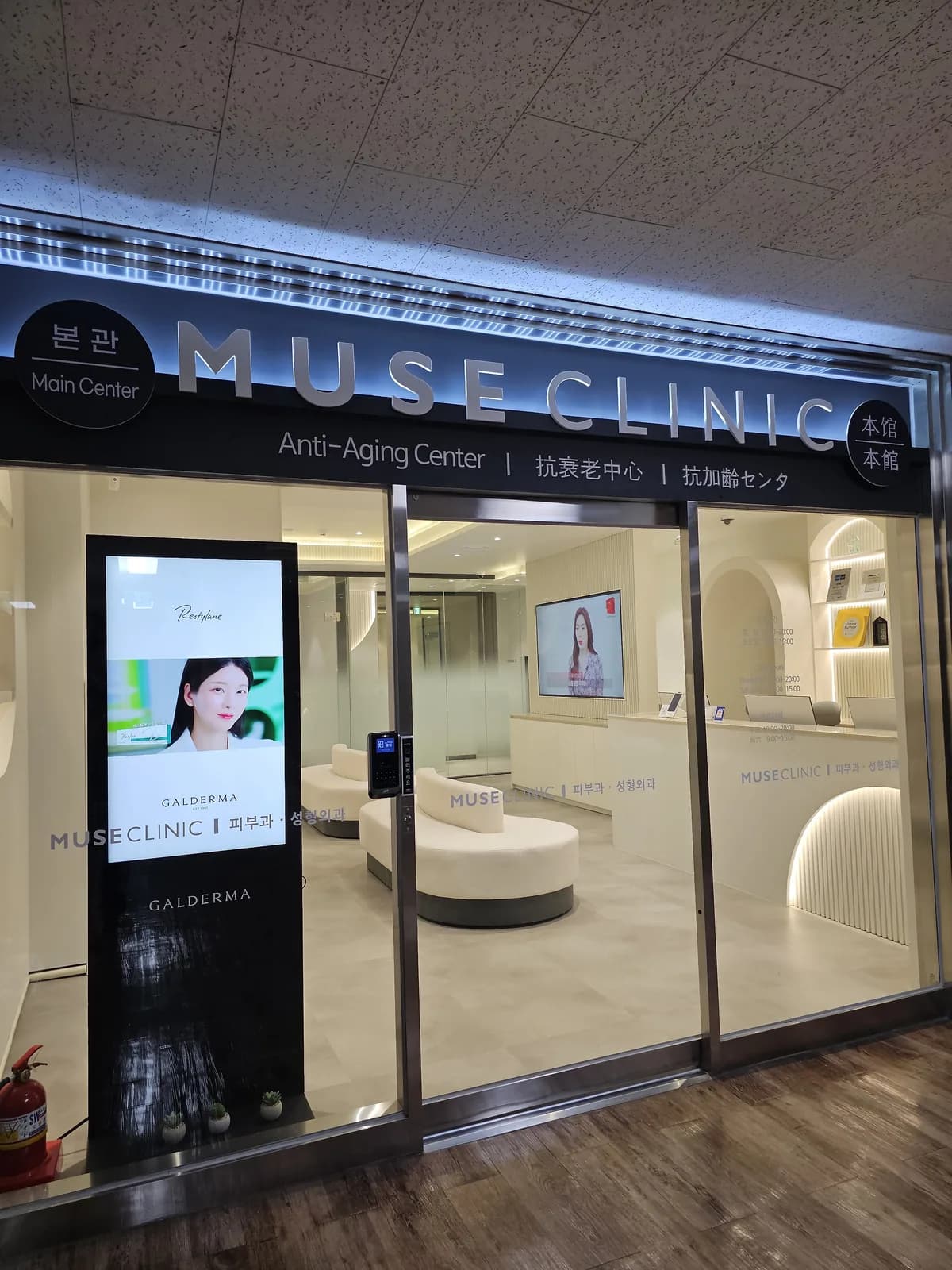
The clinic is on the third floor of the Korea Daeyungak Tower, a one-minute walk from Myeongdong Station Exit 5 on Line 4. A hotel in Myeongdong keeps you a short walk away on the swollen days.
Signs after you fly home that mean see a doctor
Tenderness and some unevenness for a week or two are expected. Don't wait on spreading redness, warmth, discharge, fever, a thread you can see or feel poking through, or pain that is getting worse instead of better.
The U.S. Centers for Disease Control and Prevention suggests that anyone traveling for treatment get copies of their records and arrange follow-up care at home before leaving. For threads, that means asking before you leave Seoul for a note of the thread type, how many were placed and where. A doctor at home who sees you on day ten can act much faster with that information than without it.
It also helps to find a dermatologist or GP at home who is willing to see you if something comes up, and to tell them before the trip rather than after.
Why I do the consultation and the threads myself
The person who plans where a thread goes should be the person who places it.
Here, a structured consultation with an interpreter comes first, and then I plan and perform the treatment one-to-one. Genuine products and transparent, honest treatment are our first rule; for threads, that means you should know exactly what was placed in your face before you walk out.
When you're ready, message us on WhatsApp with the date of your flight home and the day you're thinking of for treatment. The number of days between those two dates is the quickest way to tell whether this trip is the right one.
What should you take home with you?
Which thread option, how many and where are all confirmed at your consultation in Seoul.
Questions people ask
Before you message us
How long does a PDO thread lift usually last?
The threads themselves usually dissolve over several months, and the visible lift fades gradually as they absorb and the face keeps aging. Skin thickness, how much sagging there was at the start, and the number and type of threads all affect how long the change holds. How long it lasts differs from person to person, so treat any single figure you read online as a rough guide only.
Does a thread lift hurt?
Thread lifts are usually done under local anesthetic, so most people describe pressure and tugging while the threads go in rather than sharp pain. Soreness when chewing, yawning or smiling widely is common for several days afterward. If you're anxious about discomfort, say so at the consultation so the plan for numbing can be discussed before anything starts.
Can I combine threads and wrinkle-relaxing injection on the same Seoul trip?
Many people do have more than one treatment on a single trip, but the order and spacing matter because both affect how the face moves while it heals. Threads lift loosening tissue, while wrinkle-relaxing injection relaxes muscles behind lines or a wide jaw. Mention everything you're considering in your first message so the combination can be weighed at the consultation.
Can a thread be taken out if I don't like it?
In the early weeks a doctor can sometimes trim, adjust or remove a thread that shows, pokes through or causes a lasting dimple. Once tissue has formed around it, removal becomes harder. PDO dissolves over several months either way. This is one more reason to have threads placed early in your stay rather than the day before your flight.
Is it fine to go to a jjimjilbang or drink after a thread lift?
Many doctors advise skipping saunas, steam rooms and heavy drinking for the first week or two, because heat and alcohol can increase swelling and bruising. A jjimjilbang visit is better saved for the start of a trip, before treatment, or for your next visit. Ask at the consultation what applies to the threads you actually receive.
Results and maintenance period vary by individual. Every procedure carries the possibility of side effects, which are explained before you agree to treatment. Prices exclude 10% VAT and event prices may change. This article is general information from the clinic and is not a diagnosis; suitability is decided at the consultation.
Written by
Dr. Sarang Lim
Head Doctor · Muse Clinic Myeongdong
- Education & training
- Graduated, Inje University College of Medicine · Residency training, Paik Medical Center (Inje University) · Sungkyunkwan University Graduate School, Master's degree · Indiana University Kelley School of Business
- Advisory & certification
- Cynosure — Certified laser center · Juvéderm — Advisory doctor · QT Fill — Advisory doctor · Olidia — Advisory doctor · Galderma Sculptra — Advisory doctor · Merz — Advisory doctor · Jeisys — Advisory doctor · NOVA Thread — Advisory doctor
- Academic societies (full member)
- Korean Academy of Aesthetic Plastic & Laser Medicine · Korean Society of Aesthetic Surgery · Korean Society of Obesity Research Medicine · Korean Society of Obesity & Aesthetic Medicine · Korean Society of Anti-Aging Medicine