Lifting & Tightening
Hiko Nose Lift Korea: 5 Things to Know
Searching hiko nose lift korea? Here is what the nose thread lift is, who it suits, healing time and risks, and how to ask Muse Clinic Myeongdong in Seoul.
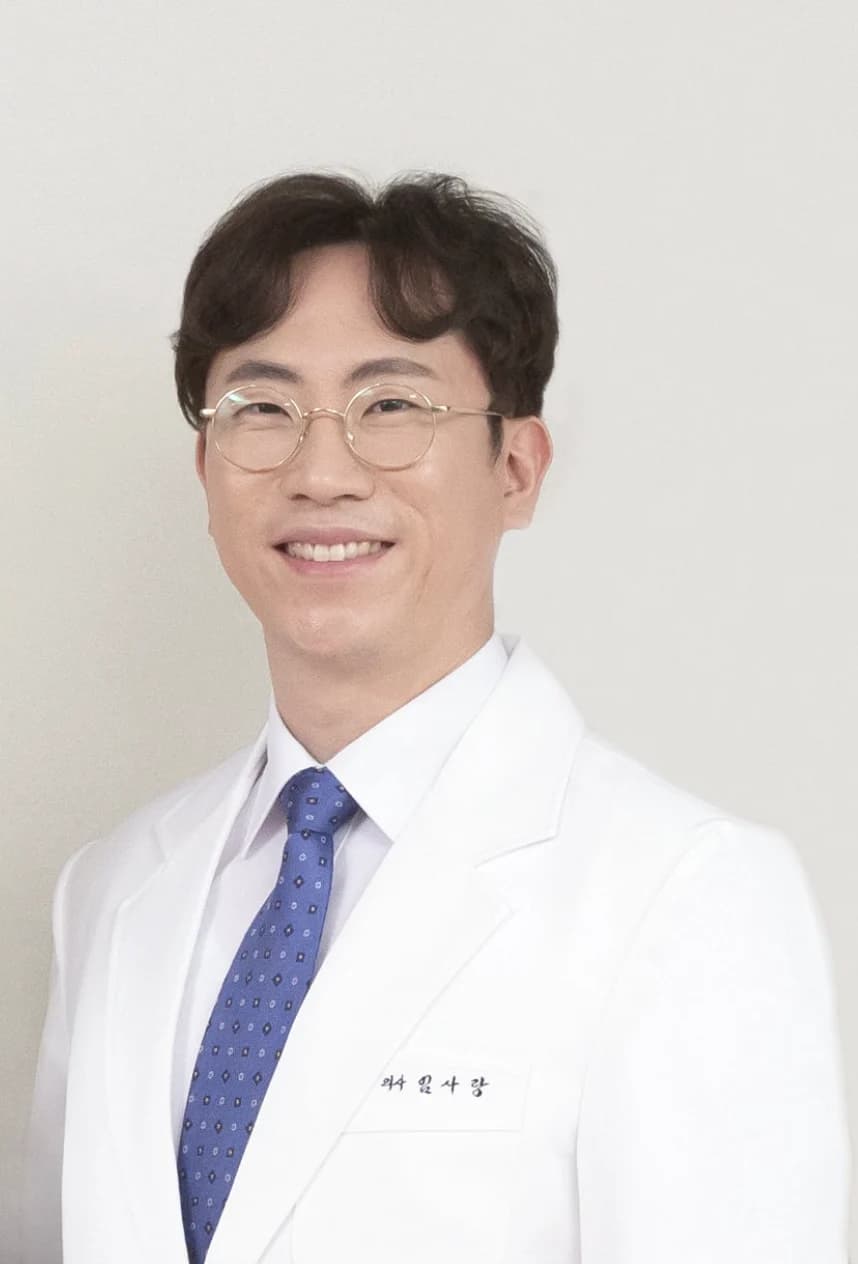 Dr. Sarang LimHead Doctor, Muse Clinic Myeongdong · 9 min readMedically reviewed by Sarang Lim, M.D., Head Doctor · Edited by: Sarang Lim, M.D.

In this article
- 01What is a hiko nose lift, and what does Muse Clinic call it?
- 02How a nose thread lift works
- 03Who a hiko nose lift suits, and who should hold off
- 04Is a hiko nose lift safe? Risks and disadvantages
- 05What is the healing time, and when can I fly home?
- 06What if something looks off after I fly home?
- 07What about a hiko nose lift after 2 years?
- 08Pairing it with other treatments on one trip
- 09Before you book flights
If you searched for hiko nose lift korea, you are looking at a nose thread lift: fine threads placed under the skin of the nose to raise the bridge and define the tip, without cutting. The worry travelers raise most is what happens if the nose looks off a week after the flight home. Muse Clinic Myeongdong has English, Japanese and Chinese interpreters in the clinic, and someone stays with you from consultation through treatment, so you can ask every question below in your own language.
If a nose thread lift is already on your list, send a front photo and a side photo of your nose on WhatsApp, along with the dates you will be in Seoul.
What is a hiko nose lift, and what does Muse Clinic call it?
Muse Clinic's menu lists this treatment as Museko nose thread lifting, described on the site as holding the nose, nose bridge and nose tip to complete a natural nose line.
The menu name matters when you search. If you want a thread product called Hiko by name, ask at the consultation whether it is used, because the name on this clinic's menu is Museko. Clinics label nose threads differently, so a name alone tells you little.
Two things get mixed up online. A thread lift adds structure along a line, while nose filler adds volume in one spot, and the filler page lists aquiline and curved noses among its concerns. They answer different questions, and some people end up asking about both.
How a nose thread lift works
The threads act as a thin internal support that holds the bridge and tip a little higher while the tissue around them settles. In general, nose threads go in through a small entry point and are left under the skin. Many are made of absorbable material, so the thread dissolves over months and the body forms fine tissue around it.
The American Society of Plastic Surgeons describes thread lifts as a minimally invasive option with temporary effects. That is the right frame for expectations.
A thread lift changes height and definition modestly. It does not narrow a wide nose and it does not reshape bone. A realistic goal is a softer, slightly lifted line that still looks like your own nose.
Who a hiko nose lift suits, and who should hold off
People who ask about nose threads usually describe a low or flat bridge, a tip that points down or looks heavy in profile, and a wish for a subtle change. The table shows how those goals generally map to a thread lift.
| What you want | Thread lift | Worth asking about |
|---|---|---|
| A slightly higher bridge | Often considered | Nose filler for added volume |
| A tip that sits a little higher | Often considered | How the tip is supported |
| A narrower nose | Limited effect | Which options exist at all |
Some situations call for waiting or for a different plan. These include an active skin infection or inflammation on the nose, pregnancy or breastfeeding, blood-thinning medication, and earlier filler, threads or implants in the same area that nobody has assessed. Tell the doctor about all of them. A wish for a dramatic change is another reason to pause, because threads do not deliver one.
Is a hiko nose lift safe? Risks and disadvantages
A nose thread lift is a minimally invasive procedure with a known list of possible problems, and its safety rests mostly on a careful assessment before it starts. It is not free of risk, and you should hear that list before you book.
Common and usually temporary effects are swelling, bruising, tenderness, small marks at the entry point and a tight feeling. Less common problems are asymmetry, a thread that can be seen or felt under thin skin, dimpling, a thread that shifts, infection, and a lift that fades sooner than you hoped. The skin over the bridge and tip is thin, which is why visible threads are a recognised concern in the nose.
The American Society of Plastic Surgeons keeps a page on thread lift risks and safety. The point of both is the same: complications are documented, so ask about them.
The disadvantages are plain. The change is subtle, it is temporary, and you may want repeat sessions. If you dislike the shape, absorbable threads usually fade on their own schedule, so the fix can be waiting. Results vary from person to person with skin thickness, nose structure and how each person's tissue responds, and nobody can promise a specific shape.
Thin skin at the bridge and tip means anything placed there can show. Whoever treats you should know about every filler, implant or earlier thread in the area, and you should get a straight answer about which thread material is used. Be wary of any plan that promises an exact shape.
What is the healing time, and when can I fly home?
Swelling and tenderness usually settle over days, and bruising can last longer, so leave a buffer between the treatment and any event, photo shoot or work meeting. The nose is at the center of the face, which makes small changes obvious to you even when others barely notice.
After a nose thread lift, doctors commonly advise against pressing, rubbing or massaging the nose, and against heavy exercise, saunas and alcohol in the first days. Ask whether your glasses are fine to wear, because frames rest on the bridge.
The limit on flying is usually how you look and feel rather than the cabin itself. Ask how many days to keep between treatment and your flight, and plan that number into your hotel booking.
The clinic is open Monday to Friday from 10:00 AM to 8:00 PM and Saturday and Sunday from 9:00 AM to 3:00 PM. It sits a 1-minute walk from Myeongdong Station Exit 5 (Line 4), so a weekday evening or a weekend morning can fit around sightseeing.
What if something looks off after I fly home?
Decide where a problem would be looked at before you book the flight. The U.S. Centers for Disease Control and Prevention advises travelers considering medical tourism to plan follow-up care and to keep copies of their records.
For a nose thread lift, that translates into a short list:
- Ask which thread material was used, how many threads, and which areas of the nose.
- Take photos of your nose from the same angles on the day and again at home, so changes are easy to compare.
- Carry your records in English, so a local doctor knows what was placed.
- See a local doctor promptly for spreading redness, warmth, fever, discharge or pain that keeps growing.
- Do not pull on a thread end that you can see or feel.
Even so, you will feel calmer knowing in advance who you would ask.
If you are planning dates, send your arrival and departure days and one question about aftercare on WhatsApp.
What about a hiko nose lift after 2 years?
After two years, an absorbable thread has usually dissolved, and any remaining shape comes from your own tissue and how it responded. Some people keep a little of the line, and others see it fade back toward where they started.
Aging, weight changes and skin thickness also move the nose over time, which makes it hard to credit or blame the threads for a change years later. If you have had threads before, tell the next doctor where they were placed and how long ago. If the material was not absorbable, say that too, since it calls for a different conversation.
People who like the result often ask about repeating it. That is reasonable, but it should start with a fresh assessment of your nose rather than a repeat of the last plan.
Pairing it with other treatments on one trip
A nose procedure rarely fills a whole trip, and many visitors add a skin or lifting treatment. If you want to see how thread lifting is discussed for the face, read what a Korean thread lift changes. For skin, the guide to getting Korean glass skin and the page on what glass skin treatment changes cover the facial side. Ultrasound lifting is a separate topic, covered in Shurink Universe lifting.
Any treatment that presses on the face, such as a massage-heavy facial, deserves a question about timing relative to the nose. The order and spacing of treatments are something to settle with the doctor, not to improvise in the hotel.
Before you book flights
Five questions are worth having answered before you commit to dates:
- 01What name does the clinic use for the thread, and what is it made of?
- 02How many threads, and in which parts of the nose?
- 03What does follow-up look like while you are still in Seoul?
- 04Which records will you receive to take home?
- 05How many buffer days should you keep after treatment?
The full treatment menu shows everything the clinic offers, and the profile of Sarang Lim lists the education and society memberships of the Head Doctor. Details such as thread type, number of threads and aftercare timing are confirmed at the consultation.
To get started, send two photos of your nose, front and side, plus your Seoul dates and the one thing you worry about most, on WhatsApp. The team replies in English with the consultation hours that fit your trip.
Questions people ask
Before you message us
Does a hiko nose lift hurt?
Sensation differs from person to person. A nose thread lift generally involves some pressure, and tenderness afterwards is common. Ask at the consultation what numbing is used for the nose and what you should expect to feel in the first days. Anyone who promises that it feels like nothing is overselling.
Can I do this on a short trip to Seoul?
Often a short trip is workable, but the buffer days afterwards matter more than the treatment itself. Swelling and bruising mean you should not schedule it right before a flight, an event or a work meeting. Muse Clinic Myeongdong is open on weekends, which helps if you are fitting this around a few days of travel.
Can a nose thread lift be combined with filler?
Doctors sometimes consider threads and filler together, since threads give structure along a line and filler adds volume in a spot. How to space the two, and whether you need both at all, is a decision for the doctor after looking at your nose. Tell them about any filler you already have.
What does the cost of a nose thread lift depend on?
The main factors are the number of threads, the thread material, whether the bridge, the tip or both are treated, whether it is paired with filler or a skin treatment, and the type of numbing. Send a photo on WhatsApp and the team tells you what applies to your case.
Results and maintenance period vary by individual. Every procedure carries the possibility of side effects, which are explained before you agree to treatment. Prices exclude 10% VAT and event prices may change. This article is general information from the clinic and is not a diagnosis; suitability is decided at the consultation.
Written by
Dr. Sarang Lim
Head Doctor · Muse Clinic Myeongdong
- Education & training
- Graduated, Inje University College of Medicine · Residency training, Paik Medical Center (Inje University) · Sungkyunkwan University Graduate School, Master's degree · Indiana University Kelley School of Business
- Advisory & certification
- Cynosure — Certified laser center · Juvéderm — Advisory doctor · QT Fill — Advisory doctor · Olidia — Advisory doctor · Galderma Sculptra — Advisory doctor · Merz — Advisory doctor · Jeisys — Advisory doctor · NOVA Thread — Advisory doctor
- Academic societies (full member)
- Korean Academy of Aesthetic Plastic & Laser Medicine · Korean Society of Aesthetic Surgery · Korean Society of Obesity Research Medicine · Korean Society of Obesity & Aesthetic Medicine · Korean Society of Anti-Aging Medicine