Pigmentation & Moles
Exercise After Mole Removal: When to Sweat or Swim
Exercise after mole removal: light walks soon, sweaty workouts once new skin forms, pools after it heals. Dr. Sarang Lim on what to watch once you fly…
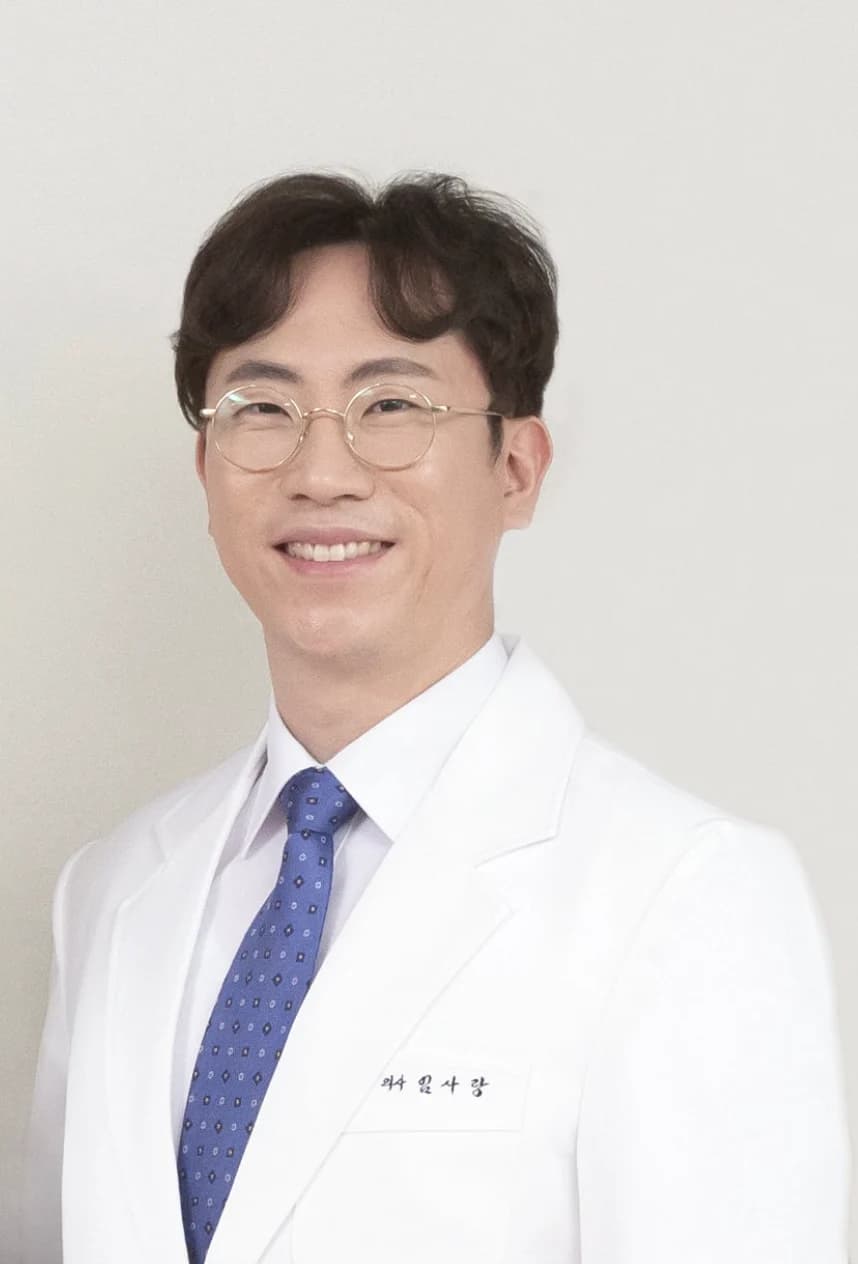 Dr. Sarang LimHead Doctor, Muse Clinic Myeongdong · 10 min readMedically reviewed by Sarang Lim, M.D., Head Doctor · Edited by: Sarang Lim, M.D.
Myeongdong Station, Exit 5 · English interpreters on site
Ask us on WhatsApp
In this article
Does exercise after mole removal mean weeks away from the gym, or can you keep running and lifting through a Seoul trip without ruining the spot that's trying to heal?
For most people it means days, not weeks. After a small laser or shave removal, walking and light training are fine the next day; keep hard sweat and rubbing off the spot until new skin covers it, often around a week, and stay out of pools, saunas and hot tubs until it has fully closed.
Hello, I'm Dr. Sarang Lim, Head Doctor at Muse Clinic Myeongdong.
Mole Remover is on our menu, and after a consultation with an interpreter I plan and perform the treatment myself. English, Japanese and Chinese interpreters are in the clinic at no extra charge, so you can describe your training week in detail rather than in gestures.
We're open Saturday and Sunday from 9:00 AM to 3:00 PM, a minute's walk from Myeongdong Station Exit 5, which makes it easy to put the removal at the start of a trip and keep a few days to watch the spot before you fly.
If the mole sits where a barbell, backpack strap or collar touches, send a daylight photo of it on WhatsApp with your flight date and the sport you'd least like to pause, and ask how many training days you'd be likely to give up.
Sweat isn't the problem; soaking and friction are
A removed mole leaves a small, shallow patch of open skin. For the first day or two it seals itself, then a thin new surface grows in from the edges. Clean sweat running over it during a 40-minute run does little harm on its own.
What slows healing is skin left soaked under a lifted dressing for hours, a gym bag strap sawing across it, or a shared bench pressing into it set after set. Those break the new surface, let bacteria in and keep the area inflamed, and inflammation is what tends to leave a darker or thicker mark later.
Risks and side effects to know
The American Academy of Dermatology's advice on caring for a wound to limit scarring is the routine I'd want you to keep at home too: wash gently with mild soap and water, keep the wound moist with petroleum jelly rather than letting it dry into a hard scab, cover it, and change the bandage every day. Scabbed wounds take longer to heal. A sweaty session fits inside that routine as long as you can wash the spot gently afterward, re-apply and put on a fresh cover.
Stretch is the other half. Skin over the upper back, shoulders and chest is pulled every time you press, row or reach overhead, and on a stitched wound that pull is what tends to widen the scar line. That's why I'd keep heavy pressing and pulling off a stitched area until the stitches are out and the wound is holding.
How soon can you run, lift or swim again?
In short, this is how I'd stage exercise after mole removal for a small laser or shave site. A stitched excision follows the stitches instead: they usually come out after about a week on the face and later on the back or legs, and the doctor removing them tells you when the area can take load again.
| Stage | Training | Water and heat |
|---|---|---|
| Day 0–1 | Walking, gentle stretching that doesn't pull on the spot | Short shower, pat the spot dry, fresh cover |
| From day 2 until new skin covers it (often about a week) | Running, cycling, weights that don't press on the area; covered, washed afterward | No pools, hot tubs, saunas, jjimjilbang or hot yoga |
| Fully closed, pink new skin | Normal training, including contact sports | Swimming and saunas are back; sunscreen on the mark outdoors |
Running and cycling. These are usually the easiest to keep. The things to watch are sock, waistband or chamois seams rubbing the spot, and salt drying on it after a long session. Rinse it gently when you get back.
Weights. Contact matters more than effort. A mole on the upper back under a back-squat bar, or a spot pressed flat against a bench, needs a week of different exercises: front squats, machine work, standing presses. Grip, legs and anything that doesn't touch the area can carry on.
Yoga, pilates and mat work. Shared mats and lying on the spot are the issues. Keep it covered, use your own mat, and skip hot yoga until the skin has closed.
Swimming, hot tubs and saunas. Wait until the surface is fully closed with no raw or crusted area. Long soaks soften the healing edge, and shared water is a source of bacteria.
Martial arts and contact sports. Grappling rubs and a knock can tear the thin new skin. Most people do better giving these the full first week, or longer for a stitched wound.
Where the mole sits changes the plan
On the face, the usual culprits are cycling and ski helmets, swim goggles and the edge of a face mask. Along the bra line or waistband, the spot is rubbed and soaked with sweat for the whole session. On the feet, it's the shoe. On the upper back and shoulders, it's bars, backpacks and the stretch of the skin itself.
Say you lift five days a week and the mole is a raised one on your upper back, right where the bar sits in a back squat. You were told at home it would need cutting out with stitches and a few weeks of light training.
If it ends up stitched, plan the trip around the stitches and swap back squats for front squats or machines until they're out. If a shallow removal fits, you'd mostly be keeping the bar off it for about a week.
The question I want answered before anything else is where your body meets your equipment. A mole that never touches a strap or a bench can usually go through a normal training week under a patch. One that takes a barbell every morning needs a different plan, and I'd rather we talk about your squats at the consultation than have you find out on day three.
Which changes after you fly home mean you should get it checked?
Most of what you'll see in the first two weeks is ordinary healing, and the hard part is telling that apart from a problem when you're back home and the clinic is a flight away.
What's normal in the first weeks
Tenderness for a day or two, a small pink or red patch, a thin crust if the spot dried out, and some itching as it heals. The new skin often stays pink or a little shiny for weeks before it fades toward your own skin tone.
Signs to see a doctor at home the same day
Redness spreading outward from the spot, warmth, swelling, yellow discharge or pus, pain that gets worse after the second or third day, fever, or bleeding that doesn't stop after ten minutes of firm pressure. These point to infection or a wound problem. A local GP, urgent care clinic or dermatologist can treat them, and they shouldn't wait.
Darkening and colour coming back
A healed spot can darken as a reaction to inflammation, which DermNet describes as postinflammatory hyperpigmentation; it's more common in darker and Asian skin, and sun exposure makes it worse. Once the skin has closed, the AAD's advice is broad-spectrum sunscreen of SPF 30 or higher, reapplied often, which matters most if you run or hike outdoors. Some moles with deeper pigment cells show colour again over the following months. If the returning colour looks uneven, grows or changes, have it examined before anyone removes it again.
Who should get checked first or wait
- A mole that has changed, bled, itched or looks unlike your others. The AAD's ABCDE warning signs of melanoma are worth reading first. A mole that needs examining is generally shaved or cut so the tissue can go to a pathologist, as MD Anderson describes; a laser leaves nothing for a lab to look at.
- Anyone who forms keloids or thick raised scars, especially on the chest and shoulders.
- Skin around the spot that is sunburned, infected or has an active rash.
- Blood-thinning medicines, recent isotretinoin, or pregnancy: mention them at the consultation, since they can change the timing or the method.
Healing speed and how the mark settles differ between people. Results vary with skin type, the depth of the mole and where it sits, and the method that suits your mole is confirmed at the consultation.
Photograph the spot every few days in the same daylight from the first day. If something looks wrong once you're home, the doctor you see there can compare it with how it started, and so can you.
Before you book, think about who you'd see at home if the spot looked infected. Send that, with your return date, on WhatsApp, and ask what you should watch for in the first two weeks after you land.
Fitting the removal into a Seoul week
Put the removal early. A removal on your last afternoon means the first week of healing happens on a plane and at a desk back home.
Save the jjimjilbang for the end of the trip, or for the next one. Hot rooms and shared baths are exactly what an open spot should miss. A day hiking in the sun is fine once the skin has closed, with sunscreen or clothing over the mark.
For the flight, keep a fresh cover on and pack spare patches and a small tube of petroleum jelly in your carry-on. Cabin air is dry, and a long flight is a long time to leave the dressing unchanged.
If you're also booking laser hair removal sessions in Korea on the same trip, I'd leave the healing patch out of the treated area. The same goes for a clinic facial and what it does to the skin: keep it away from an open spot on the face.
How the mark itself tends to look over the months after removal is covered in our post on mole removal scars and healing.
Foreign patients pay the same prices as Korean patients, and the price list is published on the Mole Remover treatment page. What your visit costs depends on how many moles you have removed, how large and raised they are, and the method that fits each one.
What should you tell me at the consultation?
How long you've had the mole and whether it has changed. Whether that spot has been treated before. Any medicines you take, and whether you scar thickly. Then the part most people leave out: your training week, which lifts or sports touch the spot, and the date you fly home.
At the consultation I'll want to see how raised the mole is and exactly where your bar, strap or collar presses on it, because that decides how many training days you trade for it.
A first message can be as simple as one daylight photo of the mole and your travel dates on WhatsApp, and you can ask anything before booking. Deposit and payment are decided after the consultation, so if they're on your mind, ask about them in that same message.
Questions people ask
Before you message us
Can I wear a hydrocolloid patch while I train?
Usually yes, and it's a practical option for sweaty sessions. A hydrocolloid patch keeps the wound moist and takes the friction from straps and benches. Change it when the edges lift or it fills with fluid, and wash the spot gently when you change it. Don't keep a patch over a spot that looks infected; see a doctor instead.
Is it all right to fly the day after mole removal?
For a small laser or shave removal, flying itself doesn't usually affect healing. Keep a fresh cover on, carry spare patches and a small tube of petroleum jelly, and change the dressing if it gets damp. If you have stitches, know before you leave where you'll have them removed at home and on which day.
Will sweating make the mark darker?
Sweat on its own isn't what darkens a healed spot. Inflammation does, from friction, infection or picking at a crust, and sun on the new skin makes it worse. Washing after training, keeping the spot covered and using SPF 30 or higher once it has closed address the real causes.
When can I go to a jjimjilbang or sauna?
Wait until the surface has fully closed, with no raw, weeping or crusted area left. For many small removals that takes longer than the first week. For a stitched wound, wait until the stitches are out and the line is closed. Heat, long soaks and shared water are the problem, not the sauna as such.
What if the mole seems to come back after I'm home?
Some pigment can return over months when a mole has deeper cells. If the colour comes back even and flat, it can be discussed for a later visit. If it looks uneven, grows, bleeds or changes, see a dermatologist at home before anyone removes it again. Whether a repeat session suits you is confirmed at the consultation.
Results and maintenance period vary by individual. Every procedure carries the possibility of side effects, which are explained before you agree to treatment. Prices exclude 10% VAT and event prices may change. This article is general information from the clinic and is not a diagnosis; suitability is decided at the consultation.
Written by
Dr. Sarang Lim
Head Doctor · Muse Clinic Myeongdong
- Education & training
- Graduated, Inje University College of Medicine · Residency training, Paik Medical Center (Inje University) · Sungkyunkwan University Graduate School, Master's degree · Indiana University Kelley School of Business
- Advisory & certification
- Cynosure — Certified laser center · Juvéderm — Advisory doctor · QT Fill — Advisory doctor · Olidia — Advisory doctor · Galderma Sculptra — Advisory doctor · Merz — Advisory doctor · Jeisys — Advisory doctor · NOVA Thread — Advisory doctor
- Academic societies (full member)
- Korean Academy of Aesthetic Plastic & Laser Medicine · Korean Society of Aesthetic Surgery · Korean Society of Obesity Research Medicine · Korean Society of Obesity & Aesthetic Medicine · Korean Society of Anti-Aging Medicine