Pigmentation & Moles
Freckles vs Melasma: Toning, Pico or Peel?
Freckles vs melasma: freckles often fade quickly with spot laser but return with sun; melasma needs gentle toning over sessions. Who suits which, from…
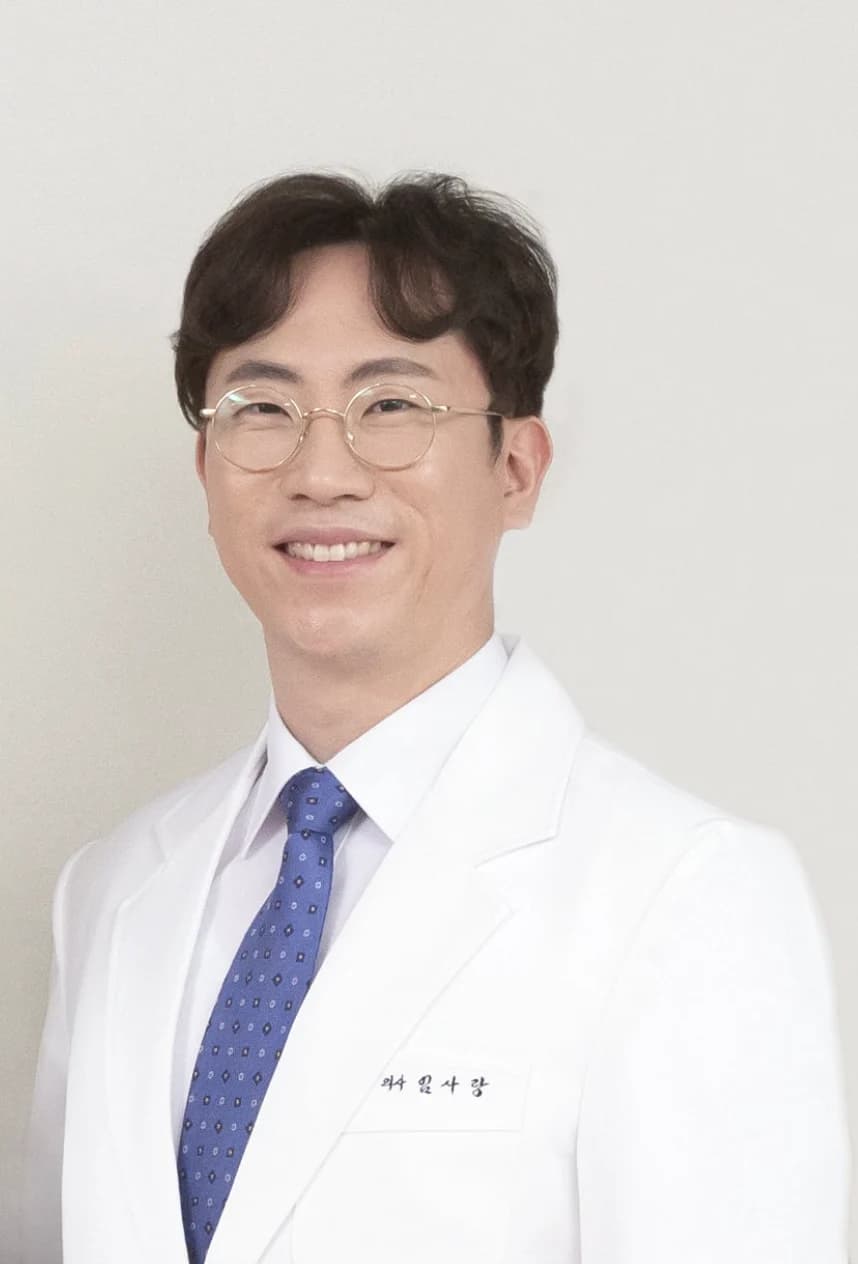 Dr. Sarang LimHead Doctor, Muse Clinic Myeongdong · 10 min readMedically reviewed by Sarang Lim, M.D., Head Doctor · Edited by: Sarang Lim, M.D.
Myeongdong Station, Exit 5 · English interpreters on site
Ask us on WhatsApp
In this article
When it comes to freckles vs melasma, is the brown on your face the small, scattered kind that came with summers outdoors, or broad patches on your cheeks or upper lip that settled in during adulthood and don't fade in winter?
Freckles are separate dots that darken with sun and lighten when it's gone, and they usually fade quickly with a targeted pigment laser, though new ones return with sun. Melasma is patchy, matching pigment driven by sun, heat and hormones, and a strong laser can make it darker, so it's treated with low-energy toning over several sessions and strict sun protection. Plenty of faces have both, and each needs its own approach.
Hello, I'm Sarang Lim, M.D., Head Doctor at Muse Clinic Myeongdong.
Which is which on your face gets settled in a structured consultation before any laser is chosen, with an English interpreter at no extra charge who stays with you through the treatment, and then I plan and perform it one-to-one. Laser Toning, Pico Laser Toning and several peels are on our menu, every option is priced on our website, and foreign visitors pay the same prices as Korean patients.
If you can't tell what you have, send one photo of your face on WhatsApp, taken in daylight by a window without makeup, and mention whether the brown changes between summer and winter. That one detail separates the two more often than the photo does.
How freckles and melasma differ, side by side
The freckles vs melasma question usually comes down to two rows of this table: how the brown changes with the seasons, and its shape.
| Freckles | Melasma | |
|---|---|---|
| Size and shape | Pinpoint to a few millimetres, separate dots | Patches, often centimetres wide, with joined edges |
| Where | Nose, cheeks, shoulders, arms | Cheeks, forehead, upper lip, jawline, usually on both sides |
| When it starts | Childhood, mostly in fair skin | Usually adulthood |
| Triggers | Ultraviolet light | Ultraviolet and visible light, heat, hormones |
| Through the year | Darker in summer, lighter in winter | Darker in summer, slow to lighten in winter |
| How deep | Top layer of skin | Top layer, deeper dermis, or both |
| Response to laser | Usually quick | Slow; strong energy can darken it |
| Comes back | With sun, yes | Often, even after clearing |
Freckles follow the seasons closely and sit as separate dots. Melasma forms joined patches, often in a matching shape on both sides of the face, and stays put through winter. People also mix freckles up with sun spots, the flat brown marks that appear in adulthood and don't fade in winter; those behave more like freckles under a laser, though they come from years of sun rather than genes.
Why does a stronger laser help freckles but worsen melasma?
A freckle is a small cluster of pigment in the top layer of skin. A short, targeted laser pulse breaks that pigment up, the treated dot darkens and flakes away over about a week, and the colour usually goes with it. More energy on a freckle generally means a faster result, within what your skin tolerates.
Melasma works differently. The pigment cells themselves are overactive, and sun, visible light, heat and hormones, such as those of pregnancy or the contraceptive pill, keep switching them on. The pigment often sits deeper as well, in the dermis, where it's harder to reach.
Heat and inflammation are part of what drives melasma, so a strong pulse can feed the very thing being treated. Patches come back darker, or post-inflammatory darkening lands on top. Repeated high-energy sessions can also leave mottled white spots that are slow to recover.
The American Academy of Dermatology notes that melasma can return after treatment and that some procedures can worsen it, and its guidance starts with daily sun protection and creams before lasers. That's why melasma plans use low energy across the whole area, spread over a course of sessions, with sunscreen every day and often a prescription cream from your own doctor, such as hydroquinone or tranexamic acid.
What people mean by Korean melasma treatment
Mostly, it means low-energy laser toning repeated over a course, sometimes alongside mild peels, with sun protection treated as part of the plan. It's common in Korea because it suits skin that darkens easily after irritation. It's a method rather than a secret formula, and it still asks for patience.
One session won't settle melasma
A freckle can look clearly lighter after one visit. Melasma usually needs a course and then maintenance, because whatever switched it on is still there. A single strong session to clear it before a flight is the plan most likely to leave it darker.
When freckles and melasma share a face, the order matters to me more than the device. I'd rather lighten the patches slowly and leave a few freckles for a later visit than chase every dot with strong energy and wake the melasma underneath. Freckles that come back are a nuisance; melasma that darkens after laser can take months to settle.
Toning, pico or a peel: which suits your skin?
In short, these are the pigment options on our menu, and who each one fits.
Risks and side effects to know
- Laser Toning. Our menu lists it for pigmentation, freckles, blemishes and scars. Toning generally means passing a pigment laser at low energy over the whole area, session after session. It fits melasma-leaning skin, mixed pigment, and people who can return for a course. It fits poorly if you expect one visit to finish the job.
- Pico Laser Toning. Picosecond lasers deliver pulses far shorter than older pigment lasers, breaking pigment up with less heat in the surrounding skin. That makes pico a sensible option for stubborn freckles and sun spots on skin that also has some melasma. For melasma itself, studies comparing pico with older toning are mixed, so I'd still keep the energy low.
- Pico Focus. This sits on our acne and pore menu. Focus-type settings spread the energy in a pattern aimed mainly at texture, so it isn't where I'd start for melasma; it can make sense for someone with freckles plus old acne marks.
- Peels. Milk Peel is on our menu as a hypoallergenic peel after which you can go straight back to your day. Mild peels help with dullness and a little with freckles, and can support a melasma plan between toning sessions. Strong, irritating peels can set melasma off, so the mild end of the range is the one that belongs near it.
If you're looking at the wider laser menu for other reasons, I've laid out each Korean laser skin treatment and what it's for separately. For overall dullness rather than defined brown marks, skin brightening with lasers and peels is a different plan.
Say you're 34, with freckles across your nose since childhood and a patch on your upper lip and cheekbones that appeared after your second baby, and you have five days in Seoul. I'd keep spot treatment to the freckles on the nose, well clear of the patches, start low-energy toning on the melasma, and talk through the sun routine you'll keep at home. If you're still breastfeeding, I'd suggest waiting on the laser altogether. Either way, the patch won't be finished in five days, and it's better to know that before you book.
Toning sessions are usually spaced a week or more apart, so a short trip often fits one. A session can fall on a weekend morning: we're open Saturday and Sunday from 9:00 AM to 3:00 PM, a one-minute walk from Myeongdong Station Exit 5.
If you think you have both, send two photos on WhatsApp under the same window light, one straight on and one from the side, and say how many days you'll be in Seoul and whether a second visit is realistic.
Who should wait before treating pigment?
After toning, redness and a warm feeling usually settle within hours, and skin can feel dry for a few days. After spot treatment of freckles, the dots turn darker and flake off in about a week.
Less common are post-inflammatory darkening a few weeks later, which DermNet notes is more frequent in darker skin and can take months to fade; melasma rebounding darker after too much energy; and patchy lighter spots after many aggressive sessions. Results vary between people, and so does how long they last, which is why the plan for your skin is confirmed at the consultation.
These are reasons to wait or change the plan:
- Pregnancy or breastfeeding.
- Isotretinoin within roughly the past six months.
- Sunburn or a fresh tan.
- An eczema or rosacea flare, or broken skin in the area.
- A medicine that makes skin sun-sensitive, started recently; your pharmacist can tell you.
- A brown spot that is changing, bleeding or has an uneven edge. That isn't a freckle or melasma question; it needs a dermatologist, using the ABCDE signs as a guide.
If a patch darkens two to four weeks after toning once you're home, the usual first steps are strict sunscreen, a hat, a pause on retinoids and acids, and a visit to a dermatologist where you live; a photo on WhatsApp alongside that is fine if you want to ask what happened. Layering many strong actives on freshly lasered skin is a frequent cause of irritation, the same problem behind many Korean glass skin treatment side effects.
If you've had a pigment laser before and your patches got darker afterwards, the name of that treatment and roughly when you had it are worth adding to your WhatsApp message.
Keeping melasma quiet after you fly home
Most of the work on melasma happens between sessions. Dermatologists commonly suggest a tinted mineral sunscreen with iron oxides, because visible light also stirs melasma and plain sunscreen blocks little of it. Reapply at midday, not only in the morning.
Heat counts too. The jjimjilbang, hot yoga and long saunas are worth skipping on the trip and for a while after, and a hot kitchen or summer commute can matter as well. If you take the contraceptive pill and the patches started with it, that's a conversation for your GP. No skin result holds without upkeep, a point that applies just as much to glass-skin treatments and their upkeep.
Send a daylight photo on WhatsApp with your Seoul dates, and ask the question that decides everything else: freckles, melasma, or both. An interpreter for your language is with you at no extra charge from consultation through treatment, and on the day I'll look at where the pigment sits, how it shifts with the seasons and how your skin has reacted to heat and past treatments, then recommend the course that fits your skin and your trip.
Questions people ask
Before you message us
Can freckles turn into melasma?
No. They come from different processes: freckles are an inherited response to sun in the top layer of skin, while melasma involves overactive pigment cells switched on by sun, heat and hormones. They often appear on the same face, though, and sun makes both darker. Brown that first shows up in adulthood and stays through winter is more often sun spots or melasma than new freckles.
Can I treat melasma while pregnant or breastfeeding?
Laser and most prescription lightening creams are usually put off until after pregnancy and breastfeeding. Melasma that starts in pregnancy often lightens by itself in the months after the birth, and daily tinted sunscreen and a hat in the meantime keep it from deepening. If it's still there once you've finished breastfeeding, that's the point to plan toning.
How many toning sessions does melasma usually need?
There's no set number. Melasma is usually treated as a course, with sessions spaced a week or more apart, followed by occasional maintenance, because sun, heat and hormones keep switching it back on. On a short trip you may only fit the first session, so plan sun protection and any cream from your own doctor to carry it forward at home.
Will my freckles come back after laser?
Treated freckles usually stay lighter for a while, but new ones appear wherever sun reaches the skin again, especially if you freckle easily. Daily broad-spectrum sunscreen of SPF 30 or more, reapplied outdoors, and a hat in summer slow that down. Many people with freckle-prone skin plan a light touch-up before summer instead of expecting one treatment to hold for years.
Can I go sightseeing the day after laser toning?
Yes. Toning usually leaves only short-lived redness, so most people walk around Seoul the same day or the next. Wear sunscreen and a brimmed hat, reapply at midday, and skip hot baths, saunas and intense exercise for a few days, because heat is one of the things that sets melasma off. After freckle spot treatment, expect small dark specks that flake off within about a week.
Results and maintenance period vary by individual. Every procedure carries the possibility of side effects, which are explained before you agree to treatment. Prices exclude 10% VAT and event prices may change. This article is general information from the clinic and is not a diagnosis; suitability is decided at the consultation.
Written by
Dr. Sarang Lim
Head Doctor · Muse Clinic Myeongdong
- Education & training
- Graduated, Inje University College of Medicine · Residency training, Paik Medical Center (Inje University) · Sungkyunkwan University Graduate School, Master's degree · Indiana University Kelley School of Business
- Advisory & certification
- Cynosure — Certified laser center · Juvéderm — Advisory doctor · QT Fill — Advisory doctor · Olidia — Advisory doctor · Galderma Sculptra — Advisory doctor · Merz — Advisory doctor · Jeisys — Advisory doctor · NOVA Thread — Advisory doctor
- Academic societies (full member)
- Korean Academy of Aesthetic Plastic & Laser Medicine · Korean Society of Aesthetic Surgery · Korean Society of Obesity Research Medicine · Korean Society of Obesity & Aesthetic Medicine · Korean Society of Anti-Aging Medicine