Pigmentation & Moles
What Is Pico Laser Good For? Pigment, Not Sagging
What is pico laser good for? Freckles, sun spots, tattoo ink and some acne scars, but it won't lift sagging skin. Dr. Sarang Lim explains, Myeongdong…
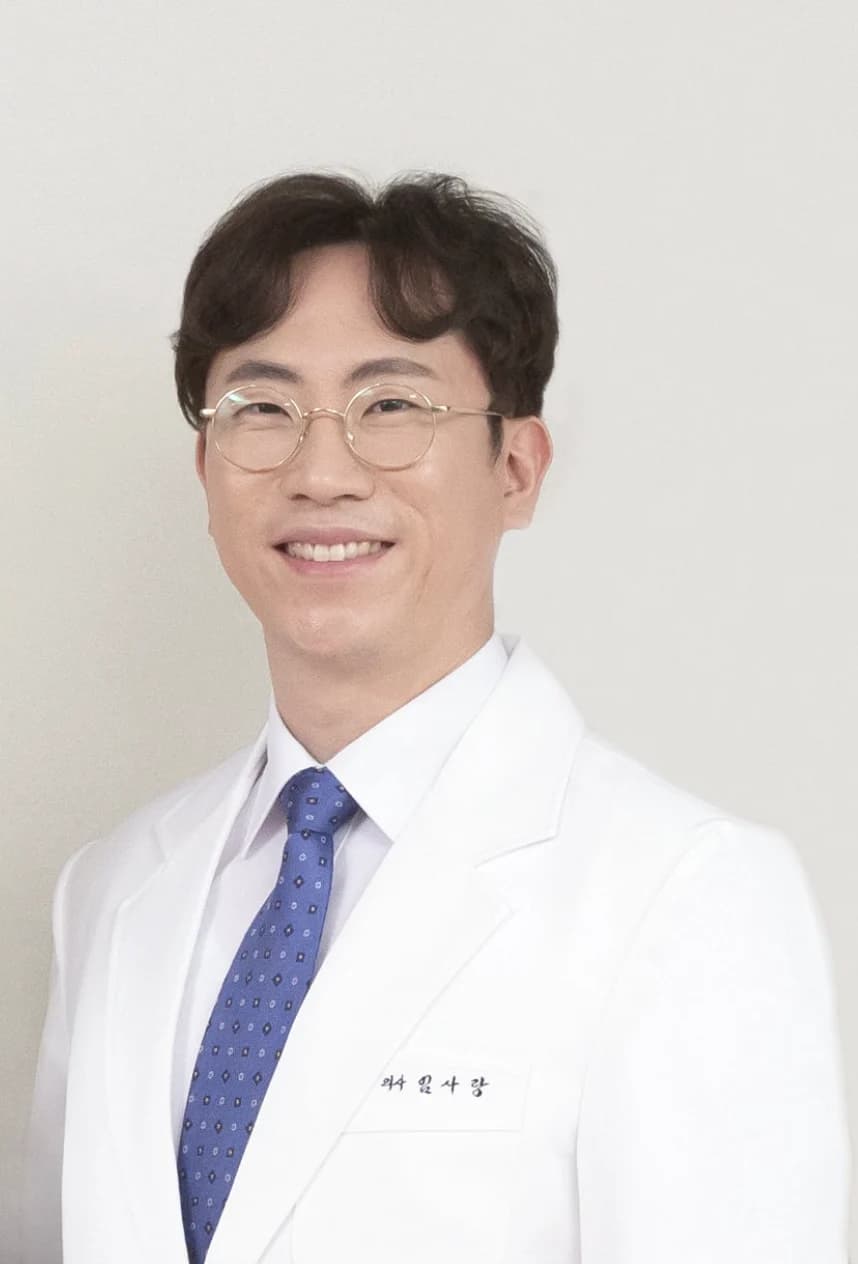 Sarang Lim, M.D.Head Doctor, Muse Clinic Myeongdong · 10 min readMedically reviewed by Sarang Lim, M.D., Head Doctor · Edited by: Sarang Lim, M.D.
Myeongdong Station, Exit 5 · English interpreters on site
Ask us on WhatsApp
In this article
What is pico laser good for, once you get past clinic menus that list it next to melasma, pores, glow and, in one forum thread, a tighter jawline?
Mostly pigment. A pico laser breaks up the brown in freckles, flat sun spots and tattoo ink, lightens melasma slowly when it's used at low energy over a series, and through a fractional tip can soften shallow acne scars. It does not lift sagging skin or fill deep lines.
Hello, I'm Sarang Lim, M.D., Head Doctor at Muse Clinic Myeongdong.
After you talk with a counselor here, I consult and treat you myself, so the person judging whether your mark is a sun spot or melasma is the same person holding the handpiece. An English interpreter stays with you from the consultation through the treatment at no extra charge, and you pay the same published prices as Korean patients.
Not sure which kind of brown mark you have? A daylight photo of it without makeup, taken near a window, shows far more than any description can.
What is pico laser good for, and where does it stop?
A picosecond laser fires pulses that last trillionths of a second. That's short enough for pigment particles to break apart from a pressure wave rather than from heat, and your immune cells clear the smaller fragments over the following weeks. Older nanosecond lasers do a similar job with longer pulses, so more heat spreads into the skin around the target. That shorter pulse is the whole reason pico exists, and it's also why its strengths cluster around pigment and ink.
There's a second way to use the same laser. A fractional tip splits the beam into many tiny points, each making a microscopic zone of injury in the upper skin while the skin between them stays intact. That's the version used for texture and shallow scars, and it works through gradual repair over several sessions rather than through pigment clearance.
I'm a full member of the Korean Academy of Aesthetic Plastic & Laser Medicine, and this is how I'd sort the concerns people bring under the word pico.
| Concern | Fit | Why |
|---|---|---|
| Freckles | Good | Pigment sits high in the skin and is easy to target |
| Flat sun spots | Good | Often lighten after one to three spot sessions |
| Tattoo ink | Good, slow | Needs a series spaced weeks apart |
| Melasma | Partial | Low-energy toning lightens it gradually; it tends to return |
| Brown marks after acne | Partial | Toning can speed fading; sun protection does much of the work |
| Shallow acne scars, rough texture | Partial | Needs the fractional tip and several sessions |
| Sagging, jowls | Not a fit | Laxity sits deeper than pico works |
| Redness, broken capillaries | Not a fit | These need lasers that target blood, not pigment |
| A mole that has changed | Exam first | Needs a skin check, not a laser |
On our menu, pico shows up twice: Pico Laser Toning sits under melasma, pigment and whitening, and Pico Focus sits under acne and pores. If you want to see how pico sessions are usually spaced and what results to expect, the post on pico laser in Korea, session by session covers that, and every menu price is published on our treatments and prices page.
Does one session clear melasma?
Usually not, and this is the belief that disappoints people most. Melasma isn't a stain sitting on top of the skin. It comes from pigment cells that are overactive, pushed by sunlight, heat, hormones and irritation, and a laser can calm the color without switching off the cause. The American Academy of Dermatology notes that laser and light treatments can help some people with melasma but can also make it worse, which is why they're rarely the first or only step.
Toning for melasma means low energy, spread across many sessions a few weeks apart. The color lightens gradually, and it tends to drift back after a summer without strict sun protection. Pushing the energy up to get there faster is where white, blotchy patches and rebound darkening come from.
Say you're 36, living in Dubai, with freckles across your nose and a symmetrical brown patch on both cheekbones that darkens every summer. Those are two different problems on one face. The freckles are the kind of pigment pico handles well, and spot treatment could make a visible difference within a single trip.
To be honest, the cheek patch is the part I'd be most careful with. It looks like melasma, and hitting it the way you'd hit a freckle risks leaving it darker than before. For that patch I'd want to talk through a toning series, a daily sunscreen habit and whether repeat sessions fit your travel at all, before touching it.
Pico laser and sagging skin: why it won't lift
Pico works in the upper layers, where pigment lives. The fractional tip does prompt some new collagen in the upper dermis, which is why texture and very fine lines can soften a little over a series. Sagging is a different problem: it comes from the deeper skin, the fat pads and the supporting tissue loosening with age, and no pigment laser reaches that far.
So if a jawline or cheek that has dropped is what bothers you, pico is the wrong tool, whatever a social media clip suggests. Lifting is a separate category on our menu, and the overview of Korean laser treatments and what each one is booked for sorts the devices by the job they do.
The same goes for glow. Pico toning can even out tone, but a dewy, hydrated look comes mostly from skin boosters and facials, which is a separate conversation. The posts on the Korean glass skin treatment and what a Korean glass facial involves explain that side.
Is pico gentler on Asian and darker skin?
Gentler, yes. Free of risk, no. Because the pulse is so short, less heat reaches the skin around the pigment, and heat is a main trigger of the dark rebound called post-inflammatory hyperpigmentation. Skin with more melanin, including most East Asian, South Asian, Middle Eastern and Black skin, still carries a higher chance of that rebound than very fair skin.
In my short videos for the clinic I've explained that Asian skin tends to answer the sun with blotchy pigment rather than an even tan. That matters for timing. If your Seoul stay comes straight after a beach week in Bali, your skin is carrying extra melanin and is more likely to darken after laser. Plan pico for a trip when you're at your palest, and save the beach leg for afterward, with sunscreen and a hat.
With pigment, how dark a spot looks matters less than what kind it is and how deep it sits. A freckle and a melasma patch can be the same shade of brown and need opposite approaches: one wants a precise, stronger pulse, the other wants patience and low energy. I would rather treat a few spots correctly on your trip than chase every mark at once.
Crusts, dark rebound and white spots: what can go wrong
After toning, most people see some redness that settles within hours, and the face usually looks close to normal by the next day. Spot treatment is different. The treated spots turn darker and form thin crusts that usually flake off in about five to ten days, leaving pink skin that blends in over the following weeks. Don't pick them, and don't plan close-up photos for that week.
Reasons to wait or skip:
- an active cold sore, rash or infection where you'd be treated
- a fresh tan or sunburn
- isotretinoin taken in the past several months (many doctors wait around six months)
- pregnancy
- a history of keloid scars
- a mole or spot that has changed in size, shape or color, which needs a skin check first
The less common problems are worth knowing by name: dark rebound that can show up two to four weeks after treatment, white spots from repeated high-energy toning, and, rarely, blistering or scarring. Results vary from person to person, and so does how long they last. The details for your own skin are confirmed at the consultation.
If dark rebound appears once you're home, it usually fades over months with strict sunscreen, and a dermatologist at home can add creams that speed it along. Take the name of the treatment and the date with you so they know what was done.
Before you book anything, it helps to know which group your mark falls into. Send that same daylight photo on WhatsApp, with the one question that matters most to you, such as whether pico suits the patch on your cheeks or whether it's better left alone.
Coming in for pico in Myeongdong
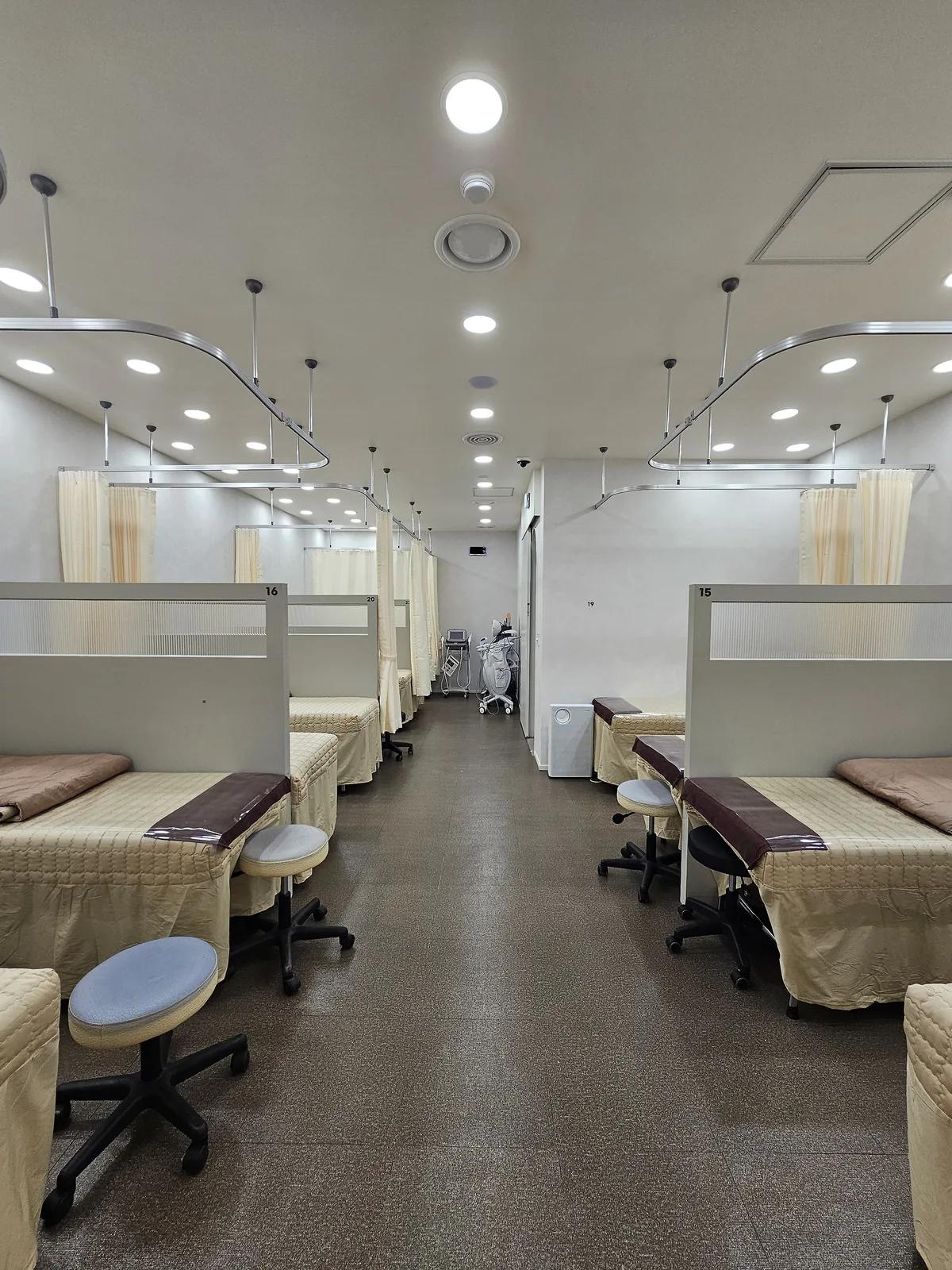
The clinic is a minute's walk from Exit 5 of Myeongdong Station on Line 4, across from Shinsegae Department Store. Weekdays run 10:00 AM to 8:00 PM, and on Saturday and Sunday we see people from 9:00 AM to 3:00 PM, which helps if you're only in Seoul over a weekend.
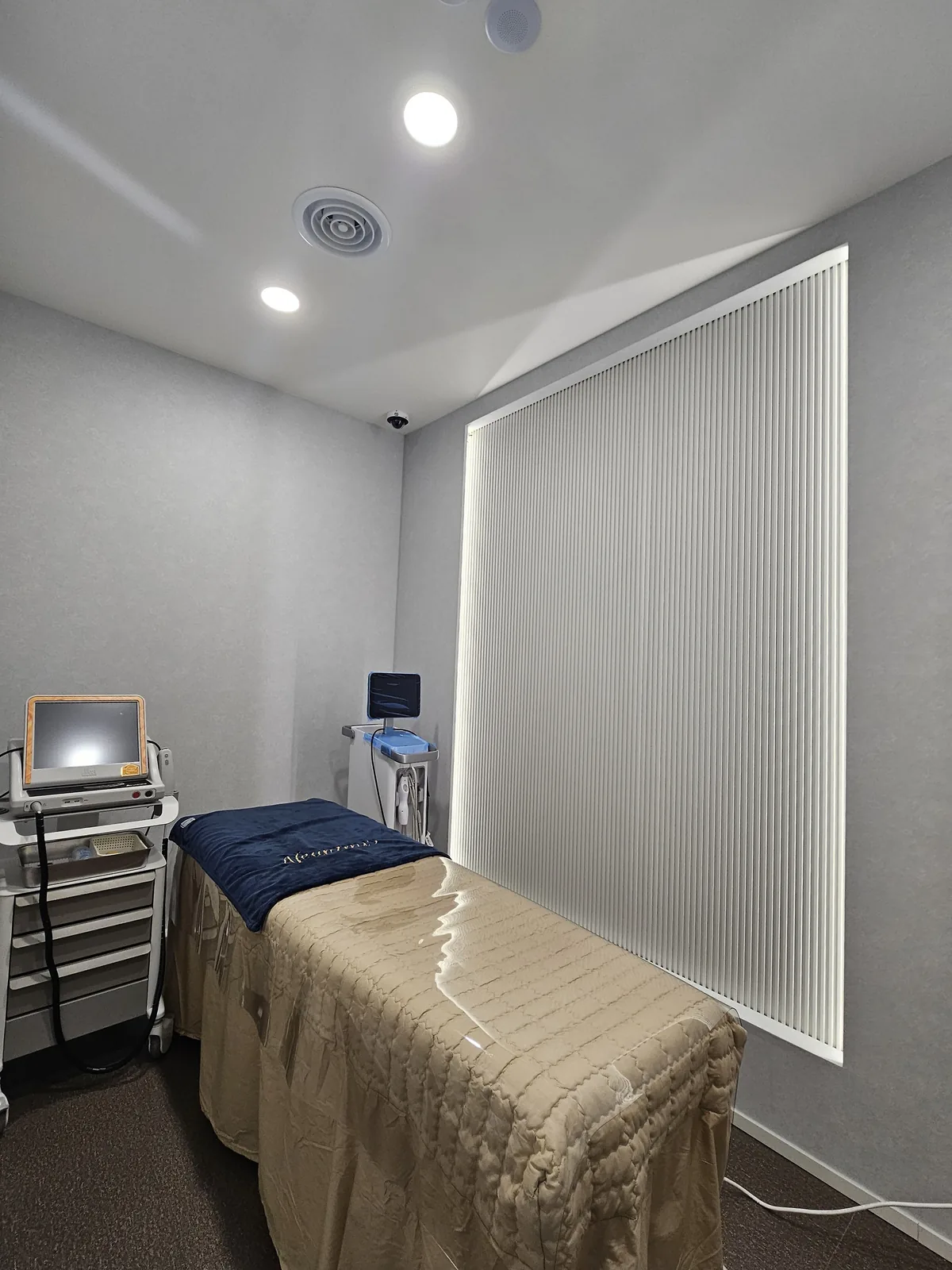
The visit starts with a counselor, then I consult and treat you, with the interpreter there for both. Interpreters for English, Japanese and Chinese are in the clinic, and other languages can be arranged on request, so a parent or friend traveling with you can follow the conversation too.
Where I stand on pico laser
I think of pico as a pigment tool first. It earns its place on freckles, sun spots and ink, it can help melasma if you accept slow progress and daily sunscreen, and it isn't the answer for a face that has started to drop. I would rather tell you a patch needs a toning series over months than treat it hard on a three-day visit.
There's no reason to settle this on the flight in. If this trip isn't the right one, the spots will still be there next season, and a paler, untanned face is easier to treat anyway.
What decides this for you is whether your brown mark is a freckle or sun spot sitting near the surface, or melasma that reacts to heat and light.
We're on the 3rd floor of Korea Daeyungak Tower, 97 Toegye-ro, Jung-gu, Seoul. Send a daylight photo of the mark, no makeup, on WhatsApp, and ask the one thing you most want to know about it.
— Sarang Lim, M.D., Head Doctor
Questions people ask
Before you message us
How many sessions do freckles or sun spots usually need?
Flat sun spots and freckles often lighten noticeably after one to three spot sessions spaced about four to eight weeks apart, and some fade enough after one. Toning for melasma or general dullness follows a different rhythm, commonly five to ten sessions a few weeks apart. If you're visiting Seoul once, spot treatment is the type that fits a single trip.
Does pico laser hurt?
Most people describe quick snapping, like a rubber band flicked against the skin, and spot treatment stings more than toning. Many clinics apply numbing cream before stronger sessions. The skin feels warm and tight for an hour or two afterward, similar to a mild sunburn, and that usually settles by the evening.
Can a tattoo be removed with pico in one trip?
One session lightens a tattoo; it rarely removes it. Ink usually needs several sessions spaced six to eight weeks apart, and more for dense professional work and colors such as green and light blue. Tattoo removal is its own category on our menu, separate from pico toning, so mention the tattoo specifically when you ask.
Can I fly home the day after pico laser?
Generally yes. Cabin air is dry, so carry a plain moisturizer and reapply sunscreen if you have a window seat. If you had spot treatment, the crusts will still be there; leave them alone even if they itch. Skip saunas, hot yoga and strong exfoliating products for about a week after either type.
Is pico laser good for active acne?
Not as a main treatment. Pico doesn't clear inflamed breakouts, and lasering over active acne can irritate it. What it can help with is what acne leaves behind: brown marks through toning and shallow scars through the fractional tip, once breakouts are under control. Red marks tend to respond better to lasers that target blood vessels.
Results and maintenance period vary by individual. Every procedure carries the possibility of side effects, which are explained before you agree to treatment. Prices exclude 10% VAT and event prices may change. This article is general information from the clinic and is not a diagnosis; suitability is decided at the consultation.
Written by
Sarang Lim, M.D.
Head Doctor · Muse Clinic Myeongdong
After you talk with a counselor, the head doctor consults and treats you. Below is who that is — education, societies and advisory roles, listed as they are.
- Education & training
- Graduated, Inje University College of Medicine · Residency training, Paik Medical Center (Inje University) · Sungkyunkwan University Graduate School, Master's degree · Indiana University Kelley School of Business
- Advisory & certification
- Cynosure — Certified laser center · Juvéderm — Advisory doctor · QT Fill — Advisory doctor · Olidia — Advisory doctor · Galderma Sculptra — Advisory doctor · Merz — Advisory doctor · Jeisys — Advisory doctor · NOVA Thread — Advisory doctor
- Academic societies (full member)
- Korean Academy of Aesthetic Plastic & Laser Medicine · Korean Society of Aesthetic Surgery · Korean Society of Obesity Research Medicine · Korean Society of Obesity & Aesthetic Medicine · Korean Society of Anti-Aging Medicine
Treatments in this article
Excl. 10% VAT · same list Korean patients pay