Pigmentation & Moles
How Long Does Pico Laser Last? Results, Healing
How long does pico laser last? A cleared sun spot often stays faded with sun protection; melasma toning needs upkeep. A cleared sun spot usually stays…
 Sarang Lim, M.D.Head Doctor, Muse Clinic Myeongdong · 10 min readMedically reviewed by Sarang Lim, M.D., Head Doctor · Edited by: Sarang Lim, M.D.
Myeongdong Station, Exit 5 · English interpreters on site
Ask us on WhatsApp
In this article
- 01Why a cleared sun spot doesn't come back on its own
- 02How long does pico laser last on melasma?
- 03How many days does the skin take to settle?
- 04What makes the result fade sooner?
- 05Dark patches, pale spots and rebound: the real risks
- 06What to ask any clinic before the laser fires
- 07Can upkeep happen on a later trip?
“If I fly to Seoul for this, will the spots be back by next summer?” It's one of the most common questions about pico lasers, and under it sits a plainer one: how long does pico laser last, and is one short trip enough to make it count? Often there's a quieter thought too: if a dark patch shows up after I'm home, who do I even ask?
It depends on what was treated. A sun spot that clears usually stays faded for as long as that skin is kept out of the sun, while melasma that has been toned lighter tends to drift back within months unless you keep up sun protection and, often, maintenance sessions. The skin itself settles quickly: toning redness usually fades within hours, and a spot treated at higher energy crusts and flakes off in about a week.
Hello, I'm Dr. Sarang Lim, Head Doctor at Muse Clinic Myeongdong in Seoul.
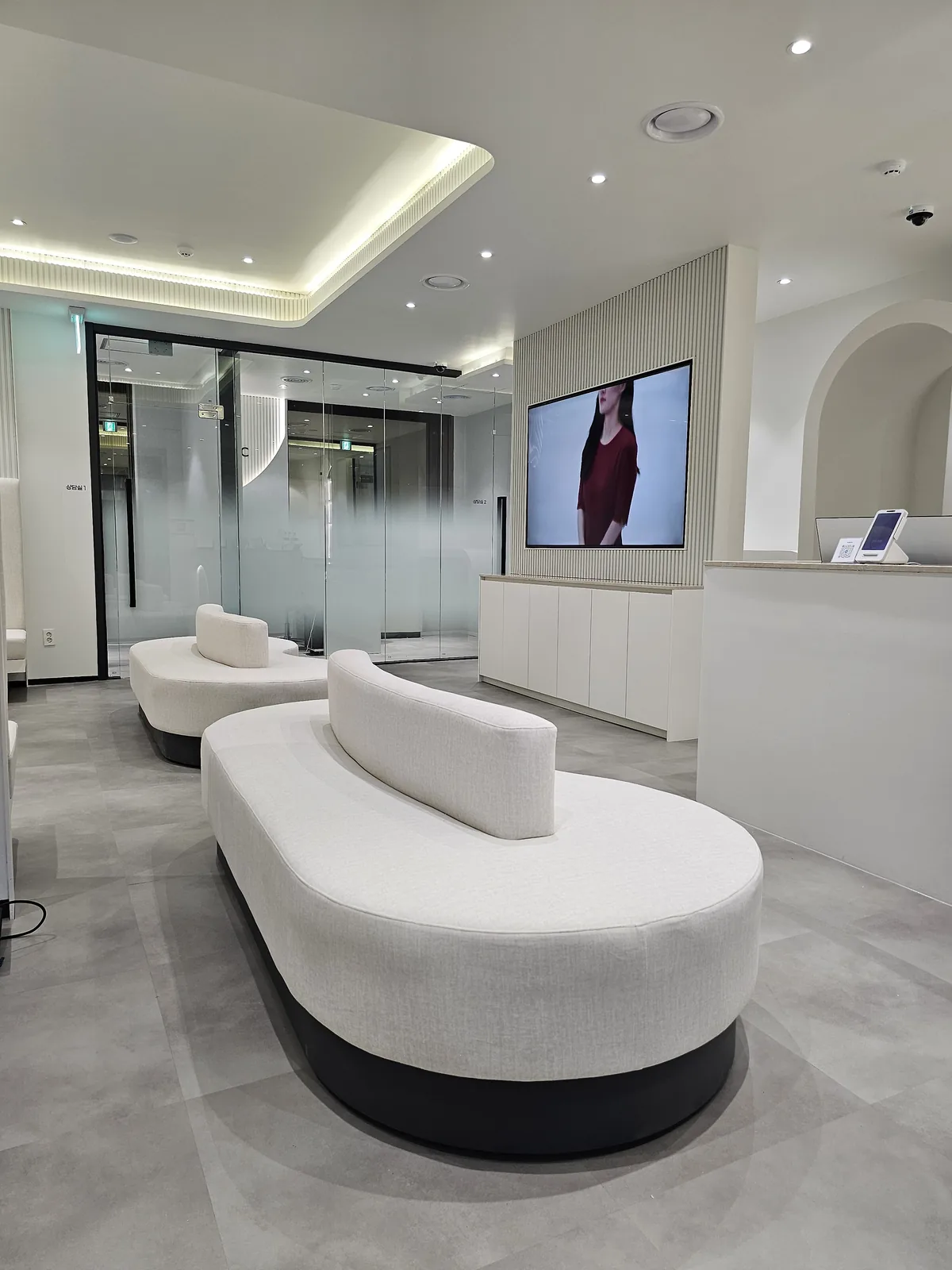
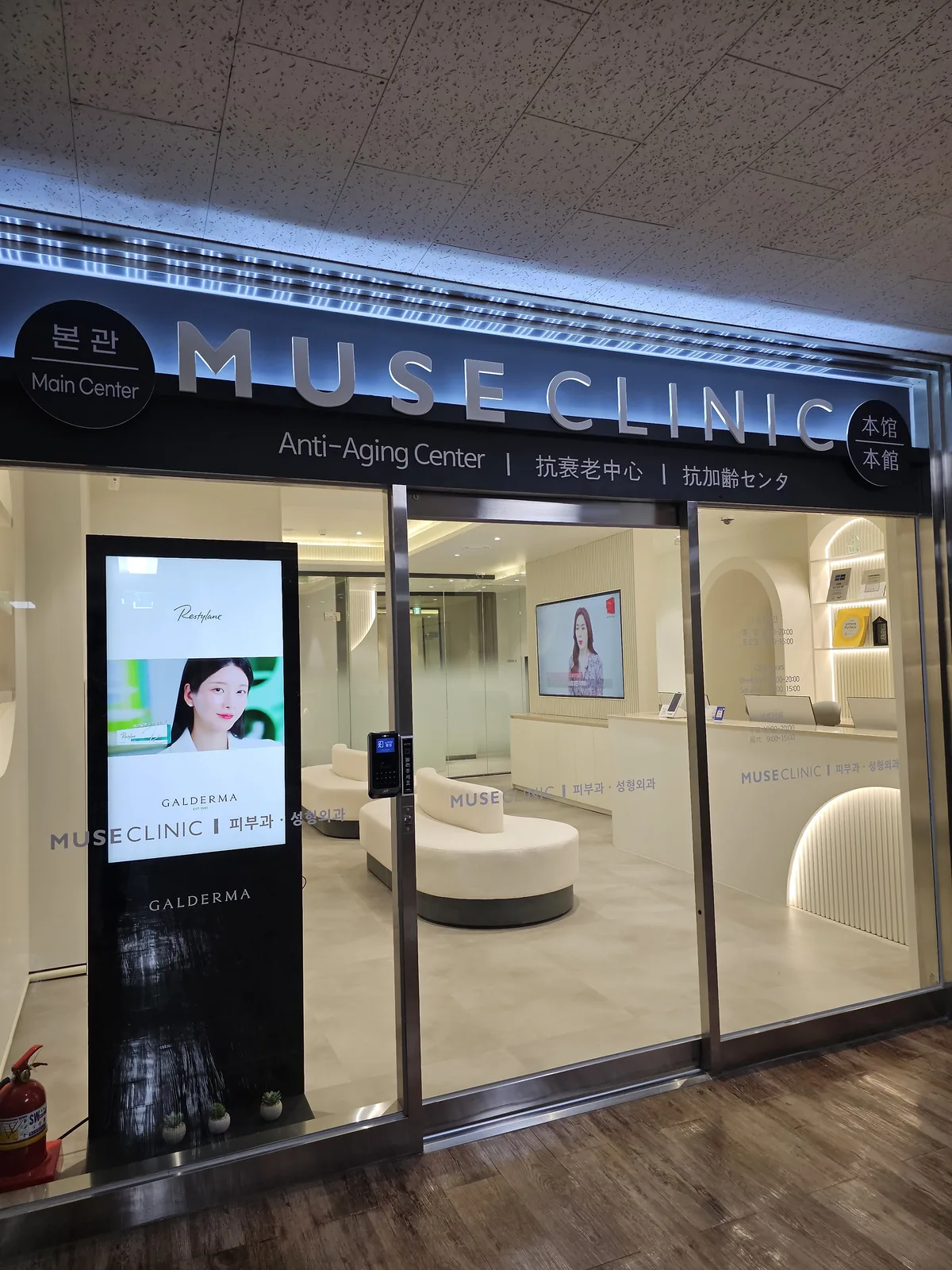
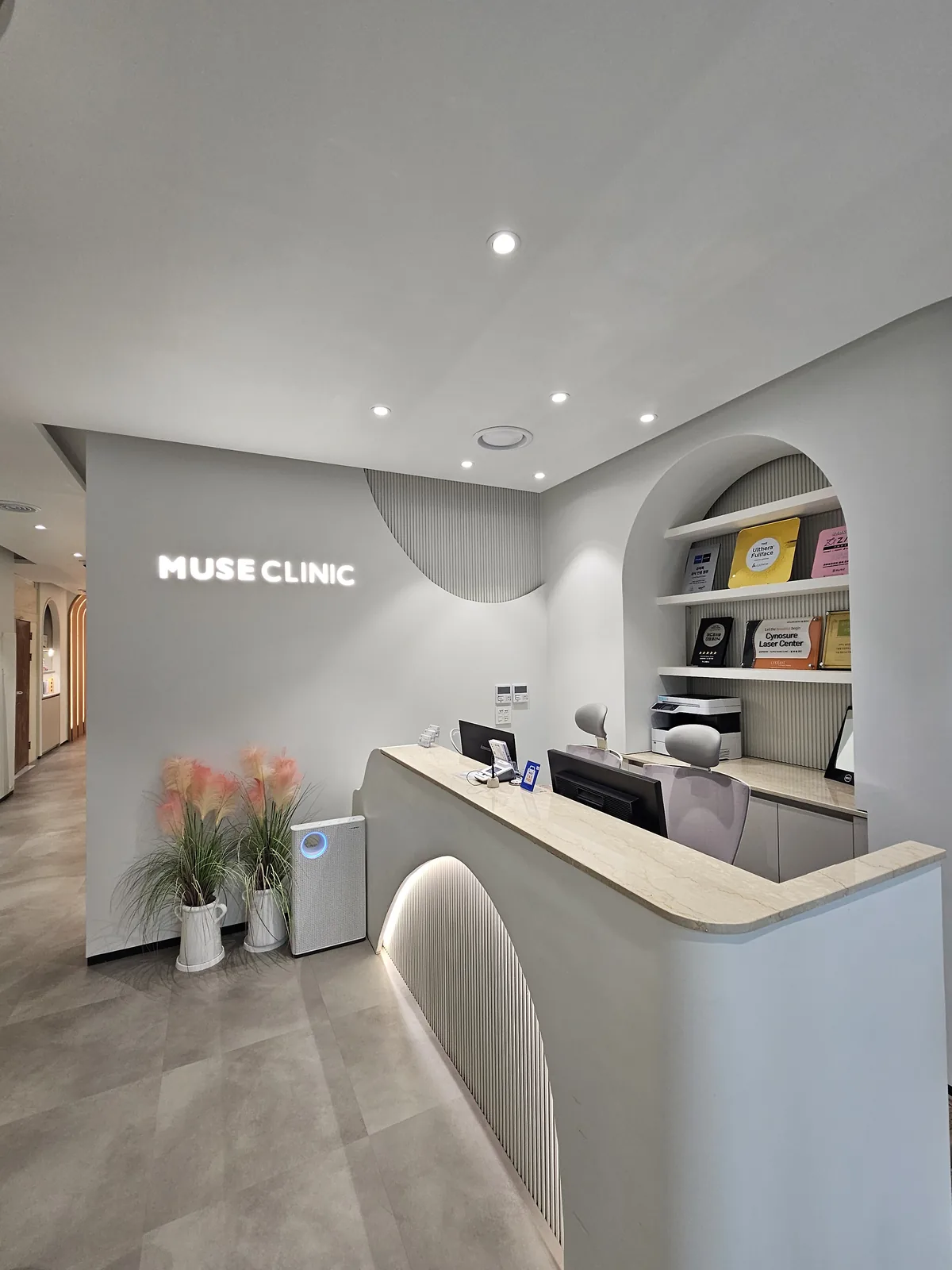
After you talk with a counselor, I'm the one who examines your skin and treats you, so the person deciding whether a mark is a sun spot or melasma is the person holding the laser. An English interpreter is in the clinic at no extra charge and stays with you from consultation through treatment, which matters when the aftercare rules are being explained. Our menu prices are published on the site, foreign patients pay the same list as locals, and we're open Saturday and Sunday from 9:00 AM to 3:00 PM, a minute's walk from Myeongdong Station Exit 5.
Not sure which kind of marks you have? Knowing which of the two you're dealing with is what tells you whether you're planning for a result that holds or one you'll maintain.
Why a cleared sun spot doesn't come back on its own
A pico laser fires pulses measured in picoseconds, trillionths of a second. That speed shatters pigment into particles small enough for your immune cells to carry away over the following weeks.
Think of a coffee stain you've finally washed out of a white shirt. The fabric doesn't remember the stain, but wear the shirt to the same café every morning and you'll get a new one. Sun spots behave like that: the treated spot stays clear, while every summer of UV keeps prompting new pigment in the skin around it, and sometimes in the same place again.
So when someone asks me how long a result lasts, the useful answer for sun spots isn't a number of months. It depends on your next few summers. If you live near the equator, commute on foot and eat lunch outdoors, new spots will turn up sooner than for someone who spends daylight hours in an office.
Freckles are the exception people don't expect. They're largely genetic and darken with sun, so even after they fade they often come back in the sunny months. Sun spots that appeared in your 30s or 40s after years of exposure tend to stay away longer once cleared, provided the sunscreen habit sticks.
How long does pico laser last on melasma?
Shorter, and less predictably. Melasma isn't a single spot sitting in the skin; it's pigment cells that stay switched on by sun, heat and hormones. Toning calms them for a while, but the trigger is still there when you leave the clinic.
The American Academy of Dermatology points out that melasma can return after it clears, which is why sunscreen and ongoing care belong in any plan for it.
For a visitor, that's the trade-off. One session on a short trip gives a modest change. A full series needs repeat visits, which suits someone who lives in Korea or comes back regularly far better than someone flying in once.
Heat is the trigger many people miss. Saunas, hot yoga, a long shift over a stove: melasma can darken from heat alone, even under good sunscreen. Hormones play a part too, which is why it often appears or deepens during pregnancy or on hormonal contraception.
When melasma and sun spots share the same cheek, I would rather treat the melasma gently and slowly than chase a fast result. Pushing the energy up to clear it in one visit is a common way for melasma to rebound darker. A smaller change that holds is worth more to you than a dramatic one that's back within a month.
How many days does the skin take to settle?
For toning, usually hours: mild redness and warmth that fade the same day. For a single spot treated at higher energy, plan on about a week of a small dark crust, then pink new skin for a few weeks.
| When | Toning (whole face, low energy) | Single spot (higher energy) |
|---|---|---|
| Right after | Pinkness and a warm feeling | The spot turns darker or greyish |
| Days 1–2 | Redness usually gone; makeup usually fine | A thin dark crust forms; keep it dry and leave it alone |
| Days 5–10 | Little to see | The crust flakes off on its own |
| Weeks 2–6 | Watch for any patch that darkens | Pink new skin; any darkening usually shows here |
The flaking week isn't what catches most people out. Weeks two to six are: the new skin is at its most reactive, and that's often exactly when you've landed back in a beach city or a sunny season. A hat, and sunscreen reapplied through the day, matter more in that window than in the first few days.
Two mistakes cause most of the trouble with crusts: scrubbing them off in a hotel shower, and putting a strong exfoliant on them to speed things up. Both raise the odds of a darker mark. Let the crust fall away by itself.
For trip length, this means toning fits into a weekend, since most people are out sightseeing the same afternoon. Spot crusts are small, but they show in photos for about a week, so if a wedding or work event is coming up, leave room before it.
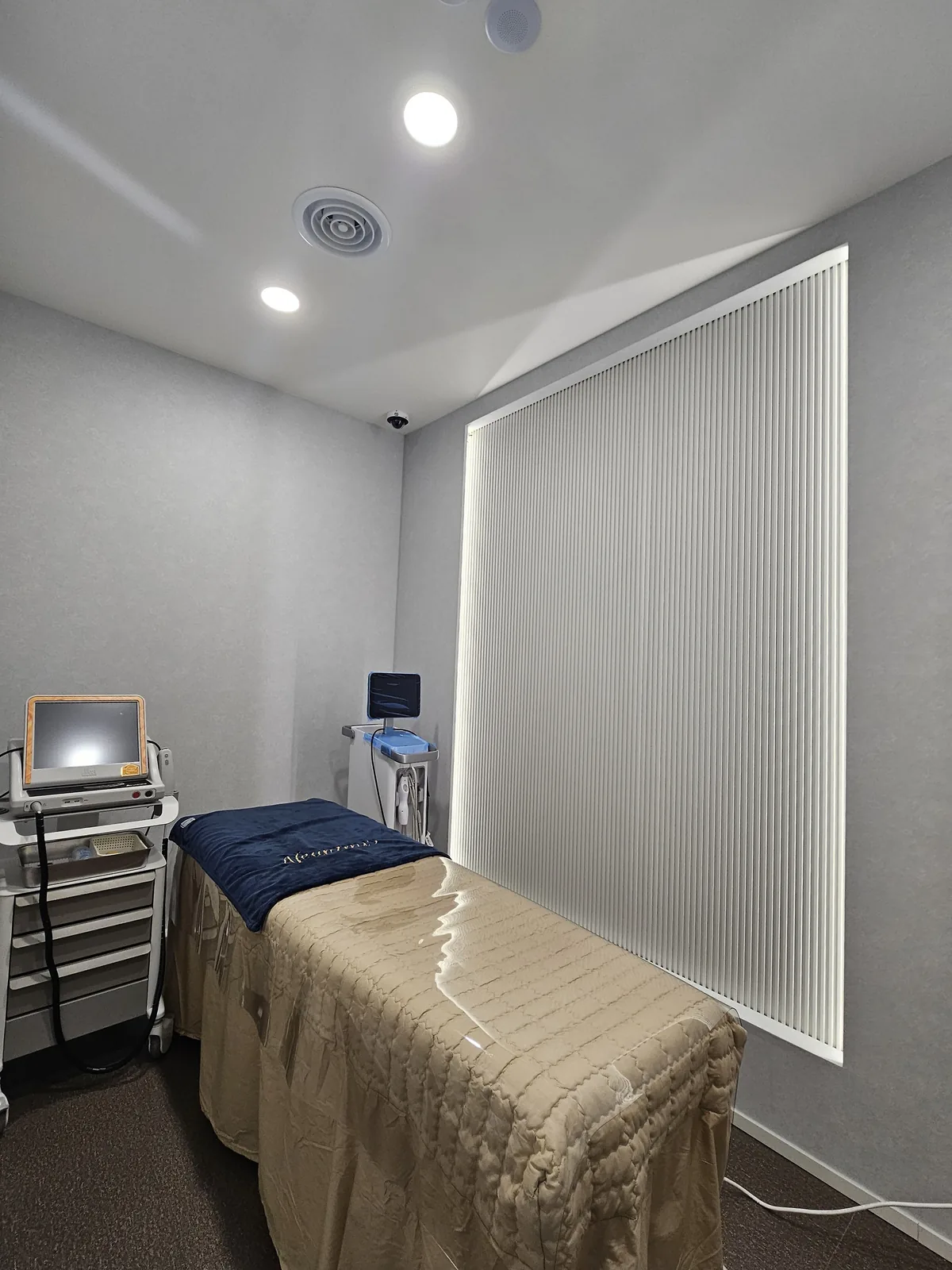
Got flight dates already? Send them on WhatsApp with a close-up of the mark that bothers you most, and ask whether the days between treatment and your next event back home are enough for that mark. If you get as far as booking, that's also where to ask how the deposit and payment work, since both are settled after the consultation.
What makes the result fade sooner?
UV first, then heat, hormones and irritation. Each of these nudges pigment cells to work harder again.
- Sun through windows: UVA passes through car and office glass, so a desk by the window counts.
- Heat: saunas, hot yoga and cooking over high flames, mostly for melasma.
- Hormones: pregnancy and hormonal contraception, again mostly for melasma.
- Picking or scrubbing treated skin, which can leave a darker mark of its own.
- Starting a strong retinoid or acid peel too soon after treatment, which irritates new skin.
Fillers fade for an entirely different reason, because the product itself breaks down over months; I go through that in how long Juvéderm lasts and when touch-ups come in. And not every mark is pigment. Tiny white bumps under the eyes are milia, which a pigment laser won't clear, and removing milia under the eyes covers what does.
Dark patches, pale spots and rebound: the real risks
Most people get only redness, and for treated spots a crust. The risk worth planning a trip around is a darker patch that appears a few weeks later.
That darkening is post-inflammatory hyperpigmentation: the skin answering the heat of treatment by making more pigment. It's more likely in medium and darker skin, and when the area meets sun early. It usually fades over months, though for some people it takes longer.
Toning done too often or at too high a setting has been linked with rebound darkening of melasma and with small pale, mottled spots. Reviews of low-energy toning with older Q-switched lasers describe both, and the same logic carries over to pico: the spacing between sessions matters.
Many doctors would hold off, or at least ask more questions, if you have:
- an active rash, cold sore or infection on the area
- a fresh tan or sunburn
- taken isotretinoin for acne in recent months (mention it, since doctors differ on how long to wait)
- a pregnancy
- a mark that has recently changed in shape, color or size, which needs checking as a possible mole or skin cancer before any laser touches it
If a darker patch shows up two or three weeks after you're home, don't scrub it or reach for a strong bleaching cream. Keep it out of the sun, photograph it in daylight so you can compare over the coming weeks, and show it to a dermatologist where you live. You can send the same photo to us on WhatsApp as well.
Results vary from person to person, and so does how long they last. The skin you bring, your sun habits and the number of sessions all move it.
What to ask any clinic before the laser fires
Whether you book with us or somewhere else, get these answered before you lie down on the bed:
- 01Who looks at my marks first, and will they tell me which are sun spots, which are melasma and which need a mole check?
- 02Is the doctor who examines me the one who does the laser?
- 03Toning or spot treatment for each mark, and how many sessions would a full course take?
- 04How far apart are the sessions, and what's the plan if I can only come once?
- 05Will an interpreter be beside me when the aftercare is explained?
- 06Is the price list published, and is it the same for foreign patients?
The answer to the fourth question tells you the most about how long your result will last, because it shows whether the plan fits the way you travel. For what single sessions and series look like on our list, pico laser in Korea, priced per session sets it out, and a visit with an English-speaking dermatologist in Seoul walks through how the language side works.
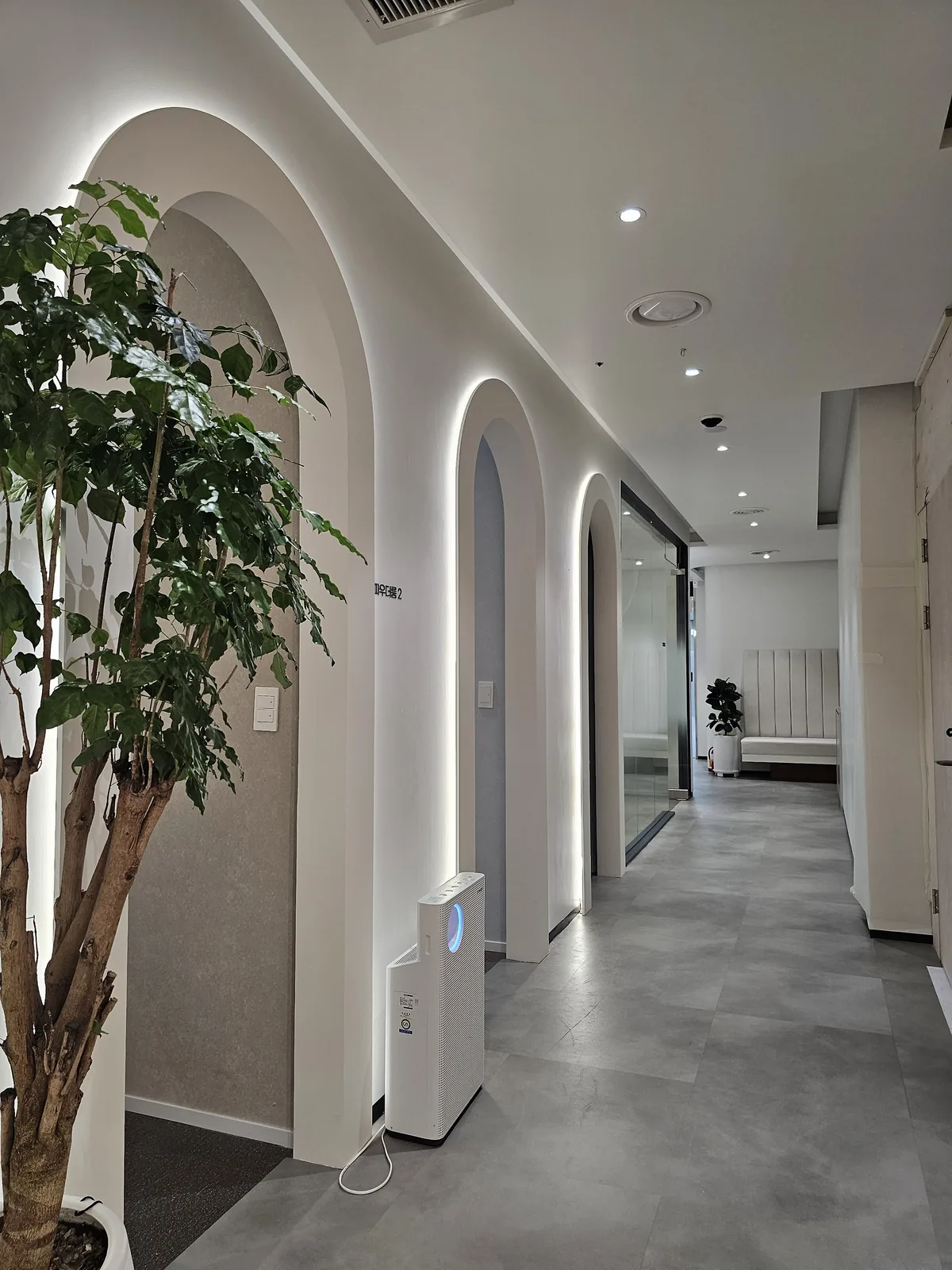
Before you message, check your own history for one thing: any isotretinoin, prescription retinoid or laser treatment in the past year. Send that list on WhatsApp together with your dates, because it can change when a laser is reasonable for your skin.
Can upkeep happen on a later trip?
Often, yes. For sun spots there may be little to maintain beyond sunscreen, and any new spots can be looked at on your next visit. For melasma, months between trips break up the series, so between visits your sun habits and a home routine from your own dermatologist do most of the work. The details for your own skin are confirmed at the consultation.
My view is that a pico result lasts as long as the reason for the pigment stays away. With a sun spot, that's mostly your sunscreen. With melasma, it's sun, heat and hormones together, and I would rather you know that before planning a trip around it. A structured consultation with an interpreter comes first, and then I plan and perform the treatment myself, one to one.
We're on the 3rd floor of Korea Daeyungak Tower, 97 Toegye-ro, Jung-gu, Seoul. What decides your plan is whether the pigment sits in defined spots or spreads as a soft-edged patch across the cheek. One daylight photo is enough to start, and you can ask before booking anything: send it on WhatsApp with the dates you land and leave, and ask which of the two your marks look like.
— Sarang Lim, M.D., Head Doctor
Questions people ask
Before you message us
Do sun spots need more than one pico session?
Some flat, light sun spots fade after a single session, while darker or deeper ones commonly need more, spaced several weeks apart so the body can clear what the laser broke up. On a single trip, a sensible approach is to treat the clearest spots and judge the rest once the crusts are gone and your skin has settled at home.
Can I fly the day after pico laser?
Usually, yes. Cabin air doesn't affect healing, though it dries the skin, so a plain moisturizer helps on a long flight. The bigger issue is the window seat: sunlight through the window reaches your face for hours, so keep the blind down or wear sunscreen, and leave any crusts alone even if they itch.
Can pico toning be used on darker skin?
It can be used on medium and darker skin, but the margin is narrower, because darker skin is more prone to pigment flaring after heat. That usually means lower settings, more space between sessions and stricter sun protection afterward. Tell whoever treats you if your skin has darkened after a scrape, peel or laser before, since that history hints at how it will react.
When can I wear makeup after pico toning?
After toning, most people put on sunscreen right away and makeup the next day, once any redness has settled. Over a spot treated at higher energy, it's better to wait until the crust has fallen off on its own, usually within about a week, because rubbing makeup on and off can lift the crust early and raise the chance of a darker mark.
Does pico laser hurt?
Most people describe toning as quick, warm snaps across the skin. A spot treated at higher energy stings more sharply, a bit like a rubber band flick, for a moment with each pulse.
Results and maintenance period vary by individual. Every procedure carries the possibility of side effects, which are explained before you agree to treatment. Prices exclude 10% VAT and event prices may change. This article is general information from the clinic and is not a diagnosis; suitability is decided at the consultation.
Written by
Sarang Lim, M.D.
Head Doctor · Muse Clinic Myeongdong
After you talk with a counselor, the head doctor consults and treats you. Below is who that is — education, societies and advisory roles, listed as they are.
- Education & training
- Graduated, Inje University College of Medicine · Residency training, Paik Medical Center (Inje University) · Sungkyunkwan University Graduate School, Master's degree · Indiana University Kelley School of Business
- Advisory & certification
- Cynosure — Certified laser center · Juvéderm — Advisory doctor · QT Fill — Advisory doctor · Olidia — Advisory doctor · Galderma Sculptra — Advisory doctor · Merz — Advisory doctor · Jeisys — Advisory doctor · NOVA Thread — Advisory doctor
- Academic societies (full member)
- Korean Academy of Aesthetic Plastic & Laser Medicine · Korean Society of Aesthetic Surgery · Korean Society of Obesity Research Medicine · Korean Society of Obesity & Aesthetic Medicine · Korean Society of Anti-Aging Medicine
Treatments in this article
Excl. 10% VAT · same list Korean patients pay