Skin Boosters & Glow
PN Skin Booster Korea Too Harsh? Cost, Reviews, Methods Guide
PN skin booster Korea answer for reactive skin: it supports repair, not volume. Muse Clinic is a 1-minute walk from Myeongdong Exit 5; ask on WhatsApp.
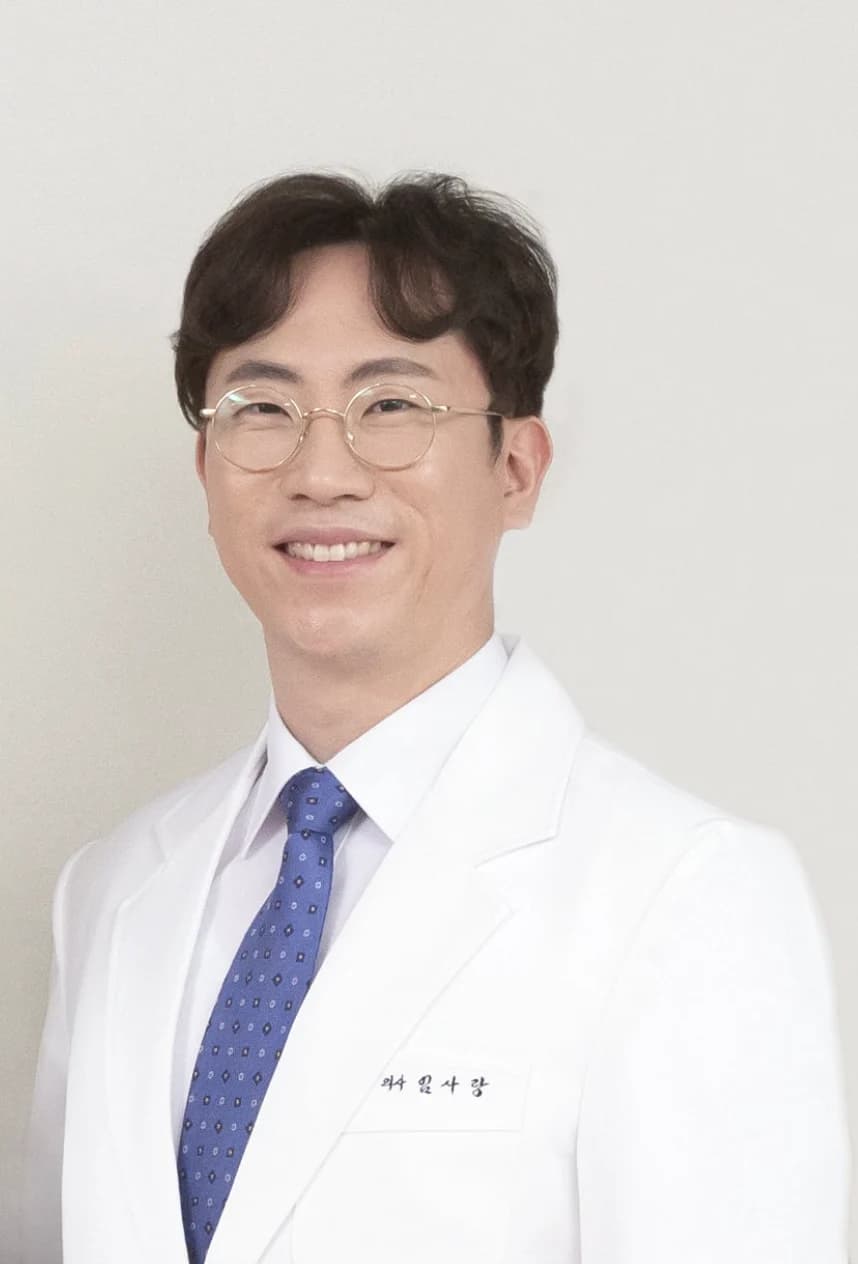 Dr. Sarang LimHead Doctor, Muse Clinic Myeongdong · Updated · 10 min readMedically reviewed by Sarang Lim, M.D., Head Doctor · Edited by: Sarang Lim, M.D.
In this article
- 01How does a PN booster work in the skin?
- 02Reactive, thin or scarred skin: where a skin booster fits
- 03Is a skin booster safe for skin that reacts to everything?
- 04What I offer in Myeongdong for this skin
- 05What decides the cost of a skin booster in Korea?
- 06How many sessions, and does one trip make sense?
Will a pn skin booster Korea clinics offer calm your reactive skin, or set off another flare?
It's worth reading on before you book or decide anything.
After this post you will know what a PN booster does, what the cost depends on, what reviews claim compared with what is medically known, and which method I would talk through for skin like yours.
Hello, I'm Dr. Sarang Lim, M.D., Head Doctor at Muse Clinic Myeongdong.
We are a dermatology and aesthetic clinic, a 1-minute walk from Myeongdong Station Exit 5, and open on weekends. We are one of 11 Muse Clinic branches in Korea, and I am an advisory doctor for Olidia.
Many people write to me because review threads call PN the gentle option for any skin. That is not the same as saying it is safe for skin that reacts to everything.
PN is an injection of purified DNA fragments placed in the upper skin to support repair, not to add volume. It tends to suit thin, tired or easily irritated skin better than deep lines or hollows. Our menu doesn't list a PN booster by name, so I'd talk through Olidia Skin with you instead.
How does a PN booster work in the skin?
Polynucleotides are long chains of the building blocks that make up DNA. Spread in small droplets across the face, they're thought to give fibroblasts, the cells that make collagen and maintain the skin's structure, a signal and a scaffold to repair from. What people usually notice is quieter skin: better hydration, finer texture, less of a papery look under the eyes. Nothing is being filled, so the shape of your face stays the same.
Risks and side effects to know
The evidence is encouraging and still thin. The authors called for larger, better-designed trials, and most of the studies came from Korea or Italy and enrolled mainly women. I find that a useful frame for expectations: a modest, gradual change in skin quality.
Both come from the same kind of DNA source; PDRN is made of shorter fragments, and a review in Pharmaceutics lays out how the two differ at the molecular level and in clinical use.
Two other booster families help place PN. Hyaluronic acid boosters hold water in the skin and mainly target dehydration. PLLA boosters, the family Olidia Skin 4cc belongs to, work more slowly: the particles prompt collagen production over the weeks that follow, so change builds gradually instead of appearing the next morning.
Reactive, thin or scarred skin: where a skin booster fits
The table is a rough map of what each skin concern usually calls for, in general medical terms. It isn't a menu.
| Your skin | What a skin booster aims at | Often considered alongside |
|---|---|---|
| Thin, crepey skin under the eyes | A smoother, less papery surface over a course | Collagen-stimulating boosters such as PLLA |
| Cheeks that flush and sting easily | Barrier support without adding volume | Calming the trigger first, boosters later |
| Dull, dehydrated skin | Hydration and finer texture | Hyaluronic acid skin boosters |
| Rolling or boxcar acne scars | Little on its own | Subcision or fractional energy treatments |
| Deep folds or lost volume | Very little, since a booster doesn't fill | Fillers or lifting treatments |
The row I'd spend the most time on with you is the second one. Redness that comes and goes can be rosacea, a barrier worn down by over-exfoliating, or contact irritation from a product, and each of those has a different fix. A booster can support skin that's settling. It doesn't treat the cause, and if the cause is still active, the skin may simply react to the injections as well.
Scarred skin is the other place boosters get oversold. Depressed acne scars are usually tethered to the tissue underneath, and a booster placed in the upper dermis won't release that tether. For scars, the treatments that physically break up or remodel scar tissue carry most of the load, and a booster is at most a supporting step.
Thin skin under the eyes is where boosters are discussed most, and it's also where technique matters most. The skin there is delicate and bruises easily, so small bumps and marks can show for longer than on the cheeks. If an event or a flight is close, that's worth factoring in.
Say your cheeks flush after most lasers, and a serum with a strong active left them stinging for days. You are also flying home in a few days, so you can't wait out a flare. In that situation I would start with what caused the last reaction, because that tells me more than the booster name does. I would look at how thin your skin is, whether it is red at rest or only after treatment, and how much time you have in Korea. Then I would talk through which option fits, how gently to start, and what to watch for after you travel.
Is a skin booster safe for skin that reacts to everything?
Expect some reaction, even when everything goes well. After a PN injection there are usually small raised bumps at each entry point, which tend to flatten within a day or two, along with redness, tenderness and the odd pinpoint bruise that can take several days to fade.
In general, a few situations call for waiting or skipping a booster altogether. A fish allergy is a reason to avoid PN products, since they're derived from salmon or trout DNA. An active infection, a cold sore or inflamed acne in the treatment area means postponing until it has cleared. A recent laser treatment or peel, isotretinoin within the past months, and pregnancy or breastfeeding are also reasons to wait.
If you have an autoimmune condition, a history of keloids, or you take blood thinners, mention it up front, because it changes the plan.
Once you're home, bumps and bruises that are clearly fading by day three are part of normal healing. Redness that spreads, skin that turns hot or more painful after the second or third day, a fever, or a lump that keeps growing are not; see a doctor where you live promptly. Keep the name of the product you received, and, as the US CDC suggests for anyone traveling for medical care, carry copies of your treatment records so a local doctor can see exactly what was injected.
When skin reacts to almost everything, the booster is rarely the first decision I'd make. I want to know what set off the last reaction, what you put on your face each morning, and whether there's rosacea or eczema underneath. Injecting into skin that's already inflamed asks it to calm down and repair at the same time. Sometimes my advice for a given trip is to settle the skin first and leave the injections for the next visit.
If you use a retinoid, an acne medication or anything prescribed for your skin, photograph the labels and send them on WhatsApp with a note on when you last used each one, and ask whether any of them should be paused before a booster.
What I offer in Myeongdong for this skin
Olidia Skin 4cc is the booster on my menu that aims at the complaints people usually bring to PN: texture, tone and fine lines. It's PLLA-based and works by prompting your own collagen production, so the change comes gradually. You should also know that I'm an Olidia advisory doctor, and weigh my view of it with that in mind. The details are on the Olidia Skin 4cc treatment page.
The menu also lists Skin vive, Olidia Eye and the Lilied M glass skin injection, and I compare them in a longer guide to the skin boosters on our menu in Korea.
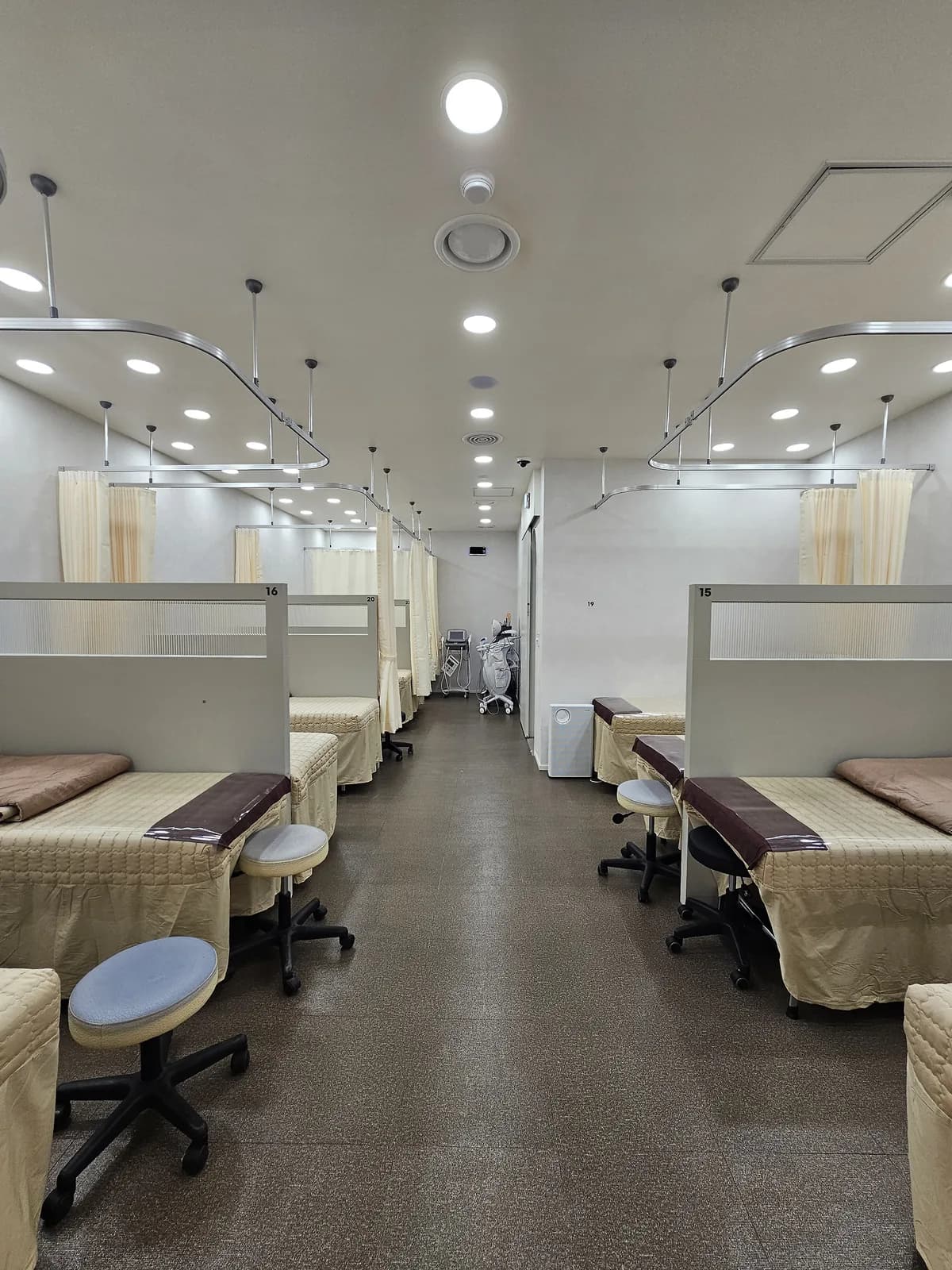
A visit here follows a set order. A structured consultation comes first, with an interpreter, and then I plan and perform the treatment one-to-one. English, Japanese and Chinese interpreters are in the clinic, and someone stays with you from consultation through treatment, which helps when you're trying to describe exactly how your skin reacted last time. Genuine products at the correct dosage come first for me; with reactive skin, I'd rather we agree to wait than inject skin that isn't ready.
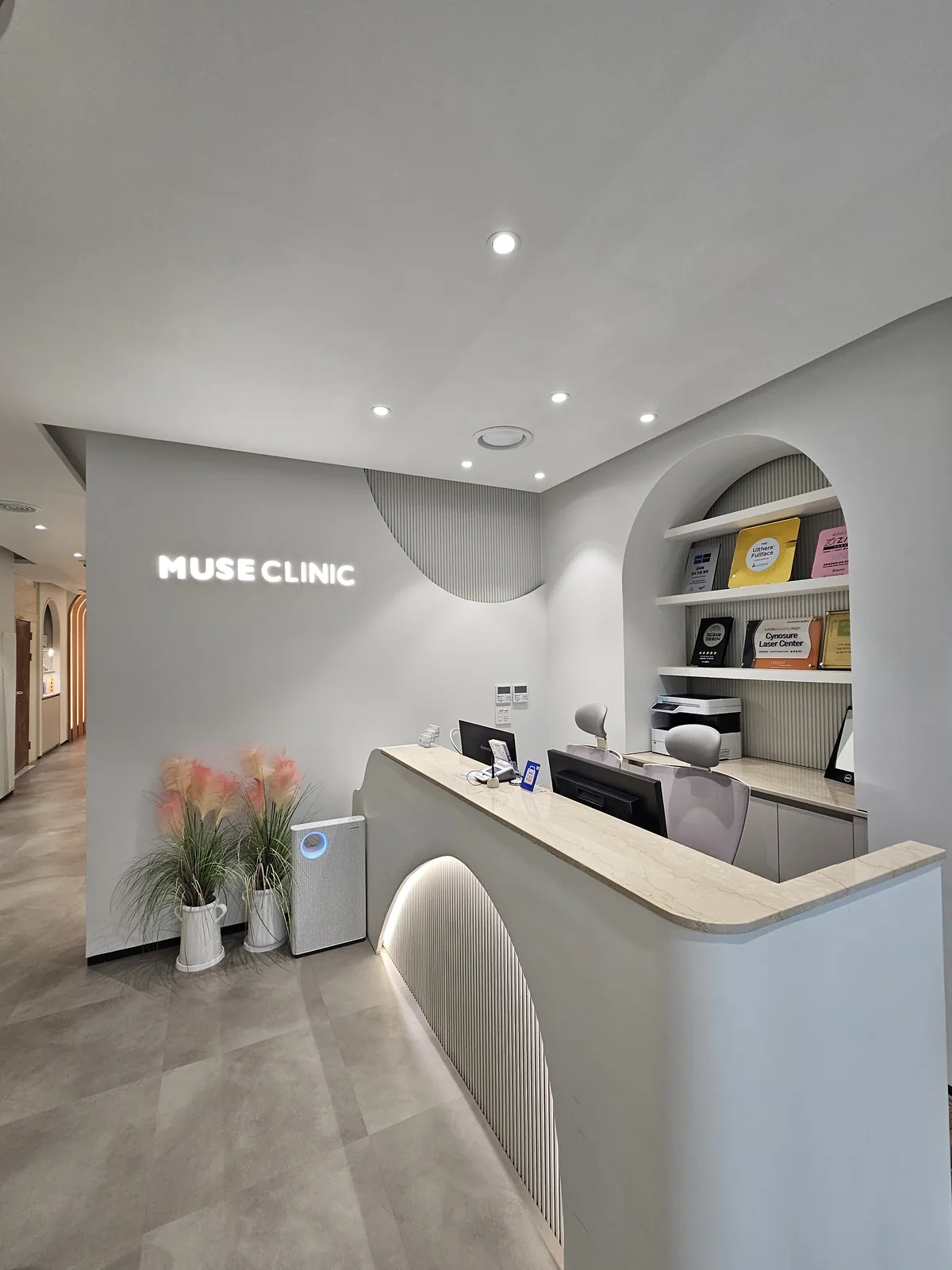
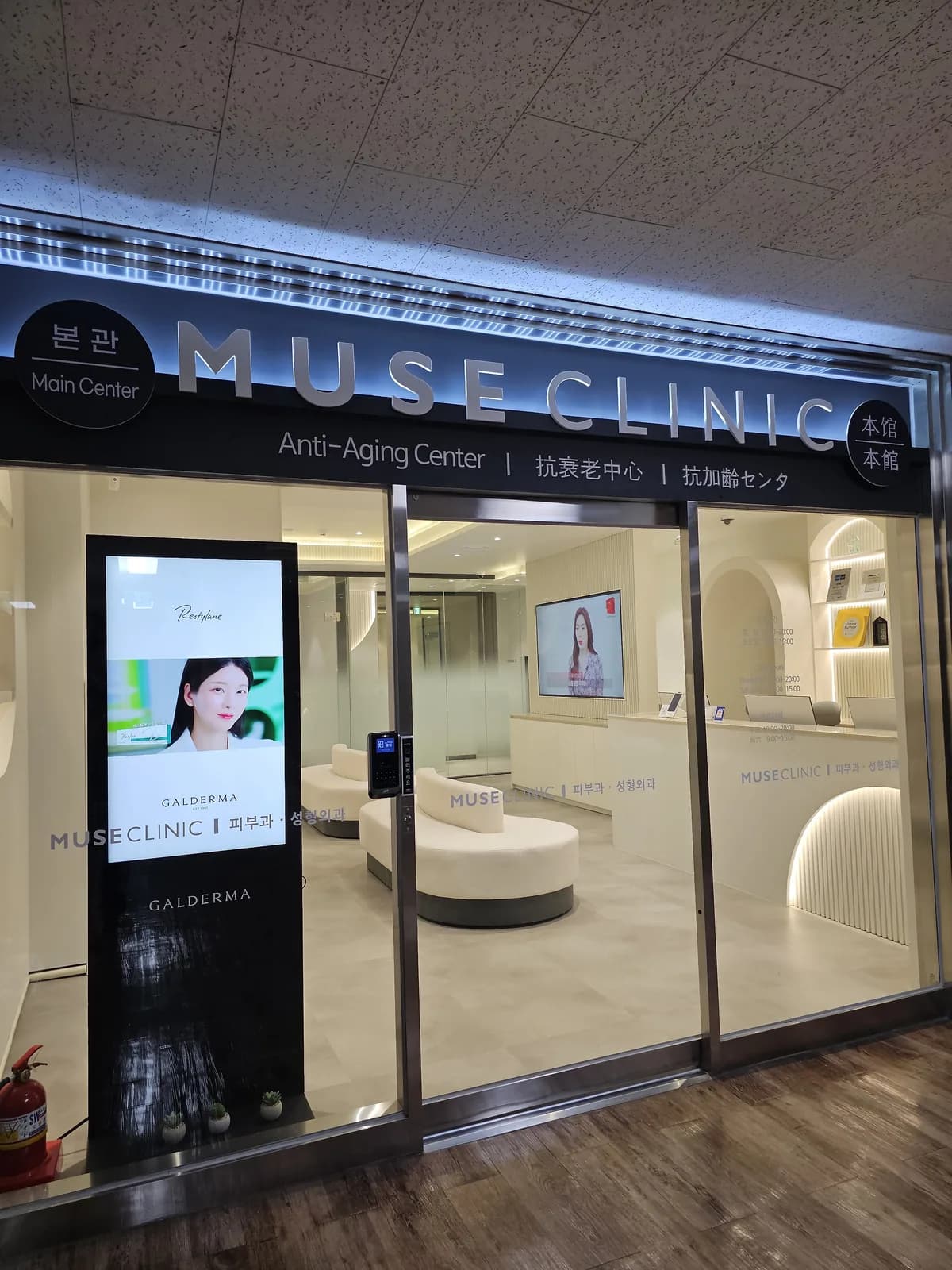
We're on the 3rd floor of Korea Daeyungak Tower, a one-minute walk from Myeongdong Station Exit 5 on Line 4. Hours are 10 AM to 8 PM on weekdays and 9 AM to 3 PM on Saturdays and Sundays.
If you're still deciding whether this trip is the right one, send the dates you'll be in Seoul on WhatsApp and ask which of those days leaves time for bumps or bruises to settle before a flight or an event.
What decides the cost of a skin booster in Korea?
The cost depends on which booster is used and how much of it your skin needs. The area treated matters too: cheeks only, or the whole face and neck. The number of sessions is another factor, because skin boosters are usually planned as a course rather than a single visit. It also depends on how many days you can spend in Seoul and whether a follow-up is needed once you are home. Reactive skin can change the plan, since a slower, more careful approach may be safer than treating everything at once. To get the figure for your own case, send a close-up photo of your skin on WhatsApp and ask about the cost.
How many sessions, and does one trip make sense?
For anyone planning a PN skin booster Korea visit, the timing question comes before the product question. Most skin boosters, PN and PLLA included, are usually planned as a course of a few sessions spaced weeks apart. For a traveler, that means one visit to Seoul starts a course rather than finishing it. If you come to Korea regularly, sessions can line up with your trips. If you don't, one session still shows you how your skin responds and whether a course is worth planning.
Within a single trip, put the injection early, never the day before you fly or before an event where you'll be photographed. Flying with small bumps or bruises usually isn't a problem in itself, but you'll want a few days where it doesn't matter how your skin looks. Results vary from person to person, and so does how long they last; skin that's protected from sun and not over-exfoliated tends to hold on to improvement longer.
If the booster is one part of a wider plan, my notes on skin care in Korea for visitors and on which Korean skin treatments to book in Seoul cover what fits into a short stay. For a sense of how gradual booster-type change looks over weeks, read what Korean glass skin treatment changes, and what it doesn't.
Send a daylight close-up of your cheeks on WhatsApp, along with the product or laser behind your last flare. Then ask one question: does that history change what a booster could do for me? One photo is enough, and you can ask before booking anything. When you come to Myeongdong, I will examine your skin and recommend what fits it.
Questions people ask
Before you message us
Is a PN booster the same thing as a filler?
No. A filler places a gel where volume is missing to change shape, such as a hollow or a fold. A PN booster is spread in small droplets just under the surface to support skin quality, so your contours stay the same. If what bothers you is a hollow or a deep fold, a booster of any kind is unlikely to be the tool that changes it.
Can I have a PN injection if I'm allergic to fish?
Generally, no. PN products are derived from salmon or trout DNA, so a fish or seafood allergy is a reason to avoid them. Mention any allergy, including reactions to skincare ingredients or numbing creams, at the start of your consultation. A PLLA booster such as Olidia Skin 4cc comes from a different source, which is worth raising with the doctor if PN is off the table for you.
When can I wear makeup or get on a plane after a skin booster?
Many doctors suggest waiting until the next day before applying makeup, so the tiny entry points have time to close. Flying is usually fine with small bumps or bruises. In general, skipping saunas, hard exercise and alcohol for a day or two helps swelling settle. The aftercare instructions you receive on the day of treatment take priority over any general rule.
Do I need to stop my skincare before the appointment?
Prescription acne medication, isotretinoin in particular, needs to be discussed before any treatment is booked. Bring the names of everything you use so the timing can be planned around your actual routine.
Which languages can I use at Muse Clinic Myeongdong?
English, Japanese and Chinese interpreters are in the clinic, and other languages can be arranged on request. Someone stays with you from the consultation through the treatment, so you can describe past reactions in your own words. Before you travel, WhatsApp is the channel for first questions.
Results and maintenance period vary by individual. Every procedure carries the possibility of side effects, which are explained before you agree to treatment. Prices exclude 10% VAT and event prices may change. This article is general information from the clinic and is not a diagnosis; suitability is decided at the consultation.
Written by
Dr. Sarang Lim
Head Doctor · Muse Clinic Myeongdong
- Education & training
- Graduated, Inje University College of Medicine · Residency training, Paik Medical Center (Inje University) · Sungkyunkwan University Graduate School, Master's degree · Indiana University Kelley School of Business
- Advisory & certification
- Cynosure — Certified laser center · Juvéderm — Advisory doctor · QT Fill — Advisory doctor · Olidia — Advisory doctor · Galderma Sculptra — Advisory doctor · Merz — Advisory doctor · Jeisys — Advisory doctor · NOVA Thread — Advisory doctor
- Academic societies (full member)
- Korean Academy of Aesthetic Plastic & Laser Medicine · Korean Society of Aesthetic Surgery · Korean Society of Obesity Research Medicine · Korean Society of Obesity & Aesthetic Medicine · Korean Society of Anti-Aging Medicine