Acne, Scars & Pores
Acne Scars Korean Beauty: Serum or Needle? Types, Recovery
Acne scars Korean beauty guide: serums fade marks, dents need needle RF or subcision. Who it suits, timing, recovery, and what to send on WhatsApp first.
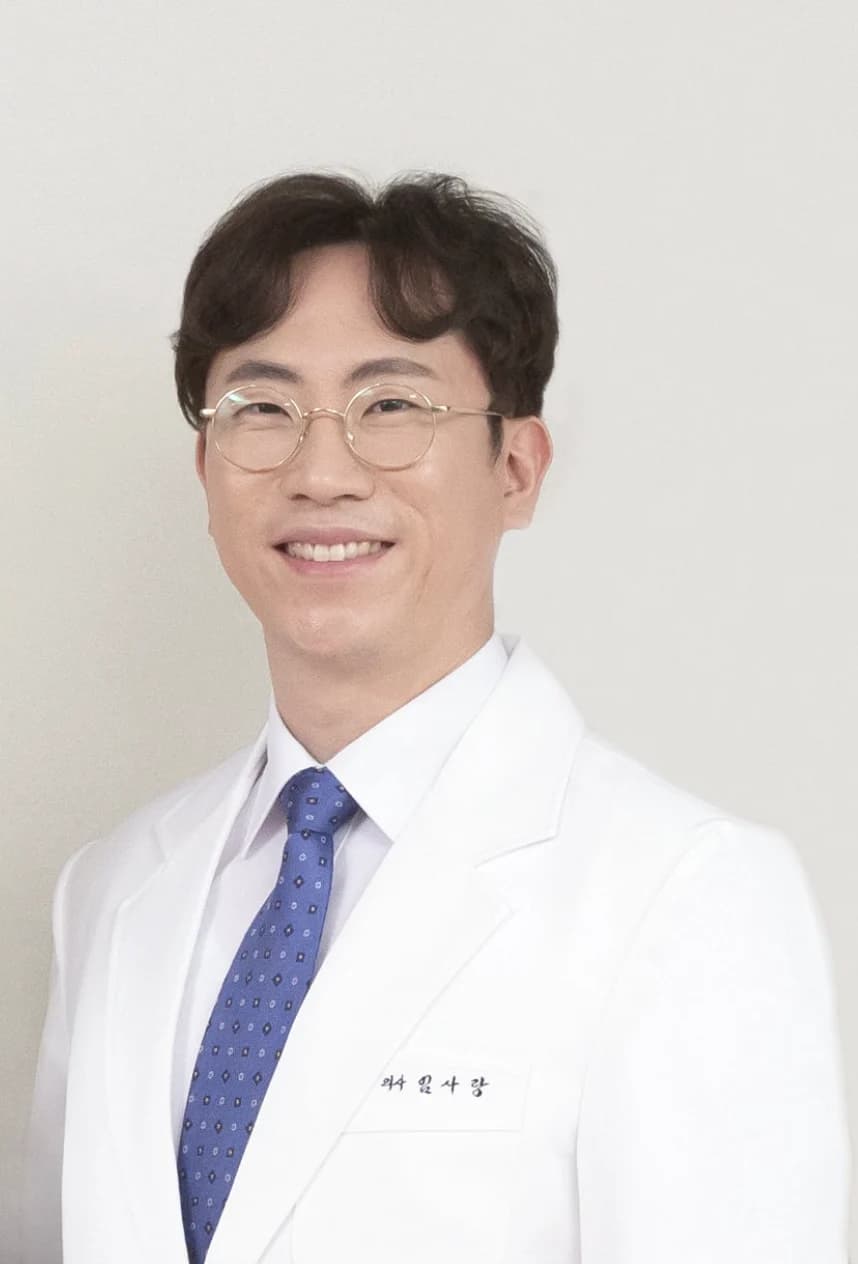 Dr. Sarang LimHead Doctor, Muse Clinic Myeongdong · 11 min readMedically reviewed by Sarang Lim, M.D., Head Doctor · Edited by: Sarang Lim, M.D.
In this article
If a year of snail mucin and centella hasn't touched the dents on your cheeks, is "acne scars Korean beauty" still a skincare question, or is it time to put a clinic session into your next trip to Seoul?
If you're fitting treatment around a long weekend or a school break, the timing section is what keeps you from booking a session your skin isn't ready for.
Which scars a serum can fade and which need a needle, how needle RF and subcision work, who should hold off, and how many visits a trip can realistically hold: those four answers decide whether you spend on a session or keep that money for skincare.
Hello, I'm Sarang Lim, M.D., Head Doctor at Muse Clinic Myeongdong.
We're a one-minute walk from Myeongdong Station Exit 5 and open on Saturdays and Sundays from 9 AM to 3 PM, which helps if you only have a weekend. Foreign patients pay the same price list as Korean locals, and a medical interpreter for your language is provided at no extra charge and stays with you from consultation through treatment.
The most common mix-up is treating a dent like a stain: brightening products fade the red and brown marks acne leaves behind, but they can't rebuild the collagen a depressed scar has lost.
Korean skincare can even out post-acne marks. Indented acne scars usually need in-clinic collagen stimulation, such as needle RF microneedling, sometimes combined with subcision for scars tethered from underneath, done as a series of sessions spaced weeks apart.
If you can't tell whether yours are marks or dents, take one photo of your cheek by a window with light coming from the side, and send it on WhatsApp with the question "mark or scar?"
Mark or scar: the difference that decides your plan
A flat red or purple spot where a pimple used to be is post-inflammatory erythema. A flat brown or gray-brown spot is post-inflammatory hyperpigmentation. Neither is a scar in the strict sense: the surface is level, and the color often fades over months, faster with daily sunscreen and steady skincare. DermNet notes that hyperpigmentation tends to be more common and longer-lasting in darker skin types.
A true acne scar changes the shape of the skin. Run a fingertip over it, or look at it with light coming from one side, and you'll see a dip or a bump. The American Academy of Dermatology explains that dermatologists choose scar treatment by the type of scar, and the shape is what steers that choice.
| Scar type | What you see | What usually helps |
|---|---|---|
| Rolling | Soft, wavy dips that look worse in side light | Subcision plus collagen stimulation |
| Boxcar | Round or oval dents with sharp edges | Needle RF or resurfacing, over several sessions |
| Icepick | Narrow, deep pinpoint holes | Targeted techniques; RF alone does less |
| Raised | Firm bumps, more common on the jaw, chest and back | A different approach; needling may aggravate keloids |
Most faces carry a mix. Someone might have rolling scars across the cheeks, a few boxcars at the temples, and brown marks over all of it. That mix is why one product or one device rarely covers everything.
What "acne scars Korean beauty" threads get right and wrong
Read enough forum posts and the same claims come back. Some hold up.
"Centella and snail mucin faded my scars." Often true for the marks. Soothing, barrier-repairing products, sunscreen and gentle exfoliation help red and brown marks fade. What they fade is color, not depth, so a person whose spots were mostly pigment will say their scars went away, and someone with boxcars won't see the same change.
"Korea has a laser that does it in one session." This one doesn't hold. New collagen takes weeks to form, and depressed scars are usually treated as a series. A single session in Seoul can be a start; it is rarely the finish.
"A glass skin facial smoothed my scars." Hydration plumps the surface for a few days, so texture can look softer in photos. It's worth booking for that glow, and I've written about what a Korean glass skin facial at a Seoul clinic involves, but the dents come back into view as the water settles.
"You can't have lasers with darker skin." Partly true. Heat-based treatments raise the chance of post-inflammatory hyperpigmentation in medium and darker skin, so the device, energy and spacing need more care. Needle RF delivers most of its energy beneath the surface, which is one reason it's often chosen for these skin types.
How needle RF and subcision work on a dent
A depressed scar sits where acne destroyed collagen and the skin healed with a thin, sometimes tethered floor. Treatment tries to do two things: free anything pulling the scar down, and get the skin to lay down new collagen underneath.
Needle RF handles the second job. Fine needles enter the dermis and release radiofrequency energy for an instant, so the surface takes less damage while the layer below is stimulated. On our menu, Venus Viva is a needle RF treatment for pores, texture and scarring, and Potenza uses microneedles to deliver RF into the dermis to soften enlarged pores and acne scars. New collagen builds gradually, which is why the change shows over weeks.
Subcision handles the first job. A needle is passed under the scar to break the fibrous bands anchoring it, so the dip can lift. Air Subcision is also on our acne and pore menu. Subcision suits rolling scars far better than icepicks, which are too narrow and deep for that release to matter much.
Here's the check I'd make first. If a dent softens when you stretch the skin between two fingers, that points to a rolling scar tethered underneath, and releasing that band matters more than adding energy. If it stays sharp-edged under stretch, it behaves like a boxcar, and repeated collagen stimulation does more of the work.
Two things stay fixed for me, whatever the scar. A structured consultation comes first, with an interpreter, and then I plan and perform the treatment one-to-one. And genuine products at the correct dosage come before anything else. With scars, steady stimulation over a series of visits tends to serve you better than pushing one session hard to squeeze everything into a short trip.
Who it suits, and when to wait
Needle RF and subcision suit adults whose acne is quiet and who have mostly rolling or boxcar scars. The timing matters as much as the method.
Active breakouts come first. Needling through inflamed spots can spread inflammation and leave new marks, so most doctors want the acne calm before scar work starts. If it isn't calm yet, getting it under control is step one; our menu includes acne medicine prescribed after a consultation with the director.
Hold off, or raise it at the consultation, if any of these apply:
- you're taking isotretinoin or finished it recently; many doctors still prefer a gap of several months before needling or laser
- you have a cold sore, infection or open wound in the area
- you're pregnant or breastfeeding
- you tend to form keloids
- you've had a peel, laser or a deep tan on your face in the past couple of weeks
Season counts too. Freshly treated skin plus strong sun raises the chance of brown marks, so if your trip falls in July and also involves a beach, do the beach first or give your skin a few weeks. Autumn and winter trips make sun protection afterward easier.
Say you have three days in Seoul
Say you're 27, teaching English in Busan, with rolling scars on both cheeks, a few icepicks near the nose, no new breakouts for six months, and a three-day weekend. I'd treat the rolling scars as the priority and think of this weekend as session one of a plan. Because you live in Korea, coming back about a month later by KTX is realistic, and repeat sessions are where scar work pays off. If you were flying in from Sydney for three days instead, I'd want you to know up front that one visit is a start, and to decide whether a return trip fits before you commit.
Send your trip dates on WhatsApp, along with when your last breakout was and whether you're taking, or recently stopped, any acne pills. Those three details show whether this trip should be a treatment trip or a planning trip.
Your days in Seoul around a session
After needle RF, skin is usually red and slightly swollen for a day or two, with tiny pinpoint marks that settle within a few days. Subcision can add bruising that takes about a week to fade. Book treatment early in your stay; the afternoon before a wedding or a photo shoot is the wrong slot.
A workable shape: book for your first or second day, keep that evening low-key, and save the jjimjilbang, saunas, hard workouts and heavy makeup for later in the trip. Use a gentle cleanser and a plain moisturizer, and wear sunscreen every time you step outside, even for a short walk around Myeongdong. Flying home a day or two later is generally fine; cabin air is dry, so moisturize on the plane.
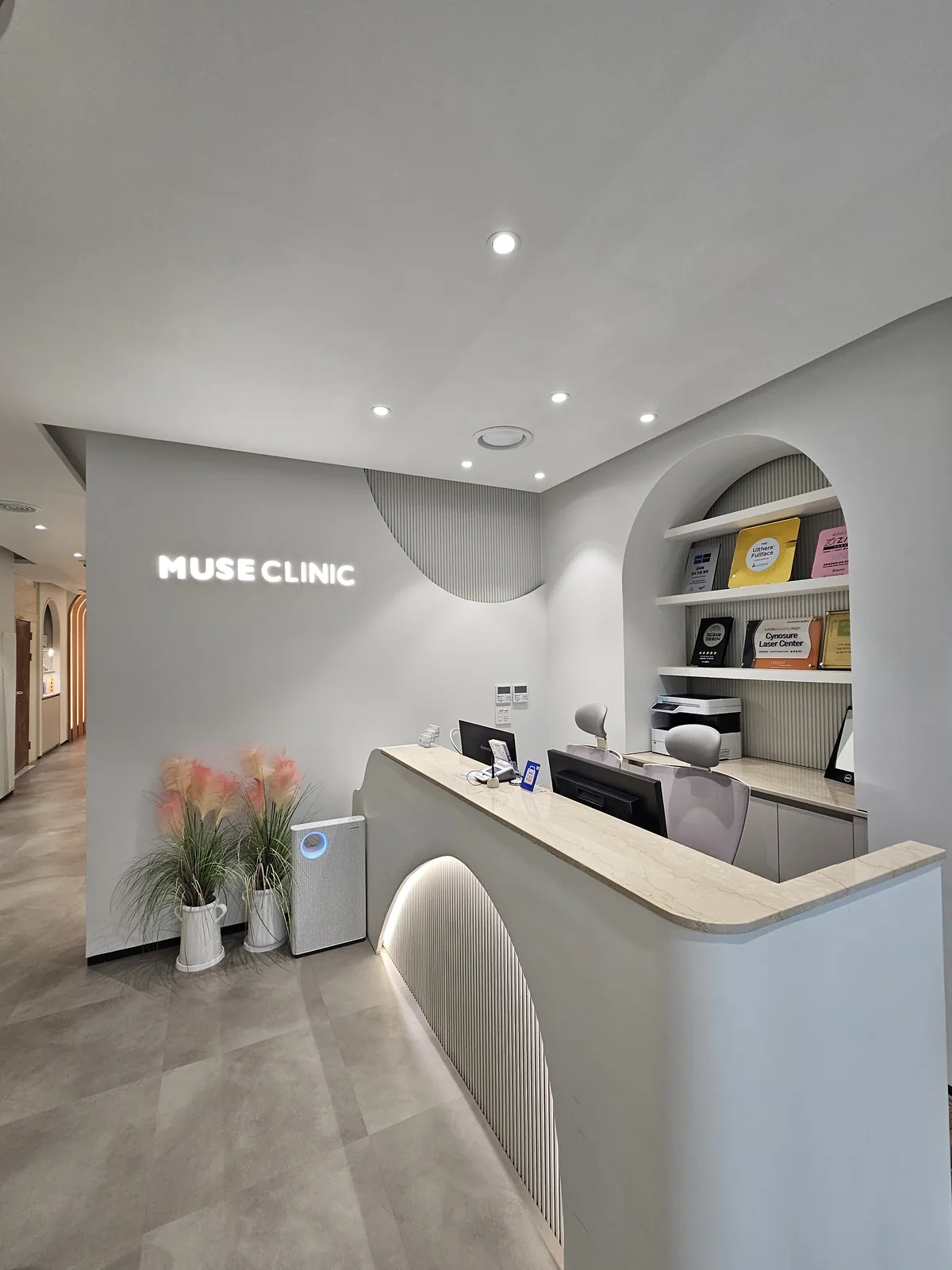
Our hours are 10 AM to 8 PM on weekdays and 9 AM to 3 PM on weekends. For Potenza, when numbing cream is needed, allow about an hour from preparation through aftercare. If you're combining scar work with other treatments on the same trip, the guide to what visitors book for skin care in Korea helps with sequencing, and if active acne is still the main issue, start with how Korean acne treatment works at a Seoul clinic.
What decides the cost for your scars
Five things move the figure: the scar type, since rolling scars often need subcision added to needle RF; how many areas, cheeks only or the full face; how many sessions the plan includes; which device suits your skin; and whether numbing is used. Every menu price is published on our treatments page, excluding 10% VAT, and foreign patients pay the same list as locals.
For your own scars, ask on WhatsApp what the plan would cost and how many visits it assumes. The deposit and how you pay are settled after the consultation, so you can raise both in the same message.
Risks and side effects, and what to do once you're home
Common, temporary reactions: redness, mild swelling, a sunburn-like warmth, and small scabs or grid-like marks that usually settle within a few days to a week. Bruising after subcision can last around a week.
Less common: brown post-inflammatory marks, more likely in medium and darker skin or with sun exposure; a short acne flare; cold sore reactivation if you're prone to them. Rare: infection, or new scarring, including keloids in people predisposed to them, as DermNet's overview of keloid and hypertrophic scars describes.
How much a scar softens, and for how long, differs between people: results vary by individual, and deep icepicks usually change less than rolling scars. Whether you're a candidate, and which combination fits, is confirmed at the consultation.
If something looks wrong after you fly home, such as spreading redness, pus, increasing pain, or dark patches that keep growing, see a dermatologist where you live promptly and bring the treatment name and date. Take a photo each day for the first week so you can show how it changed. If you'd like to ask us about it too, mention the treatment date and what you're seeing in your WhatsApp message.
Your first message can be a single side-lit photo of the scars and one question about your own skin, such as "can a weekend in Seoul start this, and when would I need to come back?" At the consultation, the first thing I'd look at is how your scars behave under stretch and side light, because that shows whether release, collagen stimulation, or both should lead your plan.
Questions people ask
Before you message us
Can I start scar treatment if I still get a pimple now and then?
An occasional small pimple is different from active acne. Many doctors will work around a single spot but postpone if several inflamed lesions sit in the treatment area, since needling through them can spread inflammation. If breakouts are frequent, bringing them under control first, with prescription treatment if needed, usually gives the scar sessions that follow a cleaner start.
How long should I wait after isotretinoin before needling?
Traditional advice was about six months after the last dose before needling or laser. Some newer studies suggest lighter procedures may be fine sooner, but practice still differs between doctors. Tell the doctor exactly when you stopped and what dose you took, and expect a conservative answer if your course ended only weeks before the trip.
Can I wear makeup to go sightseeing the day after needle RF?
Most doctors suggest skipping makeup for about a day so the tiny channels in the skin can close; a mineral sunscreen is usually fine. If you have photos planned, put them at the end of the trip. Redness on day two often looks like a mild flush that a hat and sunscreen handle better than foundation.
What's the difference between Venus Viva and Potenza?
Both are on our menu, and both deliver radiofrequency energy through microneedles to stimulate the dermis. Which one fits is chosen for your scar depth, skin type and how much recovery time your trip allows, so it's best decided at the consultation once your skin has been seen. You don't need to pick a device before you write.
Will K-beauty skincare still help after treatment?
Yes, for the parts it's good at. Once the skin has closed over, usually after a few days, barrier-repairing moisturizers, centella-based soothers and daily sunscreen support healing and help keep post-inflammatory marks from settling in. Hold off on strong acids, retinoids and scrubs for about a week, or as the doctor advises, since freshly treated skin irritates easily.
Results and maintenance period vary by individual. Every procedure carries the possibility of side effects, which are explained before you agree to treatment. Prices exclude 10% VAT and event prices may change. This article is general information from the clinic and is not a diagnosis; suitability is decided at the consultation.
Written by
Dr. Sarang Lim
Head Doctor · Muse Clinic Myeongdong
- Education & training
- Graduated, Inje University College of Medicine · Residency training, Paik Medical Center (Inje University) · Sungkyunkwan University Graduate School, Master's degree · Indiana University Kelley School of Business
- Advisory & certification
- Cynosure — Certified laser center · Juvéderm — Advisory doctor · QT Fill — Advisory doctor · Olidia — Advisory doctor · Galderma Sculptra — Advisory doctor · Merz — Advisory doctor · Jeisys — Advisory doctor · NOVA Thread — Advisory doctor
- Academic societies (full member)
- Korean Academy of Aesthetic Plastic & Laser Medicine · Korean Society of Aesthetic Surgery · Korean Society of Obesity Research Medicine · Korean Society of Obesity & Aesthetic Medicine · Korean Society of Anti-Aging Medicine