Acne, Scars & Pores
Korean Pore Treatment: What Fits You? Cost, Reviews, Methods
Korean pore treatment works on collagen and oil around the pore. Compare methods, review claims and cost factors, then send a cheek photo on WhatsApp.
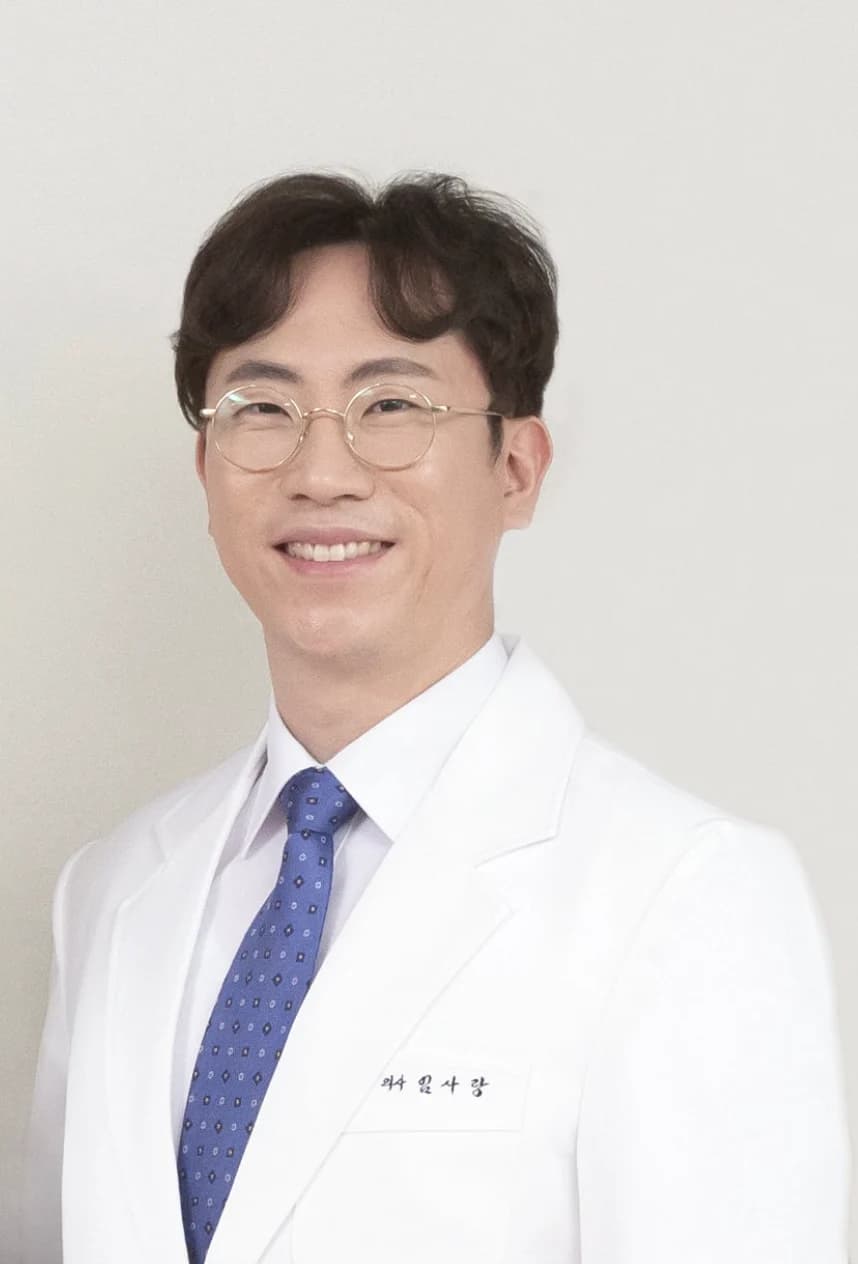 Dr. Sarang LimHead Doctor, Muse Clinic Myeongdong · 11 min readMedically reviewed by Sarang Lim, M.D., Head Doctor · Edited by: Sarang Lim, M.D.
In this article
- 01What is a Korean pore treatment, exactly?
- 02Why do your pores look large?
- 03The methods, name by name
- 04Which method suits which pores?
- 05What pore treatment reviews get right and wrong
- 06Can a pore minimizer or cleansing foam do the same job?
- 07Risks, who should wait, and what to do after you fly home
- 08What decides the cost?
- 09How should you plan your Seoul days around it?
Is a Korean pore treatment going to change anything for pores that have already outlasted every serum on your shelf?
Read this before you give a session a place in your Seoul trip.
Hello, I'm Sarang Lim, M.D., Head Doctor.
You'll know what the methods on a Korean clinic menu mean, what reviews get right and wrong, what decides the cost, and who each method suits, so you can choose for your skin and your budget.
Hello, I'm Dr. Sarang Lim, Head Doctor at Muse Clinic Myeongdong.
We're a one-minute walk from Myeongdong Station Exit 5. An English interpreter stays with you from consultation through treatment, and foreign patients pay the same listed prices as Korean patients.
I'm writing this because device names get most of the attention online, when the first question should be why your pores look large at all.
A Korean pore treatment is an in-clinic procedure that works on the collagen, oil or scarring around the pore. It can make pores look smaller, though it can't erase them.
If you can't tell what's behind yours, send one daylight photo of your cheek on WhatsApp and ask which method you should read about first.
What is a Korean pore treatment, exactly?
The phrase covers a group of procedures, and no single technique carries that name. Korean skin clinics usually list them by device or product name, which is why a menu can read like a parts catalog to a first-time visitor.
A pore is the opening of a hair follicle and its oil gland. Every one you can see has a job, so nothing closes it for good. What a clinic can change is the skin around the opening: how firm the wall is, how much oil stretches it, and whether a scar is pulling it out of shape.
This is also the answer to people searching for pore surgery in Korea. These are skin-clinic procedures done with needles, energy devices or injections. Nobody is cutting pores out, and I don't offer surgery here.
Why do your pores look large?
Oil comes first for many people. Pores on the nose and inner cheeks often look round and open, and they fill up by midday. A plug of oil and dead skin stretches the opening and darkens at the surface, which reads as a bigger hole than the one underneath.
Lost firmness is the second cause. Sun exposure and age thin out the collagen that holds a pore's shape, so cheek pores slowly turn from dots into ovals or teardrops. Acne scarring is the third: the opening looks wide because a scar below is tugging on it.
You can get a rough read in a mirror. Stand by a window and gently lift your cheek skin toward your ear. If the ovals shrink, loss of firmness is probably part of it. If nothing changes but your nose looks shiny and congested, oil is the likelier driver. It's a rough guide and no substitute for an exam, but it will make your first conversation with any doctor more useful.
The methods, name by name
Here are the names you're most likely to meet on our menu, with what each one does.
Potenza
Potenza is RF microneedling: fine needles enter the skin and radiofrequency energy adds heat at depth. The American Academy of Dermatology explains that the needle punctures prompt the body to make collagen, which is why microneedling is also called collagen induction therapy. That makes it a reasonable conversation for stretched cheek pores and for texture left by old acne.
XERF
XERF is a monopolar RF treatment that carries heat deep into the skin, using two frequencies to reach from the shallow layers through to the deeper ones. There are no needles in the description. It suits people who want collagen renewal, softer fine lines and tighter-looking pores, and the recommended rhythm is two or more sessions, every six months.
Pore Injection
Our Pore Injection combines pore tightening with PDRN for cell regeneration. It goes into the skin by needle, so you're choosing a different route from an energy device. Before any injection, ask exactly which product is going in and how much. Genuine product and correct dosage are the first thing I hold myself to.
Others on the Acne/Pore menu
The same menu lists Venus Viva, Pico Focus, Capri laser and Scaling Skin. If you're weighing a laser route, our guide to choosing a Korean laser skin treatment goes further. If pimples are still forming, read how a Seoul clinic approaches Korean acne treatment first, because new breakouts keep producing new marks.
Which method suits which pores?
In short, this is how I'd sort the conversation as a starting point. Your exam can change it.
| What you see | Likely driver | Where to start asking |
|---|---|---|
| Round, open pores that get oily by midday | Oil and plugs | Scaling Skin, an acne plan if breakouts are active |
| Oval or teardrop pores on the cheeks | Lost firmness | XERF, Potenza |
| Wide, uneven pores beside old acne marks | Scarring | Potenza |
| Fine, dull texture with mild enlargement | Early collagen loss | Pore Injection |
Say you're 33, with round pores on your nose that fill up by noon, oval ones on your cheeks, and five days in Seoul. I'd treat those as two separate problems. The cheeks could respond to collagen work, while the nose is mostly about oil, so no energy device will end the shine. I'd also want your expectations set before anything starts: you'd fly home with a first step, and any firmer look would still be building months later.
The pore type I'm most careful about is the round, oily one on someone who has come for a lifting device. I'd rather tell you that heat won't switch off an oil gland than sell you a session you'll be disappointed by. If your skin is flaring, I'd put the pores second and calm the acne first.
What pore treatment reviews get right and wrong
A few claims turn up again and again in public threads. Here's how each holds up medically.
"One session closed my pores." No. Pores don't close, and a tight, plump look in the first days after treatment often includes swelling. Collagen forms slowly. The AAD says that with microneedling, improvement may show within a few weeks but full results usually take several months.
"My pores came back." This one is plausible. Oil production, sun exposure and aging all carry on after treatment, so upkeep is part of the deal. Our guide to how skin changes show up over time after glass skin treatment covers a related question on timing.
"Foreigners get charged more in Korea." I can only speak for this clinic. Our full price list is published on the website, and foreign visitors pay the same listed prices as Korean patients.
Can a pore minimizer or cleansing foam do the same job?
Put simply, they do a different job. A Korean pore minimizer or primer mostly blurs the surface for the day, and a pore cleanser or cleansing foam lifts oil from it. Used well, these can make pores look tidier, which is useful if oil is your main driver.
What they can't do is rebuild collagen deep in the skin. So if lifting your cheek in the mirror changed what you saw, a new product is unlikely to change it for you. Keep whichever product you like, and bring its name to your consultation, since some active ingredients matter around treatment.
Risks, who should wait, and what to do after you fly home
Risks and side effects to know
Redness, swelling and mild discomfort can occur after XERF and are temporary. The AAD describes similar reactions after microneedling, including a sunburn-like feeling, typically settling within a few days to a week. Bleeding points and small bruises can also follow needle work. Results vary from person to person, and so does how long they last.
Darker skin needs one extra conversation. DermNet notes that postinflammatory hyperpigmentation is more common in darker-skinned people, tends to last longer, and that laser treatments and peels can worsen it by injuring the skin. The AAD also notes that studies of RF microneedling included few people with darker skin, so say so if this applies to you. For more on injected treatments, see our notes on glass skin treatment side effects.
The AAD advises waiting on microneedling if you have a recent tan or sunburn, an active skin infection, or painful or pus-filled pimples, and waiting at least one month after your last isotretinoin pill. It also lists people who heal poorly, have a history of keloids, have a weakened immune system, or are receiving skin cancer or radiation treatment in the area. As general medicine, pregnancy and breastfeeding are a reason to postpone elective procedures. PDRN is commonly derived from salmon, so mention any fish allergy before an injection.
If you get spreading redness, pain that worsens, pus, or a fever after you're home, see a local doctor promptly. The CDC's medical tourism guidance is to confirm before you leave home that you can get follow-up care there, and to take copies of your records before returning, so ask for a note of what was done and which product was used.
Before you decide, send a list of your current medications and any procedures from the past few months on WhatsApp, and ask whether any of them changes your timing.
What decides the cost?
I can't give you a useful figure without knowing your plan, because a few things move it:
- The method. RF microneedling, monopolar RF and an injection are priced separately.
- The option. Some treatments are sold by plan. XERF, for one, has a one-time trial option and larger shot plans.
- The area. Cheeks alone and a full face are different amounts of work.
- The number of sessions. A plan that needs a return visit means a second trip to Seoul to budget for.
- VAT. Listed prices exclude 10% VAT, so add it when you do your sums.
Every treatment and option is on our website's price list. To get the figure for your own case, ask on WhatsApp what it would cost for the area you want treated, and mention the method you're leaning toward.
How should you plan your Seoul days around it?
Put the appointment early in your trip. Since common reactions can take up to a week to settle, an early slot gives you time to see how your skin behaves before the flight, and to be in the city if something concerns you. We're open Monday to Friday from 10:00 AM to 8:00 PM, and Saturday and Sunday from 9:00 AM to 3:00 PM, so a weekday evening or weekend morning can work around your plans.
Then protect the rest of your itinerary. After XERF, avoid heavy drinking, intense exercise and hot baths or saunas for about a week, which rules out a jjimjilbang visit that week. Wash with cool or lukewarm water and a gentle cleanser. After microneedling, the AAD advises waiting 24 hours before applying makeup. Seoul sightseeing means hours outdoors, and DermNet recommends a broad-spectrum sunscreen of SPF 50+ daily to help prevent darkening.
Don't judge the result on the flight home. Collagen builds gradually, so your cheeks at week one tell you little about month three.
Your first message can be small: one photo in daylight and one question, sent on WhatsApp before you've booked anything. When you come in, a structured consultation with an interpreter comes first, and then I plan and perform your treatment one-to-one, choosing what fits your pores.
Questions people ask
Before you message us
Is there such a thing as Korean pore surgery?
Not in the way the phrase suggests. What people usually mean by pore surgery in Korea is a skin-clinic procedure using needles, energy devices or injections. A pore is the opening of a follicle and oil gland, so it isn't something to cut out. We don't offer surgery at Muse Clinic Myeongdong. The options on our menu work on the skin around the pore.
How many sessions of pore treatment in Korea will I need?
That differs by method and skin. For XERF, the recommended rhythm is two or more sessions, every six months, with the interval varying by skin type. Microneedling is often planned as a series, and the AAD notes some people need several treatments. If you can only visit once, ask what one session can reasonably do for your type of pore.
How long until I can see a change?
Swelling can make skin look tighter at first, so early days can mislead you. For microneedling, the American Academy of Dermatology says improvement may show within a few weeks, while full results usually take several months because collagen builds gradually. Plan to judge your skin well after you're home, in the same window light as your first photo.
Can I get a pore treatment in Seoul on a weekend?
Yes, we're open on Saturday and Sunday from 9:00 AM to 3:00 PM, and Monday to Friday from 10:00 AM to 8:00 PM. The clinic is on the third floor of Korea Daeyungak Tower, a one-minute walk from Myeongdong Station Exit 5. Pick an early day in your trip so reactions have time to settle before you fly.
Will someone explain everything in English?
English, Japanese and Chinese interpreters are in the clinic, and other languages can be arranged on request. Someone stays with you from consultation through treatment. It helps to write down your questions, your medications and any past reactions beforehand, so nothing gets missed when you're discussing which method to choose.
Results and maintenance period vary by individual. Every procedure carries the possibility of side effects, which are explained before you agree to treatment. Prices exclude 10% VAT and event prices may change. This article is general information from the clinic and is not a diagnosis; suitability is decided at the consultation.
Written by
Dr. Sarang Lim
Head Doctor · Muse Clinic Myeongdong
- Education & training
- Graduated, Inje University College of Medicine · Residency training, Paik Medical Center (Inje University) · Sungkyunkwan University Graduate School, Master's degree · Indiana University Kelley School of Business
- Advisory & certification
- Cynosure — Certified laser center · Juvéderm — Advisory doctor · QT Fill — Advisory doctor · Olidia — Advisory doctor · Galderma Sculptra — Advisory doctor · Merz — Advisory doctor · Jeisys — Advisory doctor · NOVA Thread — Advisory doctor
- Academic societies (full member)
- Korean Academy of Aesthetic Plastic & Laser Medicine · Korean Society of Aesthetic Surgery · Korean Society of Obesity Research Medicine · Korean Society of Obesity & Aesthetic Medicine · Korean Society of Anti-Aging Medicine