Acne, Scars & Pores
Korean Vaccine Scar: Can It Vanish? Cost, Reviews, Methods
A Korean vaccine scar can usually be softened, rarely erased, and a raised one needs other care. See methods and cost factors, then send a WhatsApp photo.
 Dr. Sarang LimHead Doctor, Muse Clinic Myeongdong · 10 min readMedically reviewed by Sarang Lim, M.D., Head Doctor · Edited by: Sarang Lim, M.D.
In this article
- 01Can a Korean vaccine scar be erased?
- 02Which type of scar do you have?
- 03Methods: what fits each scar on our menu
- 04What do reviews get right about scar treatment?
- 05A worked example: a shallow dent and five days in Seoul
- 06Risks and side effects to know
- 07What decides the cost of treating a vaccine scar?
- 08What happens when you come to Myeongdong?
Worried that a Korean vaccine scar on your upper arm will look worse if you try to treat it?
Read this before you book anything for it.
Hello, I'm Sarang Lim, M.D., Head Doctor.
You'll know which methods fit which scar, what decides the cost, and which review claims hold up. That makes it easier to choose an approach that suits your arm and your budget.
Here, an interpreter stays with you from consultation through treatment, I plan and perform the treatment one-to-one, and foreign patients pay the same prices as Korean locals.
I'm writing this because the search often starts with one belief: a laser will wipe the mark off. That belief is what sets people up for disappointment.
A vaccine scar can usually be softened in color, height or texture, but it rarely disappears. What can change comes down to whether yours is sunken, raised or simply paler than the skin around it.
If you can't tell which one you have, take one daylight photo of your arm, send it on WhatsApp, and ask which of those three it looks like.
Can a Korean vaccine scar be erased?
Usually not. Most people searching this mean the round mark on the upper arm from a childhood BCG tuberculosis shot, and older adults may carry a smallpox vaccination mark in a similar spot.
An injected shot typically leaves one round dent or raised patch. A multi-puncture stamp leaves a small grid of dots. Both are real scars, which means the skin healed by laying down scar collagen in place of the original structure. It doesn't grow back the same fine pattern, and it may hold pigment differently.
Think of a patched road. You can level the patch and bring its color closer to the road around it, yet the patch is still there. Scar treatment works on the same terms: it remodels what's present, and it can't rebuild the skin you had as a baby. After decades, the scar is also stable, so it won't keep fading on its own the way a recent wound can.
That doesn't make treatment pointless. A shallow dent that catches less shadow, or a brown ring that blends better, can stop people from noticing the mark in a sleeveless top. I'd judge success by that standard.
Which type of scar do you have?
The type is the first thing to sort out, because the right method for one type can be the wrong one for another. Look at the scar in side light and run a finger over it.
| Scar type | How it looks and feels | Where the thinking starts |
|---|---|---|
| Sunken (atrophic) | A shallow dent or a grid of small pits | Texture methods such as needle RF or subcision |
| Raised (hypertrophic) | Thick and firm, stays inside the original mark | Flattening first, with a dermatologist's plan |
| Keloid | Grows past the original edge, may itch | Needles and cutting need extra caution |
| Flat, brown | Level with the skin, darker than it | Pigment methods such as laser toning |
| Flat, pale | Level with the skin, lighter than it | Often the slowest to change |
The keloid row deserves a closer look. DermNet lists immunisation among the triggers for keloids, notes that the shoulders and upper chest are prone sites, and says keloids occur more often in Fitzpatrick skin types III to VI. A hypertrophic scar stays within the wound and is more likely to settle over time. A keloid spreads beyond it and tends to persist.
Methods: what fits each scar on our menu
The methods below are what I'd think through for a sunken or discolored scar. Each one has limits on an upper arm.
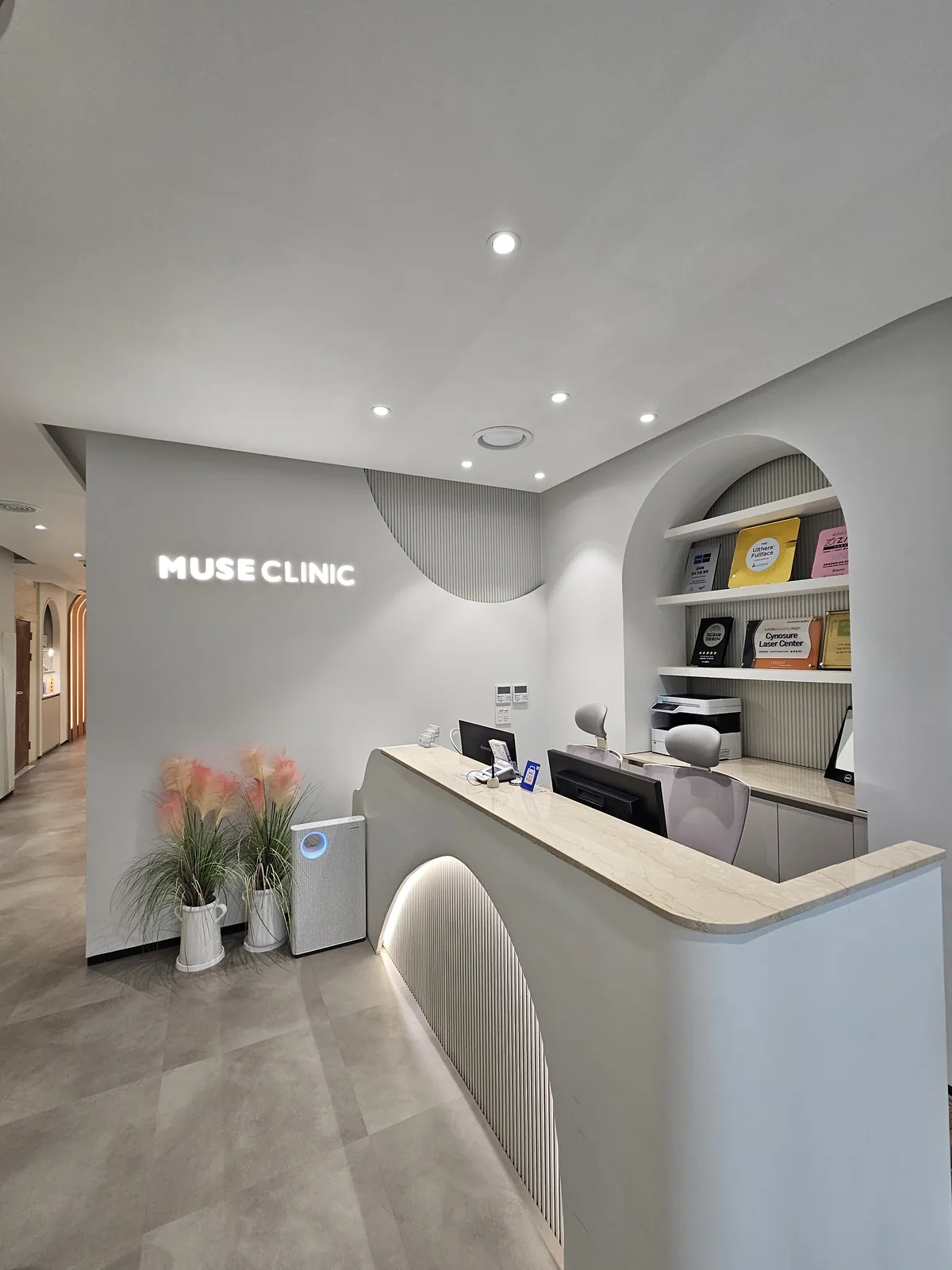
Venus Viva. Our menu describes it as needle RF to improve pores, skin texture and scarring. Tiny pins deliver radiofrequency energy into the skin, so the aim is gradual remodeling under a dent.
Potenza. Microneedles reach the dermis and release radiofrequency energy in short bursts, which spares the surface. Our menu lists it for wide pores and acne scars. A vaccine scar isn't named there, so ask about it directly. The American Academy of Dermatology lists radiofrequency microneedling among options for depressed acne scars, and that evidence comes from a different scar on a different body site.
Air Subcision. This is also on our menu. In general terms, subcision aims to loosen the fibers that tether a dent to the tissue beneath it. It makes the most sense when the scar is pinned down.
Laser Toning. Our menu lists it for pigmentation, freckles, blemishes and scar. Toning works on pigment, so a brown ring is the logical target. It doesn't add color to a pale mark and won't fill a dent.
If your concern extends past the arm to acne marks on your face, our guide to Korean acne treatment at a Seoul clinic covers that separately. Facials are another category again. Whether you're comparing a clinic facial with a spa facial or reading about a Korean glow facial, those aim at the overall skin surface, and I wouldn't expect them to change a scar's shape.
When a scar is pale and flat, I'd rather tell you that plainly than sell you a series. There's little to level and no excess pigment to target, so the gain may be too small for the effort of a trip. My first motto is genuine product, correct dosage and transparent treatment, and that includes saying where treatment has little to offer.
What do reviews get right about scar treatment?
Review threads on scar removal in Korea tend to repeat three claims. Here's how they hold up medically, as general claims and not as a comment on any clinic.
'Three sessions and it was gone.' Treat this one with suspicion. Scar work generally aims at improvement, and photos online rarely show the angle or lighting that makes a dent visible.
'Laser made mine darker.' This can be true. Inflammation from any energy treatment can leave a temporary dark patch, and the American Academy of Dermatology names long-lasting discoloration among the possible side effects of microneedling, especially when it isn't done by a dermatologist. A recent tan raises the stakes, which is why treatment is usually delayed.
'Mine got bigger after they cut it out.' With keloids, this is a real concern. DermNet warns that excising a keloid may produce a new one even larger than the original.
A worked example: a shallow dent and five days in Seoul
Say you're in your thirties, the mark is a round dent about the width of a pencil, level at the edges, and slightly lighter than your arm. You've never had a scar grow past its edges. You have five days in Seoul and you've read that one session fixes it.
I'd split that scar into two problems. The dent is the part that needle RF or subcision can try to address. The lighter color is the part that's slow to change, so even a good texture response may leave a pale circle. I'd want you to hear that first, then decide whether a flatter but still pale mark is worth the trip.
Five days also means one session in most plans, because the skin needs time to respond between treatments. If you live abroad, ask whether a single session is worth it for your scar.
Risks and side effects to know
After needle-based treatment, redness, darker patches, a sunburn-like feeling and swelling usually settle within a few days to a week, according to the AAD. Less often, infection, more scarring or lasting discoloration can follow. Results vary from person to person, including how much a scar responds and how long the change lasts.
It's generally wise to wait or skip treatment in these situations:
- A keloid, or any past scar that grew beyond its edges (the AAD lists keloids as a reason to avoid microneedling, and I'd apply the same caution to needle RF)
- A weakened immune system, or skin cancer in the treatment area
- A recent tan or sunburn, or an infection at the site
- Pregnancy or breastfeeding, as a general precaution
A thick, itchy or spreading scar usually needs a different plan: silicone dressings, steroid injections or other options that a dermatologist weighs up. DermNet describes dressings worn 12 to 24 hours a day for at least 8 to 12 weeks, so this is a slow process. It's a good first conversation with a dermatologist near home.
Once you're home, watch for redness that spreads, pus, fever, or a scar that starts to thicken in the following weeks. See a local doctor promptly for any of these, and bring the name of the treatment you had and the date.
The safety question gets easier to ask once the facts are in one message. Send your medication list, note any isotretinoin use, and ask whether a scar that once grew past its edges changes which method you should consider.
What decides the cost of treating a vaccine scar?
Five things move the cost for a single arm mark:
- Method. Needle RF, subcision and toning are separate menu items with separate options.
- Size and number. One small round mark is a different job from several marks on both arms.
- Sessions. One session on a short trip and a planned series are different commitments.
- Numbing. Ask whether it's included for the option you're considering.
- Your trip. Extra days in Seoul and any return visit belong in your own total.
On our side, foreign patients pay the same prices as Korean locals, and the full price list is published on our site, excluding VAT. That lets you compare options line by line before you travel. For your own case, ask on WhatsApp what it would cost, and include a photo with a coin beside the scar so its size is clear.
What happens when you come to Myeongdong?
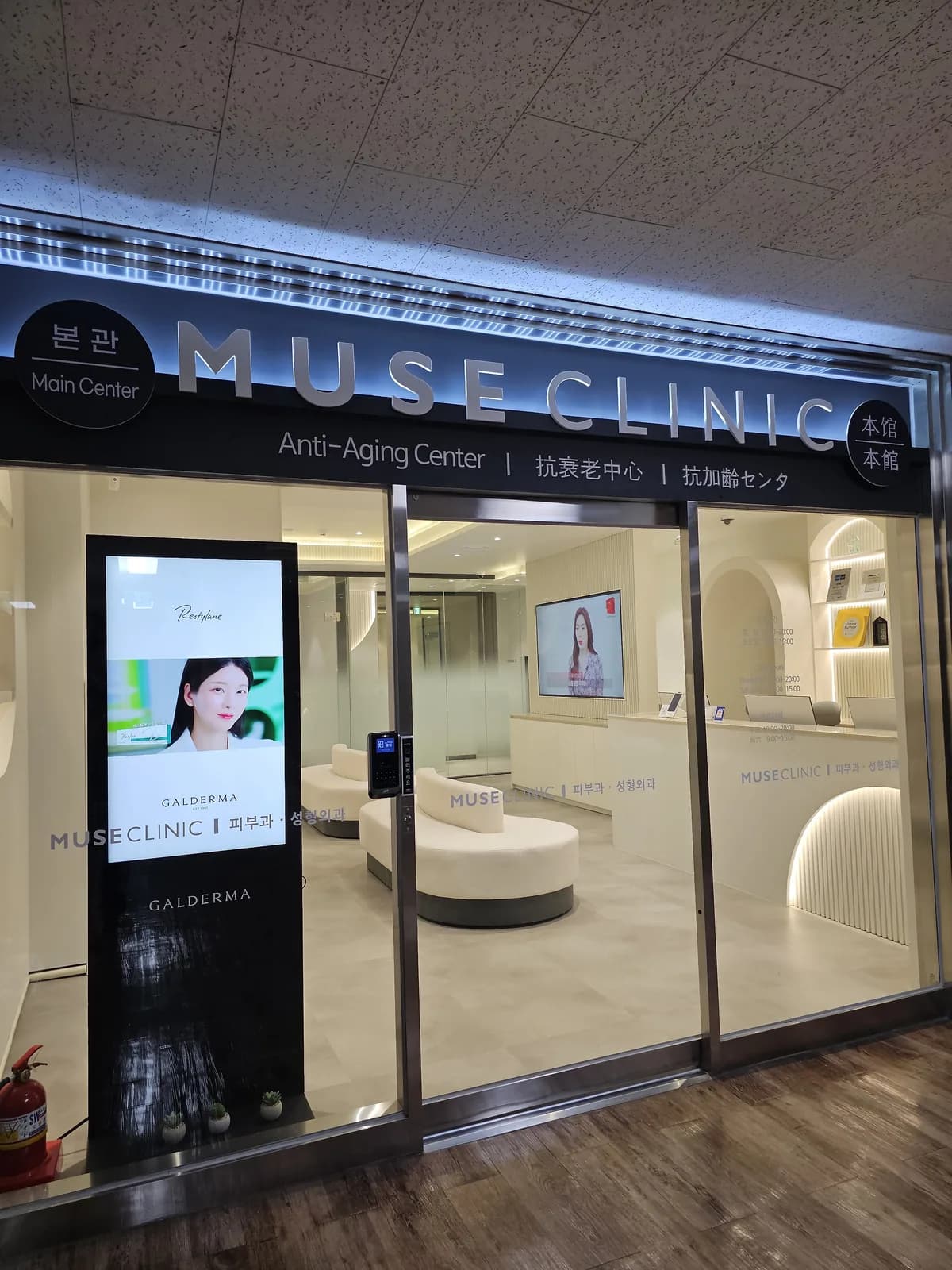
We're on the 3rd floor of Korea Daeyungak Tower, a 1-minute walk from Myeongdong Station Exit 5. Hours are Monday to Friday 10:00 AM to 8:00 PM, and Saturday and Sunday 9:00 AM to 3:00 PM, which helps if you're only here for a weekend.
A structured consultation comes first, with an interpreter beside you, then I plan and perform the treatment one-to-one. English, Japanese and Chinese interpreters are in the clinic. If you're still comparing places, our guide to Korean aesthetic clinics for foreigners lists things to look at.
One photo is enough for a first message on WhatsApp, and you can ask before booking anything. Send the daylight shot of your arm with your one question, such as whether a Korean vaccine scar like yours is worth treating on a short trip. When you come, I'll examine the scar, recommend what fits, and go through the details with you at the consultation.
Questions people ask
Before you message us
Does treating the mark affect the protection from my childhood vaccine?
A scar is a by-product of how the skin healed after the shot. Texture and pigment treatments work on the skin at the site and aren't aimed at your immune system. If you need proof of vaccination for work or travel, rely on your records instead of the mark, and raise any immune condition with your own doctor first.
How many sessions does a vaccine scar usually need?
There's no standard count for this scar, since most published guidance is about acne scars. Those plans often run as a series spaced weeks apart. A shallow scar may be approached differently from a deep or tethered one, and a single session on a short trip may give only a partial change. Ask about session count at consultation.
My BCG scar is raised and itchy. Can I still have laser treatment?
An itchy mark that has grown past its original edge may be a keloid, and that changes the plan. Needle-based treatment is generally avoided on keloids, and cutting one out can trigger a larger one. See a dermatologist for assessment before you book a scar treatment, and mention any other scars that have behaved the same way.
Can a scar from a multi-puncture stamp be treated like a single dent?
The reasoning is similar, but the shape differs. A stamp leaves several small pits close together, so the work covers a small patch instead of one round mark. The skin between the pits also matters, because it may be normal. It helps to photograph the area in side light so the pits show clearly.
When is the right time to treat a vaccine scar in a child or teenager?
Young scars can keep changing, and raised ones may settle over time, so I wouldn't rush into energy treatment for a healthy child. Have a pediatrician or dermatologist look at any scar that is growing, painful or itchy. For a flat or sunken mark, waiting until the scar is stable and the person can decide for themselves is a sensible default.
Results and maintenance period vary by individual. Every procedure carries the possibility of side effects, which are explained before you agree to treatment. Prices exclude 10% VAT and event prices may change. This article is general information from the clinic and is not a diagnosis; suitability is decided at the consultation.
Written by
Dr. Sarang Lim
Head Doctor · Muse Clinic Myeongdong
- Education & training
- Graduated, Inje University College of Medicine · Residency training, Paik Medical Center (Inje University) · Sungkyunkwan University Graduate School, Master's degree · Indiana University Kelley School of Business
- Advisory & certification
- Cynosure — Certified laser center · Juvéderm — Advisory doctor · QT Fill — Advisory doctor · Olidia — Advisory doctor · Galderma Sculptra — Advisory doctor · Merz — Advisory doctor · Jeisys — Advisory doctor · NOVA Thread — Advisory doctor
- Academic societies (full member)
- Korean Academy of Aesthetic Plastic & Laser Medicine · Korean Society of Aesthetic Surgery · Korean Society of Obesity Research Medicine · Korean Society of Obesity & Aesthetic Medicine · Korean Society of Anti-Aging Medicine