Acne, Scars & Pores
Korean Cystic Acne Treatment Enough? Cost, Reviews, Methods Guide
Korean cystic acne treatment in Seoul can calm cysts, but deep cystic acne usually needs months of medicine. What a trip can do, the risks, and when to…
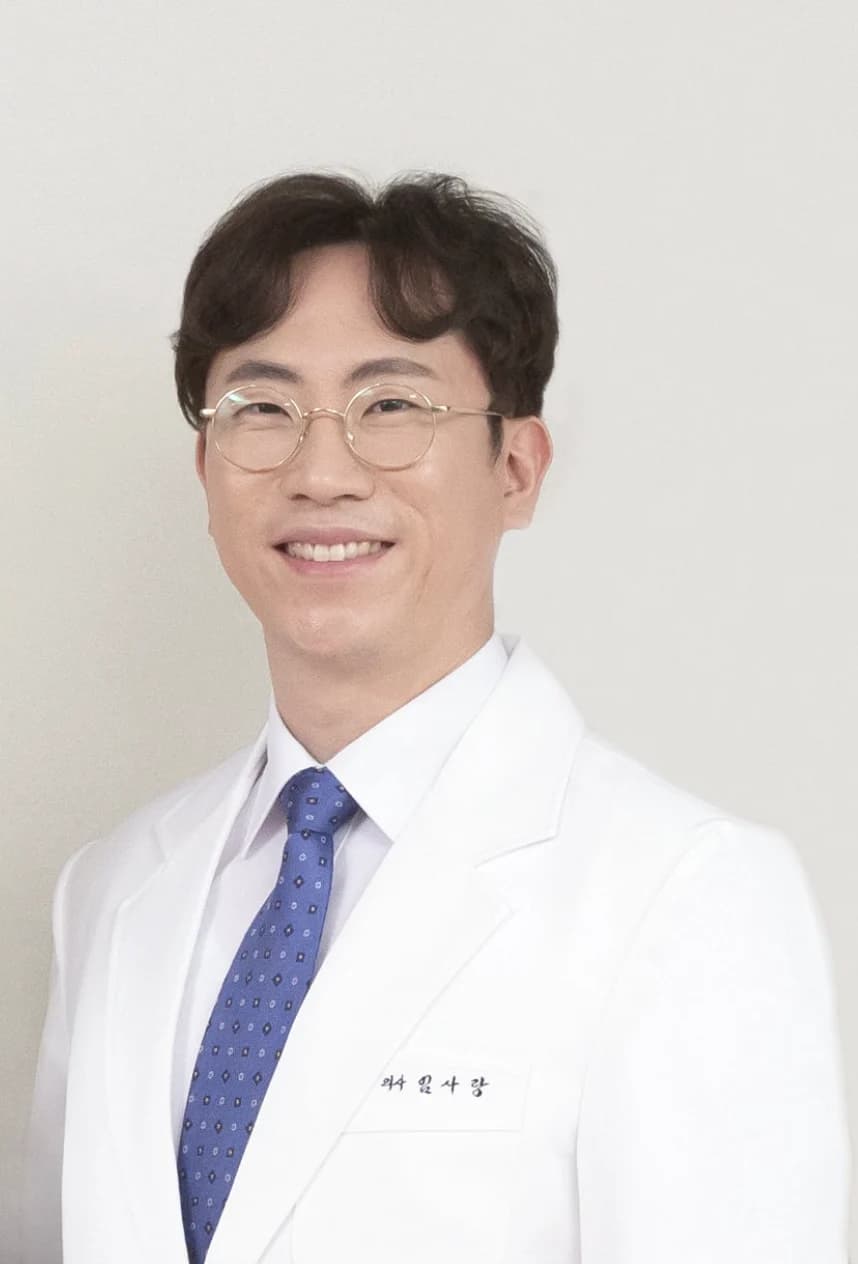 Dr. Sarang LimHead Doctor, Muse Clinic Myeongdong · Updated · 11 min readMedically reviewed by Sarang Lim, M.D., Head Doctor · Edited by: Sarang Lim, M.D.
In this article
- 01What can Korean cystic acne treatment at a clinic actually do?
- 02Is Korean skincare enough for cystic acne?
- 03When I'd tell you to wait
- 04What decides the cost of Korean cystic acne treatment?
- 05Risks and side effects to know
- 06How should a trip fit around months of acne medicine?
- 07What does the visit itself look like?
Is Korean cystic acne treatment worth a flight when the cysts along your jaw keep coming back?
Read on before you book anything, because the answer depends on what happens after you fly home.
After this post you will know what a clinic visit can and cannot do, what it may cost you in risks and in decisions, and how a trip fits around months of medicine.
Hello, I'm Sarang Lim, M.D., Head Doctor at Muse Clinic Myeongdong.
We are a dermatology and aesthetic medicine clinic, a 1-minute walk from Myeongdong Station Exit 5, and we are open on weekends from 9:00 to 15:00.
I write this because many people assume one treatment day can clear deep cysts, and it usually cannot.
A Seoul visit can calm inflamed skin and work on the marks cysts leave, but the deep cysts themselves are usually controlled by medicine taken over months.
What can Korean cystic acne treatment at a clinic actually do?
A cyst is inflammation sitting deep in the skin around a blocked follicle, usually below the depth a peel or a cleansing treatment works at. Procedures act on the surface and the upper layers: they clear congestion, quiet redness and, later on, remodel scars. What keeps producing new cysts is a separate problem, and for most people it is managed with medicine.
The American Academy of Dermatology lists the main medical options for acne with deep nodules and cysts as antibiotics taken by mouth, hormonal therapy for some women, and isotretinoin. It also describes in-office procedures such as draining a large cyst or injecting a corticosteroid into it. Those relieve one painful lesion. They don't stop the next one forming, and they help most when a doctor can repeat or adjust them over the following weeks.
Our acne and pore menu falls into a few groups.
A prescription item for acne also sits on the menu. Which medicines can be prescribed to a visitor, and how that fits with what your doctor at home prescribes, is a question for the consultation rather than for a blog post.
So for active cystic acne, a visit here is one part of a longer plan. For acne that's already under control, it can be the main event, because scars and uneven texture are where procedures do their real work. If you mostly get ordinary breakouts rather than cysts, our page on what a Seoul clinic does for acne covers that wider picture.
Is Korean skincare enough for cystic acne?
No cleanser reaches a cyst. A Korean face wash for acne can still be a good buy for a different reason: mild, low-fragrance products make it easier for your skin to tolerate the medicine or procedure that does the work. The American Academy of Dermatology's advice for acne-prone skin is to wash twice a day and after sweating, use a gentle non-abrasive cleanser with your fingertips, avoid scrubbing, and leave spots alone rather than picking or squeezing them.
Myeongdong makes the opposite mistake easy. You come up from the station into streets of shops selling spot patches, exfoliating toners and acid serums, and it's tempting to start four new products on holiday. A hydrocolloid spot patch can flatten a surface whitehead and stop you picking at it; it does nothing for a cyst sitting deeper down.
If you're already on a prescription retinoid or benzoyl peroxide at home, layering new acids on top is a common route to red, peeling skin, and that can rule out procedures for the week you're here.
If you came to Seoul mainly for skin care, with occasional breakouts rather than cysts, the overview of skin treatments visitors book in Seoul is the better place to start.
When I'd tell you to wait
Some situations make me suggest a consultation only, or a later trip. These are general medical reasons, and they're common enough with cystic acne that it's worth checking yourself against them before you book flights:
- Several red, hot, painful cysts right now. Running needles or heat through actively inflamed skin can spread irritation and leave darker marks behind.
- Isotretinoin now or in recent months. Many dermatologists still hold off on lasers, deeper peels and microneedling during treatment and for a period afterwards.
- Pregnant, breastfeeding or trying to conceive. Several acne medicines are unsafe in pregnancy, and most doctors postpone elective lasers and injections as well.
- An infection, cold sore or open wound on the area, or a strong peel or laser treatment in the past couple of weeks.
- A history of keloids or thick, raised scars, which can form where skin is injured.
- A flight home within a day of an energy-based treatment, leaving no time to see how your skin settles.
- No doctor at home has ever treated your acne. Someone who can prescribe and see you again is the foundation, and a Seoul visit builds on it.
When a cyst is red, hot and sore, I'd rather leave it alone than pass a needle device over it. Inflamed skin that gets more heat and more injury is the skin most likely to darken afterwards, and that mark can outlast the cyst by months. If your cysts are active when you arrive, the most useful thing a short visit can give you may be a clear view of what to do first and what to save for a later trip.
What decides the cost of Korean cystic acne treatment?
There is no single figure, because the plan changes a lot from one face to the next. The main factors are the method (medicine, in-clinic skin treatments, or both) and how much skin is involved, whether only the jawline or the cheeks and back too. The number of sessions matters, as does whether you also want the marks cysts leave treated. How many days you can stay in Korea and what follow-up you can have afterwards also shape the plan.
Sometimes the skin needs to settle first, which changes the schedule. To get a figure for your case, send a daylight photo on WhatsApp and ask there.
Risks and side effects to know
Most reactions after acne procedures are temporary. Redness and mild swelling after a laser or microneedling usually settle within hours to a few days, and microneedling can leave tiny pinpoint marks for a short while. Deep cleansing or peeling can bring up a few small breakouts over the next days, and skin often feels dry or tight. Results vary from person to person, and so does how long any improvement lasts.
The side effect I'd plan around is post-inflammatory hyperpigmentation: flat brown marks where skin was inflamed. DermNet describes it as more frequent and longer-lasting in darker skin tones, and it can take months to fade. Cysts cause it on their own, and heat or trauma on inflamed skin can add to it. Daily sunscreen afterwards matters more than any product you'll buy on the trip.
Less common are infection, a flare worse than your usual pattern, and new scarring. They're the reason I would rather treat less on a short trip than more.
The harder part is what happens once you're home. The U.S. Centers for Disease Control and Prevention advises medical travelers to see their own doctor before going, carry copies of their records, and arrange follow-up care at home in advance. Write down what was done, on which areas, and on what date. If a treated area becomes hot, swollen or increasingly painful, starts to ooze, or you develop a fever, see a doctor at home promptly rather than waiting on a message to Seoul.
If isotretinoin or a hormonal acne medicine is part of your history, send its generic name and the date of your last dose on WhatsApp, together with the dates you'll be in Seoul. Ask whether that timing leaves room for treatment on this trip or only for a consultation, because that one answer shapes how you plan the whole week.
How should a trip fit around months of acne medicine?
Start with the calendar of the medicine, then the calendar of the flight. Acne medicine usually takes weeks to months to show its effect, and the American Academy of Dermatology advises getting active acne under control before treating scars, because new breakouts can leave new scars. For women whose cysts follow their cycle, hormonal therapy is one of the options a doctor at home can start and adjust.
For many adults, a sequence that respects this looks like months at home on whatever your doctor prescribes, until new cysts become rare, followed by a Seoul visit aimed at what the cysts left behind: uneven texture, depressed scars, lingering marks. Scar work usually takes more than one session spaced weeks apart, so one trip is the start of that work. Ask at the consultation how many sessions your scars are likely to need, and plan return visits around that.
On the trip itself, the clinic is open 10 AM to 8 PM on weekdays and 9 AM to 3 PM on Saturdays and Sundays, one minute's walk from Myeongdong Station Exit 5. My advice is to book the consultation early in your stay rather than on the last afternoon, and to leave a few days between any energy-based treatment and a long-haul flight, so you've seen how your skin behaves before twelve hours in a dry cabin.
If you're comparing devices for scars, our guide to laser treatment in Seoul explains how the options on our menu differ. Skin boosters for glow are a separate goal, and what a glass skin treatment involves covers them; I'd usually leave them for a time when cysts aren't active.
If you can only make one trip this year, I'd rather it came after your acne has been quiet for a while than in the middle of a bad flare. Calm skin lets me do scar work properly. A visit timed to a flare usually means doing less, and you've still made the long flight.
If you're not sure which stage you're in, send a note on WhatsApp listing what your doctor at home has already tried and for how long, and add the one question you'd ask a dermatologist if you had five minutes with one.
Say you are in your forties and live abroad, and a couple of deep cysts surface along your chin every month. You have been reading online reviews that describe clear skin after one visit, and you are wondering whether a four-day trip could do the same. I would start with your medicine list, because some drugs change what is safe to do to your skin this month. Then I would look at whether the cysts are active or mostly marks.
If they are active, I would tell you plainly that the visit can calm the skin, but that the lasting control comes from medicine over months, with someone who can see you again. A review is one person's story, and it cannot tell you how your own skin will respond. The trip would then be planned around that medicine, not the other way round.
What does the visit itself look like?
The consultation comes first, with an interpreter. English, Japanese and Chinese interpreters are in the clinic, and other languages can be arranged on request. After that, I plan the treatment and perform it one-to-one, and someone stays with you from the consultation through the treatment, so you aren't left guessing at aftercare instructions in a second language.
Genuine product and the correct dosage, stated openly, is the first principle I work by. With cystic acne, the correct dose of treatment on a given day is sometimes very little. I'm a member of the Korean Academy of Aesthetic Plastic & Laser Medicine, the society whose field covers the laser questions in this article.
Send one daylight photo of your jawline and cheeks on WhatsApp, along with the names of any acne medicine you have taken in the past year, and ask this: "Is a Seoul trip worth it for my cysts, or should I start with medicine at home?" You can ask before booking anything, and one photo is enough to begin. When you come in, I examine your skin and recommend what fits it.
Bring a written list of your current and recent medicines, with doses and the dates you started or stopped each one.
Questions people ask
Before you message us
Is Korean cystic acne treatment possible in a single visit?
A single visit can calm skin, clear congestion and start work on scars, but cystic acne that keeps forming new cysts is usually controlled with medicine over months, prescribed by a doctor who can see you again.
Should I stop my acne medicine before flying to Seoul?
Don't stop or change a prescription on your own. Some acne medicines affect what can safely be done to your skin, so bring the generic names, doses and the dates you started or stopped each one. Isotretinoin in particular changes the timing for lasers, peels and microneedling, and your prescribing doctor at home should know about any procedure you plan.
Can acne scars be treated while I still get cysts?
It's usually better to wait. The American Academy of Dermatology advises getting active acne under control first, because new breakouts can create new scars, and inflamed skin reacts less predictably to lasers and microneedling. Once new cysts are rare, treatments such as air subcision, pico focus or Potenza can be considered for the marks and depressions left behind.
Will I be able to talk to the doctor in English?
Yes. English, Japanese and Chinese interpreters are in the clinic, and other languages can be arranged on request. The consultation comes first with an interpreter, then I plan and perform the treatment one-to-one, and someone stays with you from consultation through treatment so instructions and aftercare are clear before you leave.
What should I do if a treated area flares after I get home?
If the area turns hot, swollen or increasingly painful, starts to ooze, or you get a fever, see a doctor at home promptly and take your notes on what was done, where and when. For marks that are slow to fade, daily sunscreen and time matter most; post-inflammatory darkening can take months to settle, especially in darker skin tones.
Results and maintenance period vary by individual. Every procedure carries the possibility of side effects, which are explained before you agree to treatment. Prices exclude 10% VAT and event prices may change. This article is general information from the clinic and is not a diagnosis; suitability is decided at the consultation.
Written by
Dr. Sarang Lim
Head Doctor · Muse Clinic Myeongdong
- Education & training
- Graduated, Inje University College of Medicine · Residency training, Paik Medical Center (Inje University) · Sungkyunkwan University Graduate School, Master's degree · Indiana University Kelley School of Business
- Advisory & certification
- Cynosure — Certified laser center · Juvéderm — Advisory doctor · QT Fill — Advisory doctor · Olidia — Advisory doctor · Galderma Sculptra — Advisory doctor · Merz — Advisory doctor · Jeisys — Advisory doctor · NOVA Thread — Advisory doctor
- Academic societies (full member)
- Korean Academy of Aesthetic Plastic & Laser Medicine · Korean Society of Aesthetic Surgery · Korean Society of Obesity Research Medicine · Korean Society of Obesity & Aesthetic Medicine · Korean Society of Anti-Aging Medicine