Lifting & Tightening
Hiko nose thread lift Korea: when not to book
Considering a hiko nose thread lift korea trip? Dr. Sarang Lim explains who shouldn't get one, what can go wrong after you fly home, and what to plan…
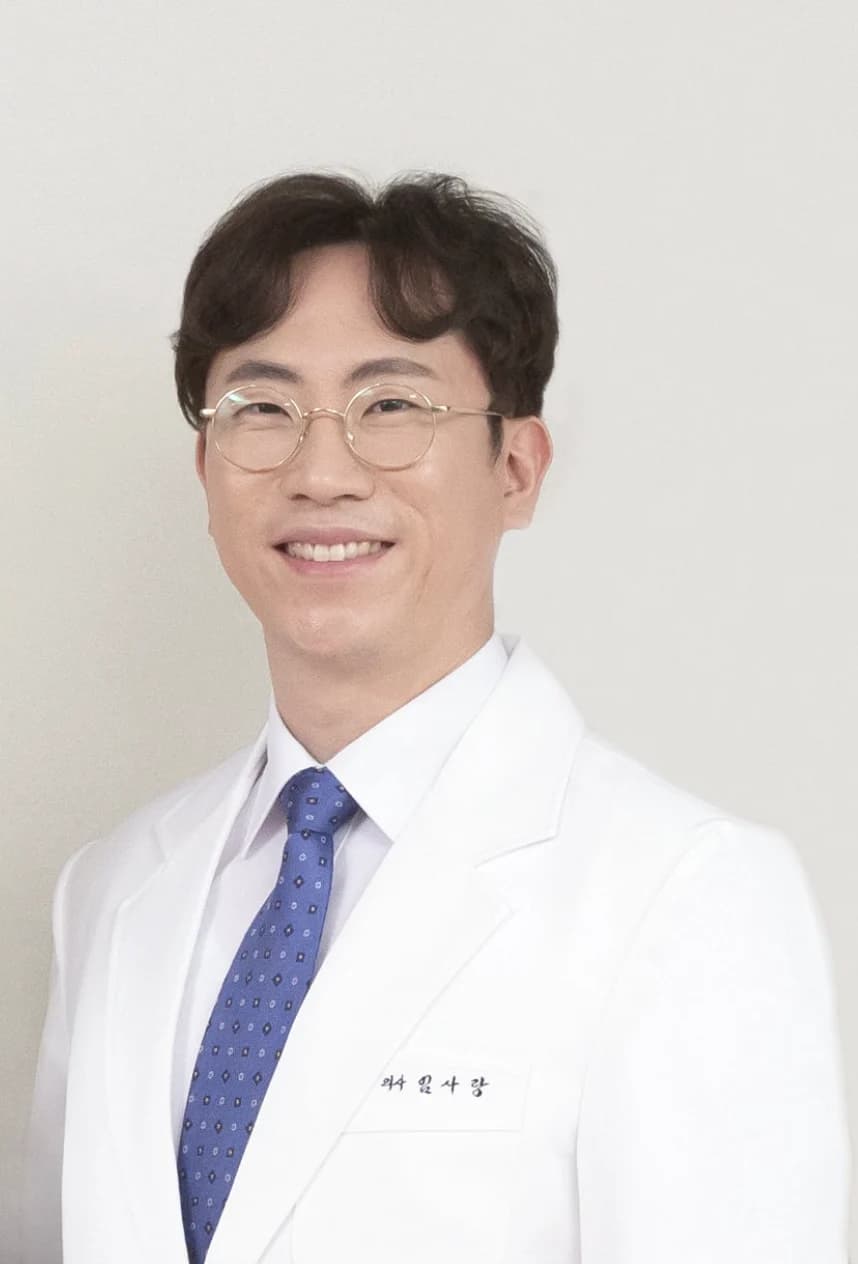 Dr. Sarang LimHead Doctor, Muse Clinic Myeongdong · 11 min readMedically reviewed by Sarang Lim, M.D., Head Doctor · Edited by: Sarang Lim, M.D.
In this article
A hiko nose thread lift places dissolvable threads under the skin of the nose, along the bridge and into the tip, to raise and define it without an incision. If you typed “hiko nose thread lift korea” while planning a week in Seoul, the first thing to settle is whether your nose should have threads at all.
The worry under that search is usually practical: what happens if a thread end starts poking through at the tip, or the area turns red and sore, after you're already home and a long flight away from the clinic?
That worry is the right place to start, because a good share of what goes wrong with nose threads traces back to putting them in the wrong nose. At our Myeongdong clinic the nose thread lift is on the menu as Museko. A structured consultation comes first, and then I plan and perform the treatment myself, one-to-one.
If you can't tell whether your nose is a candidate for threads, send one daylight photo from the front and one from the side on WhatsApp, with the dates you land and leave. Add the one question that's keeping you up at night, so what you ask is about your own nose and your own calendar, not noses in general.
What is a hiko nose thread lift, exactly?
“Hiko” is a nickname used in Korea for a nose thread lift. In general terms, the nose is numbed, and fine absorbable threads are passed under the skin through a small entry point, usually near the tip. Some run up the bridge to straighten the line. Others sit in the tip to give it a little lift and projection. Many of these threads carry small barbs or cogs so they grip the soft tissue while the body slowly absorbs them.
Two things follow from that mechanism. First, the change is modest. Threads support and reposition tissue that's already there, so they can sharpen a low bridge or lift a drooping tip by a small amount, but they can't take away a bump, narrow the bone or shorten a long nose. Second, the change is temporary, because absorbable threads dissolve over months and the support fades as they go.
The American Society of Plastic Surgeons' overview of thread lifts describes them as a minimally invasive option, and that's the right way to think about a nose too.
On our menu, Museko is described as holding the nose, the bridge and the tip together to complete the nose line. That is what a well-placed nose thread aims for: one connected line from bridge to tip, without the tip looking pinned or pointed. If you're curious how threads behave elsewhere on the face, our post on what a facial thread lift changes and what it doesn't covers the cheeks and jawline.
The noses I'd tell not to have threads
Most of what follows is general medicine, so it applies wherever you end up booking. If one of these describes you, threads either need to wait or aren't the right tool.
- Active breakouts, a cold sore or any infection on or near the nose. A thread passes through skin, and passing it through inflamed skin raises the chance of infection. Settle the skin first. If breakouts are the reason, read our notes on how a Seoul clinic approaches acne before anything else.
- Thin skin over the tip. Where the skin is thin, a thread is more likely to show as a line, be felt under a fingertip, or work its way out. When the outline of the tip cartilage is easy to see through the skin, I'd be cautious about putting a thread there.
- An implant or earlier procedures on the nose. Scar tissue makes thread placement less predictable, and any needle near an implant pocket brings a chance of carrying bacteria into it. Tell your doctor exactly what was done and when.
- Filler already in the nose. Threads and filler can end up in the same space, so the type of filler and how recently it went in both matter.
- Blood thinners, a bleeding tendency, keloid scarring, or pregnancy. Each one raises the risk of bruising or scarring, or rules treatment out for now. Raise it at the consultation.
- A goal that's bigger than threads. Removing a hump, narrowing the bones or shortening the nose isn't something any thread can do. If that's what you want, a thread lift will disappoint you.
- A flight home the next day. That one gets its own section below.
What can go wrong after you fly home?
Risks and side effects to know
The common effects are swelling, bruising and tenderness at the tip, sometimes with a tight feeling when you smile. For many people these ease over the first several days, though a bruise can take a week or two to fade. The American Society of Plastic Surgeons lists swelling and bruising, infection, extrusion of a thread, pain that can persist and an unfavorable result among the risks of thread lifts.
On the nose, extrusion is the one I most want you to know about. It means the end of a thread working out through the skin, usually at the tip or just inside the nostril, where the skin is thin. Less often you might feel or see a thread along the bridge, notice a small dimple, or find that the tip sits slightly to one side. The lift can also fade sooner than you hoped.
Results vary, and no one can tell in advance exactly how your tissue will hold a thread. An infection that spreads, or a firm lump that forms as a reaction to the thread material, is rare, but it needs a doctor rather than waiting it out.
See a doctor at home promptly if the pain gets worse after the first few days instead of easing, if redness and warmth spread beyond the entry point, if there's discharge or a fever, or if you can feel or see a sharp thread end. Don't pull or trim a thread yourself. Cover it and get it looked at.
The CDC's medical tourism guidance asks travelers to get copies of their medical records from the facility before returning home, and to make sure follow-up care is available where they live. For a nose thread lift, that means asking at your consultation which threads were used and how many, and keeping that note, or a photo of it, on your phone. A doctor at home who has to deal with an extruding thread can act faster knowing what's in there.
Whether your nose suits threads is decided at the in-person exam, because photos can't show skin thickness or what sits under an old procedure.
If the skin over your tip is thin and you're set on a sharper nose, I'd rather say no at the consultation than have you message me from home about a thread showing. Genuine product and the correct amount come first for me, and so does admitting when threads are the wrong tool. How long a lift holds varies by individual, so I won't promise you a number of months.
If something has been done to your nose before, whether filler, threads or an implant, put what it was and roughly when in your WhatsApp message, along with a close photo of the tip in daylight. That history is the first thing that shapes whether threads belong in your nose, and it's easier to write down now than to recall in a consultation room.
How many days should you leave in Seoul?
Nobody who searches “hiko nose thread lift korea” wants to spend their trip waiting around, but the timing logic matters more than the sightseeing plan. Swelling and bruising are usually most visible in the first few days. An infection or an extruding thread end, if it happens, often shows itself within the first week or two. So the treatment belongs near the start of your trip, not on your last afternoon. That way the early days, when problems tend to surface, happen near the clinic and not on the plane.
The clinic hours make an early slot possible: Monday to Friday 10:00 AM to 8:00 PM, and Saturday and Sunday 9:00 AM to 3:00 PM. If you land on a Friday night, you can still come in that weekend. Ask at booking whether a check before your flight home makes sense for your case, and leave a spare day so that check doesn't collide with packing.
For the first days afterward, the general advice from most doctors is similar. Avoid rubbing or massaging the nose, keep heavy glasses off the bridge, skip saunas, hot baths and hard workouts, and sleep on your back if you can. Ask how long each of these applies to you. If you wear glasses every day, bring that up early, because frames rest right where a bridge thread sits.
If you're adding other treatments to the same trip, tell the doctor about everything you've booked. Something like anti-wrinkle injections by facial area or a skin plan such as our in-clinic route to glass skin may fit the same visit, while anything that heats or presses on the nose usually waits. If this is your first time booking treatment abroad, our guide to Korean aesthetic clinics for foreign visitors walks through the practical side.
When nose filler makes more sense than threads
Nose filler is also on our menu, listed for issues such as an aquiline or curved nose line. In general terms the two do different jobs. Filler adds volume, so it can fill the dip above a bump or raise a flat bridge. Threads add support, so they suit a tip that droops, or a bridge that needs a cleaner line more than extra height. Some noses suit one, some a combination, and some neither.
Neither option is without risk. Filler in the nose carries a rare but serious risk of the product entering a blood vessel, which can damage the overlying skin and, very rarely, affect vision. Threads carry the extrusion and infection risks described above. On filler my position is plain: I don't do filler retouching, and any amount left over is discarded rather than kept for later.
Not sure which of the two fits your nose? Send the same front and side photos on WhatsApp and ask the question directly: threads, filler, or neither. If you wear glasses every day, mention that in the same message too.
How the visit works at our Myeongdong clinic
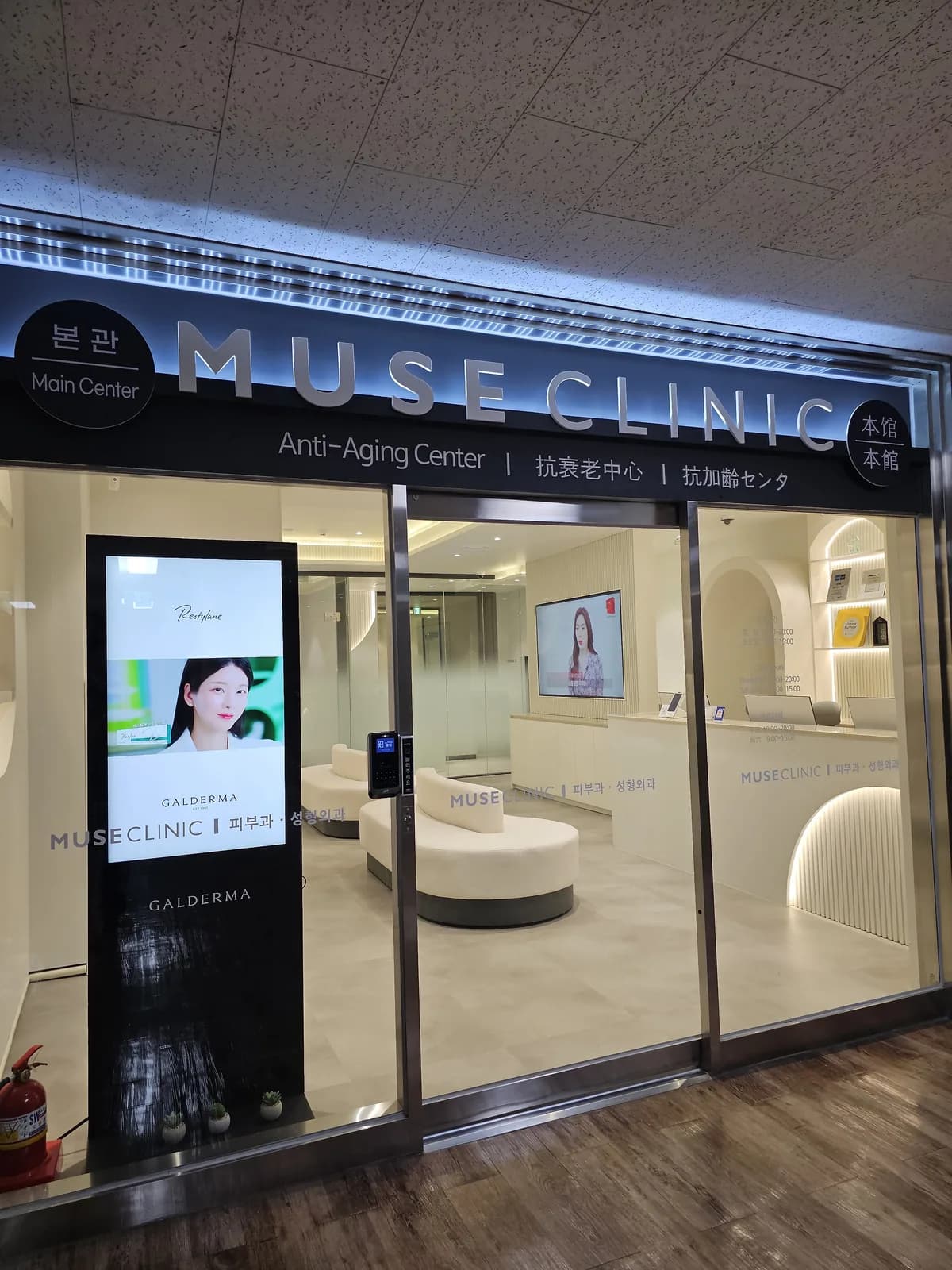
Muse Clinic Myeongdong is on the 3rd floor of Korea Daeyungak Tower, 97 Toegye-ro, a one-minute walk from Exit 5 of Myeongdong Station on Line 4, across from Shinsegae Department Store. It's one of 11 Muse Clinic branches in Korea.
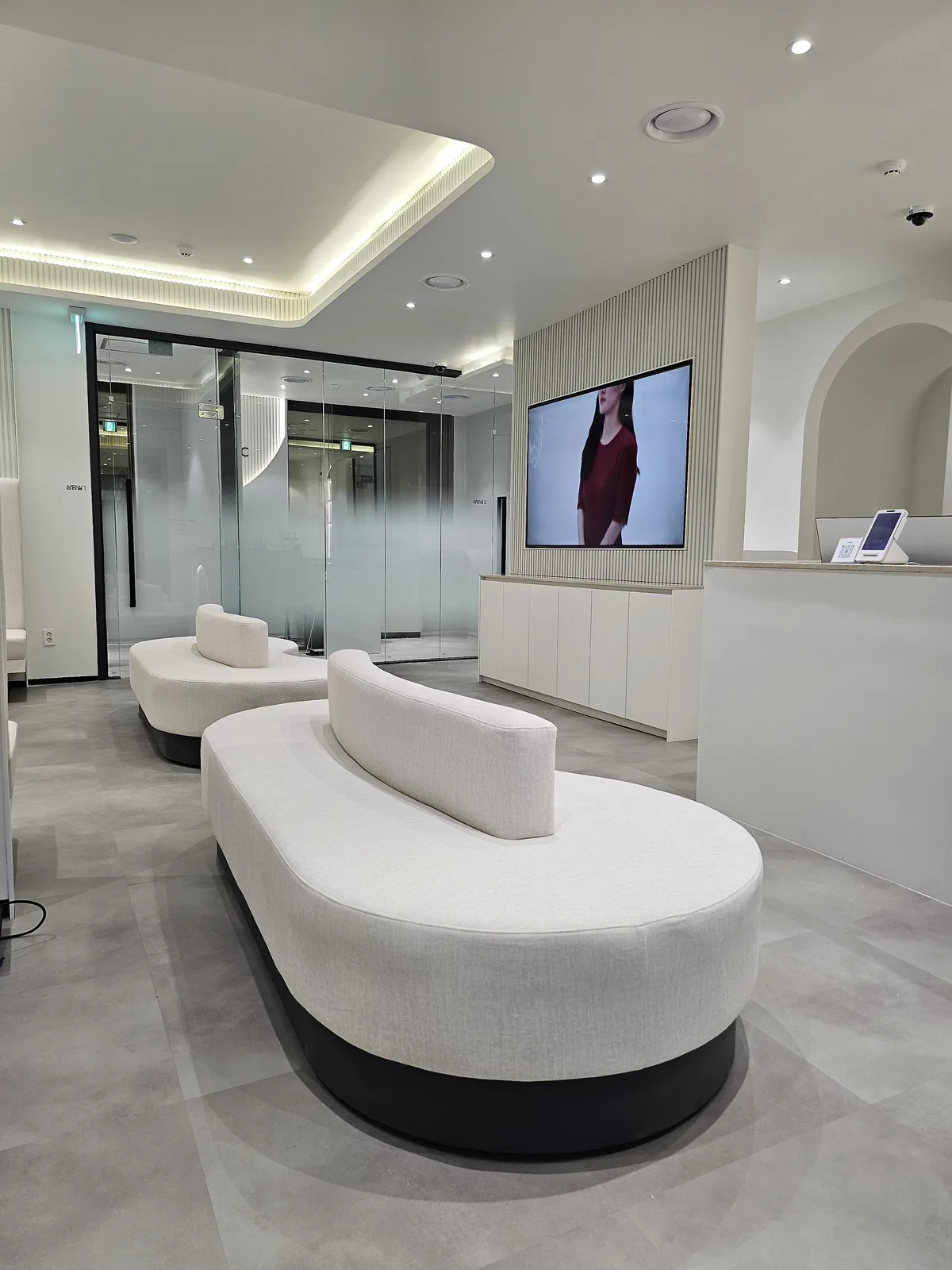
English, Japanese and Chinese interpreters are in the clinic, and someone stays with you from consultation through treatment, so the questions in this post can be asked in your own words. The consultation comes before anything else, and then I plan and perform the treatment. You can read about my training on the doctor page, and the full treatment menu lists everything else we offer. We don't use the phone for foreign patients. WhatsApp is the way to reach us.
Which threads, how many, and whether your nose suits them at all are confirmed at the in-person consultation.
When you write to us on WhatsApp before booking flights, tell us which day you land, so you can ask for a consultation early in your stay rather than squeezed in before departure.
Questions people ask
Before you message us
Is Museko the same as a hiko nose thread lift?
“Hiko” is a nickname used in Korea for nose thread lifting in general. Museko is the name of the nose thread lift on our Myeongdong menu, described as holding the nose, bridge and tip together to complete the nose line. The name matters less than the details, so at your consultation ask which threads are used, how many, and where each one sits.
Does a hiko nose thread lift hurt?
The nose is numbed before the threads go in, so many people describe pressure and brief stinging rather than sharp pain. Afterward the tip is usually tender for a few days, and smiling or touching the nose can feel tight. Pain that gets worse after the first few days instead of easing is not expected and needs a doctor. Ask at your consultation which numbing method is used.
Can I wear glasses after a nose thread lift?
Frames rest on the bridge, exactly where bridge threads sit, so many doctors ask you to keep heavy glasses off the nose for a while, or to switch to contact lenses or very light frames. Ask for a specific number of days for your nose. Mention daily glasses use at the consultation so the plan accounts for it before your treatment day, not after.
How long does a nose thread lift last?
Absorbable threads take their support with them as they dissolve over months, so the lift is temporary. Thicker or heavier tip skin and frequent pressure on the bridge tend to shorten it. I don't quote a fixed number of months, because for a nose I'd be guessing. If you like the result, plan on it being something you would repeat rather than a one-off.
What should I do if a thread pokes out after I get home?
Don't pull or cut it yourself. Keep the area clean, cover it if it catches, and see a doctor at home, bringing the note of which threads were used and how many. If redness is spreading, or there's discharge or a fever, go the same day. You can also send a close, well-lit photo of the spot on WhatsApp.
Results and maintenance period vary by individual. Every procedure carries the possibility of side effects, which are explained before you agree to treatment. Prices exclude 10% VAT and event prices may change. This article is general information from the clinic and is not a diagnosis; suitability is decided at the consultation.
Written by
Dr. Sarang Lim
Head Doctor · Muse Clinic Myeongdong
- Education & training
- Graduated, Inje University College of Medicine · Residency training, Paik Medical Center (Inje University) · Sungkyunkwan University Graduate School, Master's degree · Indiana University Kelley School of Business
- Advisory & certification
- Cynosure — Certified laser center · Juvéderm — Advisory doctor · QT Fill — Advisory doctor · Olidia — Advisory doctor · Galderma Sculptra — Advisory doctor · Merz — Advisory doctor · Jeisys — Advisory doctor · NOVA Thread — Advisory doctor
- Academic societies (full member)
- Korean Academy of Aesthetic Plastic & Laser Medicine · Korean Society of Aesthetic Surgery · Korean Society of Obesity Research Medicine · Korean Society of Obesity & Aesthetic Medicine · Korean Society of Anti-Aging Medicine