Lifting & Tightening
Side Effects of Hiko Nose Lift: Normal or Not?
The side effects of hiko nose lift are mostly swelling, bruising and a stiff tip for up to two weeks. Signs that need a doctor, and who should wait.
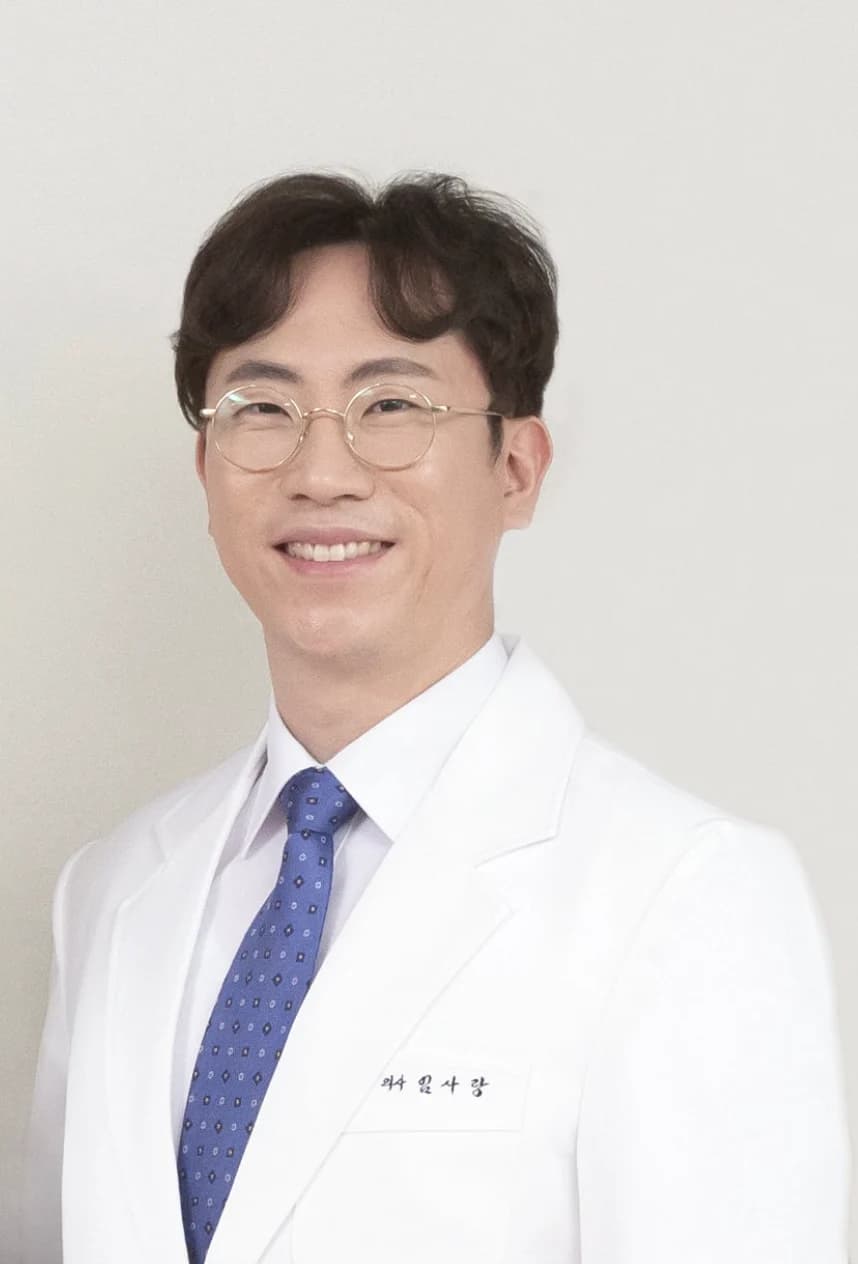 Dr. Sarang LimHead Doctor, Muse Clinic Myeongdong · 10 min readMedically reviewed by Sarang Lim, M.D., Head Doctor · Edited by: Sarang Lim, M.D.
Myeongdong Station, Exit 5 · English interpreters on site
Ask us on WhatsApp
In this article
- 01What the side effects of hiko nose lift threads feel like in the first two weeks
- 02Which signs mean the thread may need to come out?
- 03Who should skip a nose thread lift, or wait?
- 04Threads or filler for the nose: which side effects would you rather manage?
- 05Questions to ask before anyone threads your nose
- 06Fitting a nose thread lift into a short trip to Seoul
Worried about the side effects of hiko nose lift threads, like a thread end poking out at the tip or a bridge that looks slightly crooked once the swelling goes down?
For most people, the first one to two weeks bring swelling, some bruising and a tip that feels stiff and sore, and all of that settles without treatment. A thread you can see or feel through the skin, a tip that turns red, hot and more painful after day three, or a shape that drifts to one side is different: a doctor should look at it, and sometimes the thread has to come out.
Hello, I'm Dr. Sarang Lim, Head Doctor at Muse Clinic Myeongdong.
Nose thread lifting is on our menu as Museko, and I'm an advisory doctor for NOVA Thread. You talk it through with a medical interpreter for your language at no extra charge, I plan and perform the treatment myself, and the interpreter stays with you from the consultation through the treatment, so every sign on this page is something you can ask about in your own words.
If you're still deciding whether threads suit your nose, send a front photo and a side photo taken in daylight on WhatsApp, with a note on any filler or surgery you've had on your nose before.
What the side effects of hiko nose lift threads feel like in the first two weeks
A hiko nose lift places absorbable threads, usually PDO, along the bridge and into the tip through a few small entry points. The threads work like a scaffold: they lift the tip and hold the line of the bridge while the tissue around them reacts and firms up. That tissue reaction is also where most of the normal side effects come from.
Swelling tends to peak over the first two or three days and is often most visible between the eyes and at the tip. Bruising, if you get it, sits around the entry points and fades within about a week. The tip feels stiff, and a wide smile or a wrinkled nose can bring a pulling feeling for a while. Many people can feel a thread under a fingertip early on, and that softens as the swelling drops.
| What you notice | Usually normal when | Get it checked when |
|---|---|---|
| Swelling between the eyes and at the tip | It peaks in the first 2–3 days, then eases | It keeps growing after day 3, or one side swells alone |
| Bruising | It stays near the entry points and fades within about a week | It spreads widely or comes with throbbing pain |
| Tenderness and a stiff tip | It hurts a little less each day | Pain gets worse after day 3, with heat or redness |
| Feeling a thread under the skin | It softens as the swelling drops | You can see a line, a bump or a thread end |
| Pulling when you smile | It fades over the first weeks | A dimple or pucker stays when your face is at rest |
The pattern to watch is direction. Normal side effects get a little better each day. Infection and a thread sitting in the wrong place tend to get worse, or appear after a few days of feeling fine.
While the tissue settles, keep pressure off your nose. That means no heavy glasses resting on the bridge, no sleeping face-down, and no pressing the tip to check how firm it is. Skip saunas, jjimjilbang, hard workouts and heavy drinking for roughly the first week or two, since heat and a raised pulse feed swelling. Ask for the exact list for the areas you had treated, because tip threads and bridge threads can come with slightly different instructions.
Which signs mean the thread may need to come out?
Thread extrusion is the side effect people fear most, and it's the one most likely to need a doctor's hands. The skin over the tip is thin, and it moves every time you talk, smile or eat. A thread end sitting close to that surface is under constant small stress, so when a thread does show, it's most often at the tip or the columella, the strip of skin between the nostrils.
The American Society of Plastic Surgeons lists infection, visible or palpable threads, skin dimpling and asymmetry among the risks of thread lifts. A 2021 meta-analysis in Aesthetic Plastic Surgery, which pooled complication reports after facial thread lifting, found that most reported complications were minor and temporary. It looked at the face in general rather than the nose alone, so treat it as background, not a nose-specific number.
These are the signs to get checked:
- A thread end, or a small hard white point, at the tip or the edge of a nostril
- Redness, heat and throbbing that build after the first few days, sometimes with discharge at an entry point
- A bump or line that stays the same or becomes clearer as the swelling goes down
- The bridge or tip leaning to one side after the swelling has settled
- A dimple or pucker that's still there when your face is relaxed
If a thread end pokes through, don't pull it and don't trim it yourself. Keep it clean, cover it, and get it seen. An exposed thread can usually be removed or repositioned through a small opening, and taking it out means losing some lift in that spot. An infection is treated with antibiotics and, quite often, by removing the thread it's sitting on. Asymmetry is the slowest call, because part of it is often uneven swelling, so many doctors wait for the swelling to settle before deciding anything.
Preventing extrusion starts before the first thread goes in. Thin skin over the tip, a tip pushed far forward, or a nose that already holds filler all add stress at the thread ends. Each of those is a reason for me to put fewer threads in the tip or to suggest a different approach. A slightly more modest tip is often the safer trade.
If you already have threads in and something on this list looks familiar, send a close-up of the spot and one photo from below the nose on WhatsApp, along with the date the threads went in.
Who should skip a nose thread lift, or wait?
Threads don't suit every nose. As general medicine, these are the situations where I'd hold off or rethink the plan:
- Active spots, a rash or any infection on or near the nose. Wait until the skin is clear.
- Pregnancy or breastfeeding, when elective treatments are generally postponed.
- A bleeding disorder or a blood-thinning medicine, which raises bruising and bleeding. Never stop a prescribed medicine without talking to the doctor who prescribed it.
- A history of keloids or thick raised scars after small wounds.
- An implant from a past rhinoplasty. Threads passing near an implant raise the stakes if an infection starts, so this needs a careful conversation first.
- Nose filler placed recently. Many doctors prefer to let filler settle before threading through the same area.
- Goals threads can't reach: they don't remove a bony hump, narrow the nasal bones or make a large nose smaller.
Even when everything goes well, results vary from nose to nose, and so does how long the shape holds. Absorbable threads dissolve over months, and the support they leave behind fades gradually with them.
Threads or filler for the nose: which side effects would you rather manage?
People often weigh a hiko nose lift against nose filler, and the side effects differ in kind. Filler adds volume to raise a low bridge. Its rare but serious concern is filler entering a blood vessel, which the U.S. Food and Drug Administration lists among dermal filler risks, and the nose is an area where doctors inject with particular care. Threads lift and define, mostly at the tip, and their typical problems are mechanical: a thread that shows, shifts or becomes infected.
A low, flat bridge with a tip you already like leans toward nose filler for the bridge. A tip you'd like lifted and narrower leans toward threads. Some noses need a little of both, planned so that one doesn't strain the other. Museko, our nose thread lift, is aimed at the nasal flare, the bridge and the tip, so the conversation is mostly about which of those three you actually want changed.
Questions to ask before anyone threads your nose
In short, these six questions get you useful answers in a single consultation, wherever you have it done:
- 01Which thread is it, and is it absorbable? Write the name down, because a doctor at home will want it if anything comes up.
- 02Which areas are being treated, bridge, tip or flare, and how many threads go into the tip?
- 03Where are the entry points, and will they leave a visible mark?
- 04What should I avoid, and for how many days: glasses, exercise, sauna, alcohol, sleeping position?
- 05If a thread shows after I fly home, what do I do first, and whom do I contact?
- 06Does my past filler, implant or surgery change the plan?
Question five is the one most people forget. Before you leave Seoul, keep the record of what was placed and photos from the first days, and find out whether a dermatologist or plastic surgeon near home will see a thread problem. An exposed absorbable thread is often a small fix for a doctor who knows what they're looking at, as long as you can tell them what it is.
Pick the two questions above that matter most to you and send them on WhatsApp with your travel dates; you can ask before booking anything.
Fitting a nose thread lift into a short trip to Seoul
Plan the treatment early in your stay, never the day before your flight. The first few days are when swelling peaks and when an early problem, such as a thread sitting too close to the surface, tends to show itself, and that's far easier to deal with while you're still in the city. A few days in Seoul afterward also lets you see the shape with less swelling before you go home.
We see patients on weekends as well as weekdays: Monday to Friday 10 AM to 8 PM, Saturday and Sunday 9 AM to 3 PM, on the 3rd floor of Korea Daeyungak Tower, a minute's walk from Myeongdong Station Exit 5. Prices for every treatment are published on the Museko nose thread lifting page and the rest of our treatment pages, and foreign patients pay the same list as Korean patients.
If you're also thinking about Shurink Universe ultrasound lifting for the jawline, or a skin booster on the same trip, give each its own recovery plan; skin booster side effects are a separate list from the ones above. Which nose areas to thread, and how many threads, are confirmed at the consultation once your nose has been examined.
To start, a single side photo and your arrival and departure dates on WhatsApp are enough, plus the one thing about your nose you'd change if you could. At the consultation, the first thing worth settling is how thin the skin over your tip is, because that decides how far the tip can be lifted without a thread end sitting too close to the surface.
Questions people ask
Before you message us
Can I wear glasses after a nose thread lift?
Heavy frames resting on the bridge press on the threads while the tissue is still settling, so many doctors suggest contact lenses or very light frames for the first week or two, or taping your glasses so they sit off the bridge. Ask which applies to the areas you had treated, since bridge threads take that pressure directly while tip threads take less of it.
How soon can I fly after a hiko nose lift?
Flying itself isn't usually the problem. What matters is where you'll be if a thread shows or an infection starts in the first days. Leaving several days between the treatment and your flight lets the peak swelling pass and gives an early problem time to appear while you're still in Seoul. On the plane, keep your glasses off the bridge and avoid sleeping face-down on a tray table.
Does a nose thread lift hurt?
The area is usually numbed with a local anesthetic, so most people describe pressure and tugging during the treatment rather than sharp pain. Afterward the tip is sore and stiff for several days, and an over-the-counter pain reliever is often enough. Pain that builds after day three, especially with heat or redness, is a reason to get the nose looked at.
Can the threads be taken out if I don't like the shape?
Often yes, especially early, while the threads are still intact. Removal is a small procedure through an entry point, but threads that have been in for a while are held by surrounding tissue and are harder to retrieve completely. Because the threads are absorbable, a mild change you're unsure about can also be waited out as they dissolve.
Can I get a hiko nose lift after rhinoplasty?
Sometimes, but it needs more care. Scar tissue changes how threads sit, and an implant nearby raises the stakes if an infection develops. Bring the date of your operation, what was used (implant, cartilage or filler) and a recent photo. Many doctors prefer to wait until the nose has fully settled after surgery before adding threads.
Results and maintenance period vary by individual. Every procedure carries the possibility of side effects, which are explained before you agree to treatment. Prices exclude 10% VAT and event prices may change. This article is general information from the clinic and is not a diagnosis; suitability is decided at the consultation.
Written by
Dr. Sarang Lim
Head Doctor · Muse Clinic Myeongdong
- Education & training
- Graduated, Inje University College of Medicine · Residency training, Paik Medical Center (Inje University) · Sungkyunkwan University Graduate School, Master's degree · Indiana University Kelley School of Business
- Advisory & certification
- Cynosure — Certified laser center · Juvéderm — Advisory doctor · QT Fill — Advisory doctor · Olidia — Advisory doctor · Galderma Sculptra — Advisory doctor · Merz — Advisory doctor · Jeisys — Advisory doctor · NOVA Thread — Advisory doctor
- Academic societies (full member)
- Korean Academy of Aesthetic Plastic & Laser Medicine · Korean Society of Aesthetic Surgery · Korean Society of Obesity Research Medicine · Korean Society of Obesity & Aesthetic Medicine · Korean Society of Anti-Aging Medicine