Pigmentation & Moles
How to Remove Moles in Seoul: Days and Healing
How to remove moles on a Seoul trip: get a changing mole checked at home first, book early in your stay, and keep the healing spot out of the sun for…
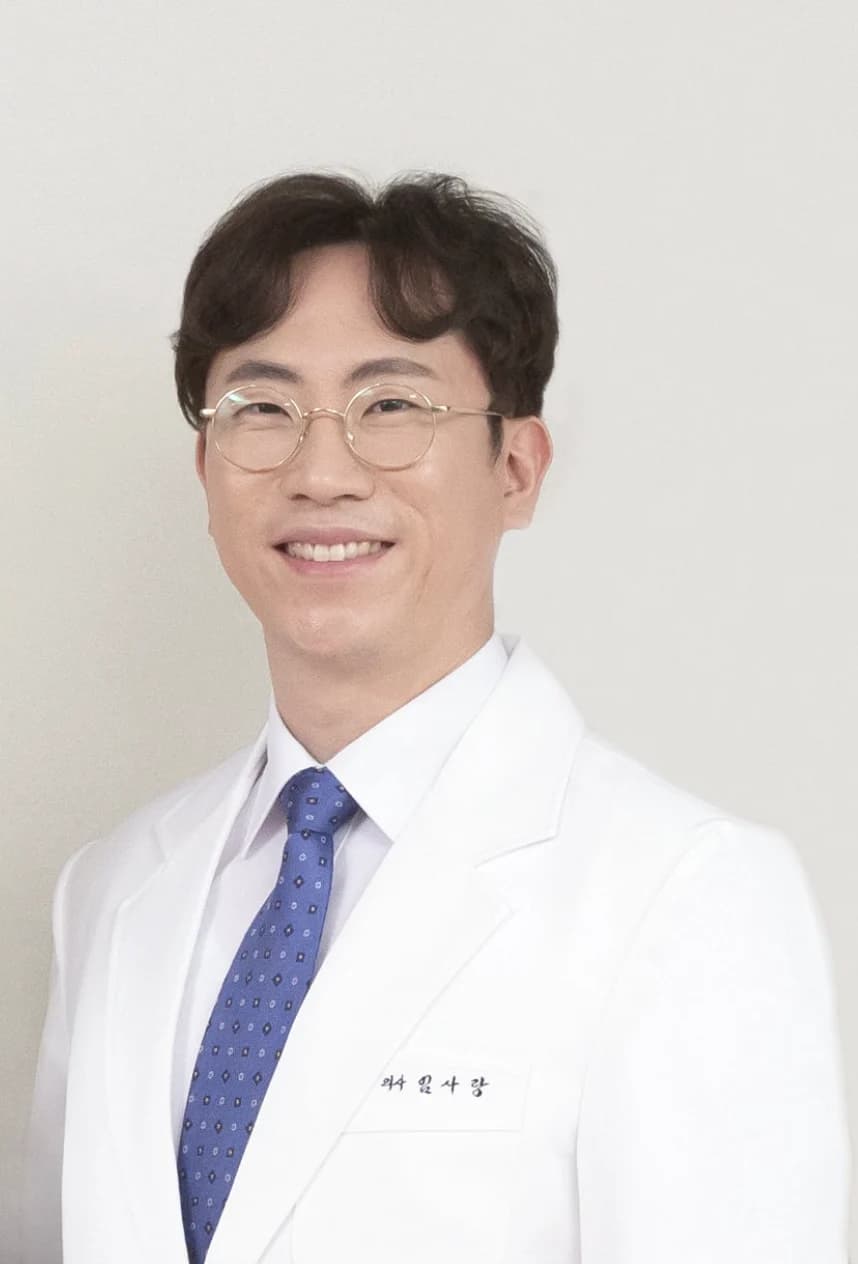 Dr. Sarang LimHead Doctor, Muse Clinic Myeongdong · Updated · 12 min readMedically reviewed by Sarang Lim, M.D., Head Doctor · Edited by: Sarang Lim, M.D.
Myeongdong Station, Exit 5 · English interpreters on site
Ask us on WhatsApp
In this article
Thinking about how to remove moles while you're in Seoul, but not sure whether the one that bothers you is safe to simply take off, or whether a short trip leaves enough days before the flight home?
A small mole that a doctor has already judged harmless can usually be removed in one short visit, and the wound typically closes over within one to two weeks, so a trip of five or six nights is workable. A mole that is changing, itchy, bleeding or new in adulthood is a different matter: it needs a medical check first, and possibly a lab sample, before anyone removes it for looks.
Hello, I'm Dr. Sarang Lim, Head Doctor at Muse Clinic Myeongdong.
Mole Remover is on our menu, and after you talk with a counselor, I'm the one who consults with you and treats you. An English-speaking interpreter is in the clinic at no extra charge and stays with you from the consultation through the treatment, so you can ask every question about the spot in plain words. We're open Saturday and Sunday from 9 AM to 3 PM, one minute's walk from Myeongdong Station Exit 5, which matters if you land on a Friday night.
If you'd like to see how your trip lines up, send a daylight close-up of the mole on WhatsApp with a coin or ruler beside it, plus your arrival and departure dates, and ask which day of your stay to book.

Which moles should be checked before anyone removes them?
Any mole that has changed in size, shape or color, that itches, bleeds or crusts, or that appeared in adulthood deserves a medical look before a cosmetic appointment. A mole that has looked the same for years, and that a doctor has already called harmless, is the usual candidate for removal because it's in the way or bothers you.
Risks and side effects to know
Dermatologists screen moles with the ABCDE checklist: asymmetry, an uneven border, more than one color, a diameter larger than a pencil eraser (about 6 mm), and evolving, meaning any change over time. Of the five, change is the one I weigh most. A mole that has been the same flat brown dot since your teens tells a very different story from one that has darkened or grown since last summer.
Raised moles worry people more than they need to. Many soft, skin-colored or light brown raised moles on the face and neck are harmless and have been there for decades. What makes a raised mole worth checking is a change: one that has newly risen, grows quickly, or starts to bleed when nothing has caught it. The same goes for itching. A mole that itches when a collar rubs it is not the same as one that keeps itching on its own while it changes.
In the UK, the NHS states that harmless moles are not usually treated on the NHS, and that a mole that has changed, hurts, itches, bleeds or crusts should be shown to a GP. That is useful for planning. If your GP has already examined the mole and called it harmless, you arrive in Seoul with the medical question settled and only the cosmetic one left.
Here is the detail most removal guides skip. Some methods, such as laser vaporization, destroy the pigment as they work, so nothing is left to send to a lab. Methods that cut the mole away, by shaving or excision, leave a piece of tissue a pathologist can examine. So with any doubt about a mole, the question is not only how it comes off, but whether the method keeps a sample.
One small step before you pack: photograph the mole at home in daylight, next to a ruler. If a little color ever returns in the healed spot, your home doctor has a baseline to compare against, and that photo is worth more than anyone's memory.
My advice to anyone flying in for this is to settle the medical question at home, where your records live. A mole that worries you deserves a dermatologist who can follow it for years, not a slot squeezed between sightseeing days. The moles I'd plan a trip around are the ones that are simply in the way: catching on a razor, rubbing under a strap, or pulling your eye every time you look in the mirror.
How to remove moles: the methods doctors choose between
There are three broad ways: shaving a raised mole level with the skin, cutting it out and closing the wound with stitches, or treating it with a laser or an electrical device that removes the pigment layer by layer. Which one fits depends on the mole's depth, size and site, and on whether a sample is needed.
| Method | Usually suits | Trade-off |
|---|---|---|
| Shave removal | Raised, soft moles a doctor has checked | Leaves a flat pale or pink mark; some color can return if cells sit deeper |
| Laser or electrosurgery | Small flat or slightly raised moles judged harmless | Leaves no tissue to examine; a second session may be needed if color returns |
A numbing injection is used for most of these, so the part people feel is the needle sting for a few seconds, then pressure. The wound left behind is small, but it is still an open wound for several days, and that shapes your trip more than the treatment itself.
Scar and infection: what to watch for
Home methods deserve one plain sentence: creams, removal pens, garlic, apple cider vinegar and nail scissors can burn or scar the skin, invite infection, and destroy a mole that should have been examined. If the bumps you want gone are really stretched, open pores rather than moles, that is a separate problem with its own treatments, covered in how to get rid of enlarged pores in Seoul.
On our menu the treatment is listed as Mole Remover. Which approach suits your mole, and how many moles make sense in one visit, are things I settle once I've examined the skin.
How many days in Seoul does mole removal need?
The visit itself is short. Plan the removal for the first or second day of your stay so the first days of healing happen in Seoul, and leave at least five or six days before you fly.
| When | What the skin usually does | What to plan |
|---|---|---|
| Removal day | A small open or covered wound, a little ooze | Ointment and a dressing as instructed; no makeup on the spot |
| Days 2 to 4 | A moist crust or scab forms | Skip saunas, jjimjilbang, pools and the gym; don't pick |
| Weeks 2 to 12 | New pink skin that darkens easily in sun | Cover it or use SPF 30 or higher daily; this is when the mark settles |
Say you're 34, flying in from Manchester for six nights, with a raised mole on your jaw that catches on your razor, and your GP has already looked at it and called it harmless. You land Friday evening, so a Saturday morning visit fits our weekend hours and gives you five full days of healing before a Thursday flight. Raised moles in that spot are often shaved level rather than cut out, which avoids stitches. You'd shave around the spot, not over it, until the crust is gone.
On the flight it may still be crusted or freshly pink, which is fine; cabin air is dry, so keep the ointment in your hand luggage in a container under 100 ml.
Now change one thing: the same mole turns out to sit deeper and needs a small excision. Facial stitches usually come out after about five to seven days, which makes a six-night trip tight. Before you book flights in that case, ask your GP surgery or practice nurse at home whether they would remove stitches placed abroad, because many will, but not all.
The trip mistake I'd most like you to avoid is the Korean sauna. A jjimjilbang on day two soaks the crust and slows healing, and a hot sweaty hike up Namsan does much the same. Book the spa for the start of the next trip.
Scarring, regrowth and dark marks: what can go wrong
Every removal leaves some mark. The common issues are a pink or pale spot that takes months to settle, darker pigment around the site, a little mole color returning in the scar, and, less often, infection or a raised scar.
Darker marks after healing, called post-inflammatory hyperpigmentation, are more likely in skin that tans easily and in skin that meets strong sun while it is still pink. That is why sun protection over the next two to three months does more for the final look than anything on the day itself.
A raised, thick scar (hypertrophic or keloid) is uncommon on the face but more likely on the chest, shoulders, upper back and jawline, and much more likely if you have had one before. If you have, say so before anything is removed; for some people that history is a reason to leave a harmless mole alone.
It's generally wiser to wait if the area is sunburned or freshly tanned, if there is a rash or infection on that patch of skin, if you're pregnant, or if you've taken isotretinoin for acne in recent months. If you take blood thinners, mention them, but don't stop them on your own.
Scar and redness: what to watch for
If color comes back in the scar months later, don't have it lasered again without a doctor looking first; returning pigment needs to be checked, and that is where your baseline photo helps. Once home, normal healing looks like mild itch and a pink spot. Spreading redness, warmth, pus, fever or bleeding that doesn't stop with ten minutes of firm pressure are reasons to see your GP or a pharmacist promptly.
How fast the mark fades and how visible it stays depends on depth, site and skin type, and results vary from person to person.
If you've had raised scars before, take blood thinners, or had this mole treated once already, put that in your WhatsApp message with a photo of the area, and ask whether it changes the day or the method that would suit you.
What decides the cost of mole removal in Seoul?
Since harmless moles are usually removed privately rather than through public health systems, cost is a fair question to plan around. What moves it for you:
- how many moles you want removed in one visit
- the size of each mole and whether it is raised or flat
- the method, especially whether stitches are needed
- whether a mole needs a second session if color returns
International patients pay from the same price list as Korean patients, and every menu price is published on our treatments and prices page. Deposit and payment method are settled after the consultation, so you can ask about both in the same message.
If you already know which moles you want gone, count them, photograph each one in daylight, and ask on WhatsApp what your list would cost.
What to ask any clinic before you book mole removal
In short, it doesn't have to be us. Wherever you book, the answers to these questions tell you more than a clinic's photos:
- Does a doctor look at each mole before it is removed, and is that the same doctor who removes it?
- Which method suits this mole, and does it leave tissue that could be examined if needed?
- If stitches are used, when do they come out, and can that be done at home?
- What aftercare instructions do you leave with, and are they in a language you read easily?
- Is an interpreter there during the consultation, and do foreigners pay the same price list?
- If color returns in the scar, what is the plan?
For broader checks, our guides on choosing a skin clinic in Seoul as a foreigner and checking a medical tourism clinic's license in Korea go further.
Where I stand: a harmless mole that bothers you is a reasonable thing to remove on a trip, and a changing mole is not a trip decision at all. Genuine product, the correct amount, and saying plainly what a treatment can and can't do come first for me, and with moles that includes saying when one should go to a dermatologist at home first.
I'm a member of the Korean Academy of Aesthetic Plastic & Laser Medicine, and the method, the number of moles and the day are settled at the consultation, once I've seen the skin. Nothing here needs deciding this week.
What decides your plan is whether the mole has changed, how deep it sits, and how many days you have between removal and the flight. You'll find us at 3F, Korea Daeyungak Tower, 97 Toegye-ro, Jung-gu, Seoul.
— Sarang Lim, M.D., Head Doctor
Questions people ask
Before you message us
Can I remove a mole at home with a cream or removal pen?
It's not a safe way to handle how to remove moles. Creams and pens burn the skin without control, so they often leave a deeper scar than a clinic removal, can cause infection, and can destroy a mole that should have been examined first. If the pigment sits deeper than the burn reaches, color tends to return in a scarred spot that is harder to judge later.
Is it safe to fly a day or two after mole removal?
For most small removals, yes. Cabin pressure does not affect a small skin wound. The practical points are dry cabin air and handling the dressing: keep ointment in a container under 100 ml in your hand luggage, keep the spot covered, and avoid sleeping with that side pressed on a pillow. Stitches are the exception that needs planning, because someone has to remove them.
Can several moles be removed in one visit?
Often, yes, as long as each one has been judged harmless. The limit is less about time on the day and more about aftercare: every spot is a small wound to dress, keep dry and protect from sun. Several moles on the face and back at once means more dressings while you're traveling, which some people prefer to split across two trips.
Will a removed mole grow back?
Sometimes a little color returns, mostly after shallow removal of a mole whose cells reach deeper than the skin surface. It usually shows months later as a light brown dot within the scar. It is not automatically a sign of anything serious, but it should be looked at by a doctor before anyone treats it again, which is where a baseline photo from before removal is useful.
When should I get a mole checked instead of removed?
Get it checked first if it has changed in size, shape or color, if it itches, hurts, bleeds or crusts without being caught on something, if it looks different from your other moles, or if it appeared in adulthood. A new skin mark that hasn't settled after a few weeks also deserves a look from your GP or a dermatologist before any cosmetic plan.
Results and maintenance period vary by individual. Every procedure carries the possibility of side effects, which are explained before you agree to treatment. Prices exclude 10% VAT and event prices may change. This article is general information from the clinic and is not a diagnosis; suitability is decided at the consultation.
Written by
Dr. Sarang Lim
Head Doctor · Muse Clinic Myeongdong
- Education & training
- Graduated, Inje University College of Medicine · Residency training, Paik Medical Center (Inje University) · Sungkyunkwan University Graduate School, Master's degree · Indiana University Kelley School of Business
- Advisory & certification
- Cynosure — Certified laser center · Juvéderm — Advisory doctor · QT Fill — Advisory doctor · Olidia — Advisory doctor · Galderma Sculptra — Advisory doctor · Merz — Advisory doctor · Jeisys — Advisory doctor · NOVA Thread — Advisory doctor
- Academic societies (full member)
- Korean Academy of Aesthetic Plastic & Laser Medicine · Korean Society of Aesthetic Surgery · Korean Society of Obesity Research Medicine · Korean Society of Obesity & Aesthetic Medicine · Korean Society of Anti-Aging Medicine