Pigmentation & Moles
Is Pico Laser Worth It? Sun Spots vs Melasma
Is pico laser worth it? For flat sun spots and freckles, often yes; for melasma it controls rather than erases. Send a daylight photo of the spots on…
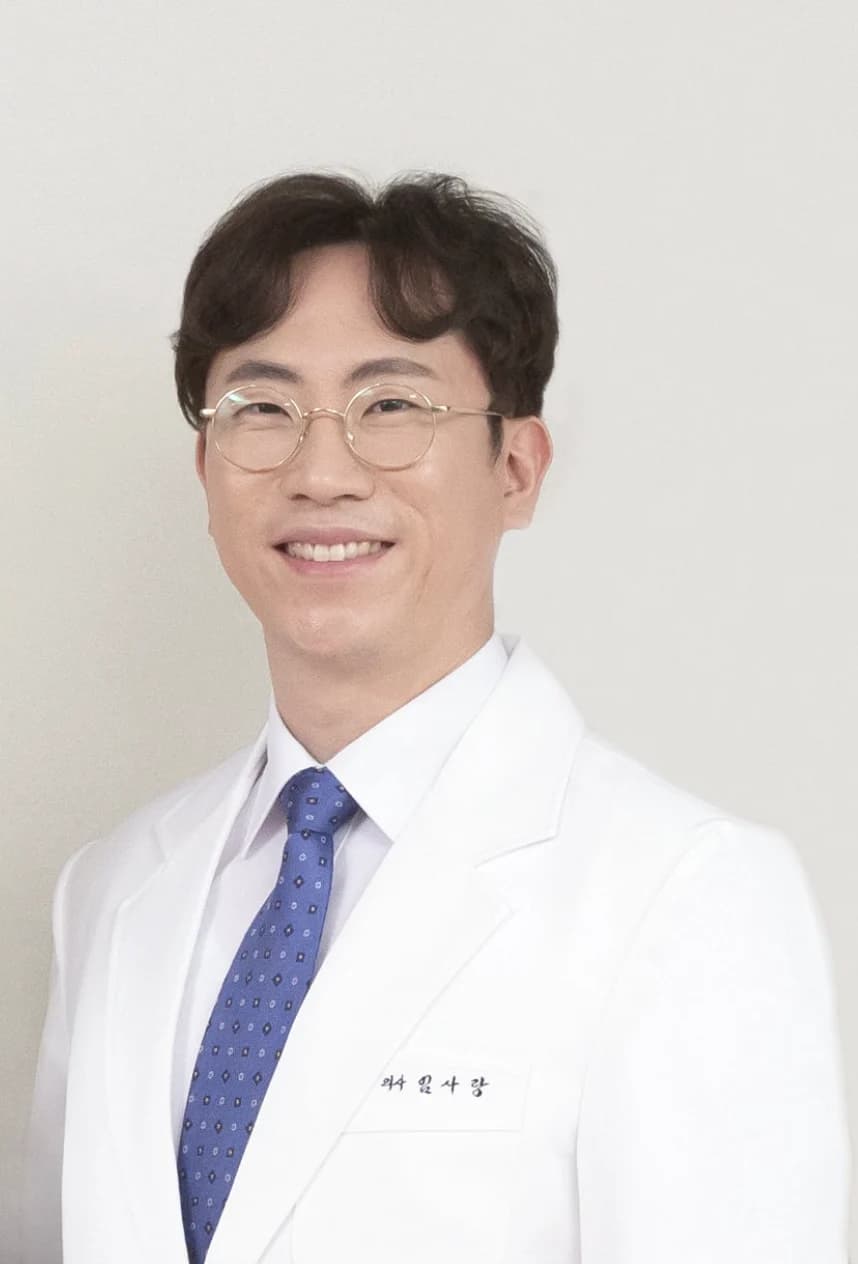 Sarang Lim, M.D.Head Doctor, Muse Clinic Myeongdong · 10 min readMedically reviewed by Sarang Lim, M.D., Head Doctor · Edited by: Sarang Lim, M.D.
Myeongdong Station, Exit 5 · English interpreters on site
Ask us on WhatsApp
In this article
- 01Pico laser: what is it, and what does the short pulse change?
- 02The belief that pico wipes out melasma
- 03Which marks is pico laser worth it for?
- 04Rebound darkening, redness and white spots: the risks to weigh
- 05What decides the cost of a pico plan?
- 06What should you ask any clinic before a pico session?
Did a laser or light treatment at home leave your cheek patches darker, and now you're asking yourself: is pico laser worth it, or is it the same gamble under a newer name?
For flat sun spots and freckles, it usually is, because that pigment sits in a defined spot the laser can break apart. For melasma, it's worth it only as gentle, repeated toning with daily sun protection: pico lightens the pigment that's already there, but not the sun, heat and hormones that keep making more, so melasma tends to come back.
Hello, I'm Dr. Sarang Lim, Head Doctor at Muse Clinic Myeongdong.
After you talk with a counselor, I consult with you and perform the treatment myself, so the doctor planning the energy for your cheeks is the one holding the handpiece. An English interpreter stays with you from the consultation through the treatment at no extra charge, and you pay the same price as Korean patients, with every menu price published on our treatments and prices page.
If you can't tell whether your patches are melasma, sun spots or a mix, take one photo of your bare face by a window in daylight and send it on WhatsApp with the question that worries you most. Daylight shows the edges and spread of a patch far better than a description or a filtered selfie.
Pico laser: what is it, and what does the short pulse change?
A pico laser fires pulses measured in picoseconds, trillionths of a second. That's about a thousand times shorter than the nanosecond pulses of older pigment lasers, and it changes how pigment breaks: more by a pressure shock than by slow heating.
Think of a sugar cube. Warm it slowly and it softens and smears; tap it sharply and it cracks into fine grains. Your skin's clean-up cells carry those grains away over the following weeks, which is why lightening shows gradually instead of on the treatment bed.
Less heat matters most for skin that answers heat with more pigment, which is common in Asian and medium-to-dark skin and in melasma. That's the real reason pico gets chosen for these faces. Less heat isn't zero heat, though, and that gap is where most disappointment starts.
On our menu it's listed as Pico Laser Toning, and the pico laser toning page shows that menu item. Toning means low energy spread evenly across the face over several sessions. Spot treatment means higher energy aimed at one mark. Same laser family, two different jobs, and mixing them up is how people end up let down by either one.
The belief that pico wipes out melasma
A common belief is that pico is simply a stronger, newer laser that clears melasma in a few sessions. It doesn't work that way. Pico breaks up pigment already sitting in the skin, while melasma is a condition that keeps producing pigment, pushed by UV, visible light, heat and hormones.
Reviews of low-energy laser toning for melasma describe patches that often lighten over a course of sessions and commonly return within months of stopping if nothing else changes. Pico toning follows the same logic with less heat per pulse. So the realistic goal is control: lighter patches that you then keep light with sunscreen, a hat, and often a lightening cream prescribed by your own dermatologist.
Here is what results tend to look like. With toning, skin turns a shade more even across a series of sessions, not dramatically after one. With spot treatment on a sun spot, the mark usually turns darker for a few days, forms a thin crust and flakes off within about a week, leaving pinker skin that settles over the following weeks.
There's one point I make about Asian skin specifically. With sun damage, Western skin tends to wrinkle and sag first, while Asian skin more often turns blotchy, and melasma gets markedly worse. So my advice is to get your tan from makeup only. A beach week right after a toning course can undo more than a session adds.
If melasma got darker after a heat-based treatment at home, I don't read that as 'lasers aren't for you.' I read it as skin that reacts strongly to heat. For that history I'd lean toward lower energy, more time between sessions, and treating any separate sun spots on their own instead of turning the energy up across the whole cheek.
Which marks is pico laser worth it for?
In short, it comes down to what the brown mark actually is, and many faces carry two kinds at once. Sun spots are flat, sharp-edged and scattered, often on the temples, cheeks and backs of the hands. Melasma is a hazy, roughly symmetrical patch across the cheekbones, upper lip or forehead.
| Mark | What pico usually does | Worth it on a short trip? |
|---|---|---|
| Sun spots | Spot treatment darkens them, then they flake off in about a week | Often yes |
| Freckles | Similar to sun spots; new ones appear with sun | Yes, if you keep up sunscreen after |
| Melasma | Gentle toning lightens gradually; it tends to return | Only as the start of a plan you continue at home |
| Dull, uneven tone | Mild brightening with toning | Modest; keep expectations low |
So is pico laser worth it if your main problem is melasma? Yes, if you treat the trip as the first step of a plan you'll continue at home. No, if you expect to fly back with clear cheeks.
Say you're 41, flying in from Toronto for five nights, with hazy patches on both cheekbones that darkened after light treatments at home and two sharp brown spots near your temple. I'd treat that as two separate problems. The temple spots are the part a pico session can realistically lighten during your stay. The cheek patches would get gentle toning at most, and the bigger gain is flying home with a sun-protection routine and a dermatologist who can carry on. If your cheeks were tanned from a recent holiday, I'd move even the toning to a later trip.
Which group your marks fall into, and the settings that follow from it, are confirmed at the consultation in the clinic.
Some people care more about overall dullness than about spots. Toning brightens a little, but if a dull, rough surface is the main complaint, a skin-quality approach like the ones in our post on Korean glass skin treatment may suit you better, and our overview of Korean laser skin treatment options shows where other lasers fit.
Rebound darkening, redness and white spots: the risks to weigh
Right after toning, most people see redness and feel warmth or tightness that fades within hours to a day. Spot treatment leaves the small dark crusts described above for about a week, and picking them early is the main way a spot turns into a lasting mark.
The risk that matters most if your skin darkened before is darkening after treatment, called post-inflammatory hyperpigmentation. It's more likely in darker skin, in tanned skin, and when the energy is too high for that face. It usually fades by itself, but slowly, often over months. The opposite problem, small white or mottled spots, has been reported after frequent, repeated toning, which is one reason packing more sessions closer together isn't automatically better.
Who should wait or skip it for now:
- You have an active tan or a recent sunburn on the area.
- You've taken isotretinoin for acne recently; many doctors want a gap of several months.
- You're pregnant or breastfeeding; melasma often shifts with hormones during this time anyway.
- You get cold sores and the area is around your mouth; mention it so it can be planned for.
- A spot is changing, bleeding, itchy, or has uneven color or edges; that needs examining before any laser touches it.
If a patch looks darker two or three weeks after you're home, don't add peels, scrubs or retinoids to fix it. Keep up the sunscreen, leave the area alone, and see a dermatologist at home with a note of what was done and when. Results vary from person to person, and so does how long the lightening holds.
Write down the name of any laser or light treatment you've had and roughly when, plus the creams or tablets you use now, and send that list on WhatsApp with your daylight photo. With those two details in hand, you can ask a sharper question: should my first session be toning only, or can the sun spots be treated too?
What decides the cost of a pico plan?
There's no single number for pico, because the plan changes with the skin. These are the things that move it:
- 01How many sessions: sun spots are often handled in fewer sessions, while melasma toning is a series.
- 02How many of those sessions happen in Seoul, on one trip or several.
- 03Whether you add another treatment on the same day, such as a peel.
You pay the same price as Korean patients, menu prices exclude 10% VAT, and our post on pico laser in Korea per session walks through how the menu is laid out.
For the figure for your own plan, send your travel dates and a daylight photo on WhatsApp and ask what your case would cost. The same message is the place to ask how the deposit and payment work, since both are settled after the consultation.
What should you ask any clinic before a pico session?
Whether you book here or elsewhere, these questions sort out most of the risk before the laser is switched on:
- Who examines my skin, and is that the same person who performs the treatment?
- Will my sun spots and my melasma get different settings, or one setting across the face?
- If my skin darkens after I'm home, what should I do, and how do I get in touch?
- Is the price the same for foreign patients, and does the quote include VAT?
- Will an interpreter be in the room during the treatment, not only at reception?
- How long should I keep out of strong sun afterward, given my flight and plans?
Take this list to whichever clinic you're weighing. A clinic that answers each point plainly is giving you what you need to judge pico for your own face.
If your trip is short, the clinic is open Saturday and Sunday from 9 AM to 3 PM and weekdays from 10 AM to 8 PM, a one-minute walk from Myeongdong Station Exit 5.
Where I stand: pico is worth it when the mark is one the laser can reach and you're ready to protect your skin afterward. For melasma, I'd rather you start gently and keep going at home than chase one strong session before a flight. Nothing about this has to be decided on this trip.
We're on the 3rd floor of Korea Daeyungak Tower, 97 Toegye-ro, Jung-gu, Seoul. Send one daylight photo of your bare face on WhatsApp with a line on what you've already tried, and ask whether your patches look like sun spots, melasma or both, since that split and how your skin reacted to heat before are what shape a pico plan.
— Sarang Lim, M.D., Head Doctor
Questions people ask
Before you message us
Does pico laser hurt?
Most people describe toning as quick snaps against the skin, like a rubber band flicked lightly, followed by warmth. If other lasers have been hard for you to tolerate, say so before the session so the plan can allow for it.
Can I fly home the day after pico toning?
Generally yes. Toning usually leaves redness that settles within a day, so a flight the next day is reasonable. Treated sun spots will still be dark crusts during the flight: keep them clean, don't pick, and wear sunscreen even in a window seat, since UV passes through aircraft windows. Plan sun-heavy sightseeing for before the session rather than after.
Is pico gentler than older pigment lasers for melasma?
Pico's practical advantage is less heat per pulse, which matters for skin that darkens easily after treatment. Your skin's history and the settings chosen matter more than the label on the device, so bring a record of any lasers you've had before.
Will melasma stay away after a course of pico toning?
Usually not on its own. Melasma tends to return when sun, heat or hormones push it again, sometimes within months. What holds the result is daily broad-spectrum sunscreen, a hat outdoors, and the maintenance plan your dermatologist at home suggests, which may include a lightening cream. Think of toning as lowering the starting point that you then protect.
Do sun spots come back after pico laser?
A sun spot that has fully cleared usually stays cleared, but the sun damage that caused it remains, so new spots can appear nearby over the years. Daily sunscreen is what slows that down. If a spot returns in the same place quickly, it may not have been a simple sun spot, and it's worth having a dermatologist look at it.
Results and maintenance period vary by individual. Every procedure carries the possibility of side effects, which are explained before you agree to treatment. Prices exclude 10% VAT and event prices may change. This article is general information from the clinic and is not a diagnosis; suitability is decided at the consultation.
Written by
Sarang Lim, M.D.
Head Doctor · Muse Clinic Myeongdong
After you talk with a counselor, the head doctor consults and treats you. Below is who that is — education, societies and advisory roles, listed as they are.
- Education & training
- Graduated, Inje University College of Medicine · Residency training, Paik Medical Center (Inje University) · Sungkyunkwan University Graduate School, Master's degree · Indiana University Kelley School of Business
- Advisory & certification
- Cynosure — Certified laser center · Juvéderm — Advisory doctor · QT Fill — Advisory doctor · Olidia — Advisory doctor · Galderma Sculptra — Advisory doctor · Merz — Advisory doctor · Jeisys — Advisory doctor · NOVA Thread — Advisory doctor
- Academic societies (full member)
- Korean Academy of Aesthetic Plastic & Laser Medicine · Korean Society of Aesthetic Surgery · Korean Society of Obesity Research Medicine · Korean Society of Obesity & Aesthetic Medicine · Korean Society of Anti-Aging Medicine
Treatments in this article
Excl. 10% VAT · same list Korean patients pay