Acne, Scars & Pores
Korean Acne Treatment for Oily Skin at 40+: What Helps, Cost
Korean acne treatment for oily skin after 40 starts with washing less harshly, then clinic care. Same prices as locals; send a no-makeup photo on WhatsApp.
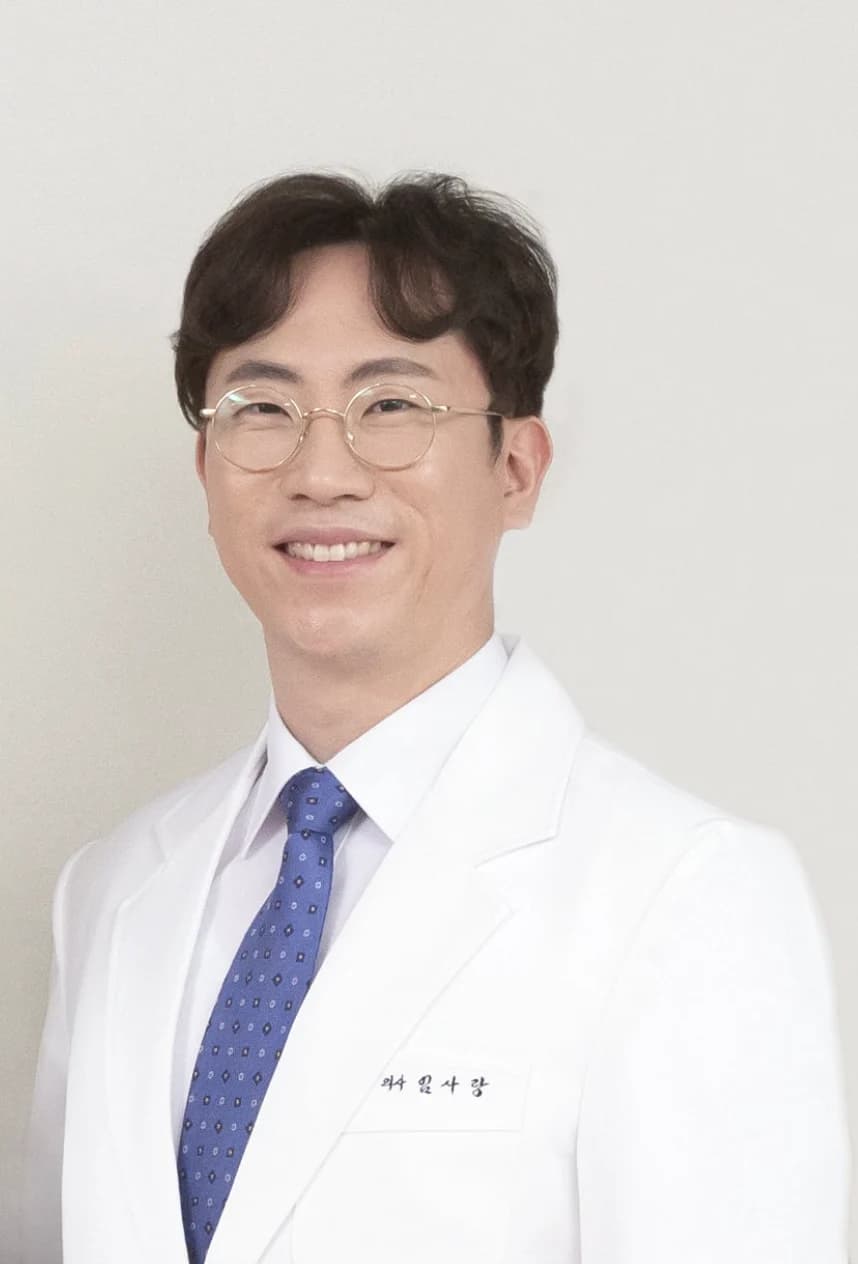 Sarang Lim, M.D.Head Doctor, Muse Clinic Myeongdong · 11 min readMedically reviewed by Sarang Lim, M.D., Head Doctor · Edited by: Sarang Lim, M.D.
Myeongdong Station, Exit 5 · English interpreters on site
Ask us on WhatsApp
In this article
Shiny by noon, still breaking out in your 40s, and wondering whether Korean acne treatment for oily skin will only strip your face even more?
It shouldn't, and stripping is usually what keeps the cycle going. Oily, acne-prone skin tends to break out more when it's scrubbed and dried, because dried-out skin answers with more oil. What helps is gentler washing at home plus one clinic treatment matched to what your spots actually are: clogged pores, inflamed breakouts, or the marks they leave behind.
Hello, I'm Sarang Lim, M.D., Head Doctor at Muse Clinic Myeongdong.
After you talk with a counselor, I consult and treat you myself, and an interpreter stays with you from consultation through treatment at no extra charge. You pay the same prices as Korean patients, and every acne option is priced on our website, so your bill doesn't change because you're visiting.
Before you plan anything, send a daylight photo of your face without makeup on WhatsApp, front and both sides, with one question: do these look more like clogged pores or inflamed spots? It takes a minute, and you can ask before booking anything.
Why does oily skin keep breaking out after 40?
Plenty of people assume acne belongs to their teens. It often doesn't leave, and for some adults it shows up for the first time in their 30s, 40s or 50s. The American Academy of Dermatology lists fluctuating hormone levels, stress, family history and hair or skin care products among the usual drivers of adult acne, with women often noticing flares around their periods, perimenopause and menopause.
Oil alone doesn't make a breakout. Many people have a shiny T-zone and clear skin. Acne needs oil plus pores whose lining clogs, and then bacteria and inflammation inside the blocked pore. Oily skin simply gives that process more fuel.
After 40 the picture is usually mixed. You may have tender bumps along the jaw and chin, open pores across the nose and cheeks, and flat brown or red marks where old spots healed. Brown marks of this kind, called post-inflammatory hyperpigmentation, can take months to fade and tend to linger longer in skin that tans easily or carries more pigment. Each of those three problems needs a different answer, which is why one product rarely fixes all of it.
Washing more is the habit that backfires
The belief that does the most damage in oily skin is that the fix is cleaner, drier, tighter skin. Korean skincare makes it easy to overdo. Double cleansing, foaming washes, exfoliating toner pads and nose strips can add up to five or six steps that each take a little more off the skin's surface. The face feels squeaky for an hour, then the oil comes back faster.
The habits I'd ask you to drop are specific. Washing your face directly under the shower head dries the skin, and dry skin produces more oil. An irritating wipe-off toner used every day does the same. Nose strips stretch pores each time you rip them off. Squeezing spots at home spreads inflammation and can leave scars and wider pores together, and your hands carry more dirt than most people think. Enlarged pores are hard to shrink once they've stretched, so prevention here is worth more than any treatment.
What to do instead is short. Wash twice a day and after heavy sweating, with lukewarm water splashed by hand and a mild cleanser, using your fingertips instead of a cloth or brush. Then use an oil-free moisturizer labeled non-comedogenic. Oily skin still loses water, and skipping moisturizer often makes it feel greasier by afternoon. If your face feels tight or squeaky after washing, the cleanser is too strong for you, whatever its label says.
Korean face washes and spot patches have a place. A low-foaming cleanser can be mild enough for daily use, and a hydrocolloid patch keeps your fingers off a single spot overnight. Neither changes how much oil your skin makes or clears the pores that haven't surfaced yet.
When oily skin starts breaking out in the 40s, my first advice is to take things away: fewer steps, no strips, hands off, and water from your hands instead of the shower. I'd rather you arrive in Seoul with calm, slightly oily skin than with a face scrubbed raw the week before. Treatment works better on skin that isn't already irritated.
Which clinic treatments fit oily, acne-prone skin?
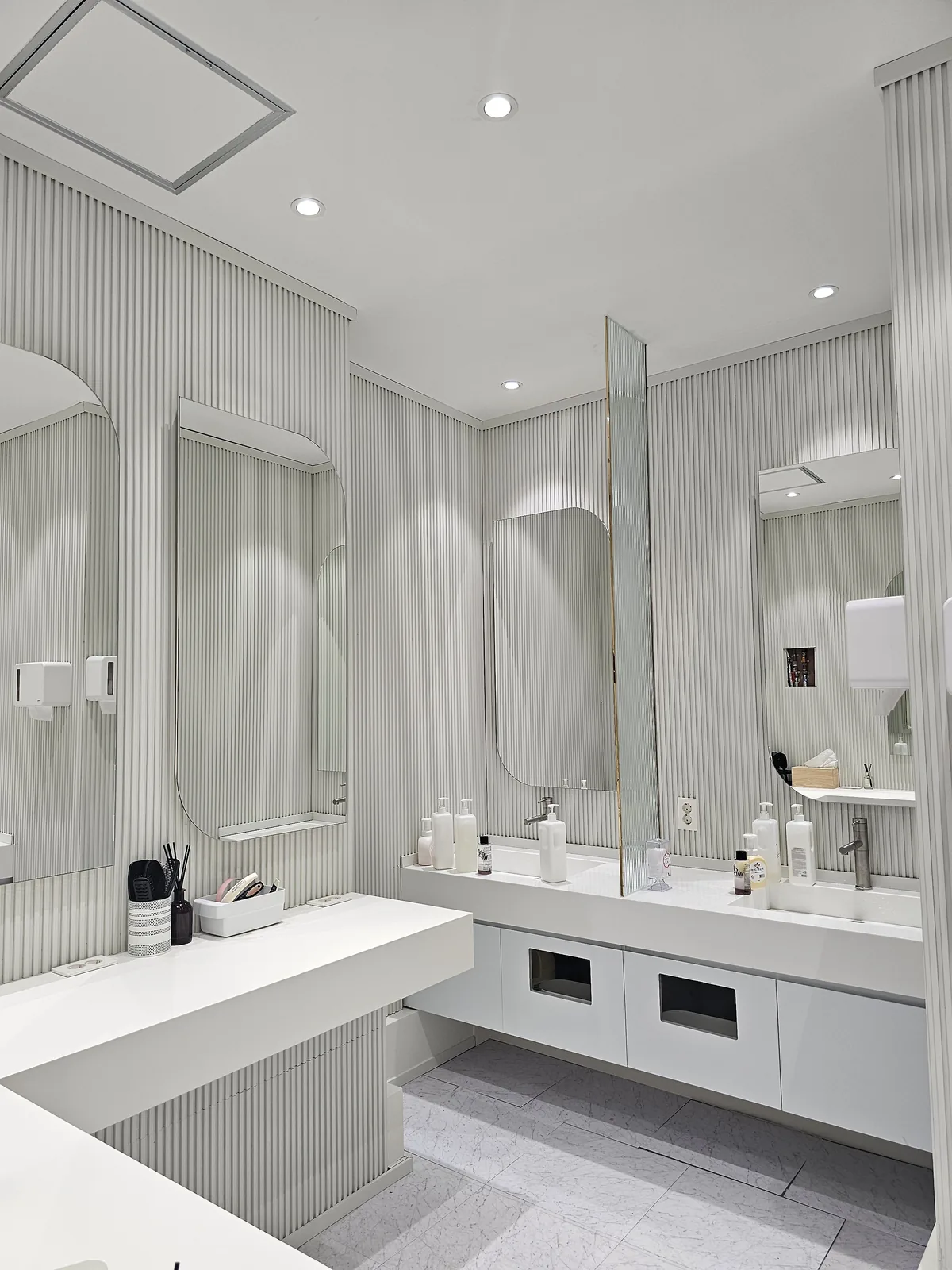
A structured consultation comes first, with an interpreter, and then I plan and perform the treatment one-to-one. Say at the start whether breakouts or pore size bothers you more, because it changes which treatment is suggested.
Scaling Skin is the clinic version of the extraction you shouldn't do at home. Sebum is removed after the skin is thoroughly disinfected, which makes it a fit for active blackheads, whiteheads and clogged breakouts on oily skin.
Pore Injection combines the clinic's own recipe with PDRN and targets pore tightening and skin regeneration. It's aimed at open pores more than at active spots. A series suits people who can come back to Seoul; on a single trip, one session is a reasonable start, alongside the home habits above.
Potenza is radiofrequency microneedling. It's generally used for acne scars, rough texture and enlarged pores, and kept away from a face full of inflamed spots, because needling through active inflammation can spread it. For deeper, tethered scars, air subcision is also on the menu. If scars are your main concern, this overview of what a Seoul clinic does for acne and its scars covers that side in more detail.
A prescription for acne is on the menu as well. Whether a medicine suits you is a medical question tied to your other medication, any pregnancy plans and who will follow you up at home, so expect it to be discussed during the consultation, not simply handed out.
Skin treatments of every kind change texture gradually, over weeks. If online photos have set your expectations high, reading what a glass-skin treatment realistically changes is a useful reality check before you judge any acne plan.
What decides the cost of acne care on a trip
Your total comes from a few choices: which treatment fits your spots, how many sessions you can fit in (one Scaling Skin visit is a different plan from a Pore Injection series), whether you're treating scars as well as active acne, and whether a prescription is part of it. Session count moves the total more than anything else, the same logic laid out in how session counts shape a skin-treatment bill.
Every option is listed on our treatments pages at the same price Korean patients pay, before VAT, so once the treatment and number of sessions are clear, the figure for your case comes straight off that list.
How red will you be, and who should wait?
After Scaling Skin, expect some redness and tenderness where spots were cleared, usually settling within a day or two, and a few new spots can surface in the following days as clogged pores come up. After radiofrequency microneedling, redness and mild swelling generally last a few days, sometimes with tiny pinpoint marks. Skip makeup and strong sun until the skin has closed over.
Some situations call for waiting or a different plan:
Infection and scars: risks to watch for
- A cold sore, rash or skin infection on the area you want treated.
- Isotretinoin taken in the past several months; many doctors hold off on needling and lasers after it.
- A peel, laser treatment or sunburn on the face in the past couple of weeks.
- Pregnancy or breastfeeding, which narrows the prescription options in particular.
- A history of dark marks or raised scars after small cuts, which changes how aggressive any treatment should be.
Brown marks after treatment are the reaction to watch for in skin that pigments easily. They usually fade with strict sunscreen and time; if they're still spreading after a few weeks, see a dermatologist at home. Spreading redness, warmth, pus or fever are not normal healing: see a doctor promptly wherever you are, and bring the name of the treatment and the date. Results vary by individual, and so does how long they last.
If you're also weighing other skin treatments on this trip, the side effects people commonly report after glass-skin treatments are worth reading alongside this list.
Suppose you have six days in Seoul
Suppose you're 49, flying in from Vancouver for six days, with a shiny T-zone, tender bumps along your jaw, and brown marks on both cheeks from spots that healed last year. Here's how I'd reason through your days.
Day 1 is for landing. Skip treatment, and wash your face by hand that night instead of under the hotel shower.
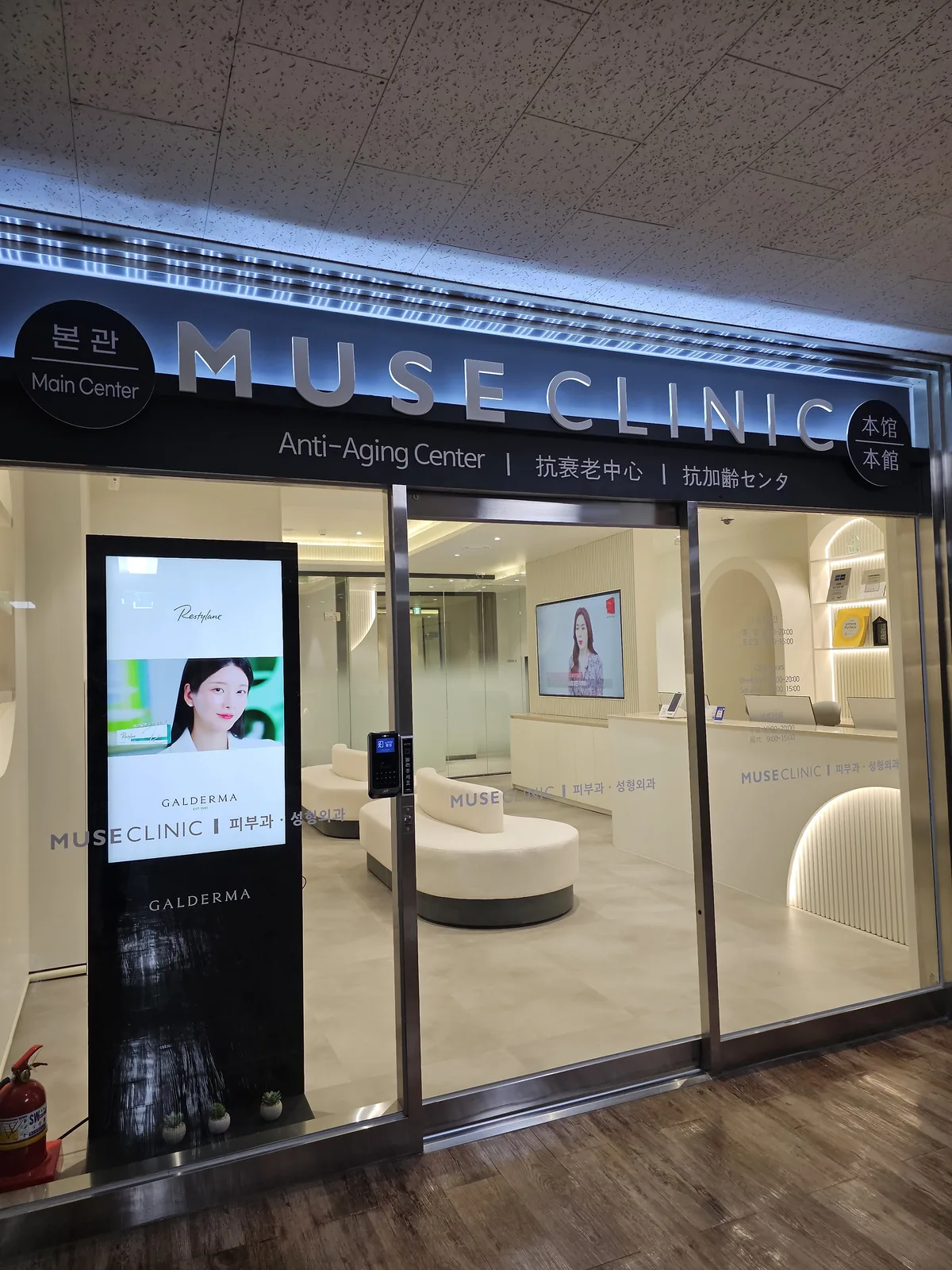
Day 2, a weekday, is your clinic morning. We open at 10:00 AM on weekdays, and the clinic is a 1-minute walk from Myeongdong Station Exit 5, on the 3rd floor of Korea Daeyungak Tower, the building with a Twosome Place café and Hana Bank on the ground floor. A counselor talks with you first about your skin and your dates, then I examine you.
With inflamed jaw breakouts, my reasoning is to calm those first, so Scaling Skin is the likely starting point, with Pore Injection discussed for the open pores if you'll be coming back. The cheek marks I'd leave for a later trip, since needling skin that's still breaking out is the wrong trade.
Days 3 to 5 are for the city. Sunscreen every morning, a hat for markets and palace grounds, hands off the healing spots, and no sauna until your skin feels normal again. My advice for breakouts is to book treatment early in the trip, because it gives the skin a few days to settle before you fly.
If you land on a Friday instead, weekends work too: Saturday and Sunday hours are 9:00 AM to 3:00 PM, so a Saturday morning slot still leaves several days to settle before a midweek flight home.
Day 6 you fly with skin that has had several days to calm down, and a home routine shorter than the one you arrived with.
What should your routine look like once you're home?
Long flights dry the skin, and oily skin often answers the next day with extra shine and a fresh spot or two. Put on moisturizer before you board and again before landing, and leave the sheet masks for the hotel, where you can wash afterward.
For the following weeks, keep the routine to four steps: a mild wash morning and night, an oil-free non-comedogenic moisturizer, sunscreen every morning, and any treatment product a doctor has prescribed. Leave the strips, scrubs and daily acid pads in the drawer. Most acne treatments need several weeks of steady use before you can judge them, so switching products every few days resets the clock.
If your breakouts cluster on the jaw and chin and flare with your cycle or around perimenopause, ask a dermatologist at home about hormonal treatment, a common route for adult women with this pattern. If you started a prescription in Seoul, book that local appointment before you fly, and take the medicine's generic name and your treatment dates with you.
Where I stand: oily skin in your 40s doesn't need fighting. It needs fewer things done to it at home and one right thing done in clinic, chosen in a consultation where you can ask everything through an interpreter. For you, the deciding point is whether your jaw spots are inflamed this week or mostly clogged pores and old marks, because that sets what comes first.
Send that same daylight, no-makeup photo, front and both sides, on WhatsApp with your travel dates, and ask: clogged pores or inflamed spots, and what would fit my days and cost for my case?
— Sarang Lim, M.D., Head Doctor
Questions people ask
Before you message us
Can I have Korean acne treatment for oily skin the day I land?
You can, since weekday hours run to 8:00 PM and weekend hours to 3:00 PM, but an overnight flight leaves skin dehydrated and you're less likely to follow aftercare that evening. If your schedule allows, give yourself one night's sleep and come the next morning. Bring a list of what you currently put on your face, including any retinoid or acid product.
Should I stop my retinoid before treatment?
Tell the doctor at consultation which retinoid or exfoliating acid you use and how often. Topical retinoids make the outer skin layer more sensitive, so they're commonly paused for a few days before extraction or microneedling and restarted once the skin has settled. Don't stop a medicine you take by mouth on your own; that decision belongs with whoever prescribed it.
Will a Korean face wash for acne control my oil by itself?
No cleanser changes how much oil your glands produce; it only removes what sits on the surface. A mild, low-foaming wash used twice a day is enough for most oily skin. Look for non-comedogenic on the label, skip scrubbing beads, and judge it by how your face feels ten minutes later: comfortable is right, tight means it's too strong.
Oily skin ages slower, so can I skip sunscreen?
Oil doesn't block UV. Asian skin in particular tends to react to sun with pigment and melasma before it wrinkles, and the brown marks acne leaves behind darken with every unprotected day. An oil-free gel or fluid sunscreen each morning is the habit that most shortens how long those marks stay, at home and during a sunny week of sightseeing.
Can I go to a jjimjilbang or sauna after treatment?
Heat and sweat on freshly treated skin raise the chance of irritation and, after needling, of infection in the tiny channels. After Scaling Skin, waiting a day or two is sensible; after radiofrequency microneedling, wait until the redness has gone, often several days. Plan the bathhouse for your first evening, before treatment, and keep the later days for walking and shopping.
Results and maintenance period vary by individual. Every procedure carries the possibility of side effects, which are explained before you agree to treatment. Prices exclude 10% VAT and event prices may change. This article is general information from the clinic and is not a diagnosis; suitability is decided at the consultation.
Written by
Sarang Lim, M.D.
Head Doctor · Muse Clinic Myeongdong
After you talk with a counselor, the head doctor consults and treats you. Below is who that is — education, societies and advisory roles, listed as they are.
- Education & training
- Graduated, Inje University College of Medicine · Residency training, Paik Medical Center (Inje University) · Sungkyunkwan University Graduate School, Master's degree · Indiana University Kelley School of Business
- Advisory & certification
- Cynosure — Certified laser center · Juvéderm — Advisory doctor · QT Fill — Advisory doctor · Olidia — Advisory doctor · Galderma Sculptra — Advisory doctor · Merz — Advisory doctor · Jeisys — Advisory doctor · NOVA Thread — Advisory doctor
- Academic societies (full member)
- Korean Academy of Aesthetic Plastic & Laser Medicine · Korean Society of Aesthetic Surgery · Korean Society of Obesity Research Medicine · Korean Society of Obesity & Aesthetic Medicine · Korean Society of Anti-Aging Medicine