Acne, Scars & Pores
Korean Acne Treatment for Sensitive Skin: When Creams Sting
Korean acne treatment for sensitive skin should start gentle: extraction and calming care first, a laser only once the skin settles. Same prices as locals.
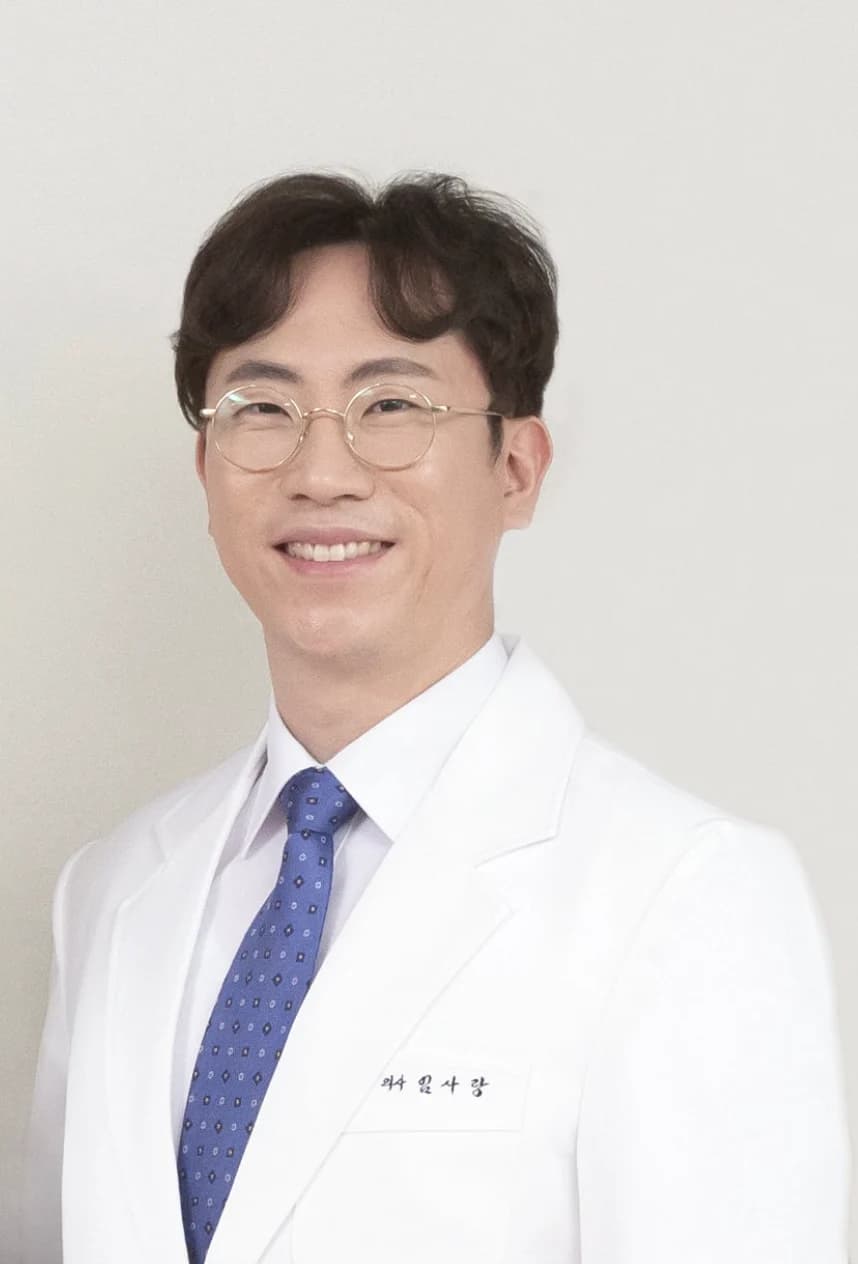 Sarang Lim, M.D.Head Doctor, Muse Clinic Myeongdong · 10 min readMedically reviewed by Sarang Lim, M.D., Head Doctor · Edited by: Sarang Lim, M.D.
Myeongdong Station, Exit 5 · English interpreters on site
Ask us on WhatsApp
In this article
- 01Why acne treatment stings when your skin is sensitive
- 02Which treatments on our acne menu suit reactive skin?
- 03Where to start if home treatments already burned your skin
- 04Redness, stinging and dark marks: what can happen after treatment
- 05What Reddit threads about acne treatment in Seoul get right
- 06Four questions to ask any clinic before acne treatment
- 07What decides the cost of acne treatment on sensitive skin
Is Korean acne treatment for sensitive skin going to leave your face red and stinging for the rest of your trip to Seoul?
For reactive skin that usually means a clinic extraction and gentle skin care first, with lasers, microneedling or injections held back until the breakouts are less inflamed.
Hello, I'm Sarang Lim, M.D., Head Doctor at Muse Clinic Myeongdong.
At Muse you talk with a counselor first, and then I consult and treat you myself, so the doctor who hears that benzoyl peroxide left your cheeks raw is the one choosing what happens next. A medical interpreter for your language is provided at no extra charge and stays with you from consultation through treatment. You pay from the same published price list as Korean locals.
If you're unsure which step your skin can handle, send a daylight photo of your breakouts with no makeup on WhatsApp, and ask which treatment your skin would tolerate on this trip.
Why acne treatment stings when your skin is sensitive
Most acne treatments work partly by drying, peeling or heating the skin. Benzoyl peroxide, retinoids and salicylic acid cut oil and speed up shedding; lasers and radiofrequency devices deliver heat. Skin with a weak barrier loses water faster and lets irritants in more easily, so the step that clears a friend's breakouts can leave yours tight and burning within days.
The irritation matters for more than comfort. Inflammation is what leaves marks behind. On lighter skin it tends to show as red or pink spots; on medium and darker skin it often turns into brown patches that can take months to fade. For sensitive, acne-prone skin, I would rather clear breakouts a little more slowly than trade them for a season of dark marks.
There is a second reason to slow down: some skin that looks like acne isn't acne. Rosacea and perioral dermatitis both cause red bumps on the cheeks, nose or around the mouth, usually without blackheads, and acne products can make them worse. Telling them apart comes before choosing any treatment.
One tip you won't find on most clinic pages: don't start a new Korean cleanser, toner or ampoule in the week before your appointment. If your skin flares, nobody can tell whether the product or the breakout caused it, and that changes what is safe to do that day. The American Academy of Dermatology's advice for acne-prone skin is short: a gentle cleanser twice a day and after sweating, and no scrubbing. A face wash keeps skin clean, and that is all it does for acne.
Which treatments on our acne menu suit reactive skin?
Our Acne/Pore menu has several options. For sensitive skin, the order you do them in matters as much as which one you pick.
| Option | What it is for | When I'd hold it back |
|---|---|---|
| Scaling Skin | Removing sebum from active breakouts after thorough disinfection | Skin that is broken, crusted or sunburned |
| Skin Regeneration Care, Oxygen Therapy | Non-laser care from our skin care menu | Rarely; this is the gentle end of the menu |
| Pore Injection | Our own recipe with PDRN, for pore tightening and skin regeneration | Until the breakouts have settled |
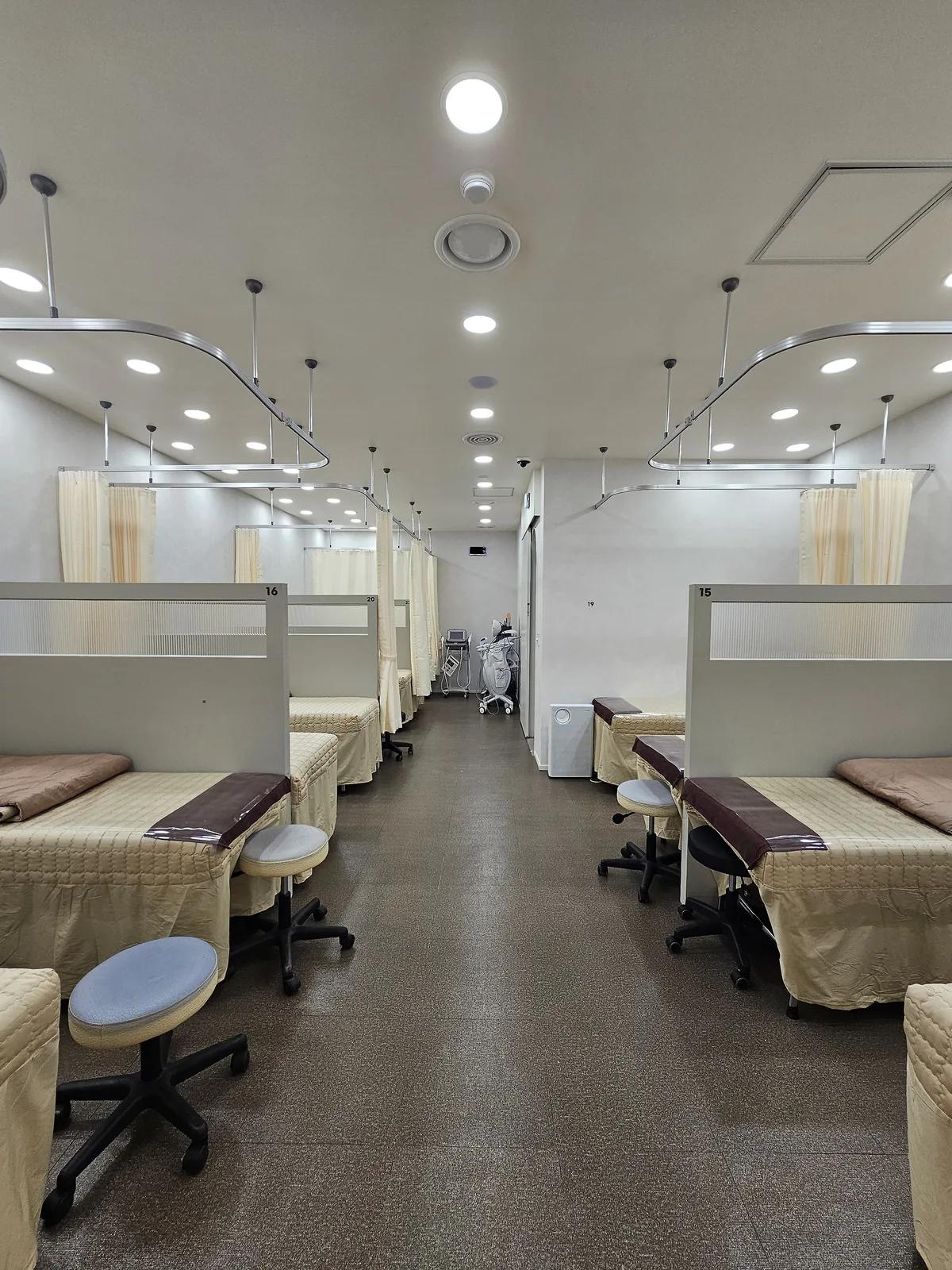
Scaling Skin is the clinic version of the squeezing you shouldn't do at home: the skin is disinfected thoroughly first, then the sebum is removed. For reactive skin it is usually where I would start, because it relieves clogged pores without the drying effect of a cream. Paired with non-laser care from the skin care menu, the first visit stays gentle.
The Capri laser and Potenza come later, once the skin can take them. Plenty of people with sensitive skin tolerate energy treatments after the inflammation has calmed down. What I avoid is putting heat on skin that is already stinging.
When breakouts are deep, painful or keep leaving scars, a prescription can do what a single procedure can't, and our menu includes an acne prescription. Oral isotretinoin is the strongest option for severe acne, but it needs blood tests and follow-up with a doctor at home, and recent use is a common reason doctors delay lasers or microneedling.
To be honest, the step that most often hurts sensitive skin is the week of trying everything before treatment: a new toner, a stronger retinoid, a sheet mask every night. If your skin is red and tight on the day, I would rather spend the first session clearing what's clogged and letting the skin settle. The laser can wait for a calmer week.
Where to start if home treatments already burned your skin
Say you're 31 and work in Hong Kong. Your dermatologist tried a retinoid, then benzoyl peroxide, and both left your cheeks peeling within a week. Now you have breakouts along the jaw and chin, a few red marks on your cheeks, and six days in Seoul.
The first thing I'd ask is what you are still putting on your face, and what you stopped and when. If the retinoid is still in your routine, your skin is more fragile than it looks, and that rules out the stronger steps for now. Breakouts along the jaw and chin in adults can have a hormonal side, which is why a prescription sometimes matters more than any procedure.
The red marks on your cheeks are a separate question. Red or pink marks left after a breakout often fade over months on their own, and daily sunscreen helps them along. Brown marks fade too, but sun exposure keeps them dark. Indented scars don't fade by themselves; they need a series of sessions such as RF microneedling, and that work starts only after the breakouts are under control.
So for you, I would likely suggest extraction with gentle skin care on the first visit, a conversation about whether a prescription fits your jawline breakouts, and no laser until the peeling has stopped. If you return to Seoul later, the devices become a real option. For the wider picture of how acne care works here, see what a Seoul clinic does for Korean acne treatment. Once the breakouts are quiet, skin quality is a separate topic, covered in glass skin treatment in Seoul.
Redness, stinging and dark marks: what can happen after treatment
After an extraction, redness and small marks at the extraction points usually settle within a day or two. After a laser or microneedling, redness, warmth and mild swelling can last from a few hours to several days, depending on the device and how deep it works. Products may sting for a couple of days, so keep to the ones you already know.
Who should wait or skip a session, as general medicine:
- an active skin infection, cold sore or open wound in the area
- a fresh sunburn, or a laser or chemical peel in recent weeks
- isotretinoin now or recently; bring the date of your last dose
- pregnancy or breastfeeding, which limits some prescriptions and procedures
- a known allergy to an injected ingredient; PDRN is salmon-derived
Once you're home, keep your routine to a gentle cleanser, a moisturizer you already tolerate and sunscreen, and hold off on new active products for about a week. If redness spreads, pain increases, or pus or fever appears, see a doctor at home promptly. Write down the names of the treatments you had before you leave the clinic so that doctor knows what was done. The same aftercare thinking applies to skin boosters, explained in side effects of glass skin treatments. Results vary from person to person, and so does how long the redness lasts.
What Reddit threads about acne treatment in Seoul get right
Threads about acne treatment in Seoul tend to repeat three claims, and each one is only partly true.
'One laser session cleared my skin.' A session can calm a flare. Acne that keeps coming back usually needs ongoing home treatment and sometimes a prescription, and a procedure on holiday doesn't replace that.
'Clinic extraction is just professional squeezing.' Partly right. It is still pressure on the skin; what differs is disinfection and where the pressure goes. On skin that is already raw, it can still inflame, which is why timing matters.
'Sensitive skin can't have lasers.' Not as a rule. Whether the skin is inflamed on the day, and how the device is set, matter more than the word sensitive. A laser on calm skin is a different situation from a laser on skin still peeling from a retinoid.
Four questions to ask any clinic before acne treatment
Whichever clinic you choose in Seoul, get a clear answer to these before anything touches your skin. Under each one is how it works at Muse.
- 01Who looks at my skin, and is that the person who treats it? At Muse, a counselor talks with you first, then I consult and treat you one-to-one.
- 02Will someone translate the medical part, not just the booking? English, Japanese and Chinese interpreters are in the clinic, and other languages can be arranged on request. The interpreter stays with you from consultation through treatment.
- 03Do I pay the same as a local patient? Yes. Foreign patients use the same price list as Korean locals, and the full list is published on our website.
- 04Can I come at a time that fits my days? We're open Monday to Friday 10:00 AM to 8:00 PM, and Saturday and Sunday 9:00 AM to 3:00 PM, a one-minute walk from Myeongdong Station Exit 5.
If you're still deciding what else to book while you're here, what visitors book for skin treatment in Seoul covers the rest of the menu.
What decides the cost of acne treatment on sensitive skin
With Korean acne treatment for sensitive skin, the bill depends less on your skin type than on a few choices:
- which treatment you have: an extraction, a laser session or an injection
- how much of the face is treated, for example jaw and chin only or the full face
- how many sessions fit your stay, and whether you plan to come back
- whether skin care or an acne prescription is added
Every treatment and option is listed on the price list on our website, before VAT, and it is the same list Korean patients use.
My position on sensitive, acne-prone skin is simple. I would rather do less on the first visit and have your skin calm on the flight home than try everything at once and spend the next month fading marks. Genuine product, the stated dose and a clear explanation come before any device.
Send a daylight photo of your breakouts with no makeup on WhatsApp, and ask which treatment your skin would tolerate on this trip and what that would cost for your case.
— Sarang Lim, M.D., Head Doctor
Questions people ask
Before you message us
Should I stop my retinoid before acne treatment in Seoul?
Many doctors ask you to pause a topical retinoid for several days before extraction, peels or energy devices, because retinoid-treated skin reacts more strongly. Write down what you use and when you last applied it, and bring that list to the consultation. Don't stop a prescribed oral medicine on your own; ask the doctor who prescribed it first.
How can I tell whether it's acne or rosacea?
Acne usually comes with blackheads or whiteheads, and the bumps sit where oil is heaviest: forehead, nose, chin and jaw. Rosacea tends to bring flushing, burning and small red bumps across the cheeks and nose without blackheads. The two can overlap and are treated differently, which is why the diagnosis comes before any device or product.
Can I wear makeup or sunscreen right after a clinic extraction?
Sunscreen, yes, and it matters more than usual for the following weeks, because freshly inflamed skin marks easily in the sun. For makeup, many doctors suggest waiting until the next day so the extraction points can close. Use products your skin already tolerates, not something new bought in Myeongdong that afternoon.
Does Korean acne treatment on sensitive skin rule out a sauna or jjimjilbang day?
Plan the bathhouse before your treatment, not after. Heat, steam and long soaks increase redness and can irritate freshly treated skin, so many doctors advise skipping saunas, hot baths and hard workouts for a day or two after an extraction and longer after a laser or microneedling. Swimming pools get the same advice.
Do acne scars on sensitive skin need a separate plan?
Usually, yes. Indented scars are treated with options such as RF microneedling, which works over a series of sessions spaced weeks apart, and most doctors want active breakouts under control first. On a single short trip, clearing breakouts and preventing new marks is often the goal that fits; scar work suits a later visit to Seoul.
Results and maintenance period vary by individual. Every procedure carries the possibility of side effects, which are explained before you agree to treatment. Prices exclude 10% VAT and event prices may change. This article is general information from the clinic and is not a diagnosis; suitability is decided at the consultation.
Written by
Sarang Lim, M.D.
Head Doctor · Muse Clinic Myeongdong
After you talk with a counselor, the head doctor consults and treats you. Below is who that is — education, societies and advisory roles, listed as they are.
- Education & training
- Graduated, Inje University College of Medicine · Residency training, Paik Medical Center (Inje University) · Sungkyunkwan University Graduate School, Master's degree · Indiana University Kelley School of Business
- Advisory & certification
- Cynosure — Certified laser center · Juvéderm — Advisory doctor · QT Fill — Advisory doctor · Olidia — Advisory doctor · Galderma Sculptra — Advisory doctor · Merz — Advisory doctor · Jeisys — Advisory doctor · NOVA Thread — Advisory doctor
- Academic societies (full member)
- Korean Academy of Aesthetic Plastic & Laser Medicine · Korean Society of Aesthetic Surgery · Korean Society of Obesity Research Medicine · Korean Society of Obesity & Aesthetic Medicine · Korean Society of Anti-Aging Medicine