Acne, Scars & Pores
Seoul Acne Scars on Face: Who Should Wait?
Seoul acne scars on face: which scars soften, what can go wrong, who should wait, and how recovery fits a short trip. Send a side-lit photo on WhatsApp.
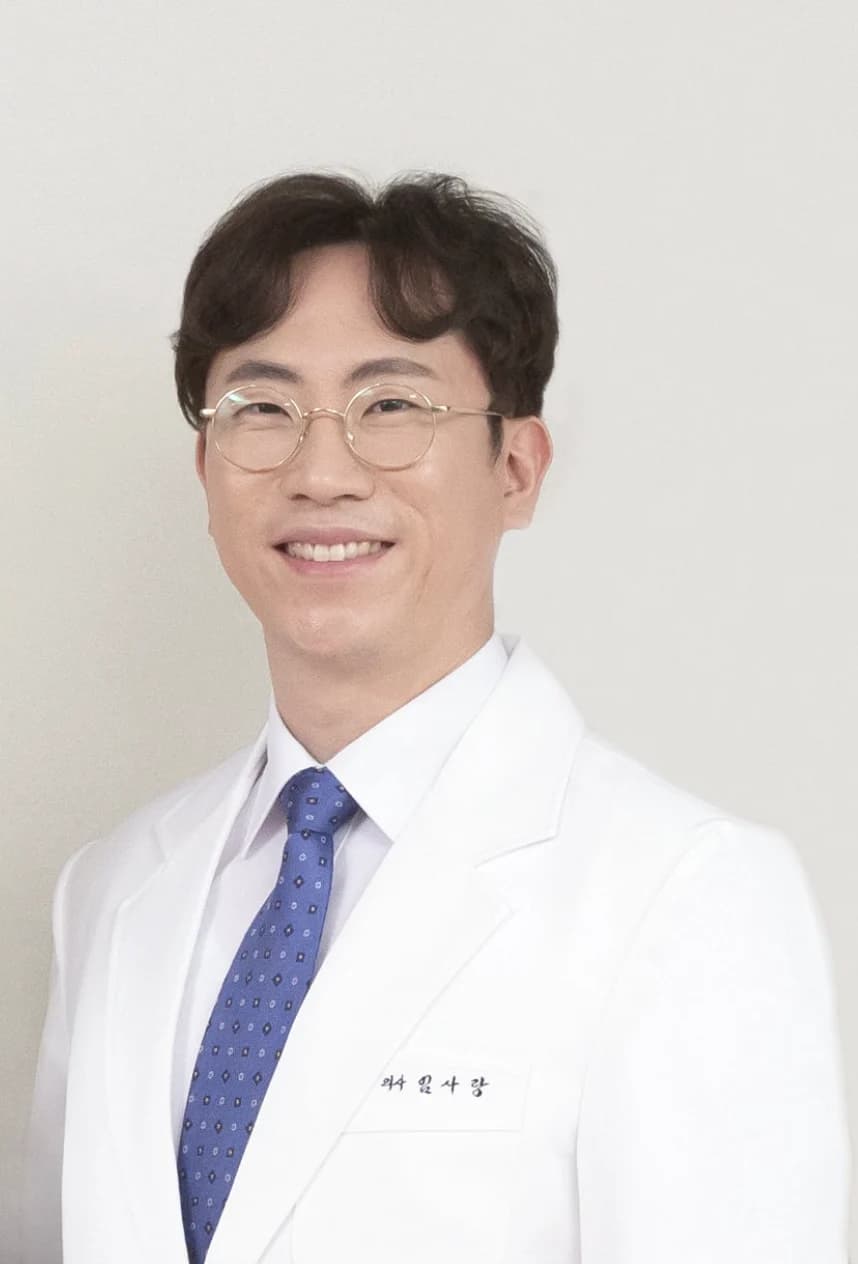 Dr. Sarang LimHead Doctor, Muse Clinic Myeongdong · 11 min readMedically reviewed by Sarang Lim, M.D., Head Doctor · Edited by: Sarang Lim, M.D.
Myeongdong Station, Exit 5 · English interpreters on site
Ask us on WhatsApp
In this article
- 01Which acne scars respond, and which barely move?
- 02Seoul acne scars on face: what can go wrong
- 03Who should wait, and for how long?
- 04The scar treatments on our menu, and who each suits
- 05How does recovery fit a one-week trip?
- 06Combining scar work with other plans for your face
- 07Which three facts about your skin change the plan?
What if treating the acne scars on your face during a short week in Seoul leaves you flying home with dark marks or a fresh breakout? That fear sits behind most searches for "Seoul acne scars on face", and it deserves a straight answer.
If your flights are already booked, the section on who should wait matters more than the list of methods.
This page covers the risks that matter for scars you've had for decades, who is better off postponing, which methods suit which scar, and how recovery fits a short stay. With those four answers you can judge whether this trip is the one to start.
Hello, I'm Sarang Lim, M.D., Head Doctor at Muse Clinic Myeongdong.
After a structured consultation with an interpreter, I plan and perform the treatment myself, one to one. English, Japanese and Chinese interpreters work in the clinic at no extra charge. We also see patients on Saturdays and Sundays from 9 AM to 3 PM, a one-minute walk from Myeongdong Station Exit 5.
The planning mistake that costs people most is booking scar treatment while new spots are still appearing, because every fresh breakout can leave a new scar where the work was just done.
Old acne scars on the face can usually be softened with needle-based radiofrequency, subcision or laser over several sessions, but they are rarely erased. If you still have active acne, form keloids or took isotretinoin recently, waiting is often the better choice, and one trip is usually a start rather than a finish.
Not sure which group you're in? Take one photo of your cheek beside a window, with light falling from the side, and send it on WhatsApp with the question that worries you most, for instance whether your scars are the kind that lift with needling. Side light shows a scar's depth; a straight-on selfie flattens it.
Which acne scars respond, and which barely move?
Acne scars aren't one thing, and the type in your mirror decides most of what treatment can do.
- Rolling scars: wide, soft-edged dips that make cheeks look uneven under overhead light. Fibrous bands under the skin often pull them down, which is why releasing those bands, called subcision, comes into the conversation.
- Boxcar scars: round or oval with sharp edges. Shallow ones soften with collagen-stimulating treatment; deep ones move slowly.
- Icepick scars: narrow and deep, like a pore that goes too far. Needles and radiofrequency on their own do little for them.
- Raised scars: thick, firm bumps, more common along the jawline than on the cheeks. They need a different plan, and some treatments for depressed scars can aggravate them.
Then there are marks that aren't scars at all. Flat brown spots are post-inflammatory hyperpigmentation; DermNet describes this darkening as following inflammation and taking months to fade, longer in darker skin. Flat red or purple spots are post-inflammatory erythema. Both often fade with daily sunscreen, and treating them as scars spends money on the wrong problem.
The mechanism is what most people miss. A depressed scar is skin that lost collagen and healed tethered downward. Treatment works by causing a controlled injury so the dermis rebuilds, and that rebuilding continues for weeks to months after each session. In skin in its forties or fifties it tends to be slower and more modest than at twenty-five. That is the limit behind every promise you will read about scars.

Seoul acne scars on face: what can go wrong
Any treatment strong enough to remodel a scar is strong enough to cause problems. These are the ones worth knowing before you choose dates.
Risks and side effects to know
Expected and temporary. After needle radiofrequency, pinpoint redness, mild swelling and a tight, sunburn-like feeling are usual, and for many people they settle within a few days. Tiny scabs or faint grid marks can appear and generally flake off within a week. Subcision adds bruising, which can take one to two weeks to clear.
Less common, and the reason for screening.
- Darkening. Injured skin can respond by making extra pigment, more often in medium to dark skin tones or when strong sun reaches it soon after. It usually fades, but over months.
- A breakout flare. Heat, swelling and heavy aftercare creams can set off new spots in acne-prone skin.
- Infection or a cold sore. Broken skin needs to be kept clean, and if you get cold sores, treatment near the mouth can trigger one.
- Raised scarring. In people who form keloids, a new injury can heal as a thick scar. DermNet notes that keloids develop at sites of skin injury in people with a tendency to form them.
The limit. Improvement is gradual and partial. Your results vary with scar type, skin thickness and how your skin heals, so plan for a softer surface, not a new one.
After you fly home. Spreading redness, warmth, pus, worsening pain, or a cluster of blisters around the lips are reasons to see a doctor at home promptly. Bring the name and date of the treatment so that doctor knows what was done. Brown darkening is not an emergency: strict sun protection is the first step, and a dermatologist can advise if it hasn't eased after a few months. Before you leave Seoul, ask us on WhatsApp which signs to watch for after your particular session.
Who should wait, and for how long?
Waiting is often the better result. If any of these apply to you, raise them before you book anything.
- Active acne. If inflamed spots still appear every week, control comes first. Guidance on acne scars from the American Academy of Dermatology makes the same point: get acne under control before treating the scars, since new breakouts can bring new scars. On our menu, acne medicine is prescribed after consulting with the director.
- Isotretinoin in the past year. Note the date of your last dose. Advice on how long to wait before needling or resurfacing has been changing, and the depth of the procedure matters.
- A keloid history. Mention it even if the keloid was on your chest or ears.
- Pregnancy or breastfeeding. Elective scar work can wait.
- A fresh tan, or a beach straight after Seoul. Sun on newly treated skin raises the chance of darkening. If Seoul is your first stop before a beach, switch the order or postpone.
- Cold sores, eczema or an infection on the face. Settle it first.
- Blood thinners. They increase bruising after subcision. Ask the doctor who prescribed them; don't stop them on your own.
Say you're 52, with rolling scars across both cheeks from your teens, no active acne, fair skin that freckles easily, and six days in Seoul before flying home to a northern winter. I'd consider you a reasonable person to start: one needle-RF session early in the week, possibly with release of the deepest tethered scars, then sunscreen and a hat. Change one detail, ten days in Bali straight after Seoul, and I'd suggest saving the treatment for a trip that ends at home.
I'd rather tell you to wait than treat skin that is still breaking out. Genuine product and the correct dosage come first in how we work, and timing deserves the same discipline. The right treatment at the wrong moment is still a poor plan for your skin.
If one of these applies to you, name it in your first WhatsApp message along with your travel dates, for example the date of your last isotretinoin dose or a keloid on your shoulder. Putting it up front keeps the question about your own timing instead of acne scars in general.
The scar treatments on our menu, and who each suits
In short, these are the scar-related options on our acne and pore menu. Which one fits you, if any, is confirmed at the consultation after I've seen your skin.
| Treatment | How our menu describes it | Often considered for |
|---|---|---|
| Venus Viva | Needle RF to improve pores, texture and scarring | Shallow scarring spread across the cheeks |
| Potenza | Microneedles release RF in the dermis in short bursts, sparing the surface | Acne scars with wide pores or loss of firmness |
| Air Subcision | A subcision treatment listed under acne and pores | Rolling scars held down by bands |
| Pico Focus | Listed under acne and pores | Texture and marks, discussed case by case |
Needle radiofrequency combines two effects. The needles make tiny channels, and the heat at their tips stimulates collagen beneath the surface. The American Academy of Dermatology describes microneedling as a treatment that can soften acne scars over a series of sessions, and needle RF builds on the same principle. Rolling scars that are tethered often need release as well, because remodeling alone can't lift skin that is being pulled down from below.
What moves the total for scars is the method, how many areas are treated, whether subcision is added, and how many sessions you need over time. Every option and its price is listed on our acne and pore treatment page, excluding VAT, and foreign visitors pay the same listed prices as Korean patients. For a longer look at subcision and Potenza side by side, see what acne scar treatment involves in Seoul and what moves its cost.
How does recovery fit a one-week trip?
Plan scar treatment for the start of your stay, not the last full day. That leaves room to see how your skin reacts while you're still in Seoul.
On the day itself, expect the face to feel warm and look flushed, as after a day in the sun. That evening, a plain cleanser and a simple moisturizer are usually all the skin needs. Many people can wear makeup again after a day or two, once small scabs have closed. Subcision bruises can usually be covered with concealer after a few days.
For the next several days, skip the jjimjilbang, hot baths, hard workouts and swimming pools. Heat and sweat on freshly treated skin add redness and the chance of irritation. Wear a hat and sunscreen even on cloudy days in the city.
Needle-based sessions for scars are typically spaced about four weeks or more apart, so one trip usually holds one session. If you land on a Friday, a Saturday morning visit between 9 AM and 3 PM leaves the rest of the week for redness to settle before your flight.
If you'd also planned something for glow on the same trip, such as the Korean glass skin facial, ask which order works. Peeling or exfoliating steps on freshly needled skin generally wait about a week.
Combining scar work with other plans for your face
Many visitors arrive with a list, and two combinations deserve thought.
If you're also considering slim face injections in Seoul, keep them on a different day from scar work. Swelling from two treatments on the same lower face makes it harder to tell which one caused a reaction.
Fat-dissolving injections for the face need more care. Reducing fat in the cheeks can make some rolling scars look deeper, because there is less volume underneath them. If your scars sit on the cheeks, that trade-off is worth discussing before either treatment.
The principle is to change one area at a time when you can. A face that has had one thing done is easier to read, for you and for the doctor at home if anything needs checking.
Weighing scar work against another face treatment on the same trip? List both on WhatsApp with your dates, and ask which order makes sense for your cheeks.
Which three facts about your skin change the plan?
- 01Scar type. The side-lit photo shows whether you're mostly dealing with rolling, boxcar or icepick scars, or with flat marks that aren't scars.
- 02Your history. Any new spots in the past month, the date of any isotretinoin, keloids anywhere on the body, and cold sores.
- 03What follows Seoul. A flight home to winter, or a week on a beach.
Send the side-lit photo and those three facts on WhatsApp, and ask the one question that matters for you: whether to start on this trip or the next. You can also ask there how the deposit and payment method work, since both are settled after the consultation. An English interpreter stays with you from consultation through treatment. In the consultation, one of the first things I'll check is whether a dip flattens when the skin is stretched between two fingers, because a scar that flattens is usually tethered and tends to respond to release.
Questions people ask
Before you message us
Can acne scars I've had for 20 years still improve?
Usually, yes, to a degree. Scar age matters less than scar type and how much collagen your skin can still rebuild. Rolling and shallow boxcar scars from decades ago often soften with needle RF and release, while narrow icepick scars change least. What age changes is pace: skin in its fifties tends to remodel more slowly, so the gain from each session builds over several months.
How many sessions do depressed acne scars usually need?
Most approaches to depressed acne scars use a series, often three or more sessions spaced several weeks apart, because collagen rebuilds between them. Deep or mixed scars may need two methods combined, such as release plus needle RF. A photo shows the scar type, but how your skin responds after the first session is the better guide for planning the rest.
Can I fly the day after needle RF on my face?
For most people, yes. Pinpoint redness and mild swelling don't make flying risky. Cabin air is dry, so a plain moisturizer helps, and sunscreen still matters on a window seat because UV passes through aircraft windows. Keep your hands off your face, skip makeup on the flight if the skin still feels raw, and use a clean pillowcase the first night home.
Does acne scar treatment hurt?
Needle RF feels like pricking with quick bursts of heat. Numbing cream is commonly applied beforehand to take the edge off, and the sensation is strongest over bony areas such as the jaw and temples. Subcision feels like pressure and pulling under the skin after local numbing. Soreness afterwards is usually mild, like a sunburn, and eases within a day or two.
Should red or brown acne marks be treated like scars?
No. Flat red or brown marks are discoloration left by inflammation, not a change in the skin's structure, and many fade over months with daily sunscreen and no procedure. Needling flat marks hard can even add new irritation. If marks are still there after about six months of steady sun protection, pigment-focused options become worth discussing.
Results and maintenance period vary by individual. Every procedure carries the possibility of side effects, which are explained before you agree to treatment. Prices exclude 10% VAT and event prices may change. This article is general information from the clinic and is not a diagnosis; suitability is decided at the consultation.
Written by
Dr. Sarang Lim
Head Doctor · Muse Clinic Myeongdong
- Education & training
- Graduated, Inje University College of Medicine · Residency training, Paik Medical Center (Inje University) · Sungkyunkwan University Graduate School, Master's degree · Indiana University Kelley School of Business
- Advisory & certification
- Cynosure — Certified laser center · Juvéderm — Advisory doctor · QT Fill — Advisory doctor · Olidia — Advisory doctor · Galderma Sculptra — Advisory doctor · Merz — Advisory doctor · Jeisys — Advisory doctor · NOVA Thread — Advisory doctor
- Academic societies (full member)
- Korean Academy of Aesthetic Plastic & Laser Medicine · Korean Society of Aesthetic Surgery · Korean Society of Obesity Research Medicine · Korean Society of Obesity & Aesthetic Medicine · Korean Society of Anti-Aging Medicine