Pigmentation & Moles
Is Pico Laser Safe for Dark Skin? Risks, Who Waits
Is pico laser safe for dark skin? Usually, at 1064 nm and low energy, but darker patches can follow. Dr. Sarang Lim explains the risks and who should wait.
 Dr. Sarang LimHead Doctor, Muse Clinic Myeongdong · Updated · 11 min readMedically reviewed by Sarang Lim, M.D., Head Doctor · Edited by: Sarang Lim, M.D.
Myeongdong Station, Exit 5 · English interpreters on site
Ask us on WhatsApp
In this article
- 01Why darker skin reacts differently to a laser
- 02Darker patches, pale dots, rebound melasma: how likely are they?
- 03Is pico laser safe for dark skin with melasma or acne marks?
- 04Can you fit pico toning into a short Seoul trip?
- 05What to ask any clinic before a laser on darker skin
- 06Where I stand on lasers and darker skin
Has a laser or a peel ever left your skin darker than it started, so now you hesitate to let anyone near your face with another one?
Is pico laser safe for dark skin? For most people it can be, when the doctor uses the 1064 nm wavelength, keeps the energy low and spaces the sessions weeks apart.
Hello, I'm Dr. Sarang Lim, Head Doctor at Muse Clinic Myeongdong in Seoul.
Three facts matter for this worry. The pico toning on our menu uses 755 nm and 1064 nm wavelengths, so the option that is gentler on surface pigment is there. After you talk with a counselor, I examine your skin myself and decide whether toning suits it at all, and how to set it up. And a medical interpreter for your language stays with you from consultation through treatment, at no extra charge.
If an earlier treatment darkened your skin, send a daylight photo of that area on WhatsApp with what was done and roughly when, and ask whether pico toning makes sense for your skin type.
Why darker skin reacts differently to a laser
A pigment laser works because melanin absorbs its light. On fair skin, a brown spot is the darkest thing in the beam's path, so most of the energy lands where it's aimed. On darker skin, melanin also sits throughout the top layer, so the laser meets pigment everywhere before it reaches the spot. Picture looking for one navy thread in a black sweater with a flashlight: the whole sweater soaks up the light, not only the thread.
Two numbers change that picture. The first is wavelength. Light at 1064 nm is absorbed by melanin far less than shorter wavelengths, so it passes the surface pigment with less heating. Light at 755 nm is grabbed more strongly, which suits a sharp spot on fair skin but raises the stakes on deeper skin tones.
The second is pulse length. A picosecond pulse lasts a trillionth of a second, and it breaks pigment apart more through a pressure effect than through heat. Less heat in the surrounding skin usually means less inflammation, and inflammation is what drives darkening after a laser. That is the reason pico devices are often chosen for darker skin over older, longer-pulse lasers. It lowers the risk; it doesn't remove it.
There's also a point I make to anyone with Asian or darker skin who wants a tan. With sun damage, Western skin tends to wrinkle and sag first, while Asian skin tends to show pigment first, and melasma can get much worse. The skin that darkens easily in the sun is the same skin that darkens easily after a laser. If you want a tanned look, get it from makeup, not from the sun.
Darker patches, pale dots, rebound melasma: how likely are they?
Most reactions are short. Redness, warmth and mild swelling usually settle within hours to a day or two, and some people notice a slightly rough, sandpaper feel for a few days. The risks worth planning around are these four.
| Risk | What you'd notice | What usually raises the odds |
|---|---|---|
| PIH (darkening) | Brown or grey-brown patches in the days to weeks after | A recent tan, high energy, sun soon after, picking or scrubbing |
| Pale or mottled dots | Small spots lighter than your skin, unevenly scattered | Many toning sessions at short intervals |
| Rebound melasma | Melasma returning darker than before | Heat build-up, intervals that are too short, sun protection dropped |
| Blisters or crusting | Raw or weeping patches within a day or two | Energy too high for the skin type, especially on tanned skin |
PIH is the one that worries people most, and it is the most common of the four on darker skin. It usually fades on its own, but slowly: on deeper skin tones it often takes months, and the deeper the pigment sits, the longer it lingers. The pale dots are less common and tend to come from over-treatment, that is, toning repeated too often over many months. They can be slow to recover, which is why the number of sessions matters as much as the setting on any single day.
Melasma needs its own caution. The American Academy of Dermatology notes that laser and light treatments can make melasma worse in some people, and that they are rarely the first step on their own; sun protection and topical treatment usually come first. How fast pigment fades, and how your skin tolerates each session, results vary between people even at identical settings, so the first session tells you more than any chart.
Who should wait, or skip it for now
These are general medical reasons to delay a pigment laser on any skin, and they matter more on darker skin:
- A tan or sunburn from the past few weeks, including a beach stop earlier on the same trip.
- Oral isotretinoin for acne within the past several months; many doctors prefer to wait.
- Pregnancy or breastfeeding.
- Active acne, eczema, cold sores or any infection in the area.
- A peel, another laser or waxing on the same area in the last couple of weeks.
- Vitiligo, or white patches that have appeared after an injury before; in some people a laser can trigger new ones.
- Melasma that is actively spreading right now.
Medicines that make skin sun-sensitive, including some antibiotics, belong on that list too. Bring the names written down, in English if you can.
With darker skin I would rather under-treat the first session and add energy later than chase a quick fade and spend months undoing a patch. Genuine product and correct dosage are how I think about injections, and with a laser the dose is the energy your skin can take, not the number a protocol lists. If your skin arrives in Seoul freshly tanned, the kinder plan is usually a different treatment on this trip.
If darker patches appear after you fly home
PIH often shows up after you're already home, within a week or two of the session. It isn't an emergency. What helps most is plain and repetitive: broad-spectrum sunscreen every morning and again at midday, a hat outdoors, no scrubs or picking, and no new laser or peel on that area until it has faded. Take a photo in the same window light once a week, so you can see the trend instead of guessing from the mirror.
Blistering, oozing, crusts that spread or pain that grows are different. See a dermatologist at home that week, and bring the date of your session and the wavelength used, so ask for both before you leave Seoul.
Before booking, list on WhatsApp any medicines you take, the date of your last laser or peel, and when you were last in strong sun, and ask whether your travel dates leave room for a first session.
Is pico laser safe for dark skin with melasma or acne marks?
The answer shifts with what you're treating. Brown marks left by old breakouts are themselves PIH, so they come from the same mechanism a careless laser can trigger. Melasma is driven by hormones, heat and sun as well as pigment, so it can come back. Sun spots on darker skin are less common but do respond.
Say you're 29, your skin tans a deep brown and almost never burns, and you want to fade marks left by breakouts on your cheeks. An IPL session at home two years ago left a few darker squares that took most of a year to go. That history tells me your pigment cells react fast to heat. I'd want the 1064 nm wavelength, a low first setting, a gap of several weeks before the next session, and strict sun protection in between. If some of the marks are red rather than brown, a pigment laser does little for those, and that changes the plan.
Pigment treatment is usually planned as a series rather than one visit, and the number of sessions and the interval are set after the examination. Our page on how pico laser sessions are priced and spaced in Korea covers the series side. If you're still choosing between laser types, our overview of Korean laser skin treatments and what each one targets lays them side by side.
Side effects and risks: what to watch for
Many visitors also want a skin booster on the same trip. On darker skin, stacking treatments on one day adds inflammation, so spacing them is the more cautious choice. The side effects of Korean glass skin treatments are a separate list from laser risks, and what a glass-skin series changes over several months is slower than most people expect.
Can you fit pico toning into a short Seoul trip?
A first session is possible on a short trip, but a full pigment series suits people who can come back. The plan for your skin, including whether to start at all, is confirmed at the consultation.
One timing detail matters more than people think. Book the laser early in your stay, on day two or three rather than the morning you fly, so any early redness or a reaction shows while you're still in Seoul. And look at the rest of the itinerary: if it includes a beach leg or full days hiking in the sun, either keep the laser for a later trip or keep those days covered and shaded. A tan picked up the week after a session is exactly what turns a mild reaction into a lasting patch.
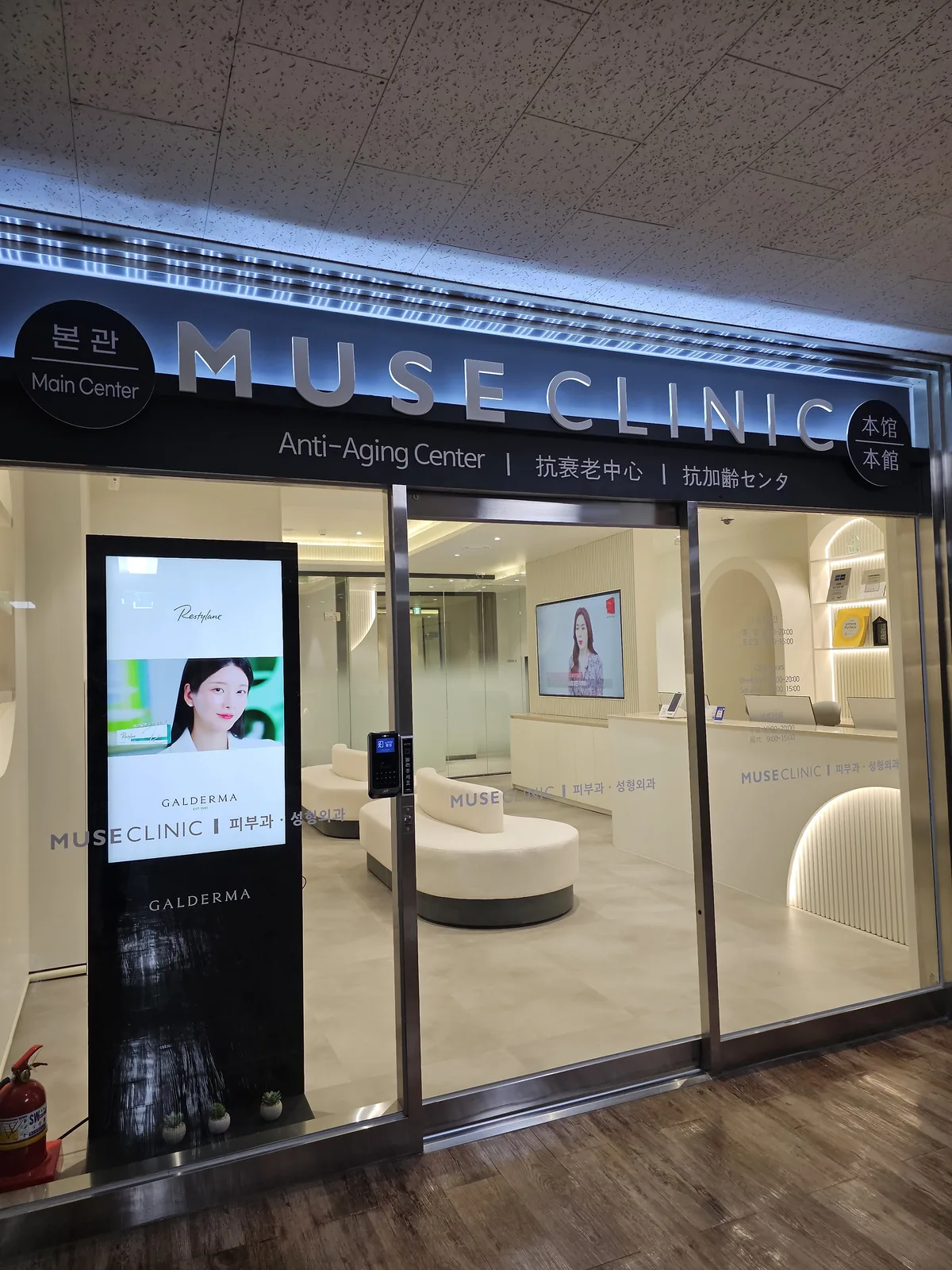
We're open Monday to Friday, 10:00 AM to 8:00 PM, and Saturday and Sunday, 9:00 AM to 3:00 PM. The clinic is a 1-minute walk from Myeongdong Station Exit 5 on Line 4, across from Shinsegae Department Store, so it fits between other plans without a long transfer.
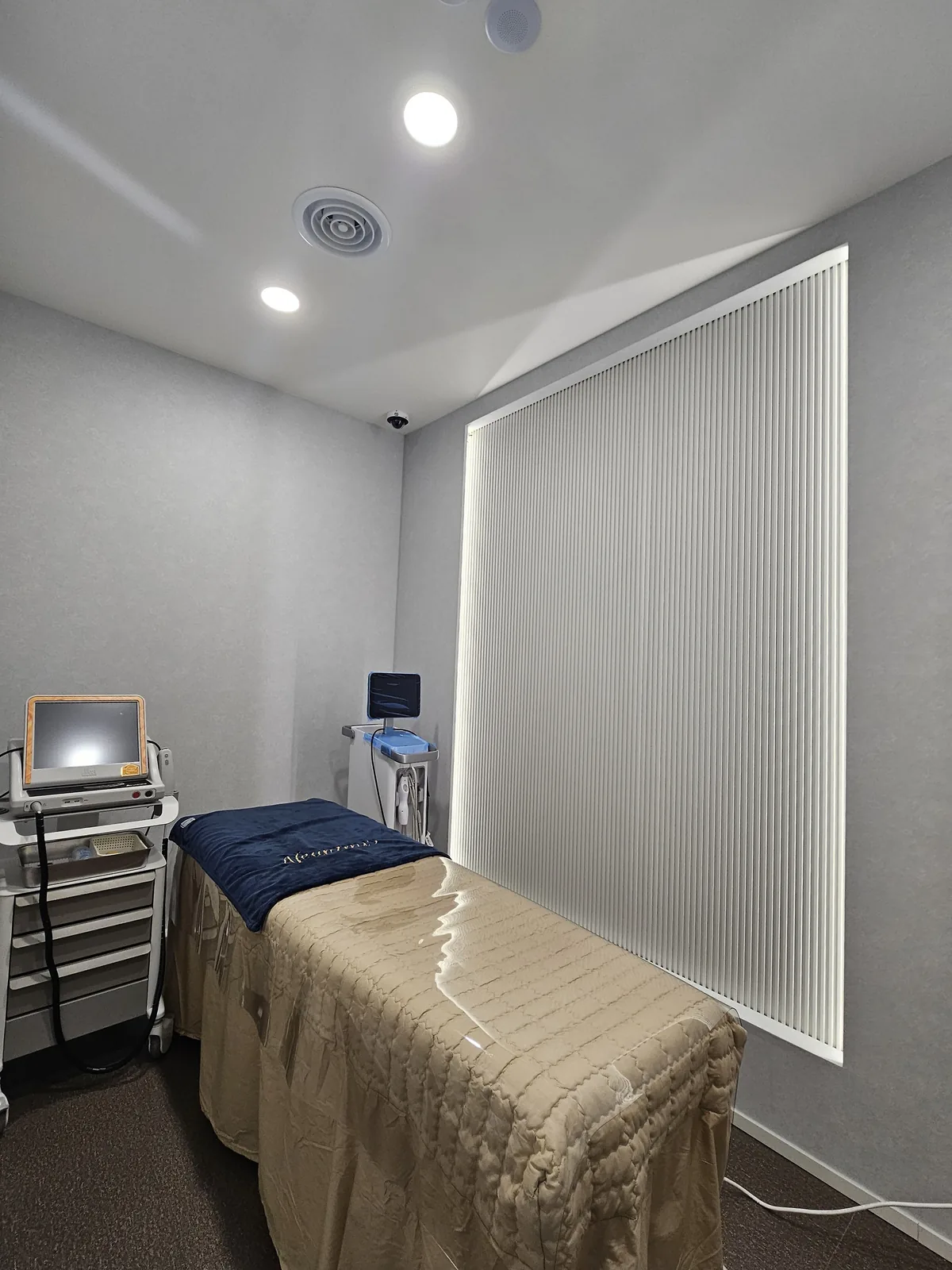
What decides the cost for your case
Four things move the figure: how many sessions your pigment needs, whether the target is melasma, sun spots or acne marks, how large the area is, and whether you add another treatment on a separate day. Foreign patients pay the same prices as Korean patients, and the full menu price list is published on our site. Deposit and payment method are settled after the consultation, so ask on WhatsApp what a plan would cost for your case, with a photo of the area.
What to ask any clinic before a laser on darker skin
Wherever you book, these questions separate a careful plan from a rushed one. They're worth asking even if you end up somewhere other than Muse:
- 01Which wavelength would you use for my skin type, and why that one?
- 02Will the doctor who examines my skin be the one who treats it?
- 03Would you start with a test area or a lower first setting?
- 04How many weeks between sessions, and how many sessions in total?
- 05What should I do if darker patches appear after I'm home?
- 06Will an interpreter be in the room during treatment, not only at reception?
A clinic that answers the first and fourth questions with specifics, rather than a package count, is thinking about your skin and not the schedule.
Where I stand on lasers and darker skin
Pico laser is a reasonable tool for darker skin, and the risk sits more in the settings and the timing than in the machine. I'd rather plan two calm sessions than one aggressive one, and I'd rather say "not this trip" to a tanned face than treat it. You don't have to decide this from one article, or before your flights are fixed.
If you want a starting point, send one daylight photo of the area on WhatsApp with your travel dates, and ask the question that is really holding you back, whether that's an old laser reaction or melasma that spreads every summer. When you're here, what decides your plan is how your skin has reacted to heat and sun before, and whether melasma sits underneath the spots. We're on the 3rd floor of Korea Daeyungak Tower, 97 Toegye-ro, Jung-gu, Seoul.
— Sarang Lim, M.D., Head Doctor
Questions people ask
Before you message us
Is pico gentler on darker skin than a Q-switched laser?
Often, yes. Picosecond pulses are much shorter than the nanosecond pulses of Q-switched lasers, so less heat spreads into the surrounding skin, and less heat usually means less inflammation. Still, a pico laser at too high an energy, or used too often, can darken or lighten skin too. The wavelength, the energy and the gap between sessions matter more than the device label.
Can I go out in the sun the day after pico toning?
You can go out, but treat the sun as the main risk for the next few weeks. Use a broad-spectrum sunscreen of SPF 30 or higher, reapply it about every two hours outdoors, wear a hat, and keep long outdoor days shaded. On darker skin, sun exposure soon after a laser is one of the most common triggers for post-inflammatory darkening.
Can I fly home right after a session?
The flight itself doesn't affect the treated skin. Cabin air is dry, so a plain moisturizer helps if your skin feels tight. One small detail: on a daytime flight, a window seat can put strong sunlight on one side of your face for hours, so keep the shade down or choose the aisle. Bring your sunscreen in your carry-on.
How long does laser darkening (PIH) last on dark skin?
Usually weeks to months. On deeper skin tones it tends to last longer than on fair skin, and pigment that sits deeper in the skin fades more slowly than surface pigment. Most of it fades on its own with strict sun protection and no further irritation. If it hasn't improved after a few months, a dermatologist at home can discuss topical treatment.
Does pico toning hurt more on darker skin?
Skin color doesn't change how it feels much. Most people describe quick snapping sensations, like a rubber band flicked lightly against the skin, and warmth that fades within an hour or so. Bony areas such as the forehead and upper lip tend to feel sharper than the cheeks. If you're anxious about it, ask about numbing options before the session starts.
Results and maintenance period vary by individual. Every procedure carries the possibility of side effects, which are explained before you agree to treatment. Prices exclude 10% VAT and event prices may change. This article is general information from the clinic and is not a diagnosis; suitability is decided at the consultation.
Written by
Dr. Sarang Lim
Head Doctor · Muse Clinic Myeongdong
- Education & training
- Graduated, Inje University College of Medicine · Residency training, Paik Medical Center (Inje University) · Sungkyunkwan University Graduate School, Master's degree · Indiana University Kelley School of Business
- Advisory & certification
- Cynosure — Certified laser center · Juvéderm — Advisory doctor · QT Fill — Advisory doctor · Olidia — Advisory doctor · Galderma Sculptra — Advisory doctor · Merz — Advisory doctor · Jeisys — Advisory doctor · NOVA Thread — Advisory doctor
- Academic societies (full member)
- Korean Academy of Aesthetic Plastic & Laser Medicine · Korean Society of Aesthetic Surgery · Korean Society of Obesity Research Medicine · Korean Society of Obesity & Aesthetic Medicine · Korean Society of Anti-Aging Medicine
Treatments in this article
Excl. 10% VAT · same list Korean patients pay